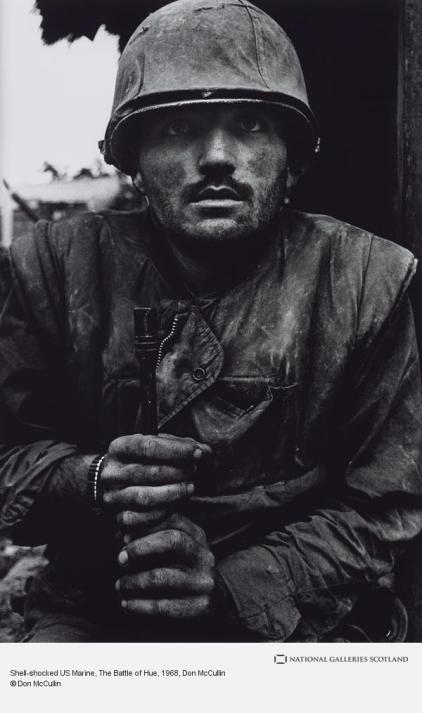
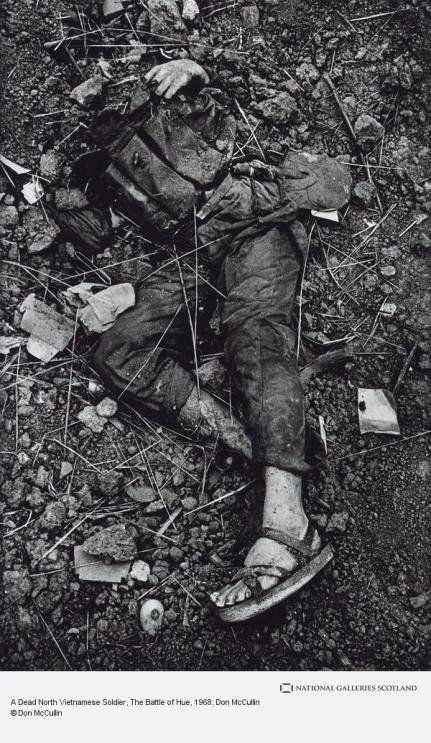
when looking through McCullins collection for most I think this is probably one if not the most well-known images of his if you were to asl some people. Some may give you other images. This one for me sparks many points to consider in my own eyes and personal experiences in my career path. When McCullin talks about this image he mentions that he could have taken the portrait of his career of a dead dying soldier but shows a moral side of his and refrains from taking it when the soldier is asking him not to.
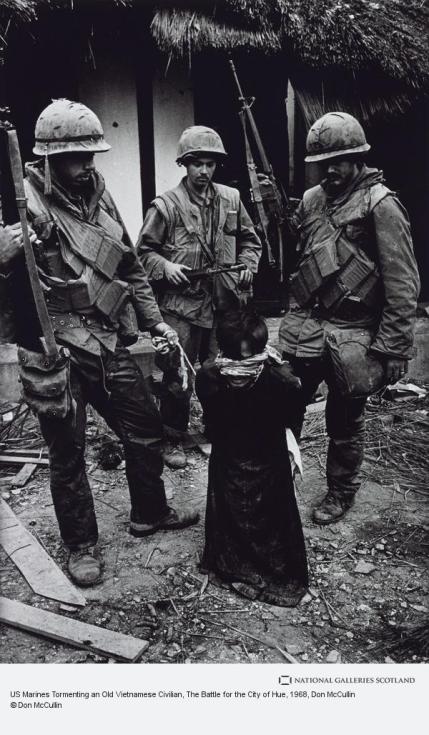
The images below show different side to war in which I believe are fully justified to show. If a scene like this is not shown then the general public will know no different to what they have read or seen other images. Showing different side is key to documenting war. This has been seen as far back as to Roger Fenton’s days in the Crimean War.
The Shell shocked Marine is an image I’ve seen first hand in young soldiers after confronting the worse fears when a friend of fellow comrades has been injured or killed during combat. The eyes do not lie in these circumstances. The Marine isn’t looking at McCullin, the point of view creates and adds drama to the picture. Asking the question to the viewer.
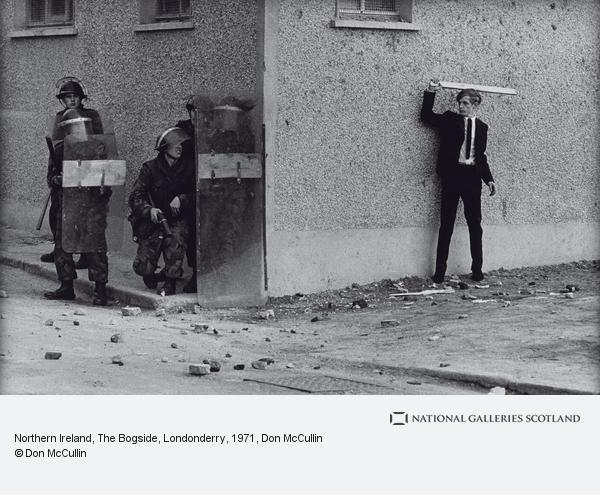
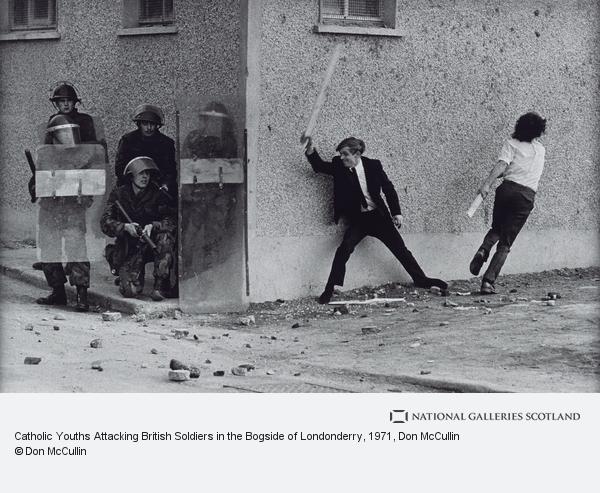
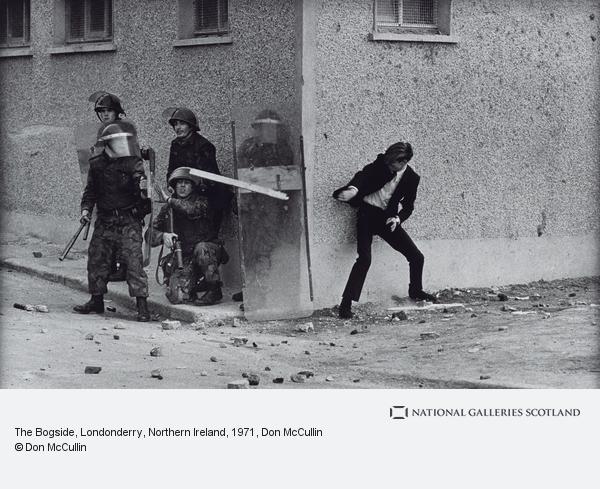
The below series from McCullins works during the troubles in Northern Ireland. Londonderry Bogside. the series for me shows two sides of the story as ever with any military and civilian photograph. The hero and villains as such if we wanted to choose this phase.
this image has been written with a view of a Henri Cartier-Bresson decisive moment feel it, vertical and horizontal lines, the youth holding the wood to the soldiers’ riot shields having the horizontal lines that corresponded with the other lines. This as a singular image is very DM looking but with them a series it holds the viewer in better as the youth actions unfold and startling reaction from the soldiers.
McCullins eye of action and how he sees the images playing out is second to none. Compositionally and DoF along with the grittiness of the black and whites is probably why like using black and white over colour at times. this may change in the later course but I don’t think the colour would work as well.
From a personal perspective when you knew a news crew/camera crew was in the same place as you were then something is bound to happen. It is not a third sense or anything its a case of simple facts they are here to show the world what’s going on, whether this is portrayed both sides of the conflict/war or whatever word you feel is correct to use. They have normally been tipped off or been informed by someone close to either side that something big or a show of force will be put on but, they are normally in the right place at the right time. For you its normally the wrong place and the wrong time.
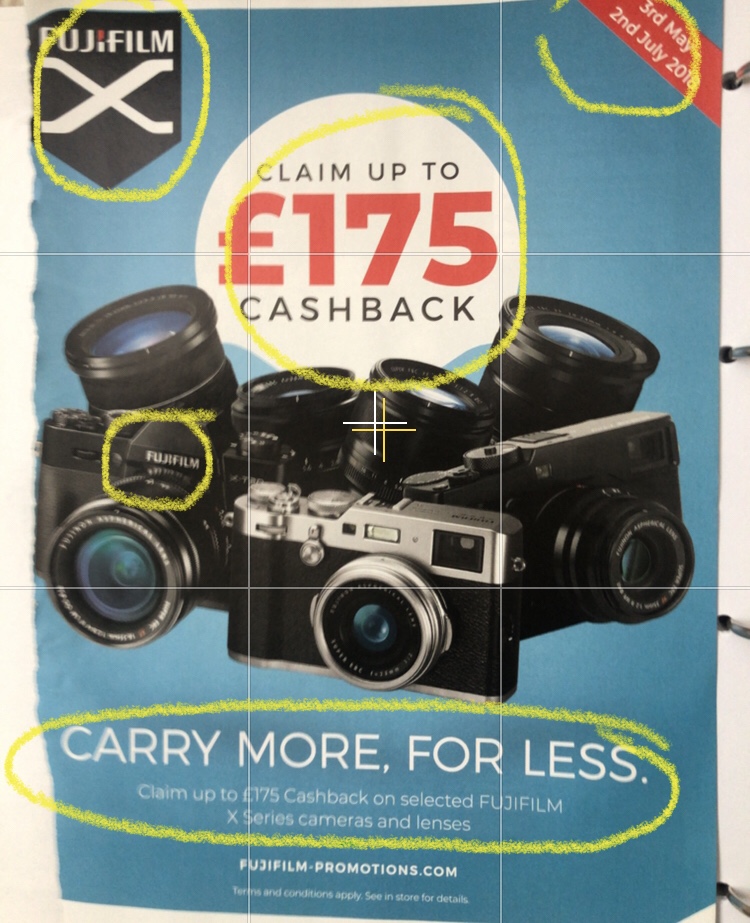
Not having many magazines or newspapers around the house was quite a challenge in itself. I’ve not brought a paper or magazine for sometimes now. See date in the top right of Fujifilm advert above.
They aren’t something I’ll buy anymore. They have more adverts than articles at times and your paying for pages of adverts a more than articles on something you are interested in.
The above advert for me has been pretty successful since buying Fujifilm camera and lenses in recent years from being mainly a Nikon user.
The Studium = The main picture of the camera and lenses
The Punctum = £175 Cashback
Rule of thirds
Language with Brand on the camera and lenses reads left to right.
The brand is in the top left corner.
The massive claim of cashback on the top third.
Use of CAPITAL LETTERS (carry more for less).
Three cameras but four lenses.
Majority of the cameras and lenses are the black variants on a subtle blue background.
Simple colours that do not confuse the eye or let you wander through the advert.
”Photography for me is not looking, it’s feeling. If you can’t feel what you’re looking at, then you’re never going to get others to feel anything when they look at your pictures” Don McCullin, Sleeping With Ghosts: A Life’s Work in Photography
Bibliography
Short, M. (2011).Context And Narrative(pp. 120–141). A&C Black
This feels pretty daunting if I’m being honest. I’m going to have to look at how I structure an essay, not my strongest point and I think with my writing style I tend to waffle.
This maybe time I call on the wife’s education and pester her for some help on this matter. I’m better with a camera than a pen.
Intial images to looks at are from Sir Don McCullin. Who most will know as a world-class war photographer. A title he doesn’t agree with. I can fully understand that statement. War in itself will always be reported on and captured with a camera and lens. I believe it is how the photographer captures those moments in time documenting what is going on. Filming Vs Camera stills is a debate that could open up through this and I’m strongly towards stills over film.
Moving images are seen with a different eye than a still. The still image for me opens the mind up to read the photograph versus seeing the action unfold with the film.
The three series of pictures I will research for this.
Northern Ireland Circa 1971
Vietnam Circa 1968
Southern Frontiers Circa 2006-17.
I was lucky enough to visit the Tate exhibition the other year to see McCullin images for myself with my wife.
Write an essay of 1000 words on an image of your choice.
Initial thoughts on this was a sense of “Oh Christ, how am I going to write an essay, I’ve not done this since a child at school”
Who will I choose as a photographer
What picture shall I choose
At the moment I’m in two minds whether to get to try and finish this part and get ready to try and submit for final assessment. I’m not sure I’ll be ready!
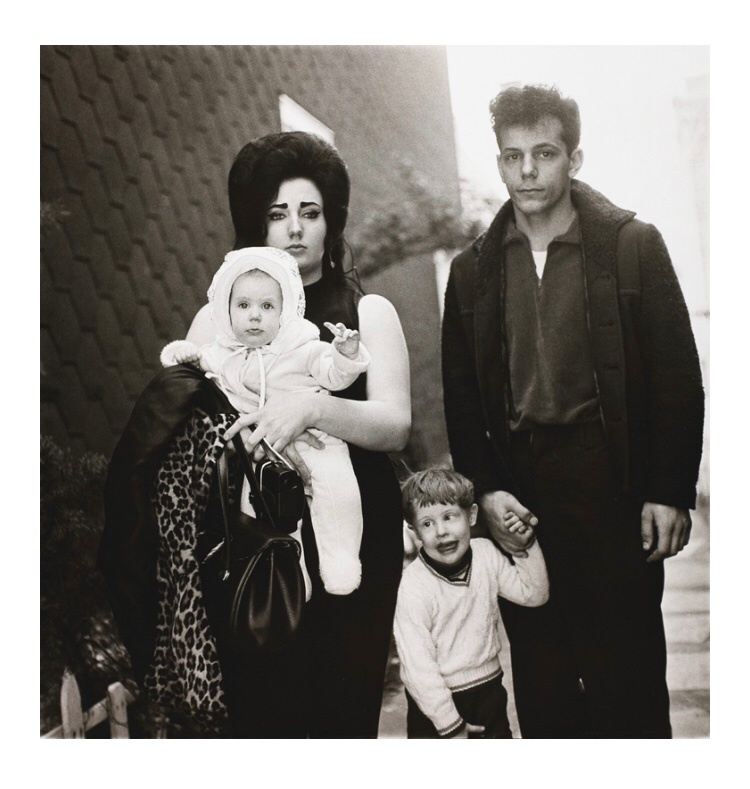
From reading the article I found it harsh how the family has been describe by Liz Jobey. She doesn’t know them however she feels the the need to almost belittle them from the tone of writing.
I find the image has an strange feel to it. Not how the family has been set up but by how the Diane Airbus has composed the picture. The wife and child staring into oblivion and the father into what maybe the camera. The other child is said to be retarded which I feel from a personal perspective fairly instructive into a family that may have had a hard time prior to this.
Throughout the essay Jobey talks about them as they are nothing more than below her. I find that comes acroos in an annoying manner. I do not even know her and I myself are making a judgment on her writing about a picture and not the picture itself.
How you interpret a picture is true that first impressions count and don’t judge a book by its cover. Slightly off key with how Jobey has took to understanding this image.
Have they been forced to look unhappy or is this a case of they didn’t want the picture taken in the first place. It has that juxtaposition feel to it in a way of happiness meets sadness.
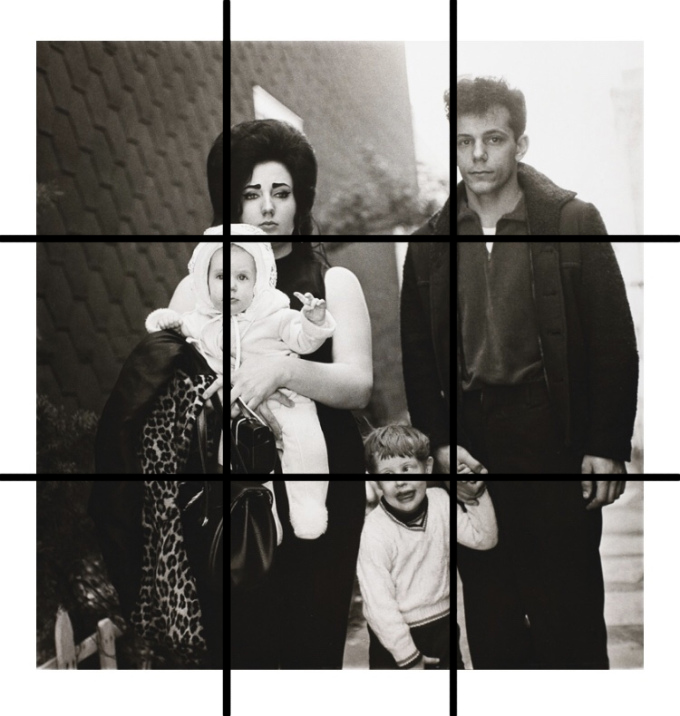
Even though the critque on this image has been harsh from Jobey, the picture itself is pretty well composed when looking with the rule of thirds. The main subject as the women has a sense of drama with how she is lite, the DoP and sharpness of her compared to how he looks where he is probably set back slighty to her. personally I find this image has sense of the unknown within it. A hidden sense of beauty to it. Had this been in colour im not sure that youd be able to show it any better. The era of the clothes would have been dark colours, where only the whites and leapod print would have been able to give any punch.
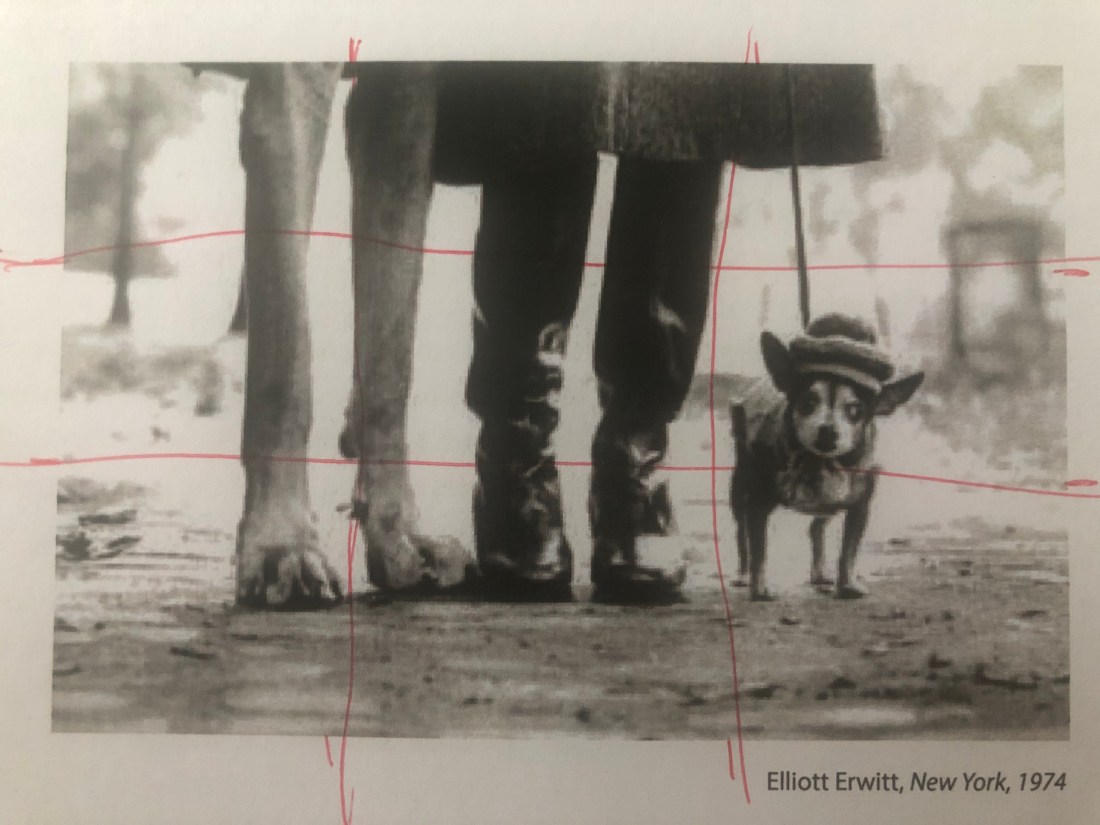
Having looked through some of his portfolio of his Dogs series some for me stand out for the same reasons like this one.
Nearly all his pictures are from a point of view from the dog’s eyes almost like he’s taking portraits of them.
They are compositionally correct with the rule of thirds this image in particular. The giant dog on the left third, the human boots in the centre and smaller dog on the right hand third.
The depth of field shows that a shallow DoF has been used to isolate the main subject and blur out the background. Minimising any distractions.
Three subjects evenly spread across the composition fills the frame had it been two I doubt this would have been a user.
It has a sense of wealth to it: the large dog and small dog together and the owner in the middle. More than likely taken in the Central Park area where some may say is quite an affluent area. The smaller dog is wearing a jumper and hat, probably as is the owner.
The PoV from ground level makes the image with how it has been cropped just above the knee and body of the larger dog.
The image initially shows a sense of fun as do other images within the series. I see him as a dog lover. It also give you a chance to guess what the other breed of dog is and how the woman looks.
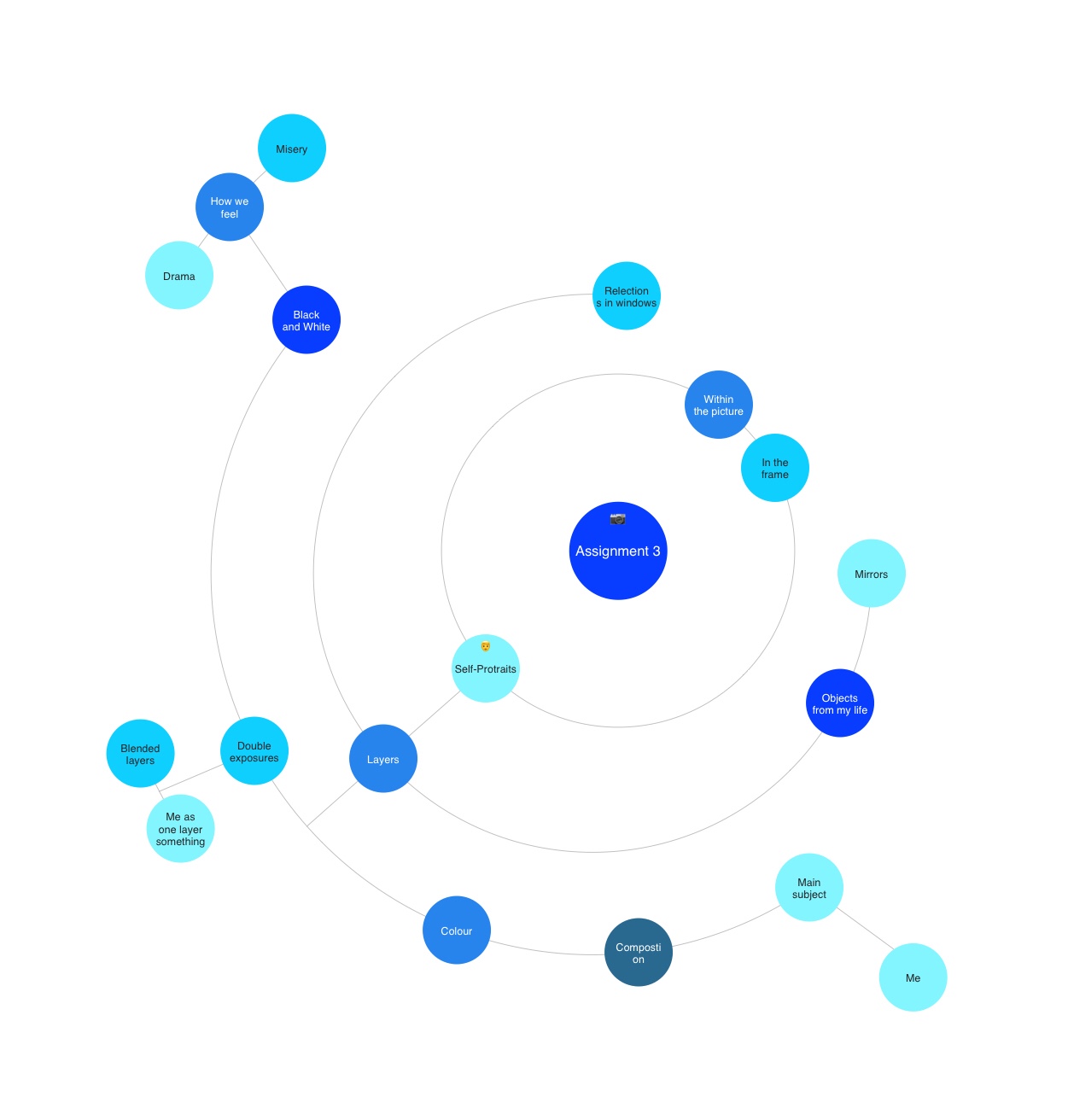
This assignment asks us to draw upon experiences from this part of the course and our research into self-portraits’. It comes at a time where we are experiencing for some people some hard and harsh times. Something people haven’t experienced before.
It is a testing time that we have entered into, one that that only time will tell how it is that we have dealt with it.
Self-portraits for me has been one I was hoping id be able to skip. I’d rather be the one photographing than the model. It has been an intriguing assignment for me, one that I’ve been able to experiment with more than the previous two. Partly down to now having more time on my hands to venture and time at home has helped me to try and experiment with new ideas and concepts.
Standing in front of the lens isn’t a strong point for me. I have been told what at times a “Face for Radio”. And not for the television. So how did I take to this task and the ideas I faced?
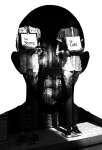
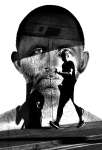
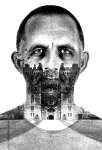
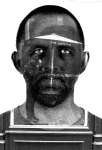
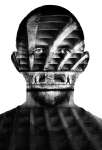
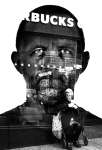
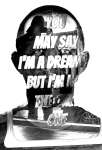
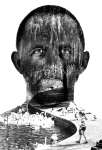
You will be able to see from my research how this final concept came together. The initial idea of Soldier, Civilian and Veteran I think will now be what I’ll try to portray in Assignment Five. Through this journey and seeing a portrait, has given me far more ideas to go forward. YouTube has been a breath of fresh air when looking for ideas whys to construct a self-portrait. I have also enjoyed looking at how Vivian Maier used herself within a picture to create her self-portraits.
Maiers images of herself within a frame drew me to the idea of a composition of my self-portrait, giving a point of view effect from my eye. Hence my assignment title COVID-SOLATION a play on words.
Demonstration of technical and visual skills – I think this has shown a creative side to my photography, yes, I’ve used my street photography style within the images. Still, I believe shows you’re the viewer my PoV that I’ve seen through my isolation. By using everything, I had to hand from lighting that was purchased last year to a makeshift studio in the spare bedroom. I’ve pushed myself to think outside the box and ultimately, my comfort zone.
Quality of outcome – How I have chosen the viewer to see the view is via a word document that in the form of a zine. Single text sentence or word accompanied by an image on the following page. I believe it works well and I’ve had not bad comments from friends and family. Even without the text, I think they work. I don’t think the colour would have worked as well as black and white. Colour would have been too much for the eyes to see. Its dark times and bnw echoes this, I believe.
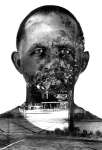
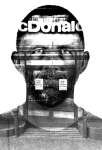
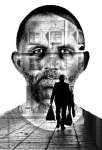
Demonstration of creativity – had I not seen this on technique on YouTube with photoshop and blending of images I don’t think I would have created them like this. I have used the double exposure in-camera technique beforehand on this course and EYV, I don’t think it would have been as dramatic as these have turned out to be. The use of dodging and burning of the image to enhance some of the areas works exceptionally well with bnw.
Context – I think you can see the background to the series that I have tried to portray. Self-isolation and portraiture have gone well together. Had I stuck with the two images using the large mirror I think you would have got a slightly different outcome.
Definitely very creative! The layering works well and there is a level of ambiguity in the images that is very engaging. Looking forward to seeing more!
I wonder how it looks in colour? I think the repeating motif of your self portrait could work, disrupting the motif with objects within the home could add a further layer, outside and inside, maybe play with layering two images with the household objects like these self portraits, it could create a flow within a series, outside a restricted movement, inside a more static environment
No in these flip side images remove your self portrait and use say a kettle and overlay say an image with I don’t know the kitchen or the outside world so the series becomes a mix of self portraits disrupted with objects
Took the wife out today on my walk into Windsor so she could go to Marks & Spencer for something she needed. I find it interesting to hear her view of life and what’s going on. She hasn’t been into town since the start of this and didn’t quite expect it to be so quiet.
I’ve been going through my images ill be using for assignment three. I am choosing which I will use and how I’ll edit the final series. I’m pretty much done with the editing part. The presentation is the next step. I’ve created a kind of zine type book using MS Word, which I think is pretty good.
Go to the artist’s website and look at the other images in Shafran’s’s series.
You may have noticed that Washing-up is the only piece of work in Part Three created by a man. It is also the only one with no human figures in it, although family members are referred to in the captions.
● In what ways might a photographer’s gender contribute to the creation and reading of an image? Gender I wouldn’t have thought has anything to do with it. Had it not given you his name in the workbook I wouldn’t have thought twice about if it was male or female or whatever gender someone chooses to use in today modern world.
● What does this series achieve by not including people? I think it has a sense of ambiguity going on in the series. Had this been taken during these few weeks while parts of the world have been in isolation/lockdown then I think it would show a side of life that a lot of people are witnessing today. There are a few images I like where light has been used or could have been used to create some abstract paintings.
● Do you regard them as interesting ”still life” compositions? I think its more still life. Some have an abstract kind of feel to them when others look like a photo diary insert that someone did the washing up today and they are proud of it. Slightly tongue in cheek feel. It would be something I would send to my wife when I’m on leave to wind her up like I’ve done the washing but not separated the colours just chucked it all in. Then send her a picture to prove it.

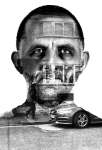
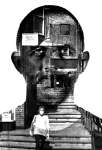
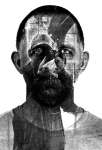
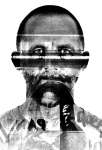


 and use say a kettle and overlay say an image with I don’t know the kitchen or the outside world so the series becomes a mix of self portraits disrupted with objects


 Part Two Context and Narrative BA HONS in Photography OCA