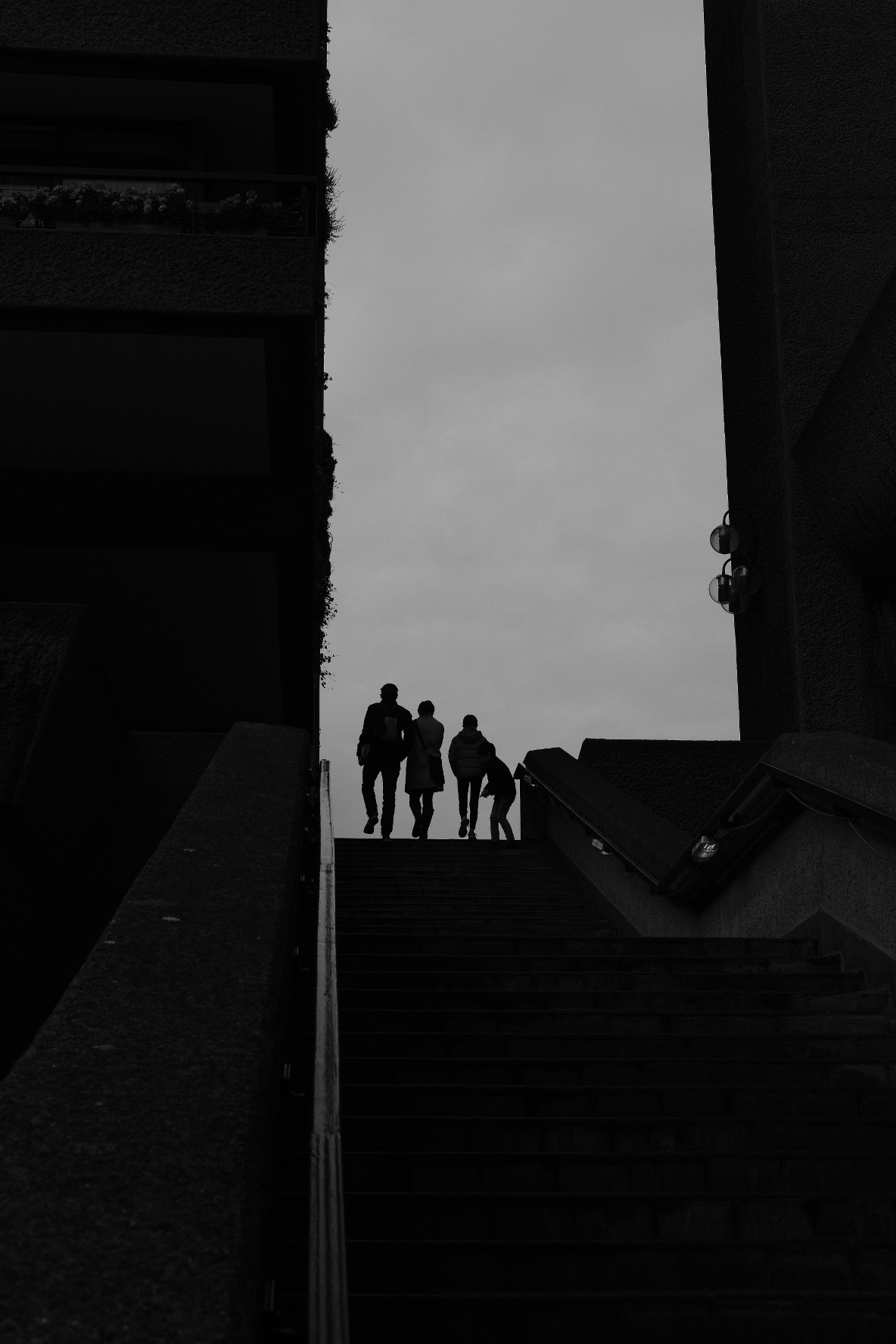
20200612-The archive

Exercise

Question for Seller re-situates images in a different context and in so doing allows for a new dialogue to take place. Reflect on the following in your learning log:

• Does their presence on a gallery wall give these images an elevated status?

I think from a personal point of view they do. By placing them as a gallery, people will look at them differently than in a magazine as a single picture. However, I don’t think it elevates them any higher just because they are on a gallery wall. I have seen gallery wall pictures and not given it a second glance because I thought it wasn’t worth it. A gallery wall is very hit and miss. Some people will respond well due to who the photographer is. Some will be just because of the pictures and how it attracts the viewer.

• Where does their meaning derive from?

Im not sure as to the meaning, the images seem very portraiture and not so much of a series that I can tell.

• When they are sold (again on eBay, via auction direct from the gallery) is their value increased by the fact that they’re now ‘art’?

I believe it will depend on who’s viewing them. I’ve seen many people use eBay to profit from someone else stuff. Place it in a frame give it some context or a small narrative at that adds weight and ultimately money and profit.

When anything is placed on a selling page whether this is eBay or social media selling pages. ”One man rubbish is another man’s treasure”.

Resources

20200415-project 3 Self-absented portraiture-exercise

Go to the artist’s website and look at the other images in Shafran’s’s series.
You may have noticed that Washing-up ​is the only piece of work in Part Three created by a man. It is also the only one with no human figures in it, although family members are referred to in the captions.
In what ways might a photographer’s gender contribute to the creation and reading of an image? Gender I wouldn’t have thought has anything to do with it. Had it not given you his name in the workbook I wouldn’t have thought twice about if it was male or female or whatever gender someone chooses to use in today modern world.

What does this series achieve by not including people? I think it has a sense of ambiguity going on in the series. Had this been taken during these few weeks while parts of the world have been in isolation/lockdown then I think it would show a side of life that a lot of people are witnessing today. There are a few images I like where light has been used or could have been used to create some abstract paintings.

Do you regard them as interesting ”still life” compositions? I think its more still life. Some have an abstract kind of feel to them when others look like a photo diary insert that someone did the washing up today and they are proud of it. Slightly tongue in cheek feel. It would be something I would send to my wife when I’m on leave to wind her up like I’ve done the washing but not separated the colours just chucked it all in. Then send her a picture to prove it.

The three images above are something I would do whilst I’m home in isolation playing with how light comes into the house.


Bibliography

(n.d.). Nigel Shafran. Retrieved April 15, 2020a, from http://nigelshafran.com/ [assessed 20200415]
(n.d.). Washing-up, 2000 [2000] : Nigel Shafran. Retrieved April 15, 2020b, from http://nigelshafran.com/category/washing-up-2000-2000/ [assessed 20200415]

20200321-Learning log diary entry

I have never been one for keeping a diary. I find it slightly dull and usually forget the main reason. Technology doesn’t help nowadays when putting things to paper or digital notes.

Well, today has been somewhat unusual. Dropping food off at the inlaws and a day stuck inside thinking about what lies ahead. It’s not something I’ve been privy to in my life in regards to a stay at home and isolation as such. Yes I’ve been in some interesting places that have been isolated from normality as such. But nothing like this.

My typical working week is slightly isolated from my personal life. I work away from home most of the week. Spending time apart isn’t new to me and normal in the work I do. I do find it hard to adjust when I’m home for an extended period at times. I like my space, as does my wife. It gets a little heated at times when we’re both in the same room invading one another’s space—upsetting the routines. Time will tell if we are at each other’s throats in the coming weeks.

20200312-Ass 2 start

With the ongoing issue of COVID-19 it’s probably easier to make a start with this assignment with my research images I’ve collated so far. I can always rework this assignment before the submission date.

It’s probably one that could have made quite a response with pictures taken.

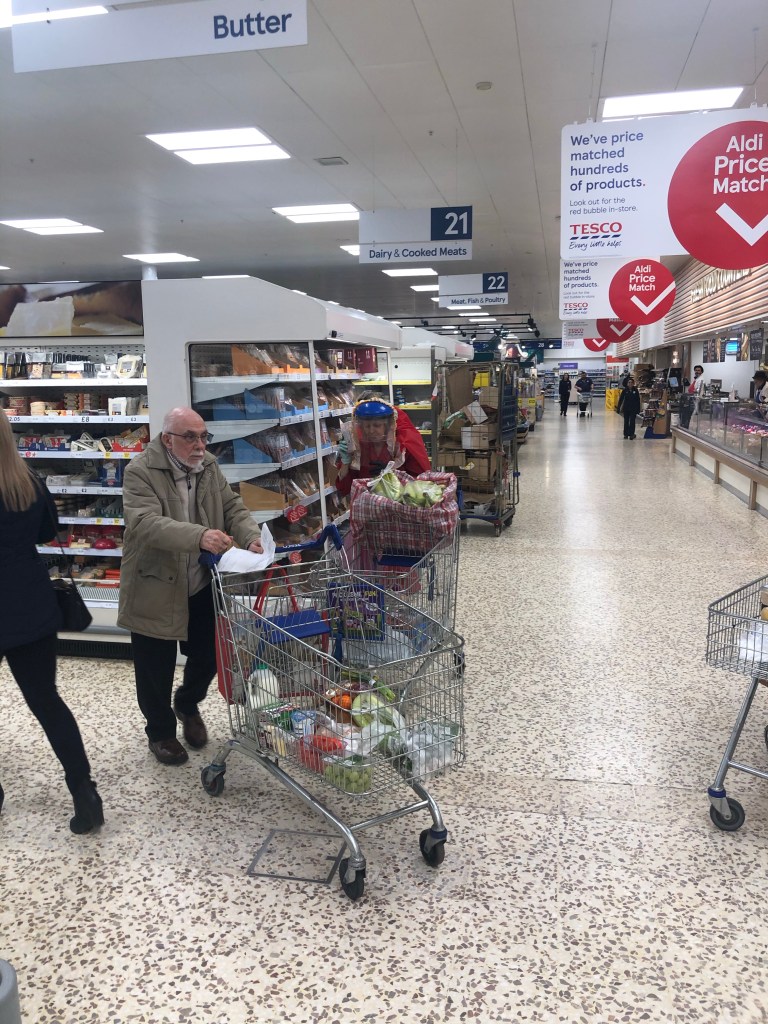
This was taken today after my visit to the hospital on my iPhone whilst getting some lunch.

Precautions and Supplies

It worries me how people perceive what will happen in a few days, weeks or even months!

20200220-Assignment Two ideas

Photographing the unseen. A question I’ve been asking myself what is the unseen?

1 Mental Health
2 Hidden beauty
3 Emotions
4 Thoughts
5 Courage
6 Discipline
7 Wealth/Poverty

The above are potentially seven areas in which I think can be unseen. Some harder than the others. Some I may leave for another day to venture into.

There are three elements from above I’m drawn to. Hidden beauty, Emotions and Thoughts. When I go out and look at areas to photograph. I want to find beauty within the composition, I want to have a feeling of emotion when someone gazes at it whether I’ve posted them to a social media platform or prints in my house.

I also think there is an idea of the viewer trying to understand your thoughts and the process you have gone through. The journey you’ve taken, the time spent waiting, fishing for your image. That decision or decisive moment you waited for, the light to fall where you pre visualised, the shadows to move into the right place. Maybe time should be up in my list?

Timing is everything when photography is in play. From the time you set up to the time you took to research, shutter speed etc.

Looking further with this assignment with an interest in using light and shadows to create a picture. Maybe that’s the unseen part of it. The thought process behind and image.

  • How did I visualise the image
  • What drew me to that location
  • What are the elements in within the composition
  • Day
  • Night
  • Colour
  • Black and white
  • Silhouettes
  • Single subject
  • harsh shadows
  • Lines
  • Geometric shapes

Only time will tell what is the unseen!

20200208-Project 3- Exercise-Peter Mansell


• Which of these projects resonates most with you, and why?

I found I could resonate to Peter Mansell project more than the others. I find photography a kind of mental therapy to keep the mind occupied and working. So many people suffer in silence in today’s modern world. I’m not a person that can let feelings go through talking unless it with people with common ground. Expressing one’s thoughts through photos for myself, I find easy and quite liberating at times.


• How do you feel about the loss of authorial control that comes when the viewer projects their own experiences and emotions onto the images you’ve created?

I see that as a compliment to the photographer more than anything else. I had some recent comments made on the images I took of graves from Brookwood Military Cemetery. I would say this is the same for both a written article, TV/Film productions. So many viewers can resonate to pictures with personal feelings.

I think to look at an image and not seeing anything that doesn’t resonate your not looking correctly or close enough.

20200115-Sarah Pickering’s Public order

Road-Block-River-Way_F_2200px
Fig 1 Sarah Pickerings Public order gallery River Way (Roadblock), 2004

20200115-village
The long road

20200115-PB Order
Caught in the middle

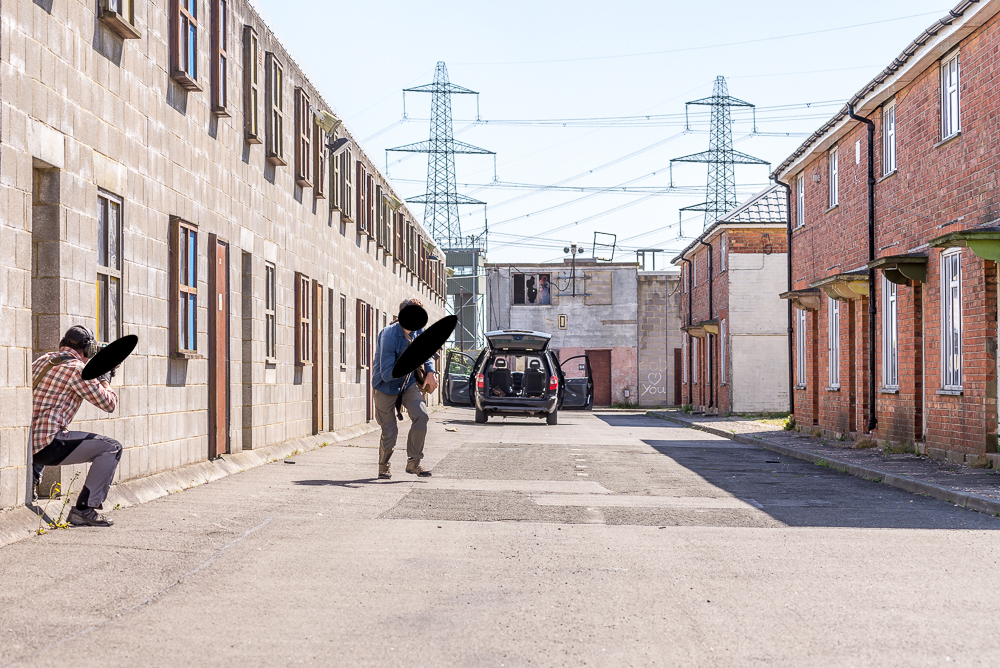
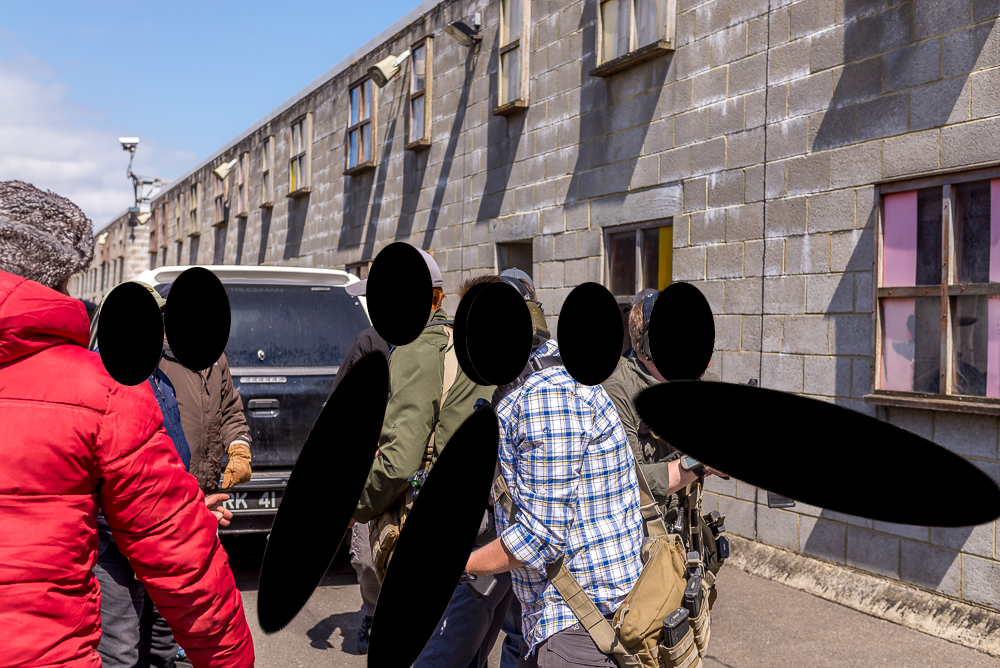
At times I find I’ve been privileged to be able to work in some unusual areas throughout the years. The two images above have for me the other side of the coin Sarah mentioned within her project. These show the action within a desolate village location where hers show the emptiness within them. Having been through and worked in places like her images I can fall well understand what it is she is capturing. It’s interesting to see the emptiness however to feel the anticipation of what is around the corner waiting for them!

  • How do they make me feel?
    • I kind of like them, as I’ve mentioned above its the anticipation of what waiting around the corner effect.
  • Is Public Order an effective use of documentary or is it misleading?
    • Had I not known what these images where about it may sway me to say yes, but it’s having an understanding of what is captured within the images, roadblocks empty streets, key locations (jobcentre, night club) areas of tension, old tyres and objects that have been thrown. The images that may confuse people are they facades of houses/buildings and empty rooms etc unless you know what they are.

      Bibliography

      (n.d.). Sarah Pickering Public Order. Retrieved January 15, 2020a, from https://vimeo.com/11931505 [assesed 20200115]
      (n.d.). Public Order – Sarah Pickering. Retrieved January 15, 2020b, from https://www.sarahpickering.co.uk/works/public-order/


20200111-Project 2-Photojournalism

Susan Sontag

  • Do think images of war are necessary to provoke change?

Personally, my view on this may be slightly one-sided due to my profession. When you’ve witnessed first hand what war/conflict or whatever word you choose to describe it. It’s horrendous. No words can describe things I’ve seen, friends I’ve lost and injuries sustained both physically and mentally. So to say pictures provoke change, in today’s world I believe they have and will do. Public support has been key over the last decade.

Both press and military media photographers have been able to show so many sides of conflict/war. Good the bad and at times ugly sides. It’s a business whether people agree with what I say. Wars create work and money by employing people to support be that locally employed civilians to military procurement companies. Images taken portray life on the frontline at time harsh but at times it shows life isn’t that bad and soldiers can be enjoying what it is they are doing. Creating a safer place for people to live and work.

  • Do you agree with Sontag earlier view that horrific images of war numb viewers’ responses?

I sort of agreeing and disagree with this one. Looking back through the history of war images that are horrific there’s a side that does numb the viewer as over the times it can be viewed as normal. This is only until something changes. Be it the trench warfare and shell shock. To individuals being in contact with mustard gas.

Vietnam and children running away with horrendous burns caused by napalm, or worse still the use of agent orange.

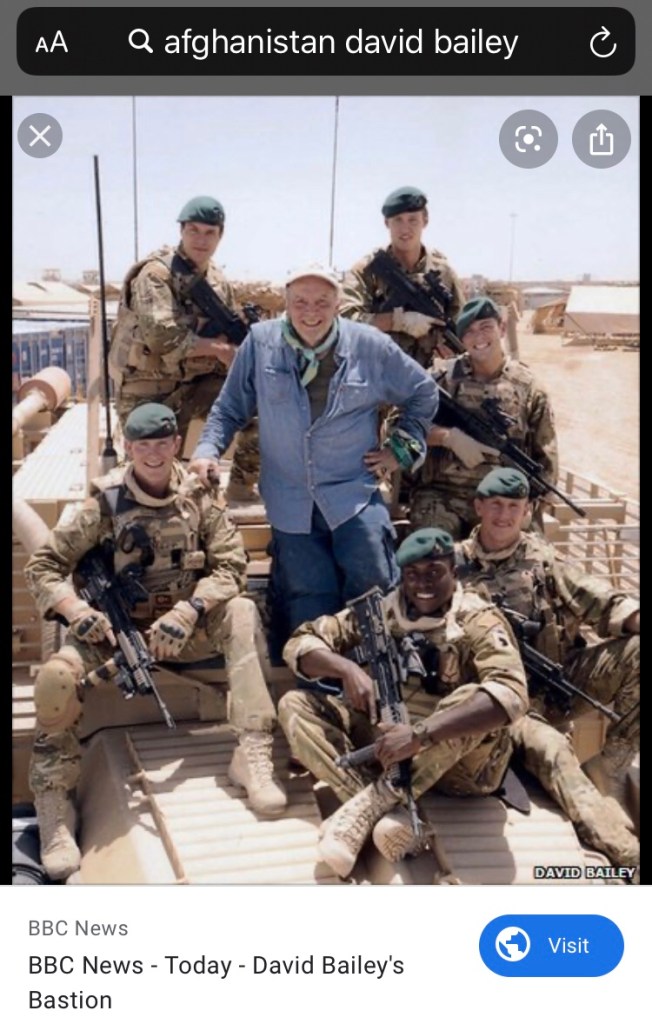
Screenshot David Bailey Afghanistan BBC circa 2010

What I believe changes individuals view is when the image is of a young soldier or child. I recall David Bailey’s portraits from troops in Afghanistan he took. Some left as boys and returned as men aged by conflict and war. These images I believe change peoples perspectives I don’t believe it’s numbing. They provide the viewer now with a connection to emotions soldiers feel I believe.

I thought id like to add to this part from a personal perspective. Images from conflict are at the time the ones you see in the papers. Soldiers have been capturing life on the frontline for decades. Please see a small selection of what I have taken over the years from circa 2007 – 2010. The good times and the bad.

This slideshow requires JavaScript.


Bibliography

Bailey, D., Interview, A., & 07.10.10, I. (2010, October 8). David Bailey – Afghanistan Interview 07.10.10. YouTube. Retrieved January 11, 2020, from https://youtu.be/kAW3303Xl2Y

(n.d.). BBC News – Today – David Bailey’s Bastion. Retrieved January 11, 2020, from http://news.bbc.co.uk/today/hi/today/newsid_9066000/9066434.stm