20200428-Ass Two reflection

What I have I learnt so far through this part of the course. At times I feel I’m learning more about myself than what’s in the course workbook. Holding that information at times can be daunting. Research the idea and concept before jumping with both feet. This is probably the same when I look back to EYV. Where I started quickly to finish each part with just one idea and sticking to that idea.

I must resist the temptation to finish as soon as possible. So that I can crack the next part of try and put it off so that when it comes round I can rush to complete it. Hoping that it will be enough to at the end of the day. It took a further three assignments during EYV for me to realise that. Going back over the work you’ve submitted at times can be refreshing to see them edited in a different style. However, finding a style your comfortable may not always be the right style to showcase your self. Its is all about how I can show the assessment team that I can be both technically proficient and open to ideas without sticking to one genre or style.

I still have enough time to find my true style, although black and white is my go-to preset. I must look at how to challenge myself greater. I have two cameras so why not shot one colour one BnW. Fujifilm cameras will even let me shoot a bracketed picture using three inbuilt film simulations. These, however, are only in JPEG. Something I haven’t fully tried but have seen great success during photo walks with fellow Fujifilm shooter.

Is this a confident thing or is that I feel I’m out of my league studying towards a degree? I would probably agree with what I have said about having the confidence to study at this level. Should I have started with the foundation course I don’t know. I have however started this journey with what I have classed a good start with completing EYV with what I think was a fairly good mark of 61%, where the top mark was 64%. So I must be doing something right.
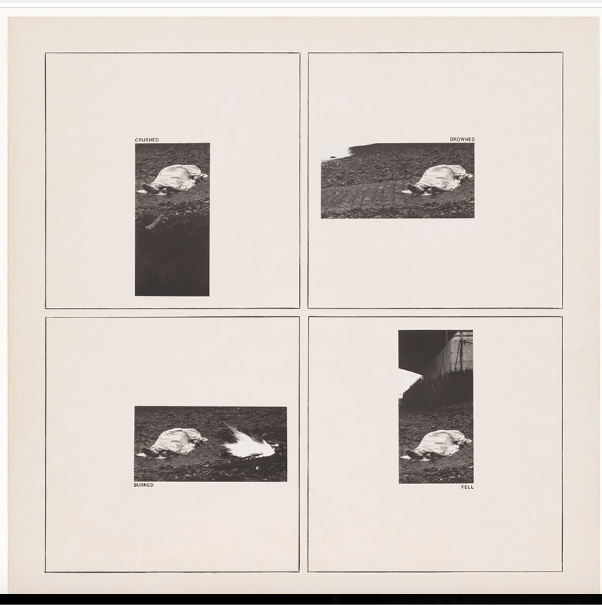
 

20200210-Research-John Hillard-Causes of Death

This was given in my Assignment one feedback to look at. Please the image below.

Screen Shot 2020-02-10 at 19.52.59
©John Hilliard, Causes of Death screenshot

Initially looking these four images quickly nothing stands out. However, once you slow down and start to analyse the images, things start to stand out. Yes, this was mentioned within the student feedback but you never see the images first time round. The titles do speak for themselves when you look closely, but without zooming in they are just four pictures of roughly the same thing.

It does ask the question of what is truthful. I find now in photography and in the news how an image can manipulate the truth. This has been going on for decades. Do we even know what’s real and what’s not? Fake news and the likes. Will anything we read to be true is what we are seeing true. How much of the daily life be manipulated to portray what we want to be true. When I think back in time what spring to mind for me is the luna landings the race for space. I’m extremely open to what people think happened then and the classic conspiracist ideas. The question I would raise now, “why hasn’t there been more than 12 walked on the moon?”

By changing the perspective you change the observer’s point of view (POV), you also changed the narrative to the image. I’ve seen this many times when the photographer changes the POV so that the viewer sees something else. How this changes the thought process of the viewer is by changing the experience the photographer is portraying in the image capture.

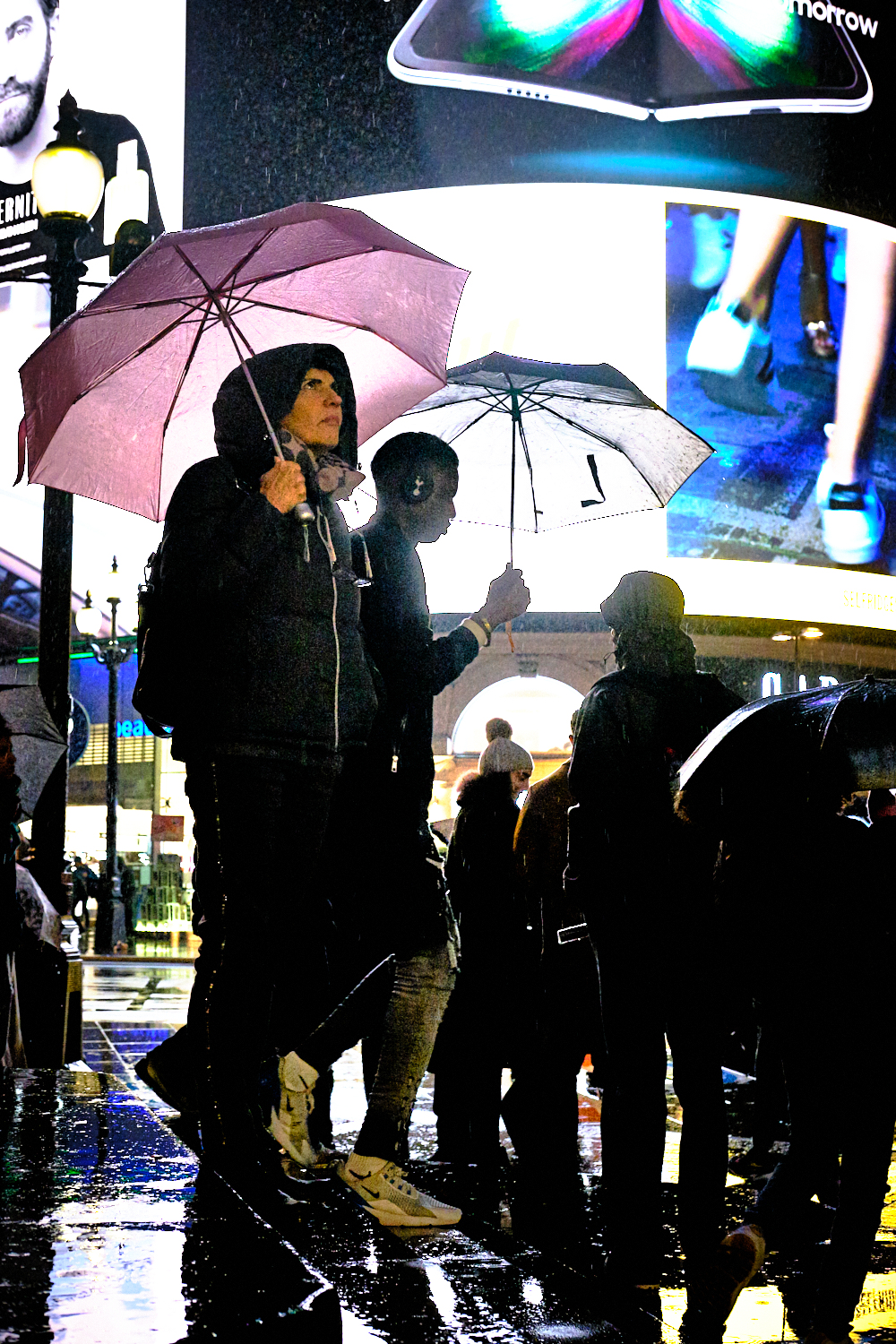
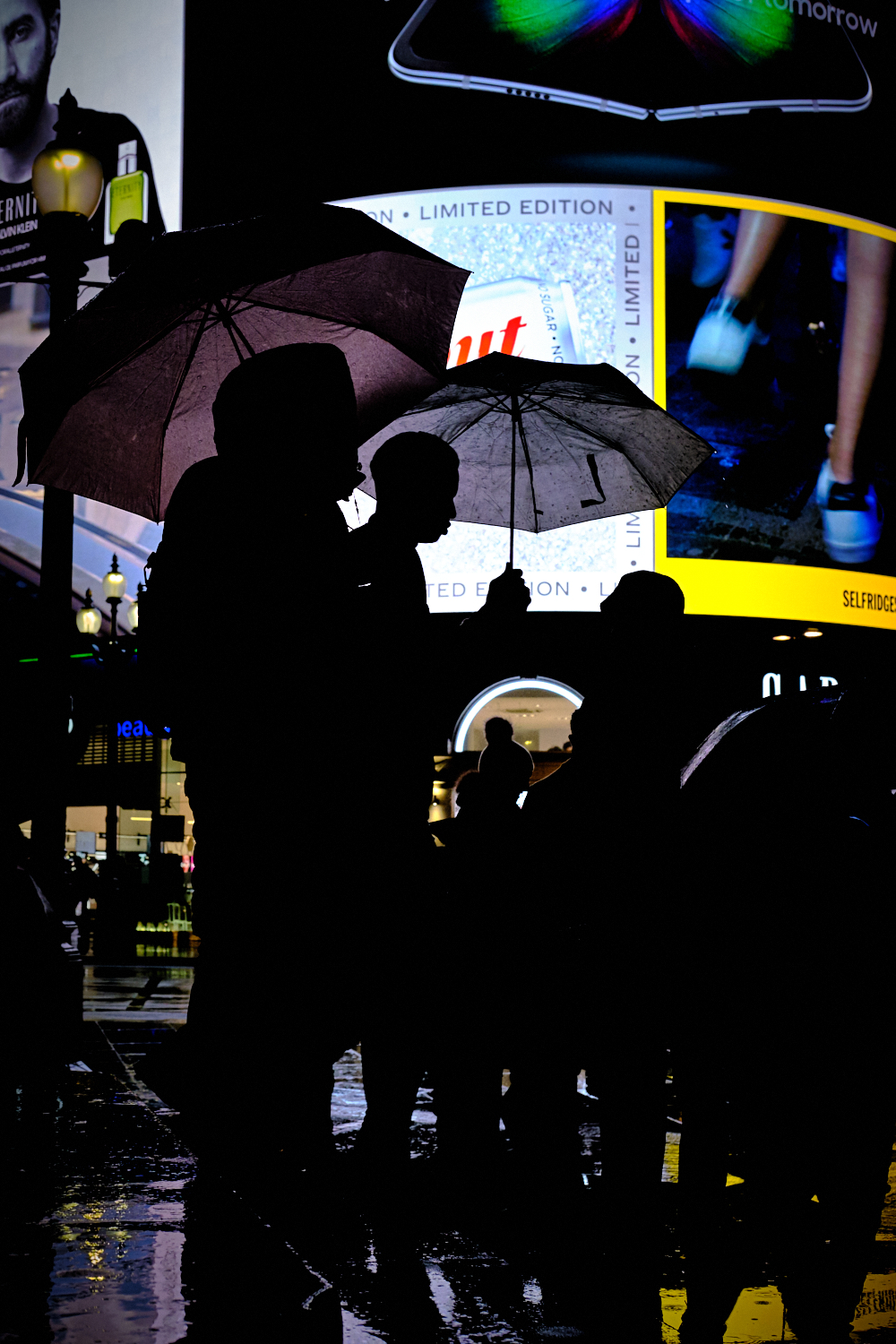
When I think back to what I provided in assignment 1. What is hiding in the shadows? By changing how the picture is edited in post and revealing the hidden parts of the image, yes I’m showing what hiding but I’m also revelling the hidden data in the file. This is what can be manipulated and pushed in the post edit.  Ansel Adams said.

Ansel Adam “You don’t take a photograph, you make it”.

Post edit in some ways can destroy an image in the non-puress eyes. Straight out of camera (SOOC) pictures are manipulated whether you like it or not. Consider what you have used the equipment used the camera settings you are manipulating the image from the start. The exposure triangle is this in its raw form. Freezing the action, DoF, ISO the way you are composing your image and set up. Controlling the light through exposure compensation to actually moving around with your feet and the time of day.

EmptyNameEmptyName 1

The two images above were taken in London on a wet winters night. The top one you can see I like to capture silhouettes and drama. With the bottom one, I’ve opened up the shadows increased the exposure where you can make out who they are. What one do you prefer whats the story being captured? Had this been exposed for the two people would this give the viewer something to be engaged with the photographer. Do the silhouettes against the bright neon lights hold the viewer in with what’s happening in this composition what is it the photographer what you to see?