20200415-project 3 Self-absented portraiture-exercise

Go to the artist’s website and look at the other images in Shafran’s’s series.
You may have noticed that Washing-up ​is the only piece of work in Part Three created by a man. It is also the only one with no human figures in it, although family members are referred to in the captions.
In what ways might a photographer’s gender contribute to the creation and reading of an image? Gender I wouldn’t have thought has anything to do with it. Had it not given you his name in the workbook I wouldn’t have thought twice about if it was male or female or whatever gender someone chooses to use in today modern world.

What does this series achieve by not including people? I think it has a sense of ambiguity going on in the series. Had this been taken during these few weeks while parts of the world have been in isolation/lockdown then I think it would show a side of life that a lot of people are witnessing today. There are a few images I like where light has been used or could have been used to create some abstract paintings.

Do you regard them as interesting ”still life” compositions? I think its more still life. Some have an abstract kind of feel to them when others look like a photo diary insert that someone did the washing up today and they are proud of it. Slightly tongue in cheek feel. It would be something I would send to my wife when I’m on leave to wind her up like I’ve done the washing but not separated the colours just chucked it all in. Then send her a picture to prove it.

The three images above are something I would do whilst I’m home in isolation playing with how light comes into the house.
 

Bibliography

(n.d.). Nigel Shafran. Retrieved April 15, 2020a, from http://nigelshafran.com/ [assessed 20200415]
(n.d.). Washing-up, 2000 [2000] : Nigel Shafran. Retrieved April 15, 2020b, from http://nigelshafran.com/category/washing-up-2000-2000/ [assessed 20200415]

20200415-Project 2 Masquerades-exercise

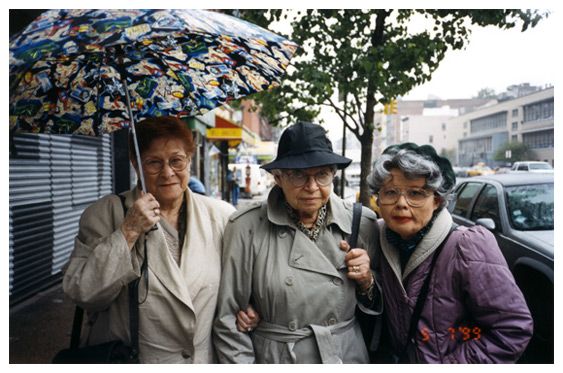
Is there any sense in which Lee’s work could be considered voyeuristic or even exploitative? Is she commenting on her own identity, the group identity of the people she photographs, or both?

It looks like a sense of both to me. An almost kind of look at me and you should be looking at me. Some are easy to understand others id had to look twice and try and understand her concept. Her concept of a point and shoot camera I think works well only due to her being in character. Had this been a studio type set up I don’t think she would have had the same overall effect.

36f7e0cf38a1e9bd12986e7ae40c9d5d
© Nikki S. Lee Untitled, From the Seniors Project, 1999

Voyeuristic

  1. relating to or denoting sexual pleasure gained from watching others when they are naked or engaged in sexual activity.” women as objects of voyeuristic pleasure.”
    • deriving or relating to enjoyment from seeing the pain or distress of others.” the voyeuristic pleasure of spying on relationships under pressure.”

Exploitative

  1. making use of a situation or treating others unfairly to gain an advantage or benefit.” an exploitative form of labour.”

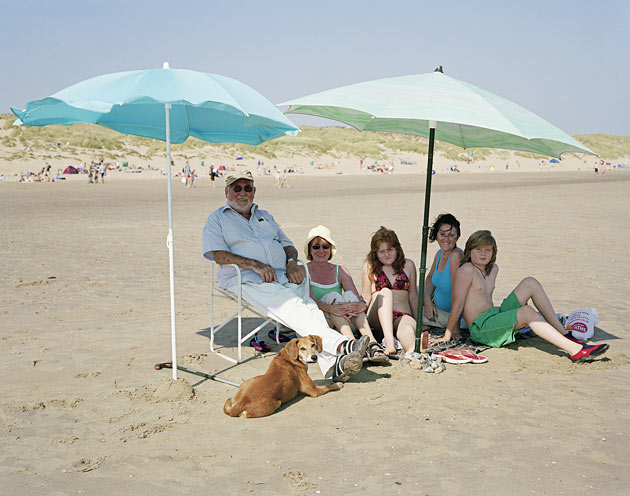
Would you agree to Morrissey’s request if you were enjoying a day on the beach with your family? If not, why not?

Yes, I think id be open to the suggestion, although I do find it a little strange, once she had explained it I would find it rather intriguing to see the final image.

Lou-Soucell
© Trish Morrissey Lou-Soucell 

Morrissey uses self-portraiture in more of her work, namely ​Seven​ and ​The Failed Realist​. Look at these projects online and make some notes in your learning log.

Pocahantas
© Trish Morrissey Pocahantas (2011) 

There are some compelling images within here works. Some I find quite disturbing in a way, I’m not a huge fan of portraiture and at times find it hard to see what a photographer is trying to show, this is the same when I look at portraits in an art gallery whether they are oil or watercolour pictures. Some I see the person some I wonder what it is I’m looking at. The ones I find that hold the eye are her failed statement. There is a sense of fun I see in these images from trying to work out what they are before reading the title. Had they not had a title, then I wouldn’t have understood them to be honest.


Bibliography

Creators. (2010, July 21). Photographer Nikki S. Lee Can Turn Into Anyone. YouTube. Retrieved April 15, 2020, from https://www.youtube.com/watch?v=oI8xpJItPVI [assessed 20200415]

(n.d.). Trish Morrissey. Retrieved April 15, 2020a, from https://www.trishmorrissey.com/index.html [assessed 20200415]
(n.d.). Trish Morrissey. Retrieved April 15, 2020b, from https://www.trishmorrissey.com/works_pages/work-sy/workpg-01.html [assessed 20200415]

(n.d.). Trish Morrissey. Retrieved April 15, 2020c, from https://www.trishmorrissey.com/works_pages/work-tfr/workpg-01.html [assessed 20200415]

(n.d.). Trish Morrissey. Retrieved April 15, 2020d, from https://www.trishmorrissey.com/works_pages/work-front/workpg-01.html [assessed 20200415]


20200328-Project-Childhood-Memory

recreate a childhood memory in a photograph.

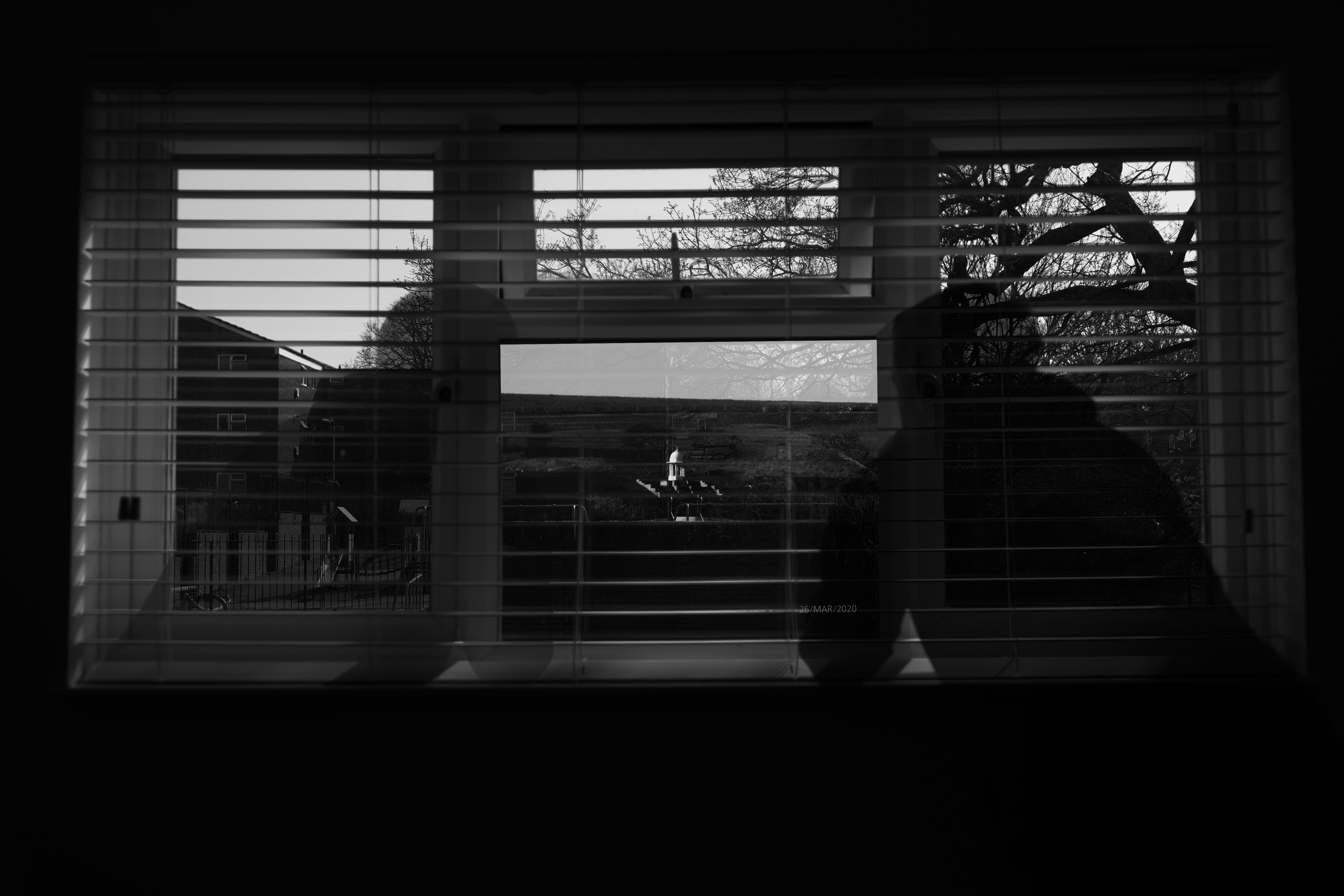
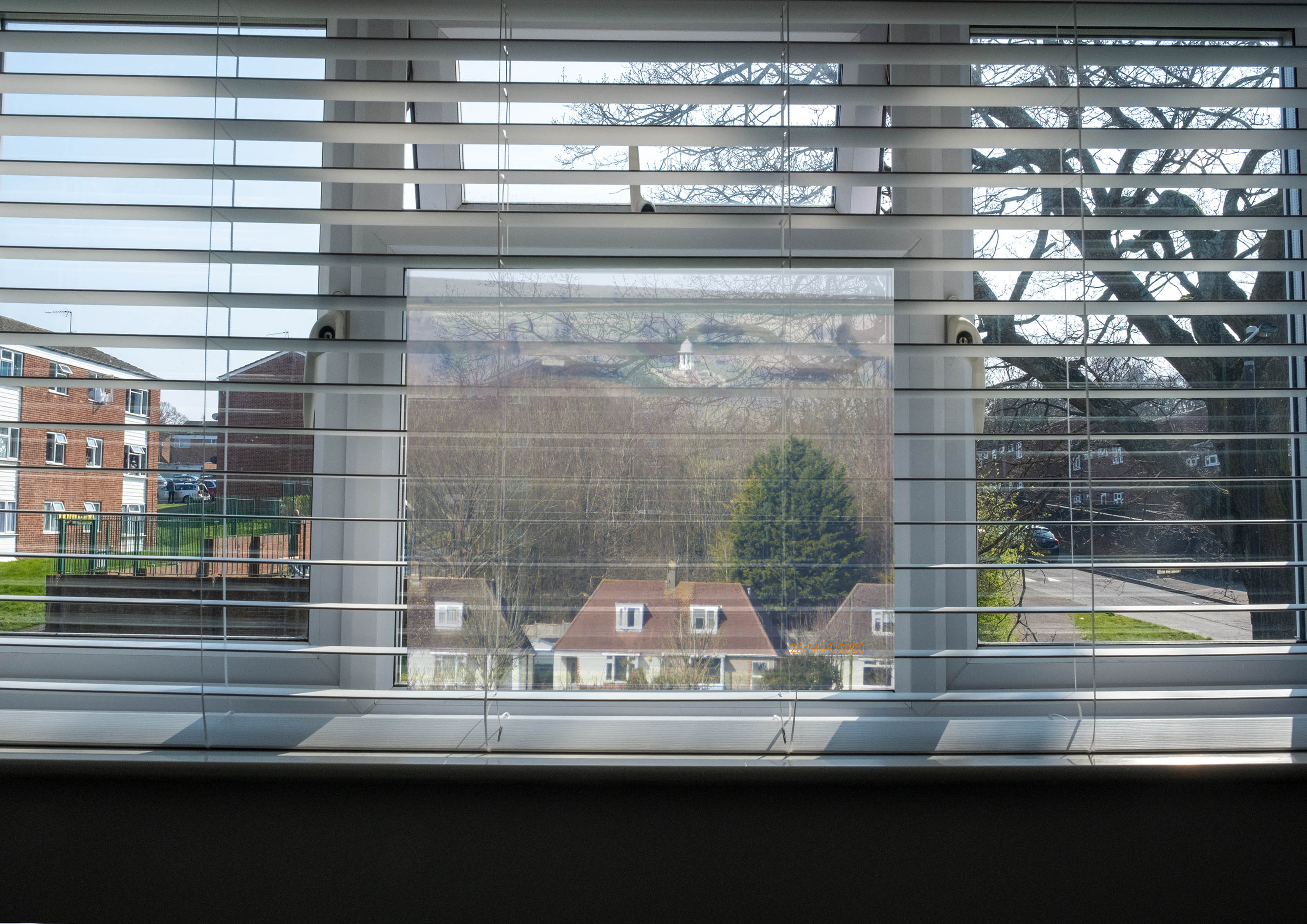
black and white home view Brighton View from Windsor

Well, this has been a challenge in itself with the whole lockdown. How will I create something when we are in lockdown and not allowed to travel. Exercise yes but it wouldn’t be a good decision to travel to where I was brought up in Brighton. So what are we supposed to do in these strange times?

Who better to ask than family members. I thought about the views I enjoyed as a child. First, that comes to mind was the seafront and views of Brighton’s West Pier. If your not aware of it, its become a mystical place in my eyes. It’s pretty mesmerising when you’re sat or stood looking at it. But that wasn’t going to be achieved and not the kind of burden id place on my Dad.

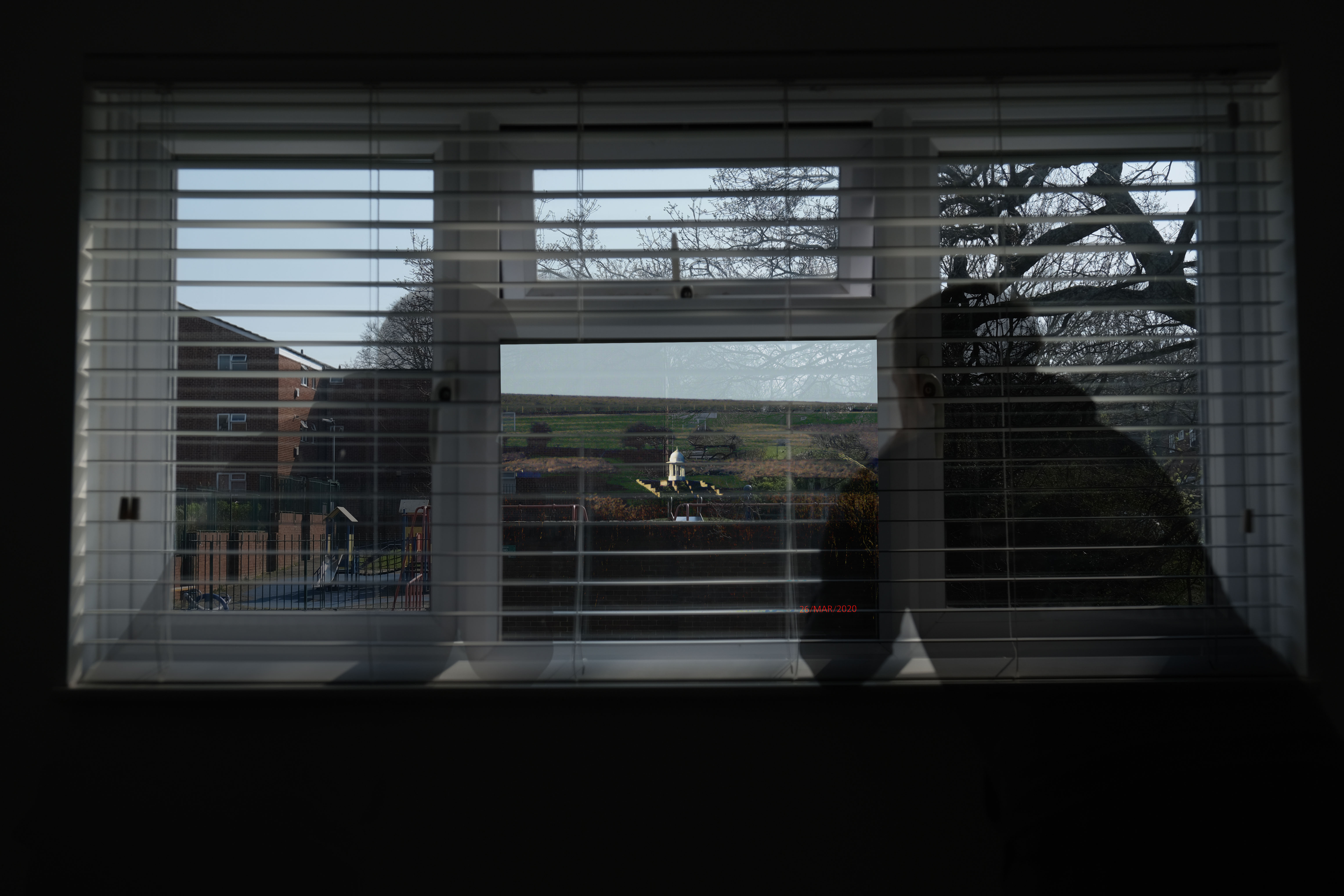
My Dad was the person that got me into photography in the first place and knew he still has a camera and thought about using dad to take an image I wanted. Growing up as a child we had great views over to the South Downs and the fields that surround Brighton, in particular, the view I had from my shared bedroom with my brothers. I would look out to the hills and wonder whos out walking and venture out. The place I could always see was the Chatri a War memorial for the Indian Soldiers from WW1.

This slideshow requires JavaScript.

It gave my Dad something to do and assist me. The idea was for dad to take and image of which I could use. No editing just SOOC image not worrying about the state of the picture just about building the memory.

To build this image was something id thought about for some time, overly this image on an image from my window in Windsor. Using myself in the image with a double exposure trying to portray one view from Windsor and the other from Brighton. Using photoshop to blend both images and reduce the opacity so that the image can be seen.

childhood view 002 Double exposure and use of layers in PS

my childhood view

Bibliography

Wikipedia. (2020, March 29). Chattri, Brighton. Wikipedia. Retrieved March 28, 2020, from https://en.wikipedia.org/wiki/Chattri,_Brighton [assesed 20200328]

20200322-Exercise Putting yourself in the picture

Exercise
Reflect on the pieces of work discussed in this project in your learning log and do some further research of your own.
Here are a few questions you might ask yourself:
• How do these images make you feel?
• Do you think there’s an element of narcissism or self-indulgence in focusing on your own identity in this way?
• What’s the significance of Brotherus’s nakedness?
• Can such images ‘work’ for an outsider without accompanying text?
• Do you think any of these artists are also addressing wider issues beyond the purely personal?
Make some notes in your learning log.

Having looked at some of the images in the course handbook. I find these types of pictures hard to understand what it is I’m looking at and for?

I don’t find images like these have any form of connection when I look at them. Even by reading about the artist and seeing more artworks by them. I just can’t see it. I’m sorry, but I have to find a connection with the photographer. Probably one reason why I don’t like portraiture style of photography.

“I’m showing this series of photographs to give a visibility to those whose treatments lead nowhere. The hopeless story with an unhappy end is the story of the majority. My way of discussing the matter is to give out the pictures, not to give an interview. I’m not sure if I will be able to actually speak about this. I’m still too sad. This is the saddest thing that has happened to me since my mother’s death. Yet, I’m tired of lying and inventing excuses to this or that medication, not drinking, having to cancel trips etc. People these days aren’t ashamed of talking about sex, psychological problems, alcohol and drugs, but for some reason involuntary childlessness is very much a taboo topic….
Elina Brotherus

The above quote from the OCA coursebook. I find quite hard to understand but I know of individuals suffering with PTSD. That I can understand as I know them but there are also individuals I know using it as a way to try and beat the system so that they can benefit from it.

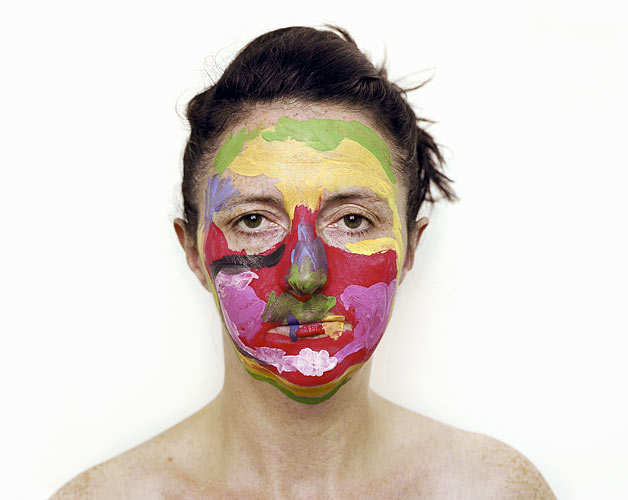
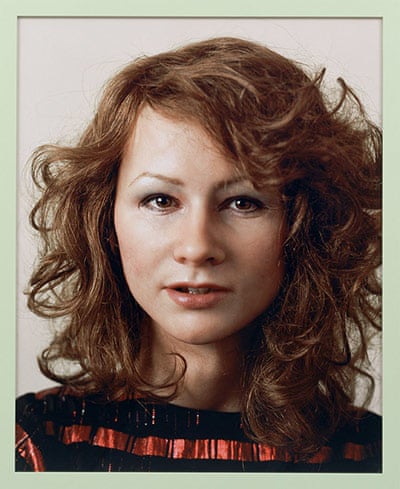
Gillian Wearings images I find quite strange and scary. Who is she and is she hiding from something?

So many individuals hide behind a mask to conceal something, whether this is emotions or something a little deeper with meaning behind it or not.

Gillian Wearing

• How do these images make you feel? I have no feeling towards them, If anything it’s a feeling of unknown.
• Do you think there’s an element of narcissism or self-indulgence in focusing on your own identity in this way? Some may say yes there is but in these images had the beauty shown the face I would say yes. But the face is being hidden in most. So I would say no.
• What’s the significance of Brotherus’s nakedness? Nakedness I believe is a simple way of showing forms of emotions and we enter this world naked and unprotected for a split second.
• Can such images ‘work’ for an outsider without accompanying text? Simple text or not I still do not understand them.
• Do you think any of these artists are also addressing wider issues beyond the purely personal? Probably is the likely answer. Every photographer will try and resolve issues in images nowadays. It’s a modern media form where you have thousands if not millions able to see things. You just have to hope the majority can see what you are trying to portray the narrative is.

Bibliography

https://www.theguardian.com/artanddesign/gallery/2012/mar/27/gillian-wearing-takeover-mask%5Bacessed 080420]