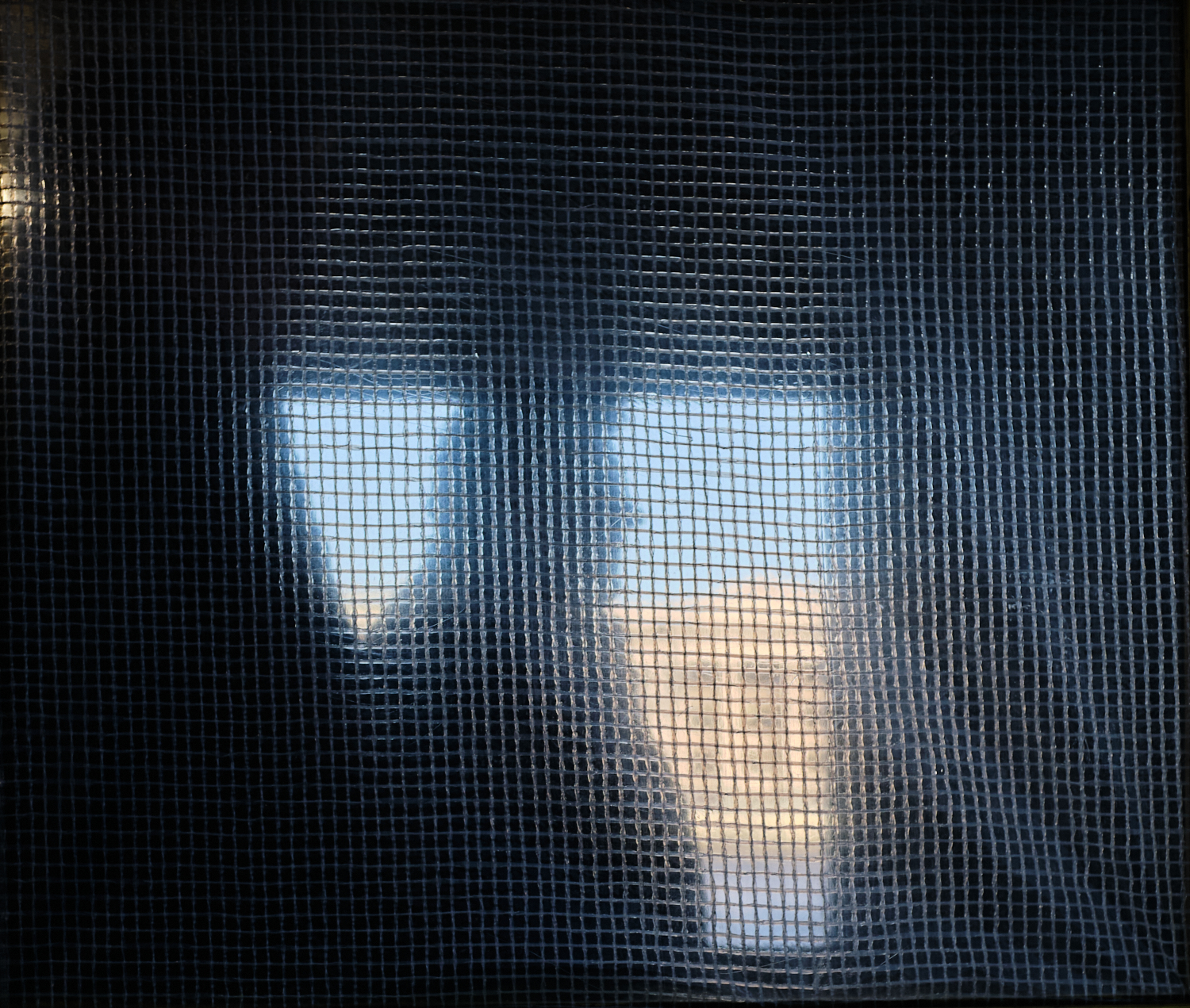
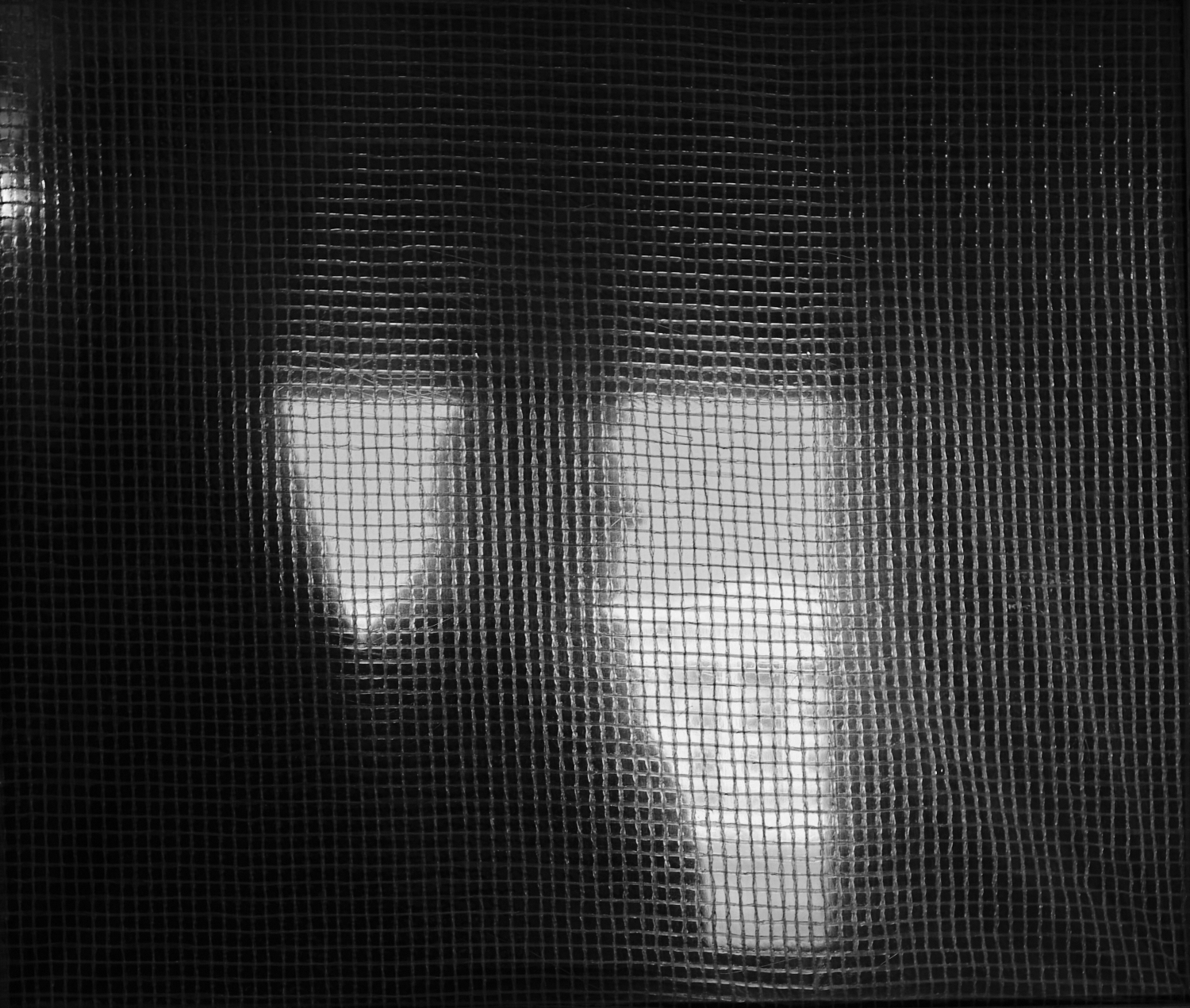
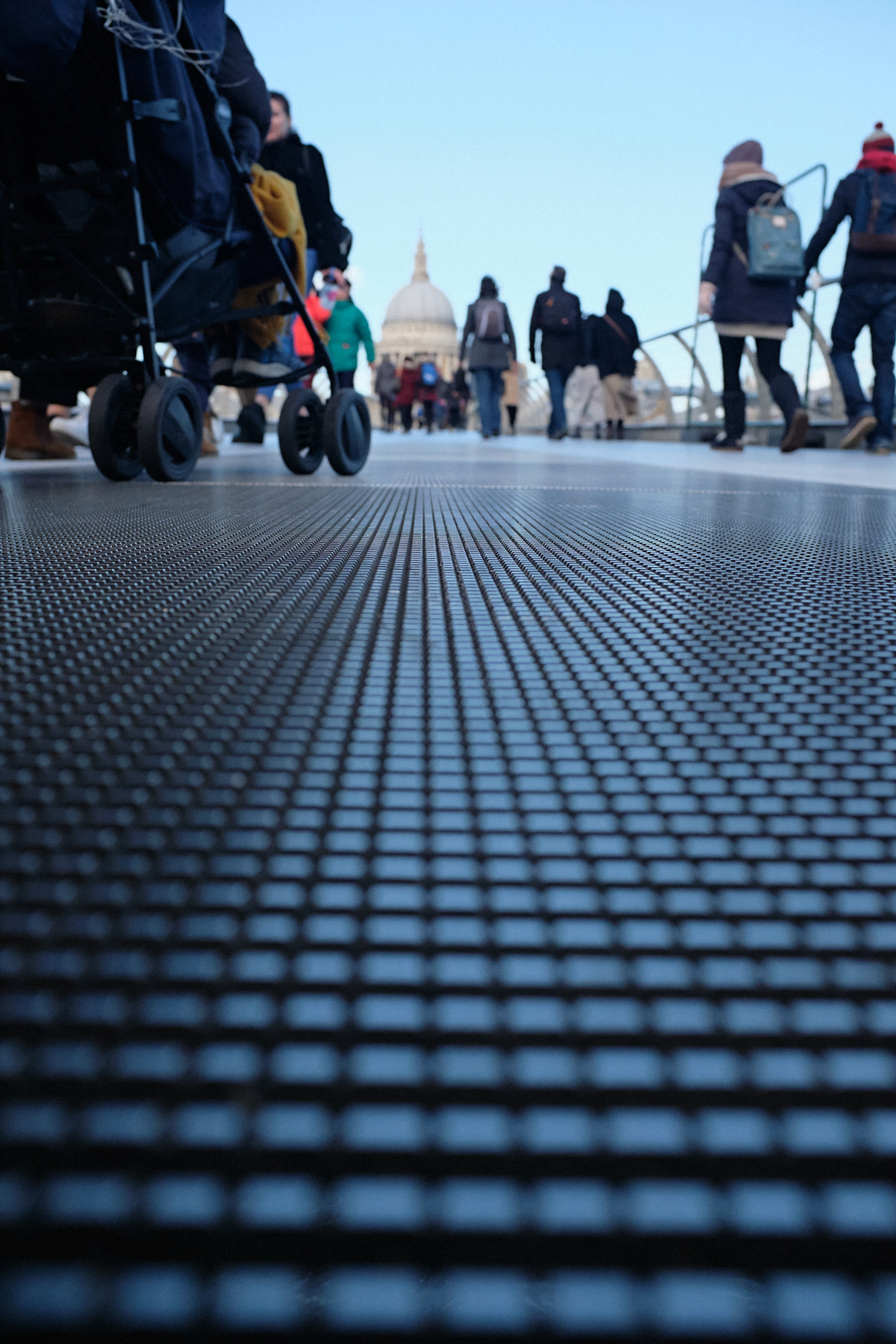
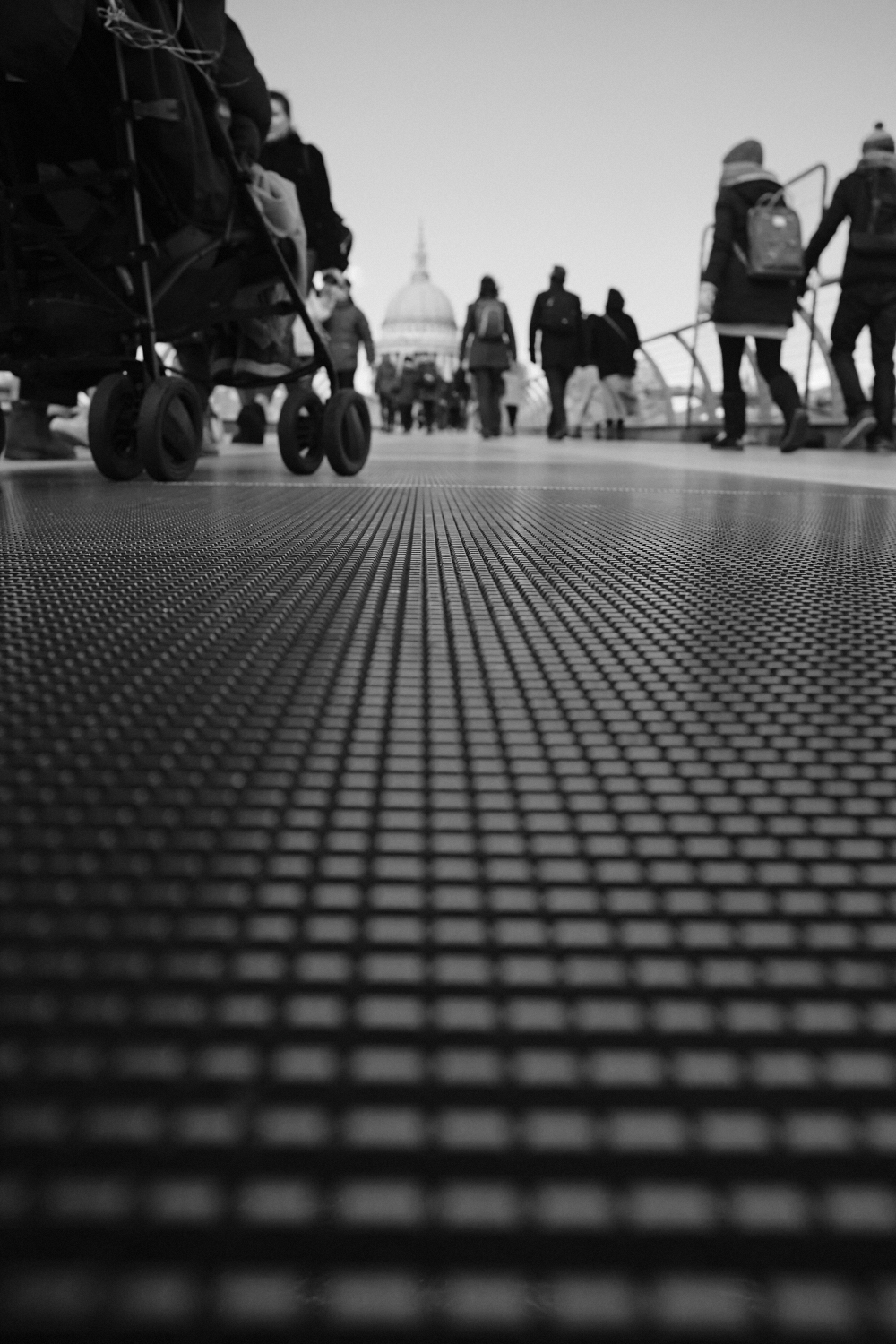
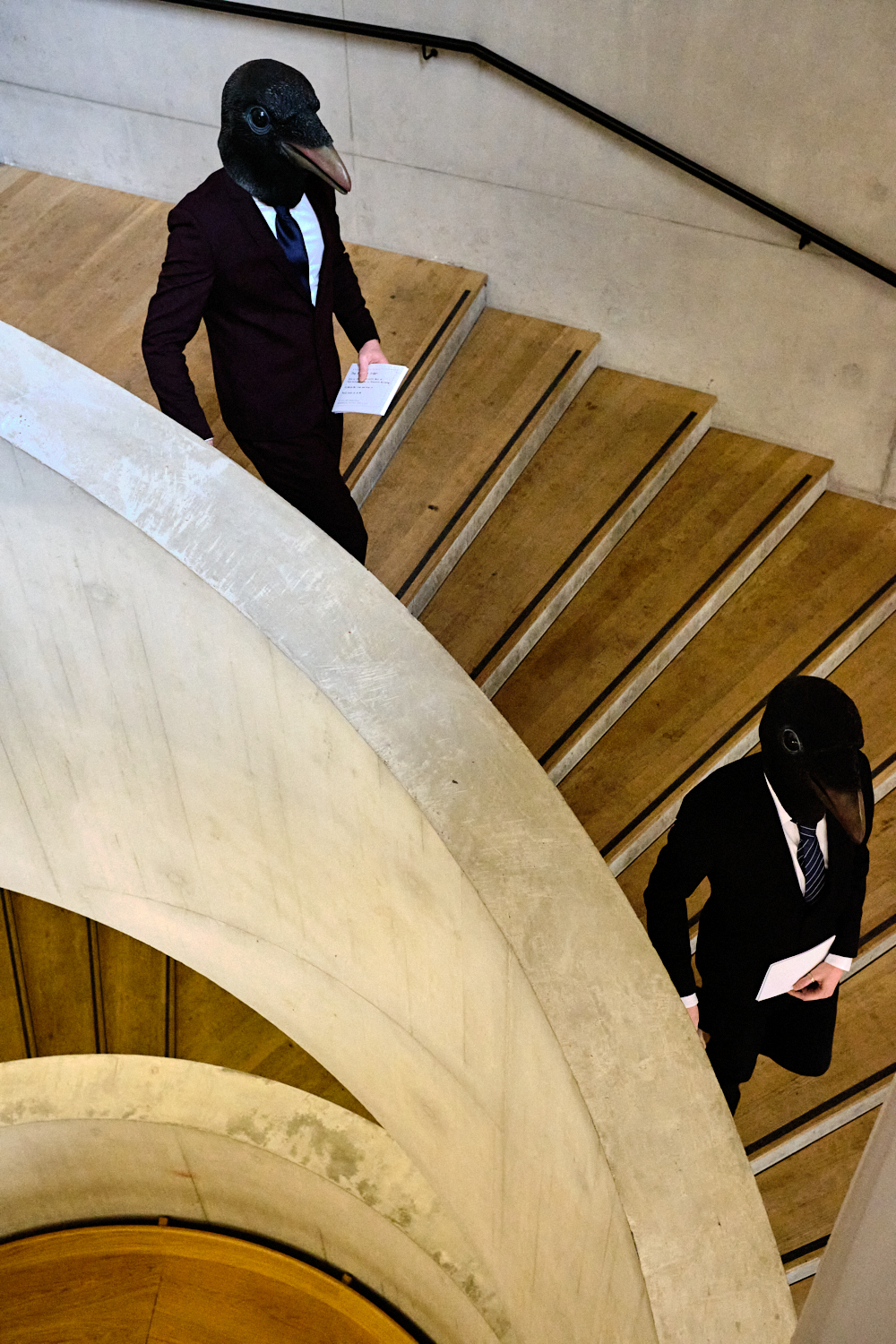
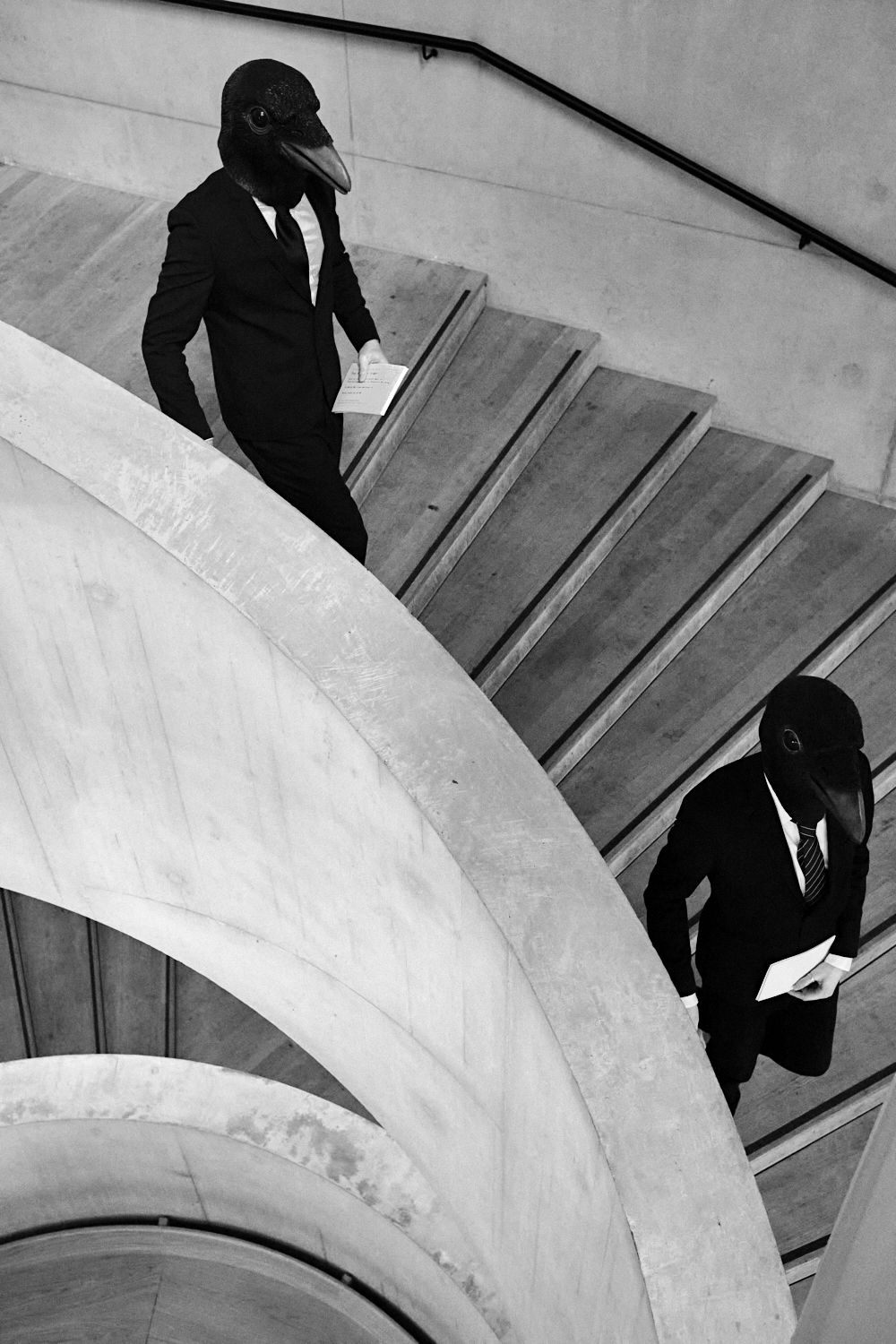
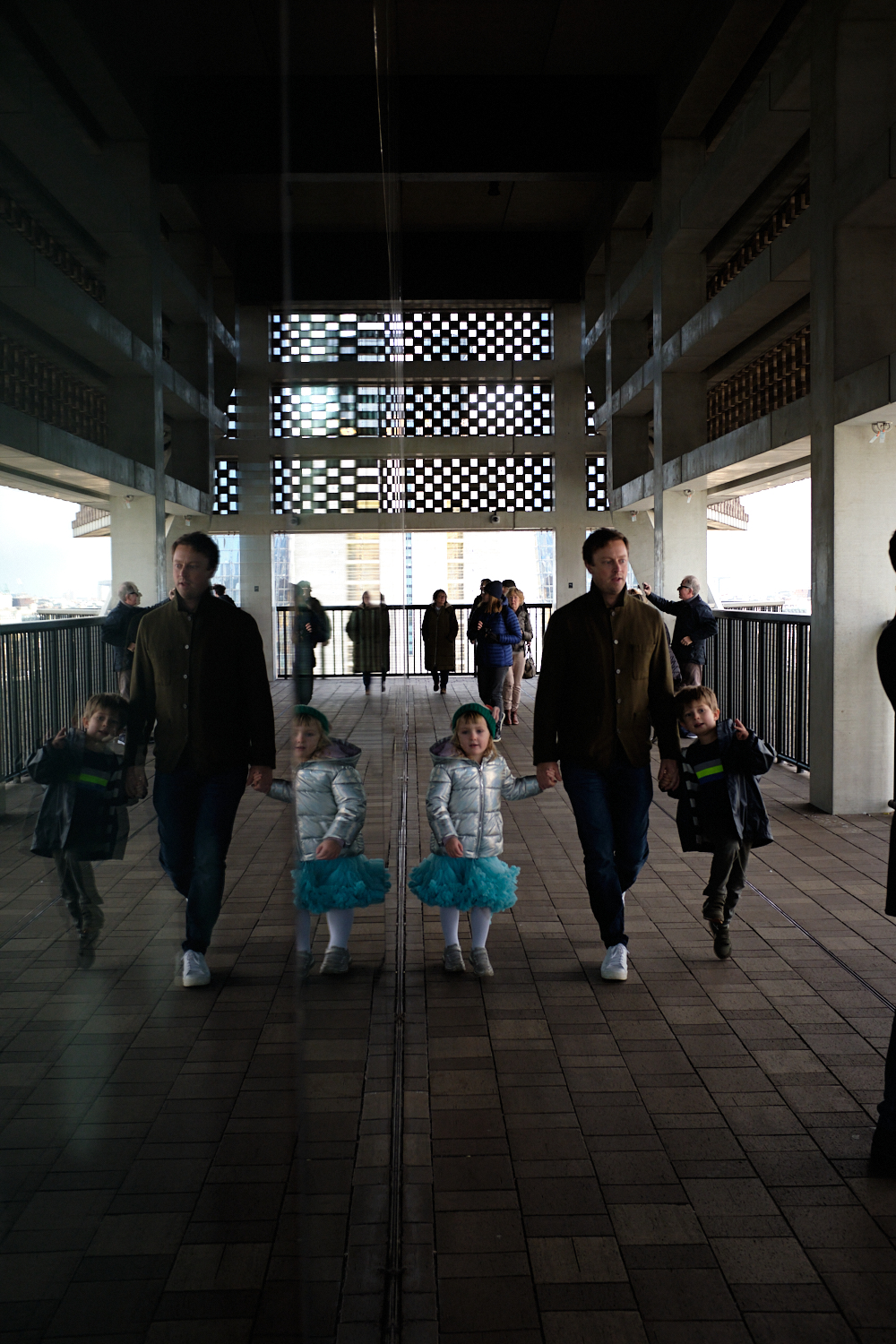
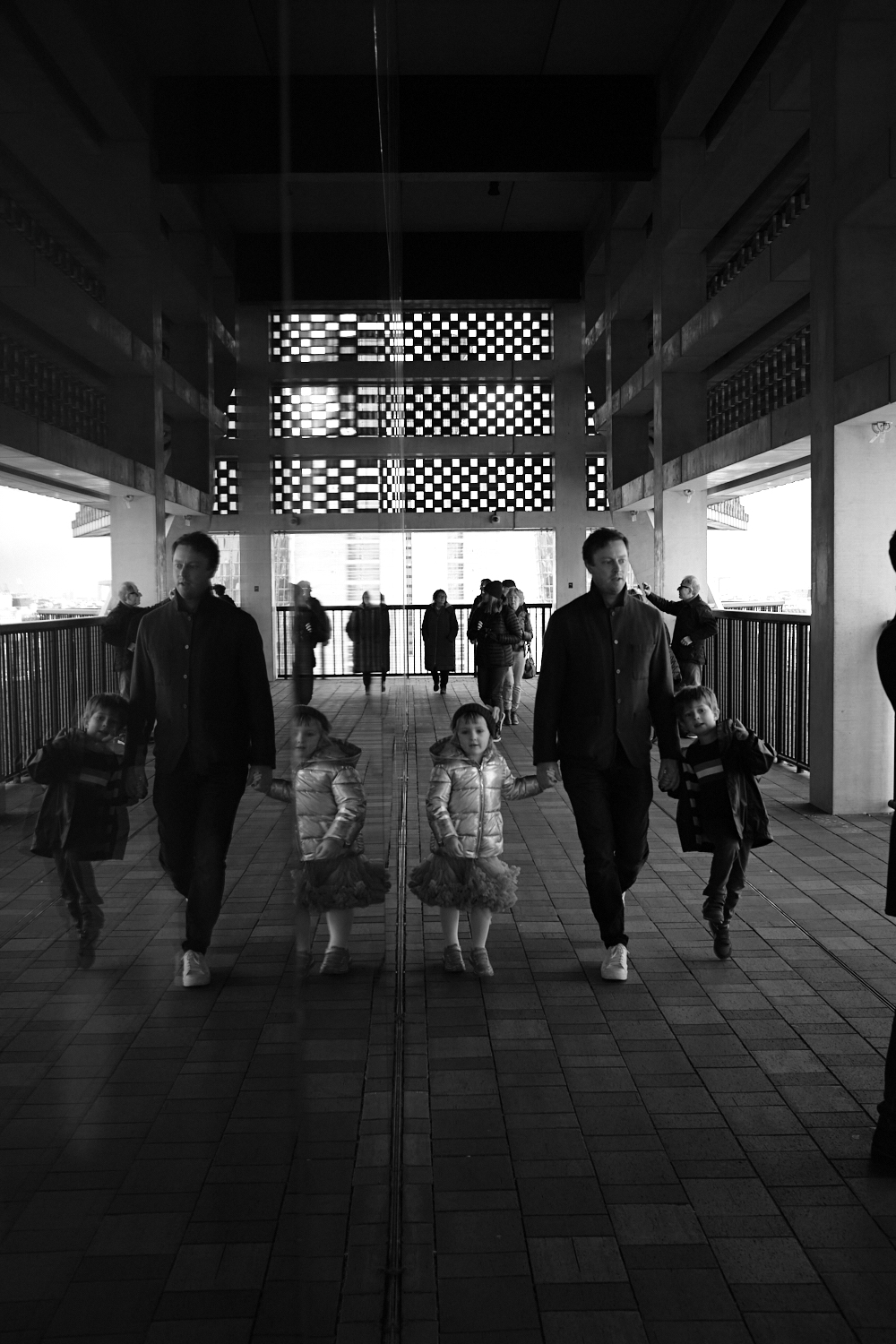
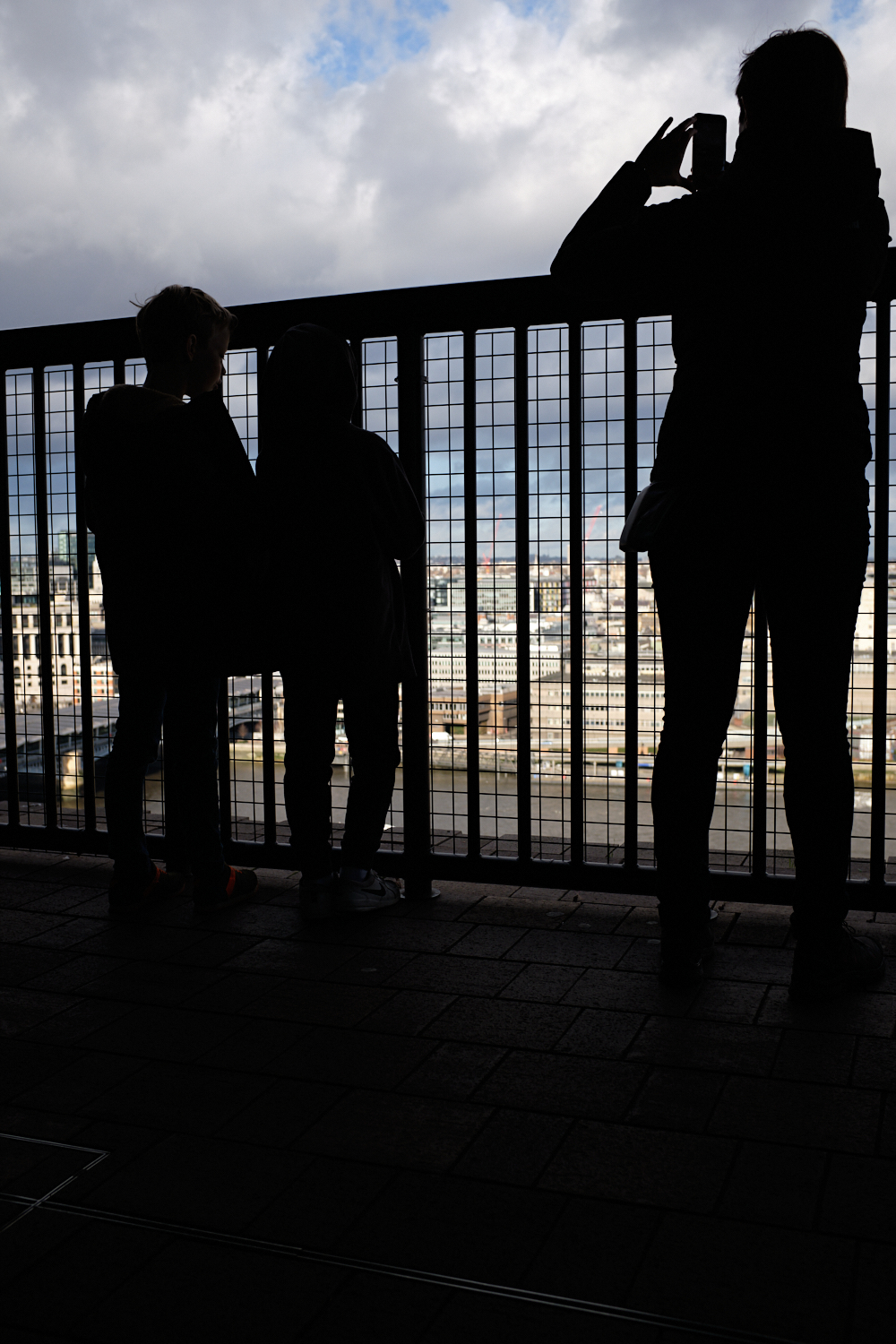
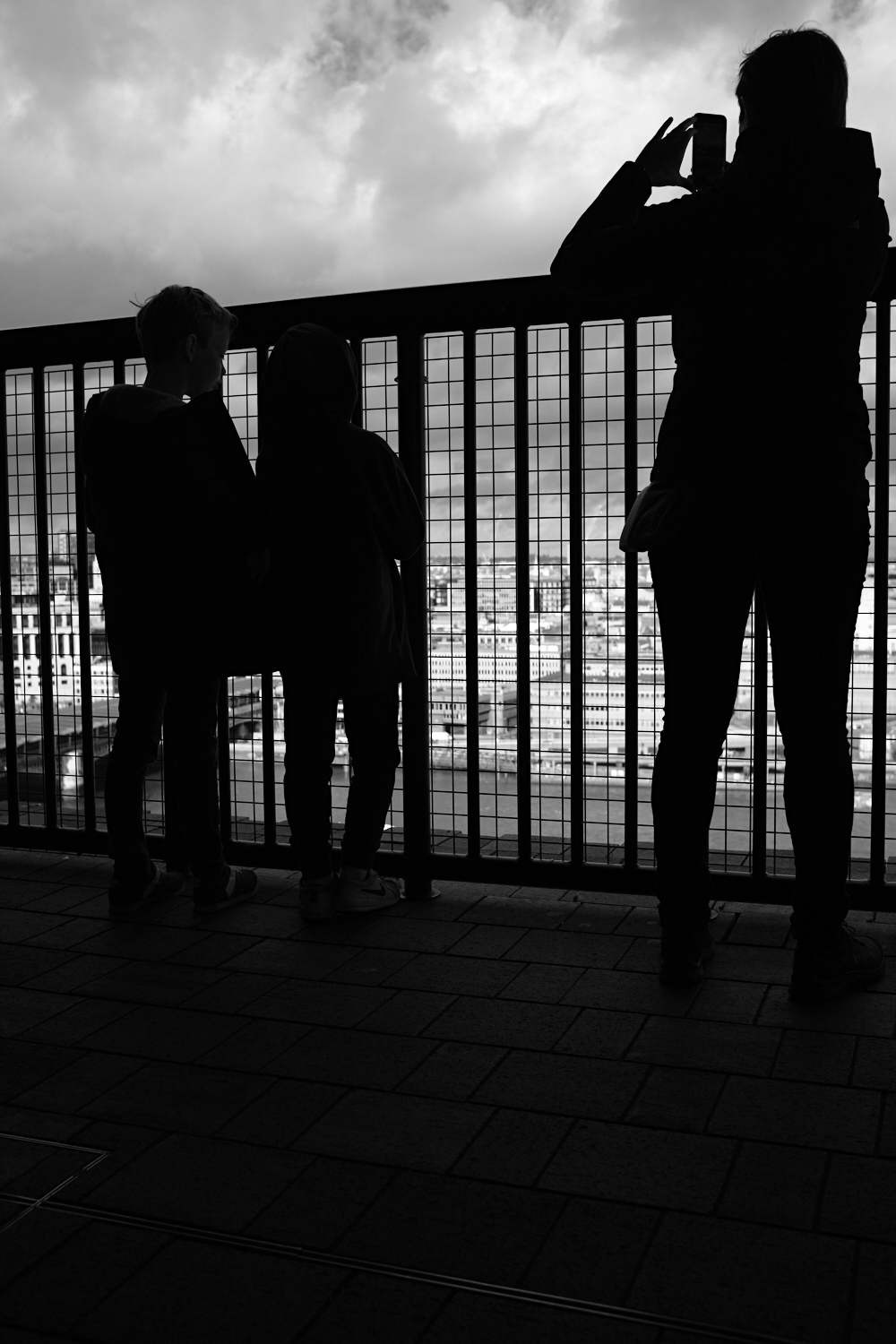
20200115-exercise-The Real and the Digital

Is what we see today an honest image or a manipulated and edited picture to please or sell.

Today it is only two easy to change an image, whether this is in-camera or in the edit. Both ascetically or destructively removing parts of the picture, enhancing the image, changing the image like in project 5.  This is going on all the time, changing the picture to benefit the photographer or the industry they work for. Telling tales of people or hiding the truth. Or finding detail in digital images that may lead to convictions in a court of law. Digital files can hold information that’s not always commonly known. Shadow detail to the metadata within the digital file.

Two sides to every story, even early darkroom edits and the likes of Ansel Adams work in Yosemite Park dodging and burning in the darkroom to how he wanted the final image to be. That’s editing an image but ultimately it’s being changed. It’s not straight out of the camera (SOOC). It’s onto a plate. Add your chemicals and darkroom process and you have a photograph.

Today’s modern smartphone has numerous apps and gadget where photos can be manipulated, edited processed on the move. Add comical faces, music or even tag individuals into the picture with the apps like Instagram and Snapchat.

I’m with the modern-day digital age when it comes to social media apps etc. My Fujifilm cameras can wifi my selected JPEGs straight to my smartphone, where I can edit and post within minutes of taking the picture.

What actually is a truthful picture today. I’m not sure there is?

Things I tend to look for prior to taking an image are:

  • Lines
  • Light
  • Shadows
  • Subject
20200115-Sarah Pickering’s Public order

Road-Block-River-Way_F_2200px
Fig 1 Sarah Pickerings Public order gallery River Way (Roadblock), 2004
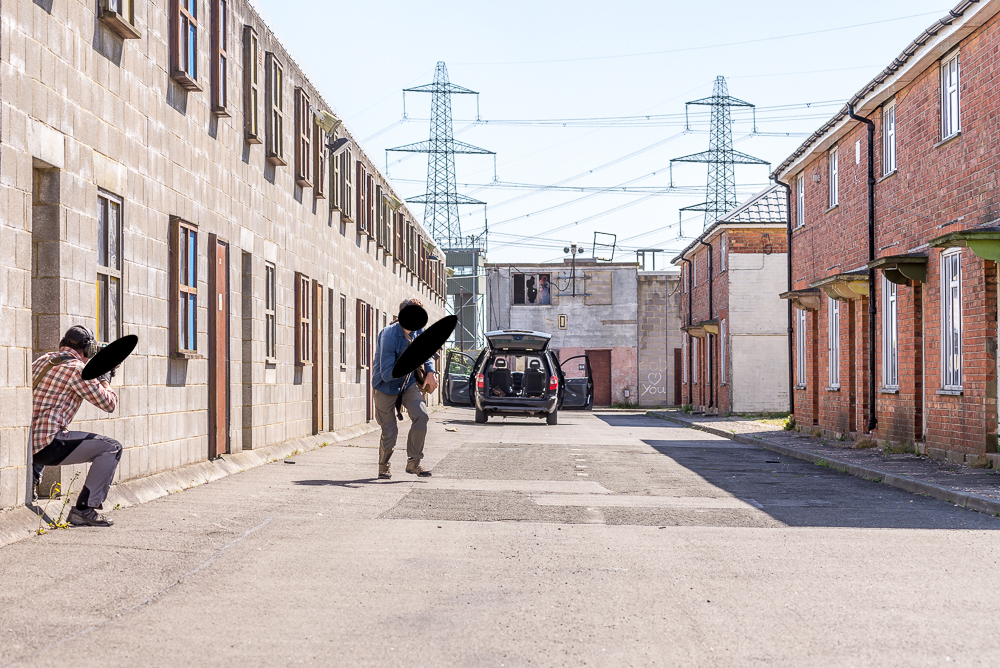
20200115-village
The long road
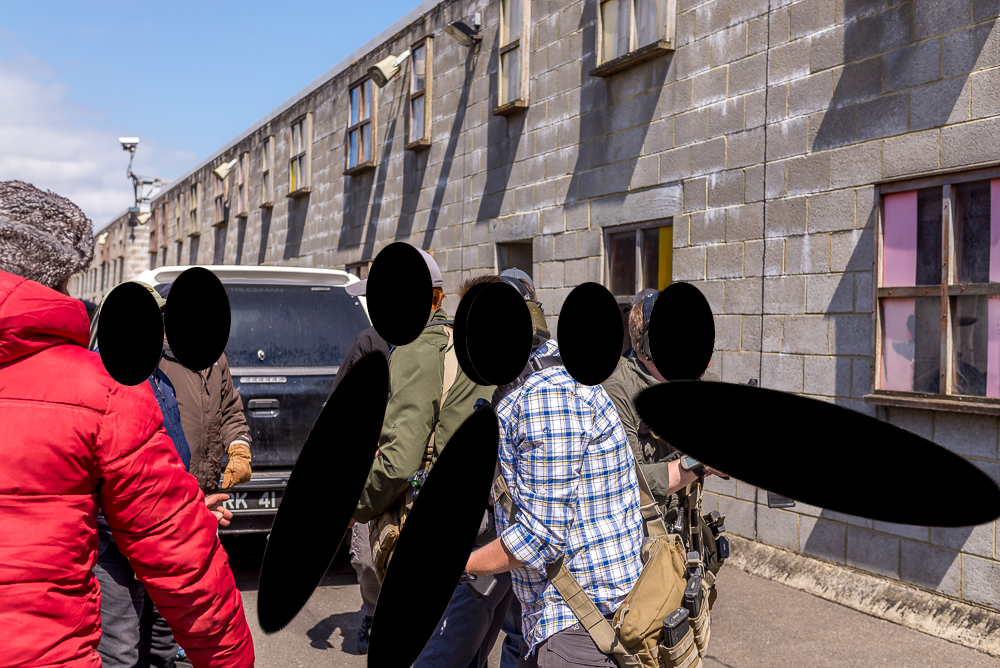
20200115-PB Order
Caught in the middle

At times I find I’ve been privileged to be able to work in some unusual areas throughout the years. The two images above have for me the other side of the coin Sarah mentioned within her project. These show the action within a desolate village location where hers show the emptiness within them. Having been through and worked in places like her images I can fall well understand what it is she is capturing. It’s interesting to see the emptiness however to feel the anticipation of what is around the corner waiting for them!

  • How do they make me feel?
    • I kind of like them, as I’ve mentioned above its the anticipation of what waiting around the corner effect.
  • Is Public Order an effective use of documentary or is it misleading?
    • Had I not known what these images where about it may sway me to say yes, but it’s having an understanding of what is captured within the images, roadblocks empty streets, key locations (jobcentre, night club) areas of tension, old tyres and objects that have been thrown. The images that may confuse people are they facades of houses/buildings and empty rooms etc unless you know what they are.

      Bibliography

      (n.d.). Sarah Pickering Public Order. Retrieved January 15, 2020a, from https://vimeo.com/11931505 [assesed 20200115]
      (n.d.). Public Order – Sarah Pickering. Retrieved January 15, 2020b, from https://www.sarahpickering.co.uk/works/public-order/


20200111-Project 2-Photojournalism

Susan Sontag

  • Do think images of war are necessary to provoke change?

Personally, my view on this may be slightly one-sided due to my profession. When you’ve witnessed first hand what war/conflict or whatever word you choose to describe it. It’s horrendous. No words can describe things I’ve seen, friends I’ve lost and injuries sustained both physically and mentally. So to say pictures provoke change, in today’s world I believe they have and will do. Public support has been key over the last decade.

Both press and military media photographers have been able to show so many sides of conflict/war. Good the bad and at times ugly sides. It’s a business whether people agree with what I say. Wars create work and money by employing people to support be that locally employed civilians to military procurement companies. Images taken portray life on the frontline at time harsh but at times it shows life isn’t that bad and soldiers can be enjoying what it is they are doing. Creating a safer place for people to live and work.

  • Do you agree with Sontag earlier view that horrific images of war numb viewers’ responses?

I sort of agreeing and disagree with this one. Looking back through the history of war images that are horrific there’s a side that does numb the viewer as over the times it can be viewed as normal. This is only until something changes. Be it the trench warfare and shell shock. To individuals being in contact with mustard gas.

Vietnam and children running away with horrendous burns caused by napalm, or worse still the use of agent orange.

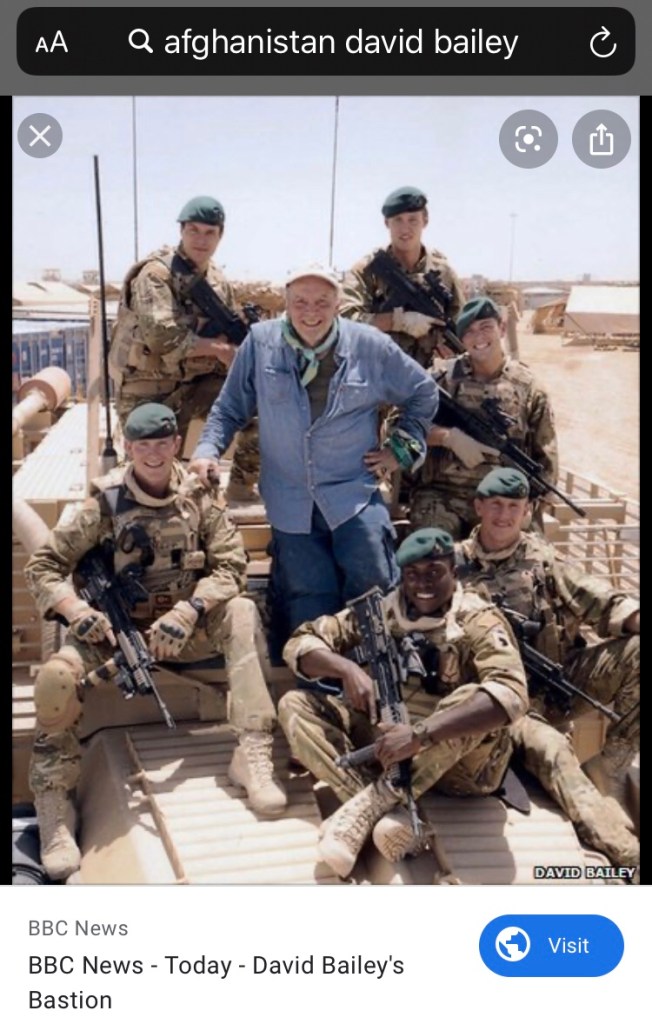
Screenshot David Bailey Afghanistan BBC circa 2010

What I believe changes individuals view is when the image is of a young soldier or child. I recall David Bailey’s portraits from troops in Afghanistan he took. Some left as boys and returned as men aged by conflict and war. These images I believe change peoples perspectives I don’t believe it’s numbing. They provide the viewer now with a connection to emotions soldiers feel I believe.

I thought id like to add to this part from a personal perspective. Images from conflict are at the time the ones you see in the papers. Soldiers have been capturing life on the frontline for decades. Please see a small selection of what I have taken over the years from circa 2007 – 2010. The good times and the bad.

This slideshow requires JavaScript.


Bibliography

Bailey, D., Interview, A., & 07.10.10, I. (2010, October 8). David Bailey – Afghanistan Interview 07.10.10. YouTube. Retrieved January 11, 2020, from https://youtu.be/kAW3303Xl2Y

(n.d.). BBC News – Today – David Bailey’s Bastion. Retrieved January 11, 2020, from http://news.bbc.co.uk/today/hi/today/newsid_9066000/9066434.stm

20191231-Research St Photography genre

  • What difference does colour make to a genre that traditionally was predominantly black and white?

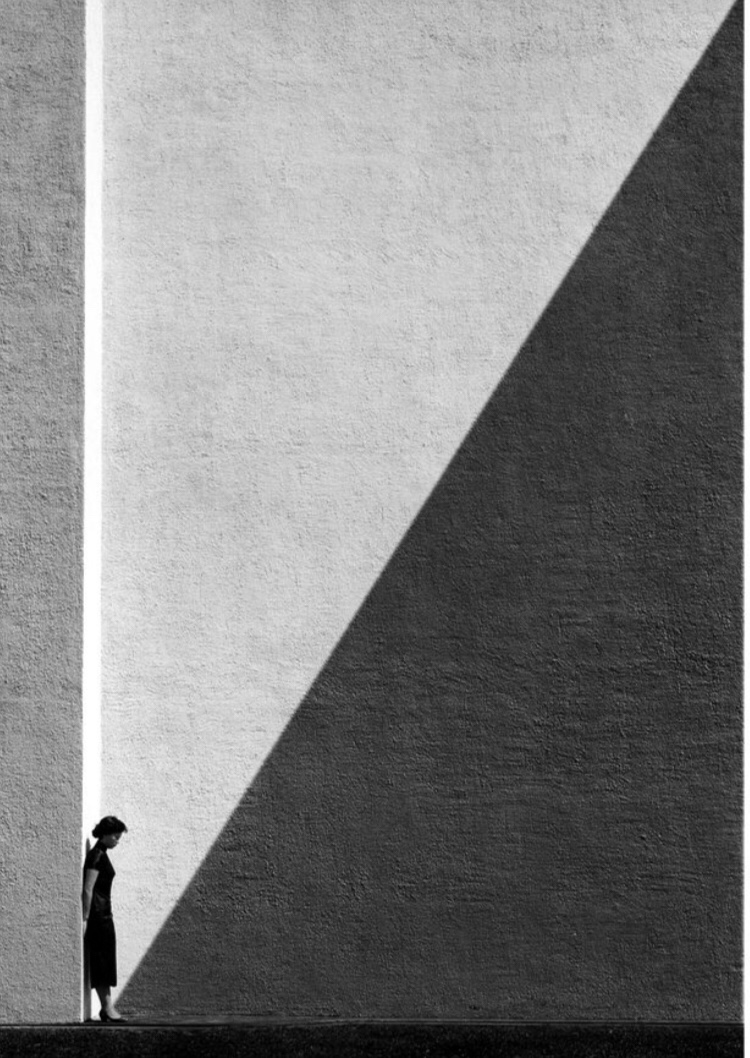
Fan Ho approaching shadow circa 1954

  • Fan Ho approaching shadow picture was originally a colour staged picture. By manipulating it in the darkroom adding the strong diagonal shadow and in black and white works better than colour. This would not have the same desired effect had it been in colour.
  • B&W for me give the image a kind of lift and feeling to it. Although some may say it is dull and lacks drama, I tend to think it adds to the drama.
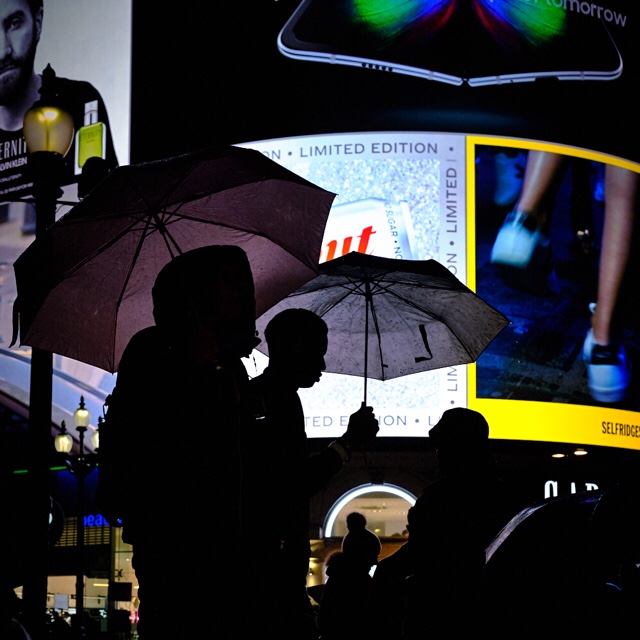
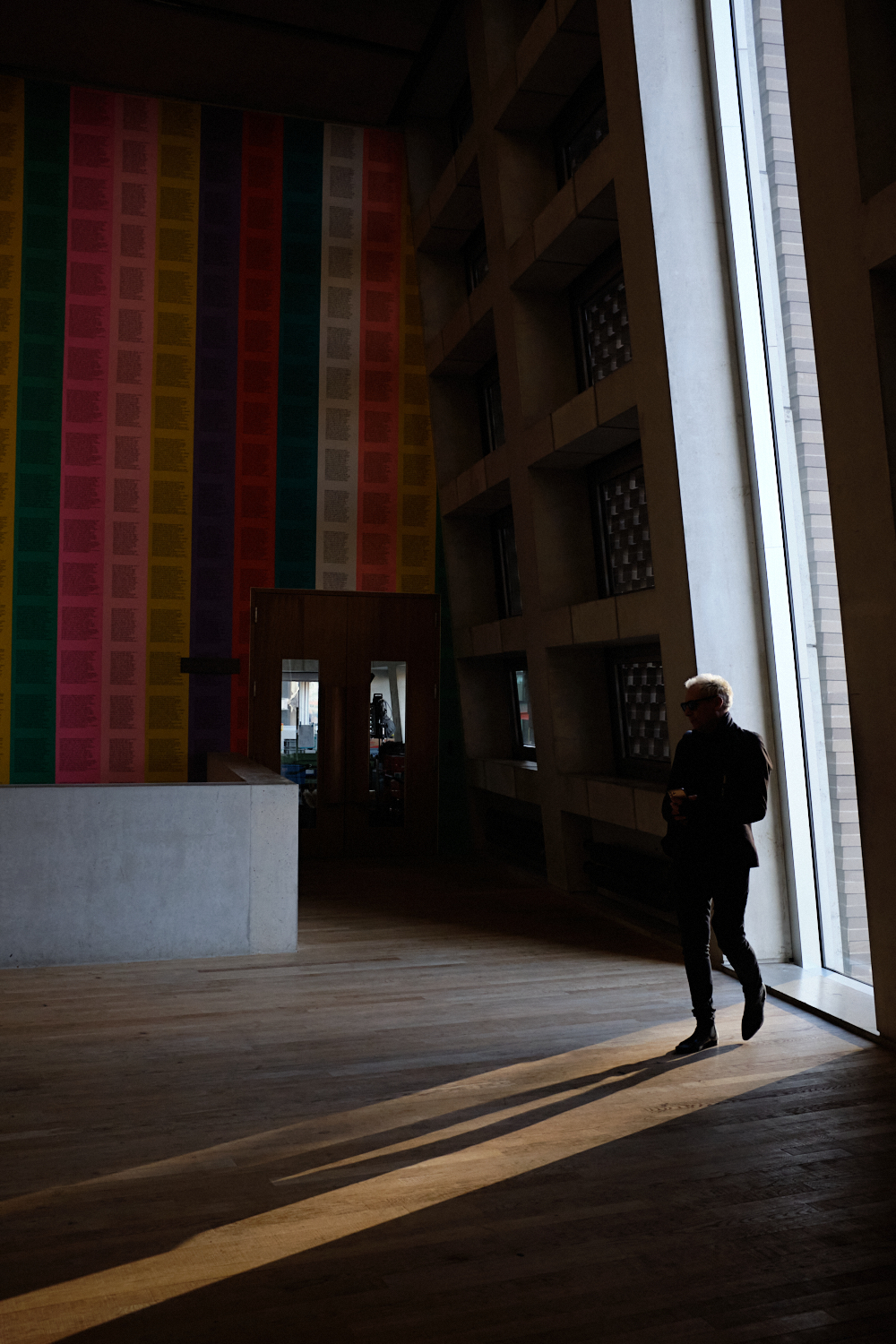
  • Colour has a part to play in modern-day photography but to be honest with you I’m not a huge fan in street photography unless I’m shooting in the dark hours or areas of neon lights, where i will still try to get a dark contrasty shadow or silhouette within my frame. Colour seems to make the subject pop more.
    • image
      Picadilly Circus 15 Nov 19 
  • When you compare the likes of Martin Parrs images in his Only human exhibition he placed on last year. I visited this during my EYV learning journey. His colourful images pop and make the subject stand out, whether he’s isolating one single colour or multiple colours to enhance a subject there is something i enjoy with his pictures.
“In black and white you suggest, in colour you state,” – Paul Outerbridge Page 55

“When you photograph peolpe in colour, you photograph their clothes. But when you photograph peolpe in black and white, you photograph their souls!” – Ted Grant page 57

  • Can you spot the shift away from the influence of surrealism (as in Cartier-Bresson’s work)? In today’s world, I find it quite hard to find if there is or has been a shift.
  • How is irony used to comment on British-ness or American values?
    • The irony within the images at the time i believe speaks for itself. From the quintessential Englishness of Martin Parrs pictures to harsh realities of Don McCullins images of the UK going through the ages. Looking to the US and the images from the Robert Franks Americans shows how irony can be both subtle and frank. If you look at today’s images from Brexit to who running for the Presidential elections and Donald Trump’s tweets and his media team. They add and thrive in the irony of his at times staged images i believe. 

Biograpghy

Duckett, B. L. (2016). Mastering Street Photography (pp. 55, 57).

Prodger, P. (2019). Only Human. Phaidon Press.

(n.d.). Donald J. Trump For President. Retrieved January 3, 2020, from https://www.donaldjtrump.com

20200111-MARTIN PARR

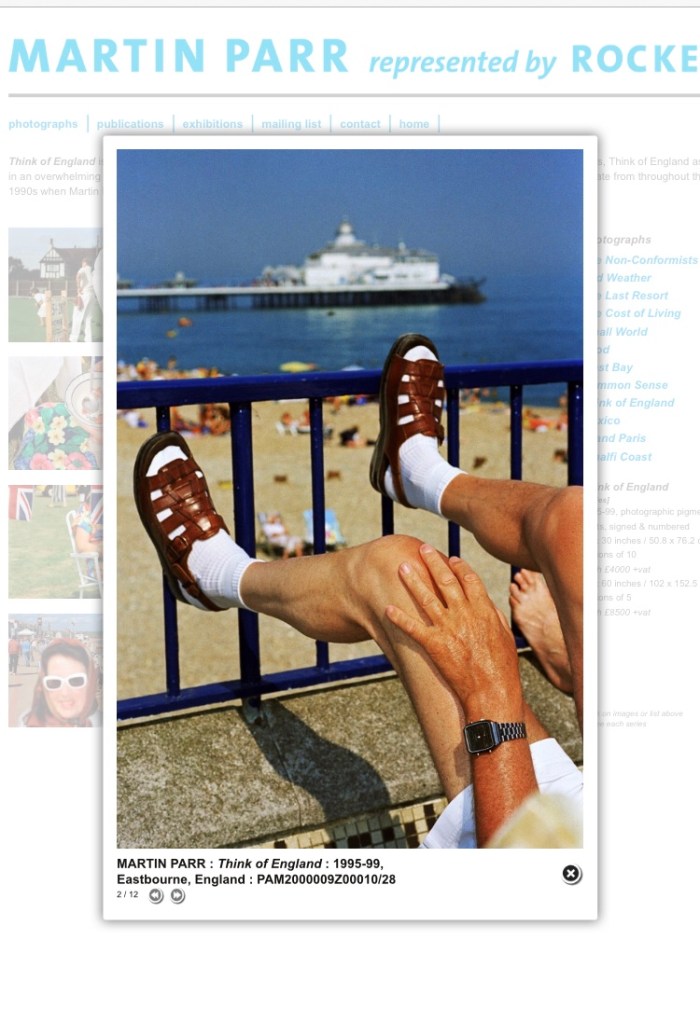
During my EYV journey, I wrote about Martin Parrs ”Only Human” London exhibition he put on. Going through this part of the journey and mentions the term Irony I thought about some of his classic quintessential British images he captured.

I later found this BBC4 documentary he produced circa 1999 ”Think of England”. Now we venture into a new decade as this film was built the year before the start of the new millennium it’s strange in a way to look back to that time. It has quite a humorous feel to it. It captures the classic side of those hardcore elements of society from the rich to the poor and those that have strong ties to the country. This is England.

Screenshot from Martin Parr Think of England http://www.martinparr.co.uk/think.htm

Although it’s only 20 years, you can see a shift now in society, but I don’t think this is shown in today’s photography. Martin Parr has an eye for capturing both the realism and moment within his pictures. Although his photographs are not what I would take, they are intriguing and visually stunning when looking beyond the lens. A picture does paint a thousand words.

Biography

https://youtu.be/lAgUpTxoR3Q [assessed 110120]

http://www.martinparr.co.uk/think.htm

20191231-Project 3 Reportage-Ex 30 Col 30 BnW
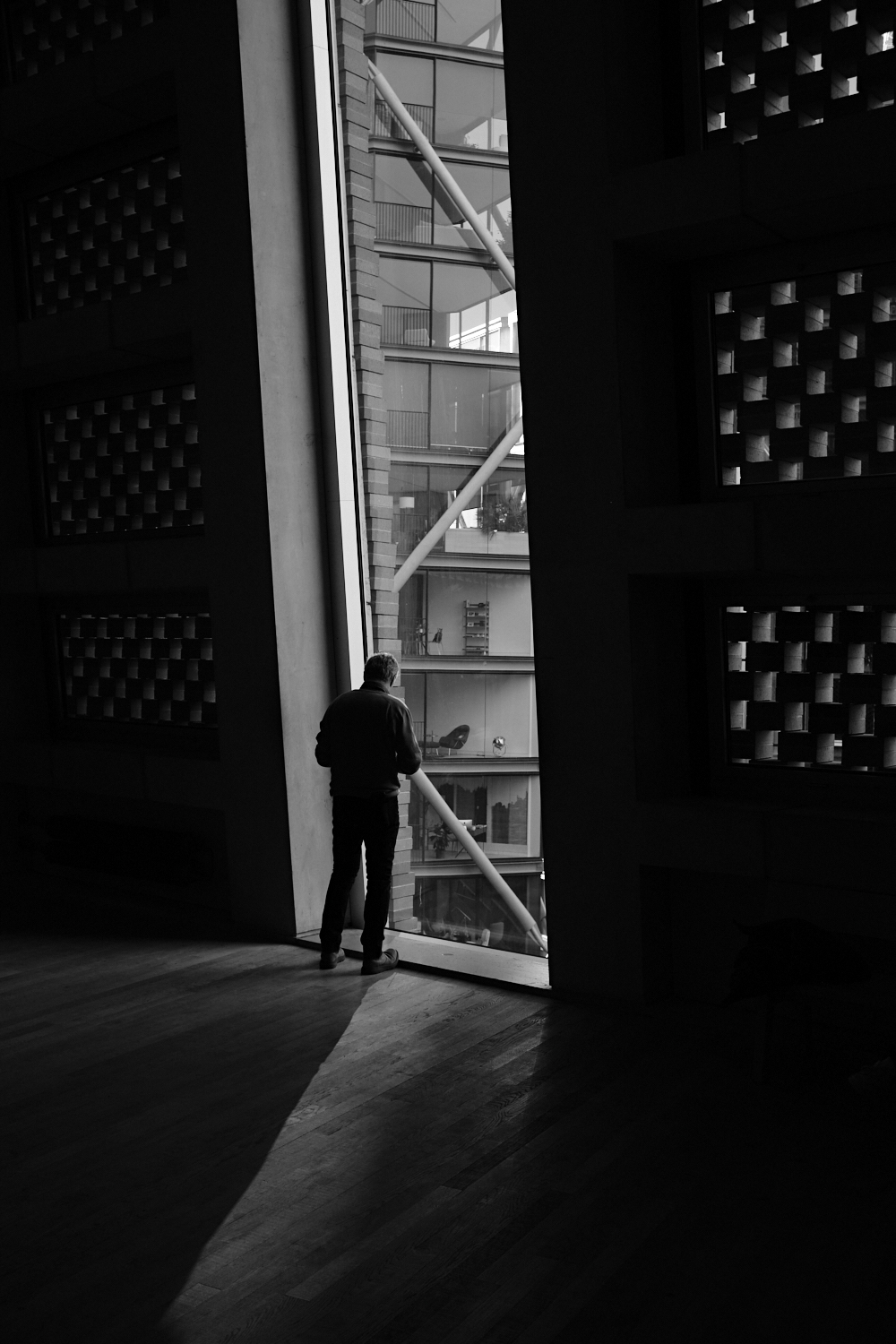
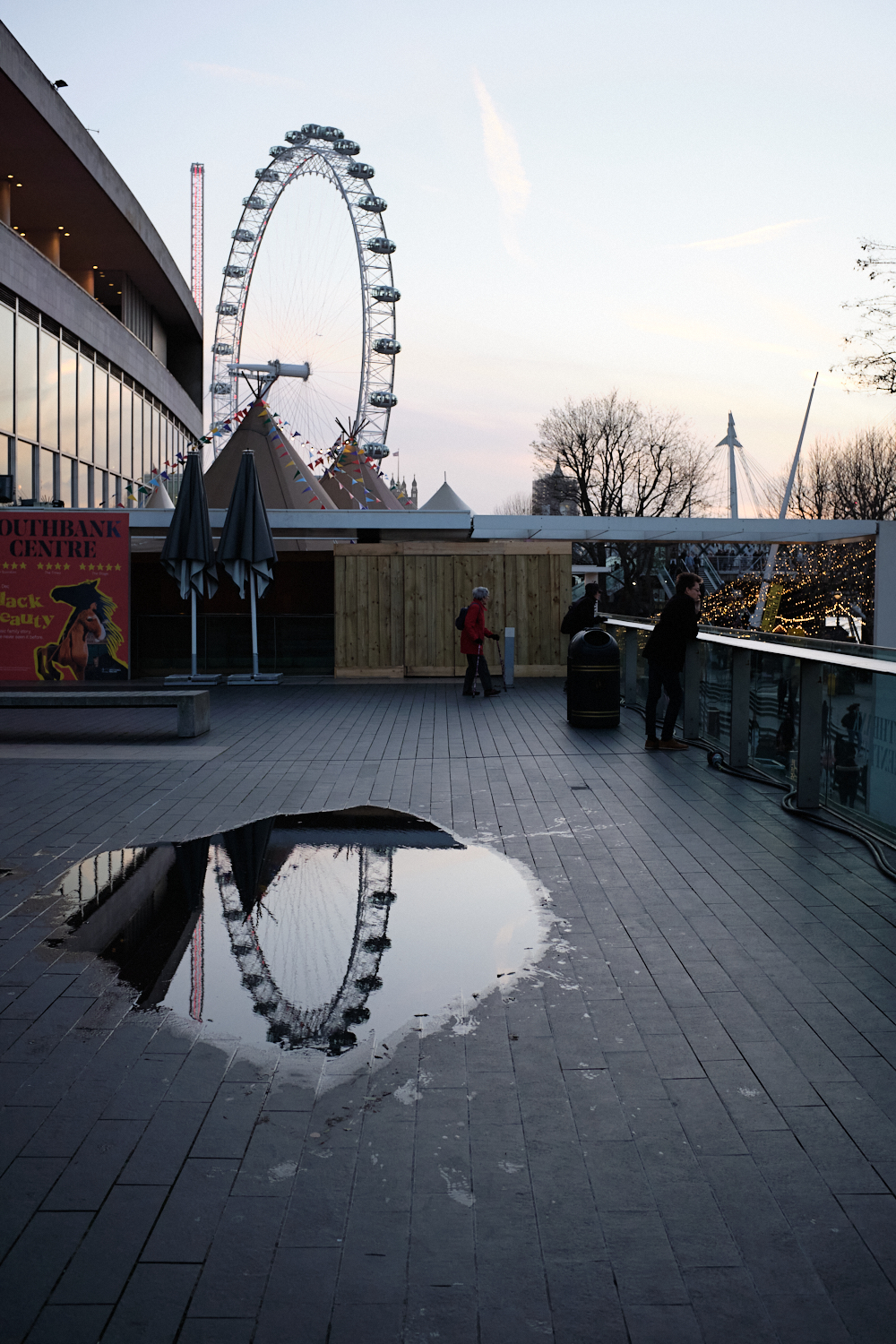
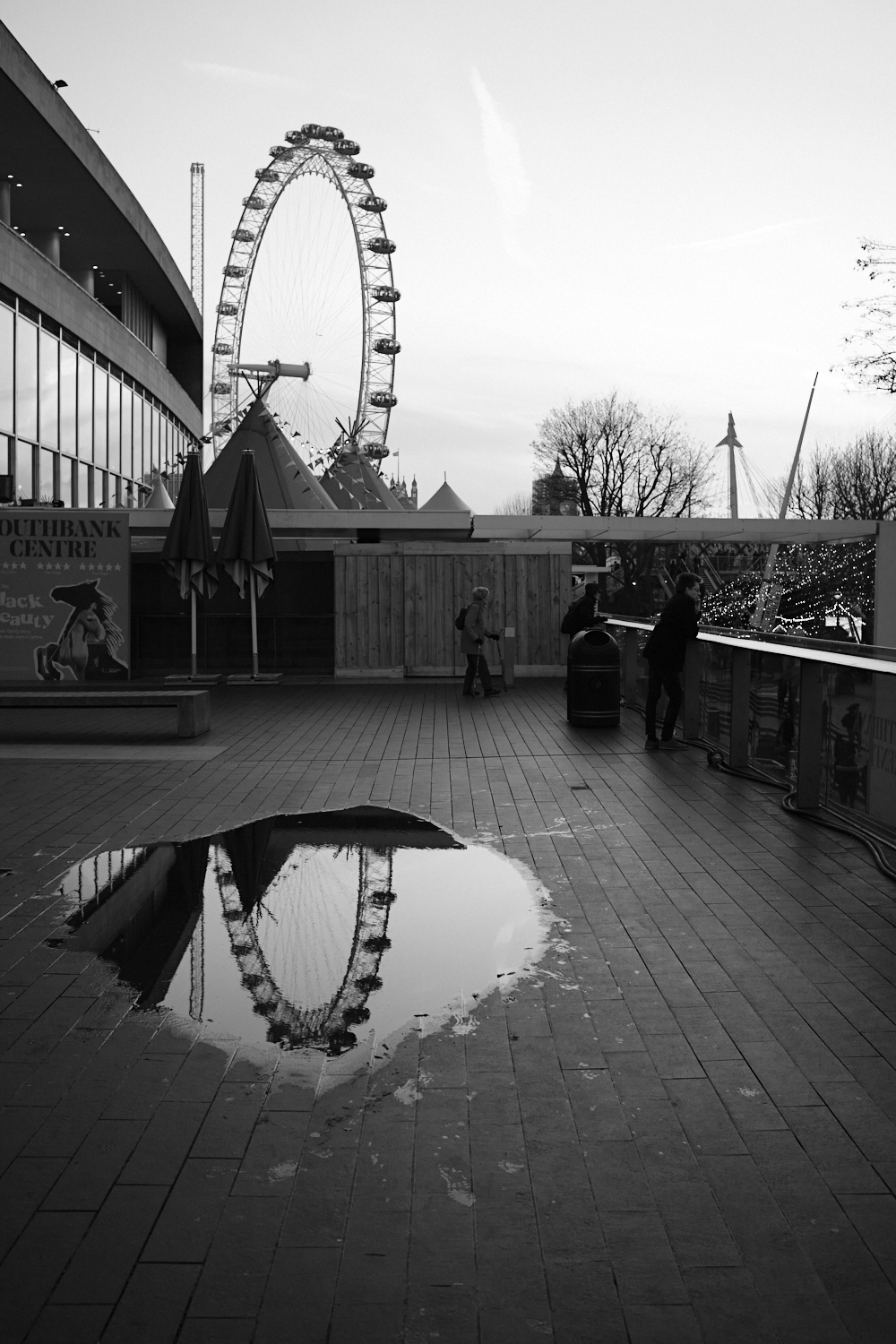
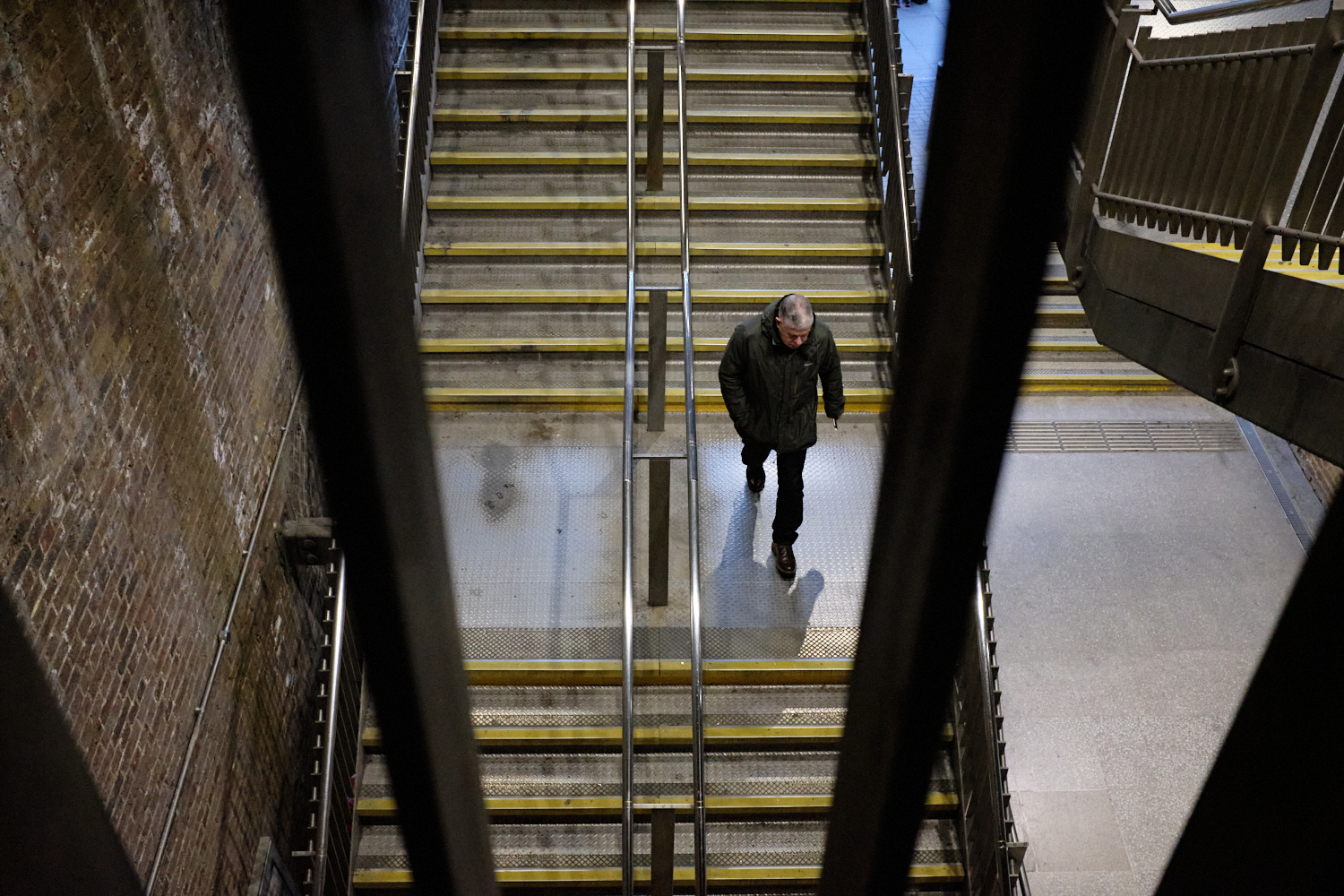
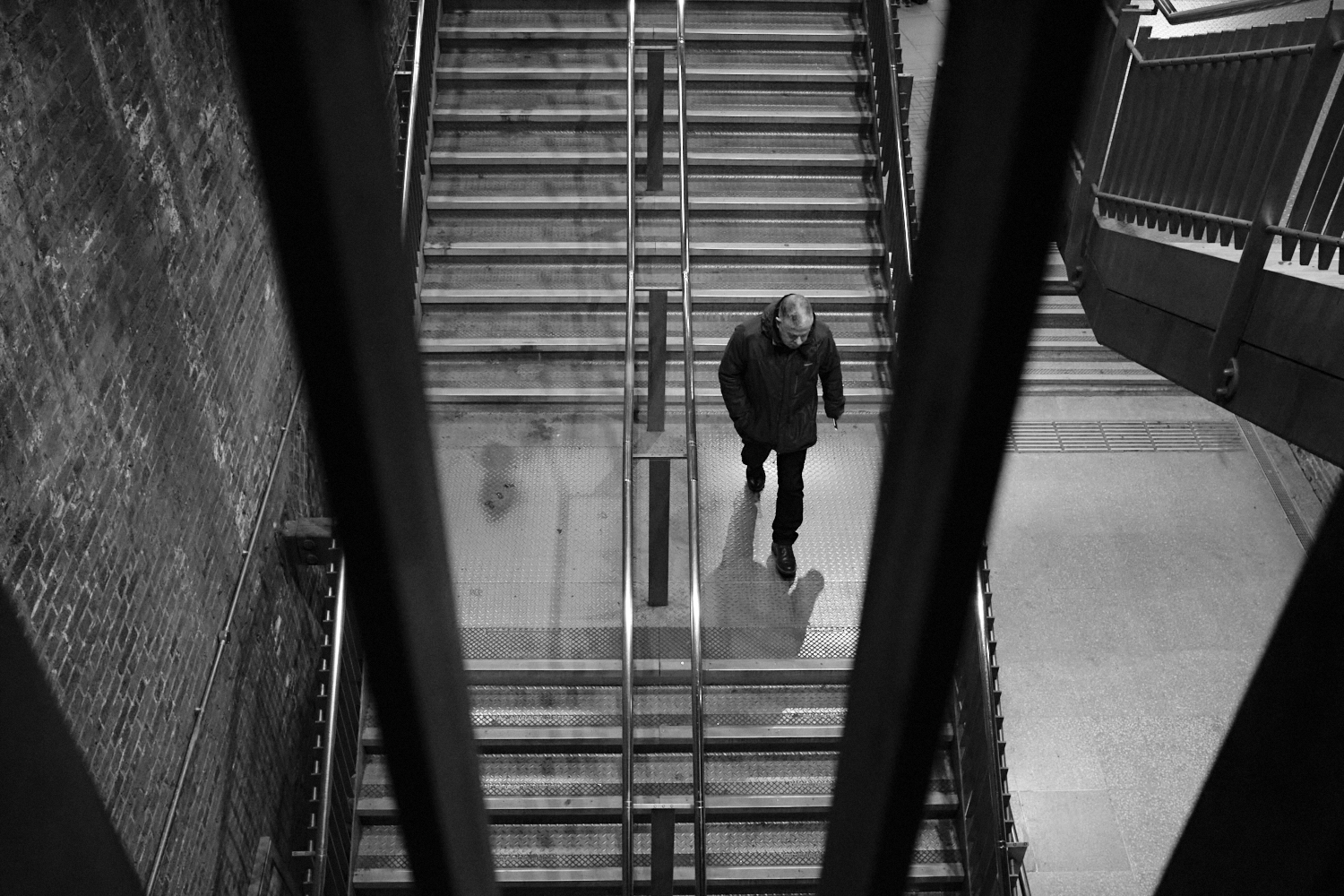
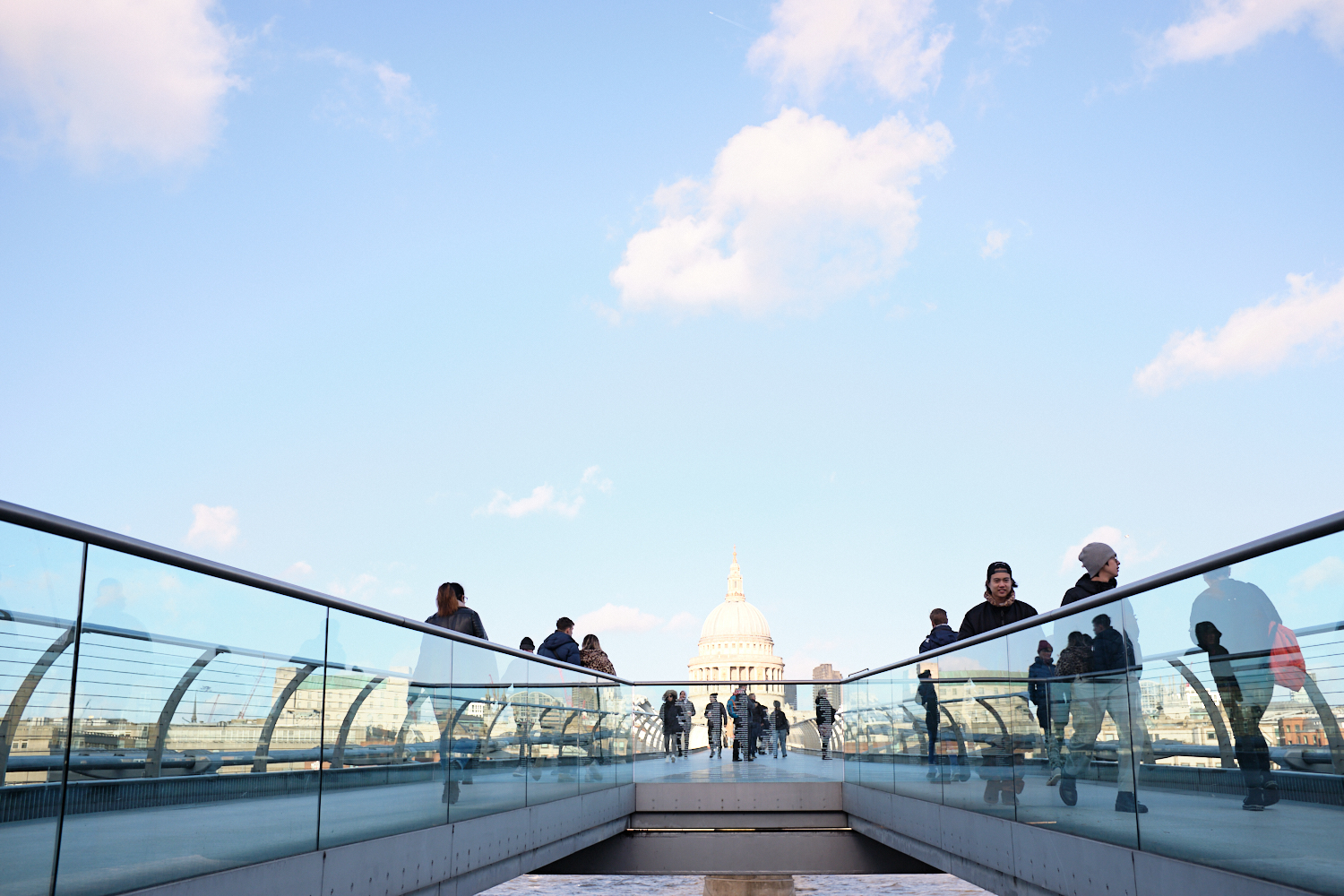
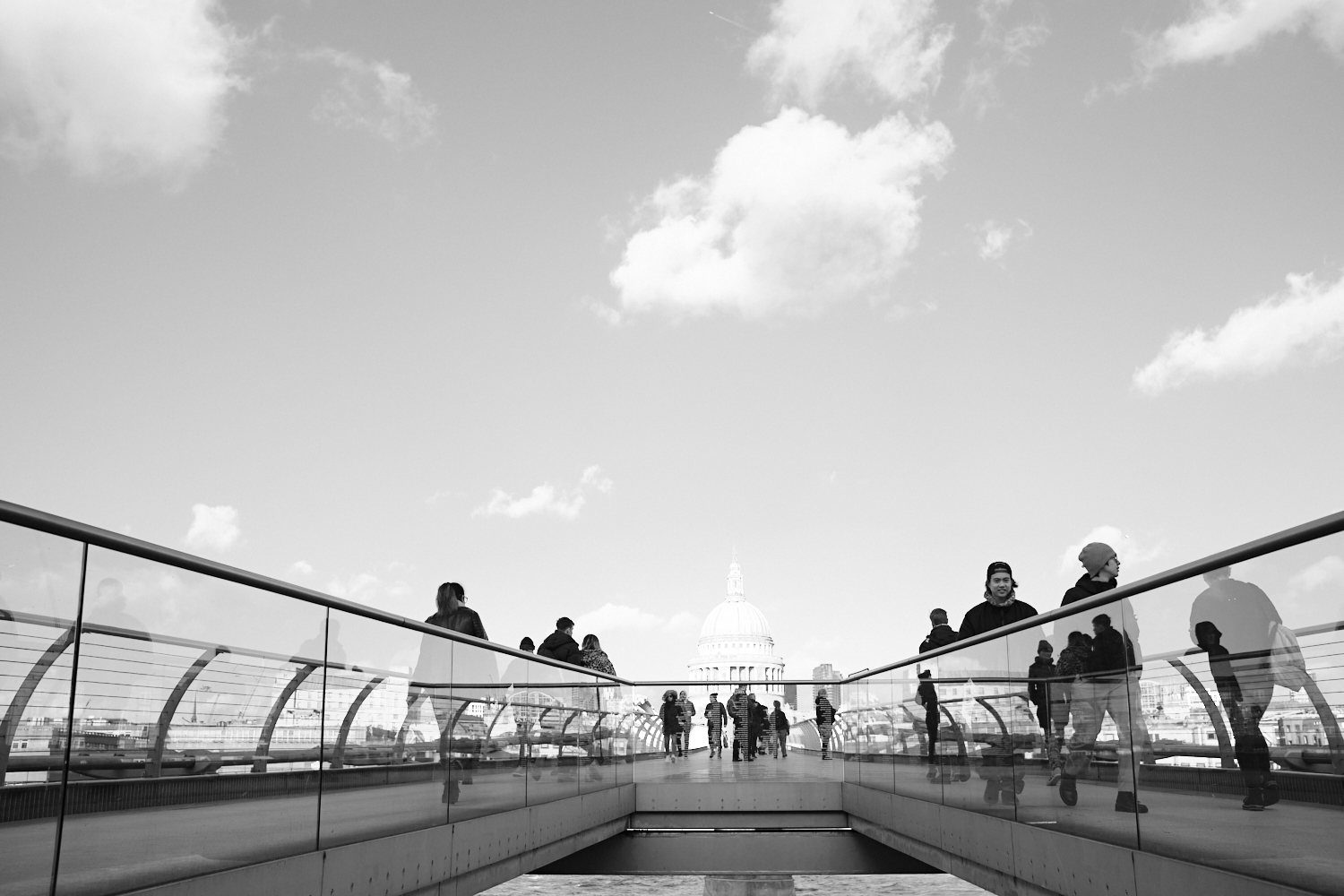
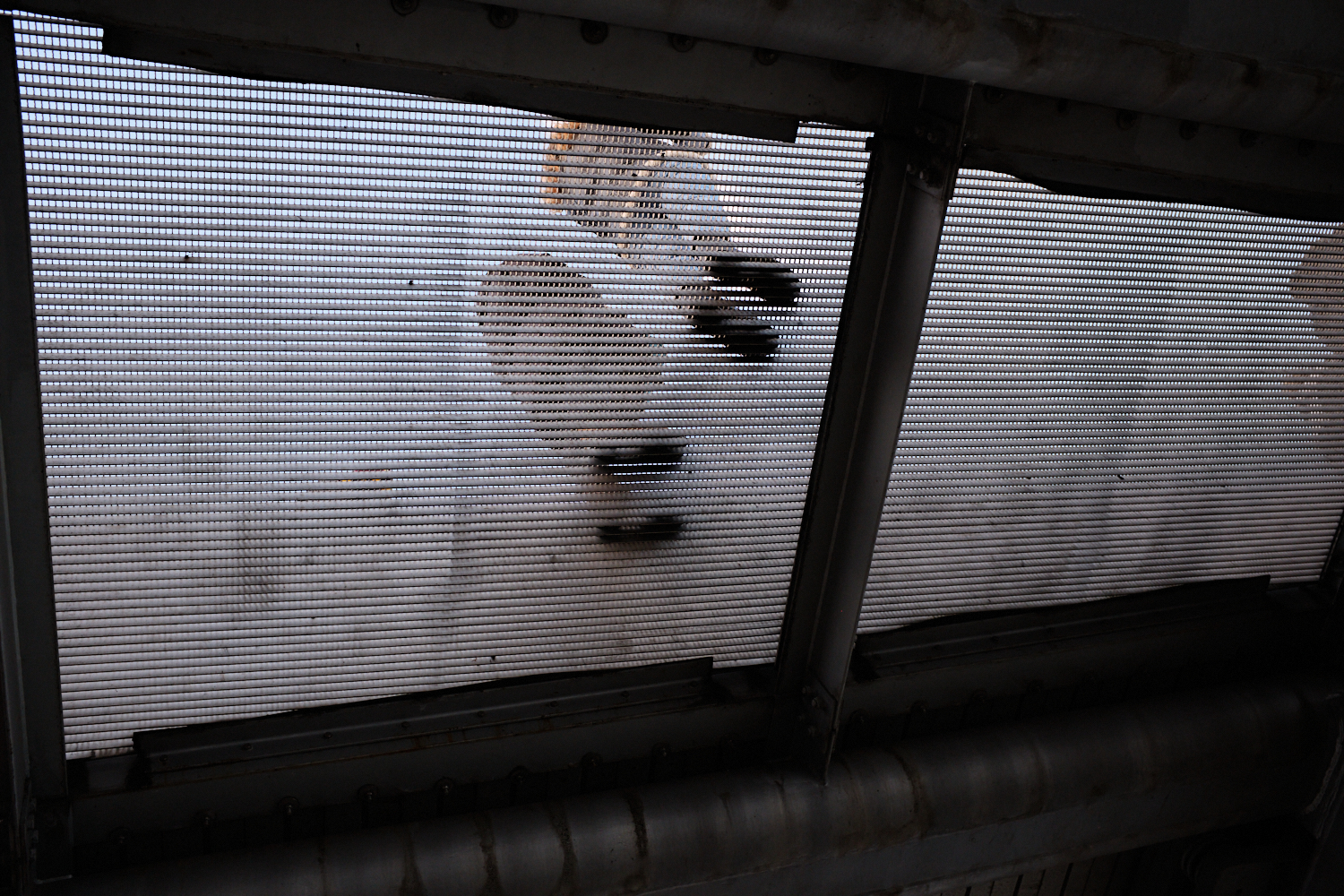
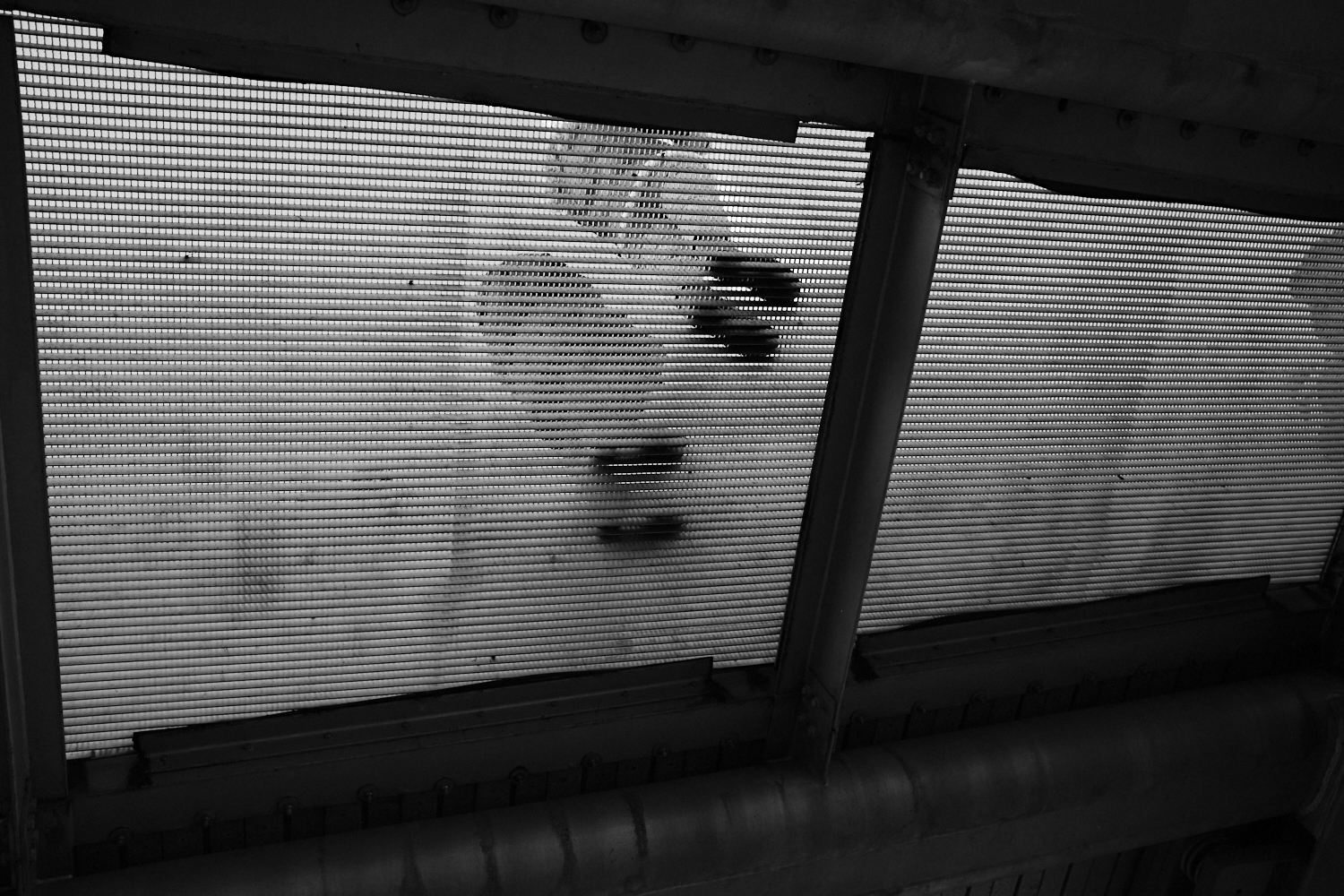
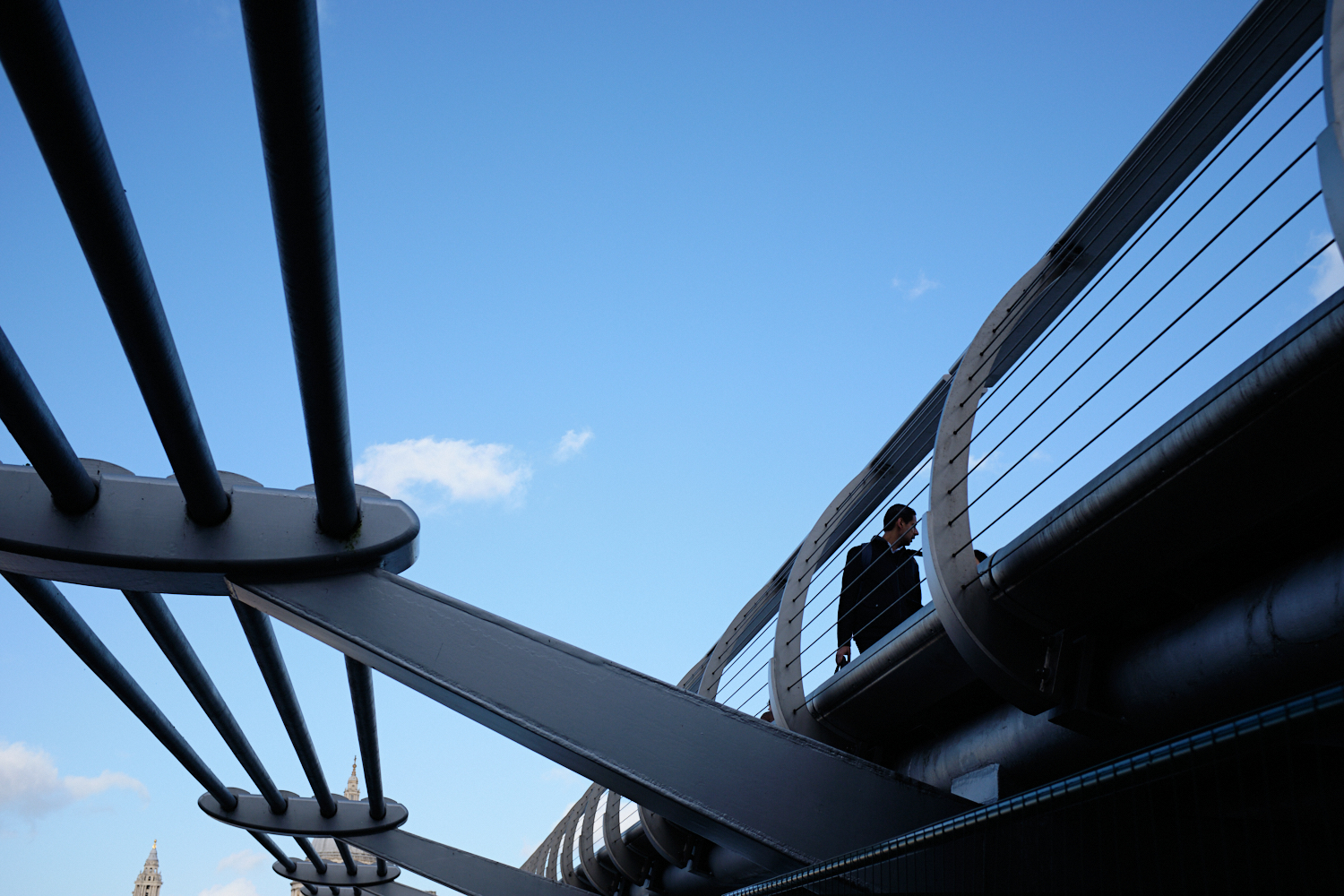
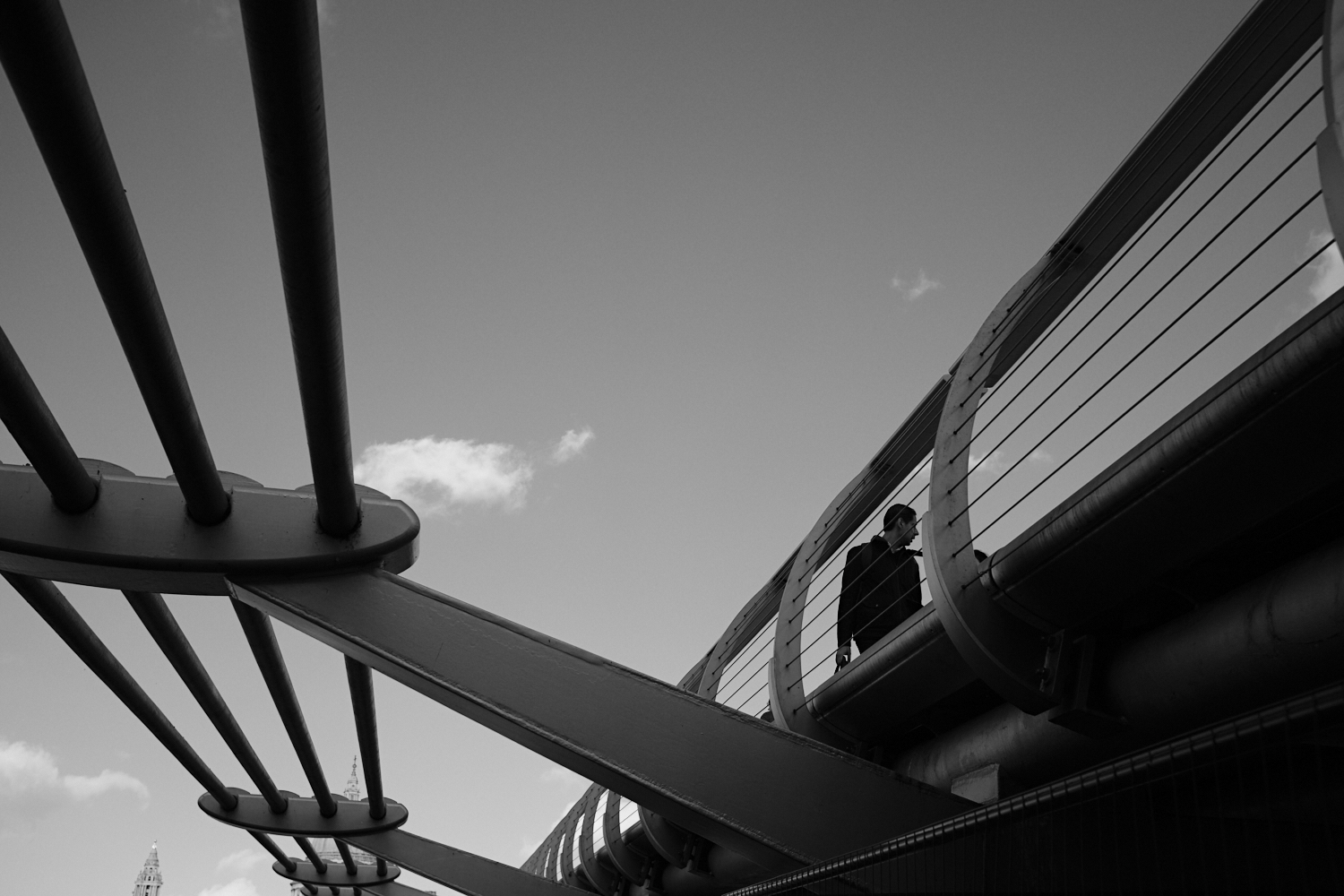
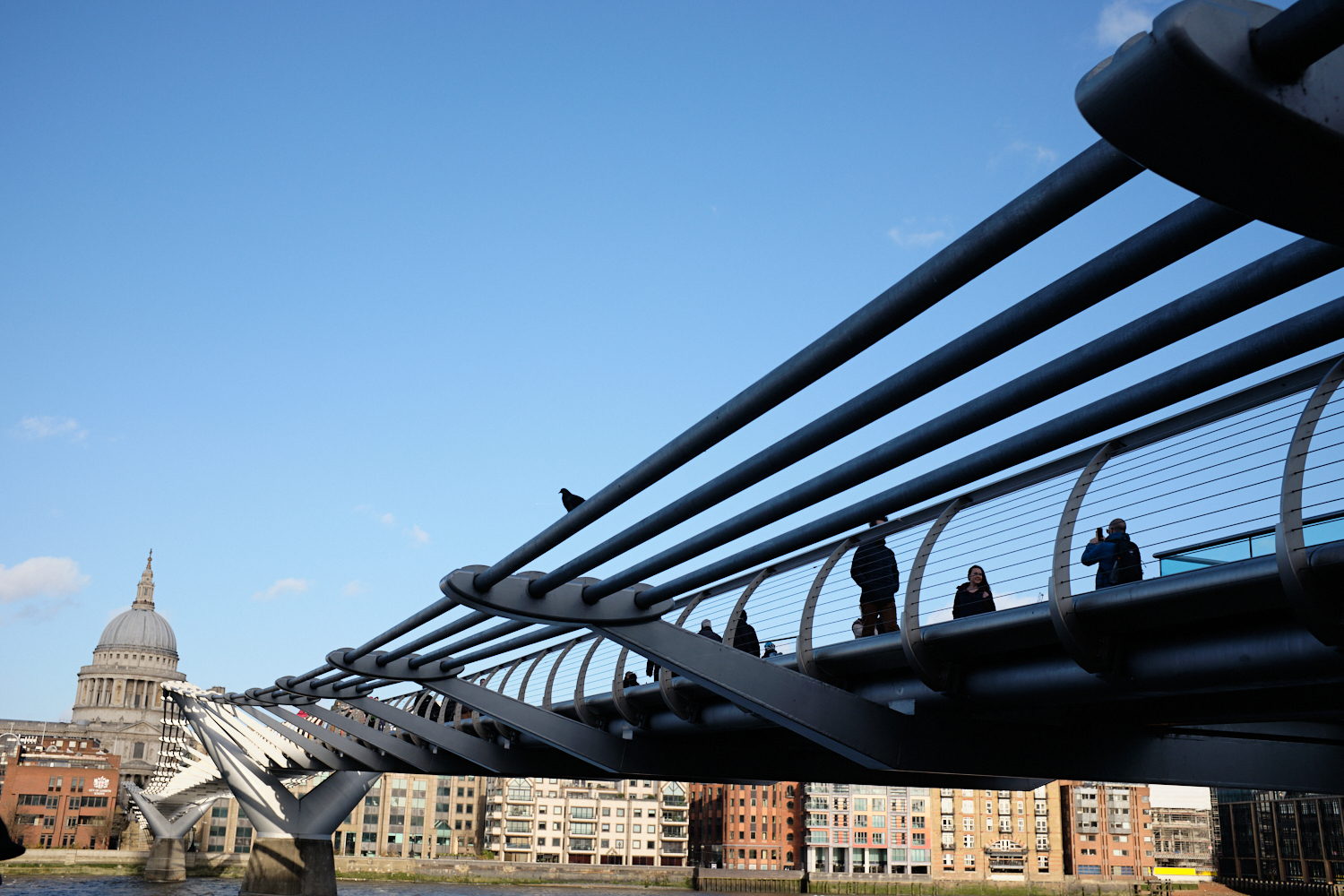
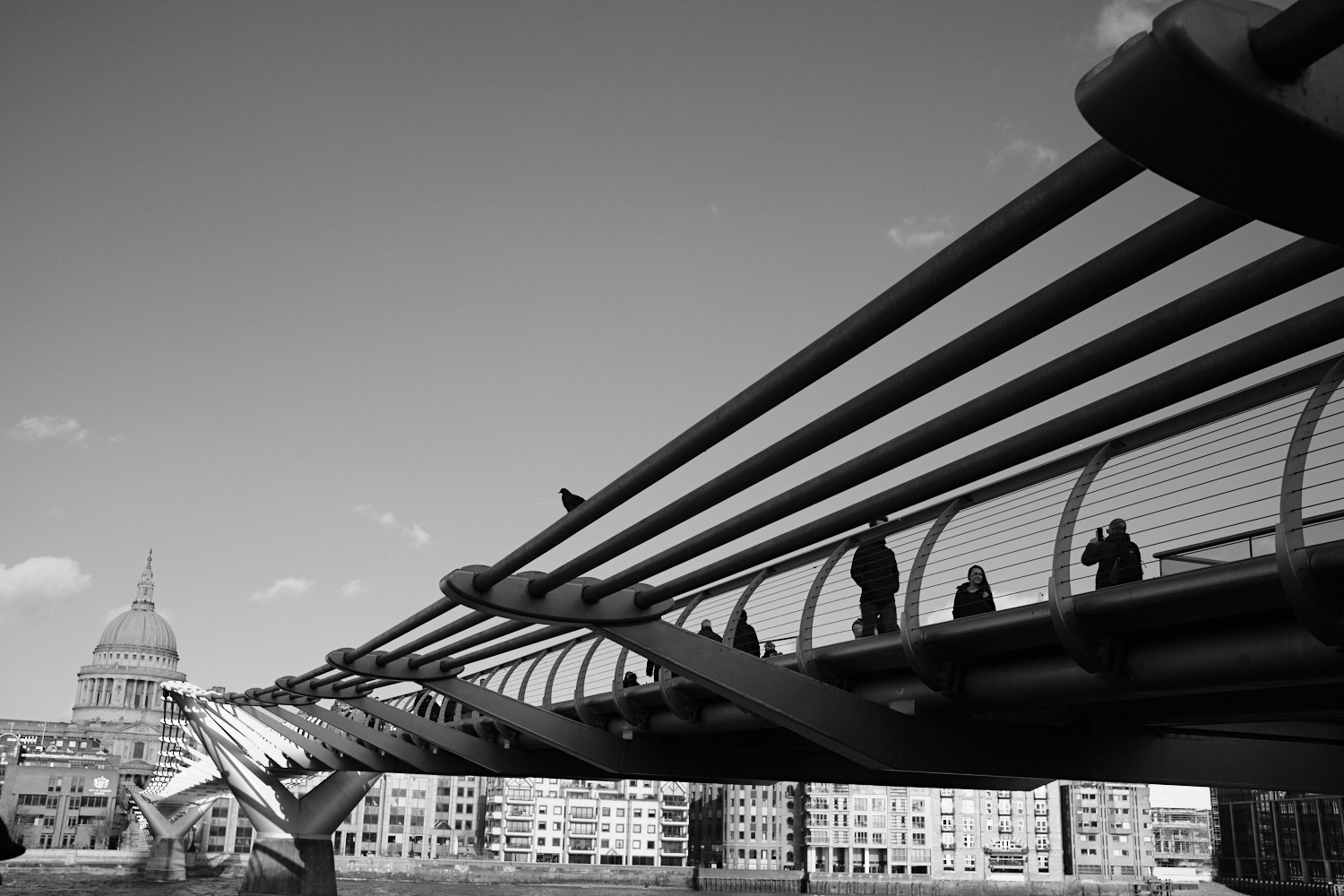
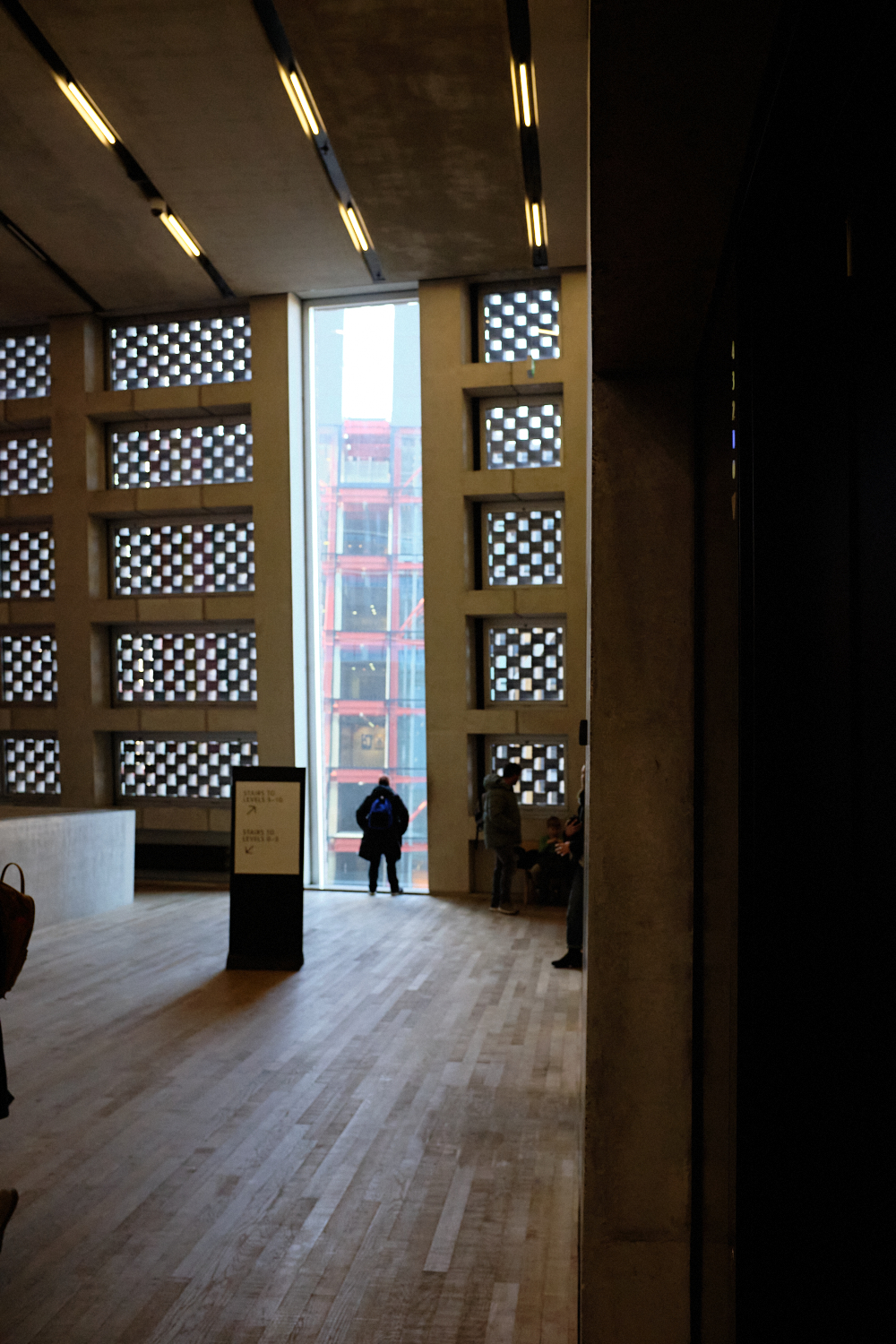
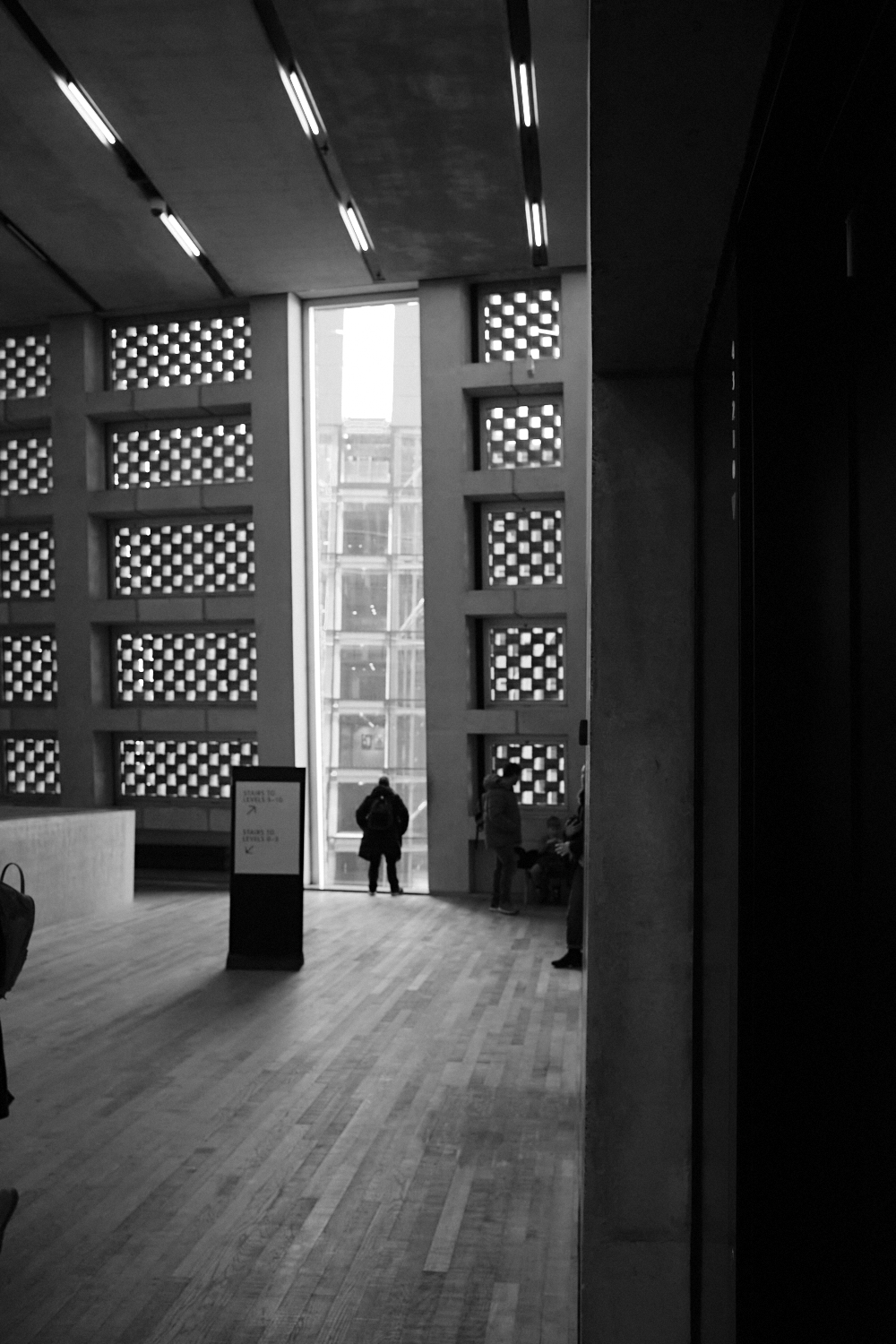
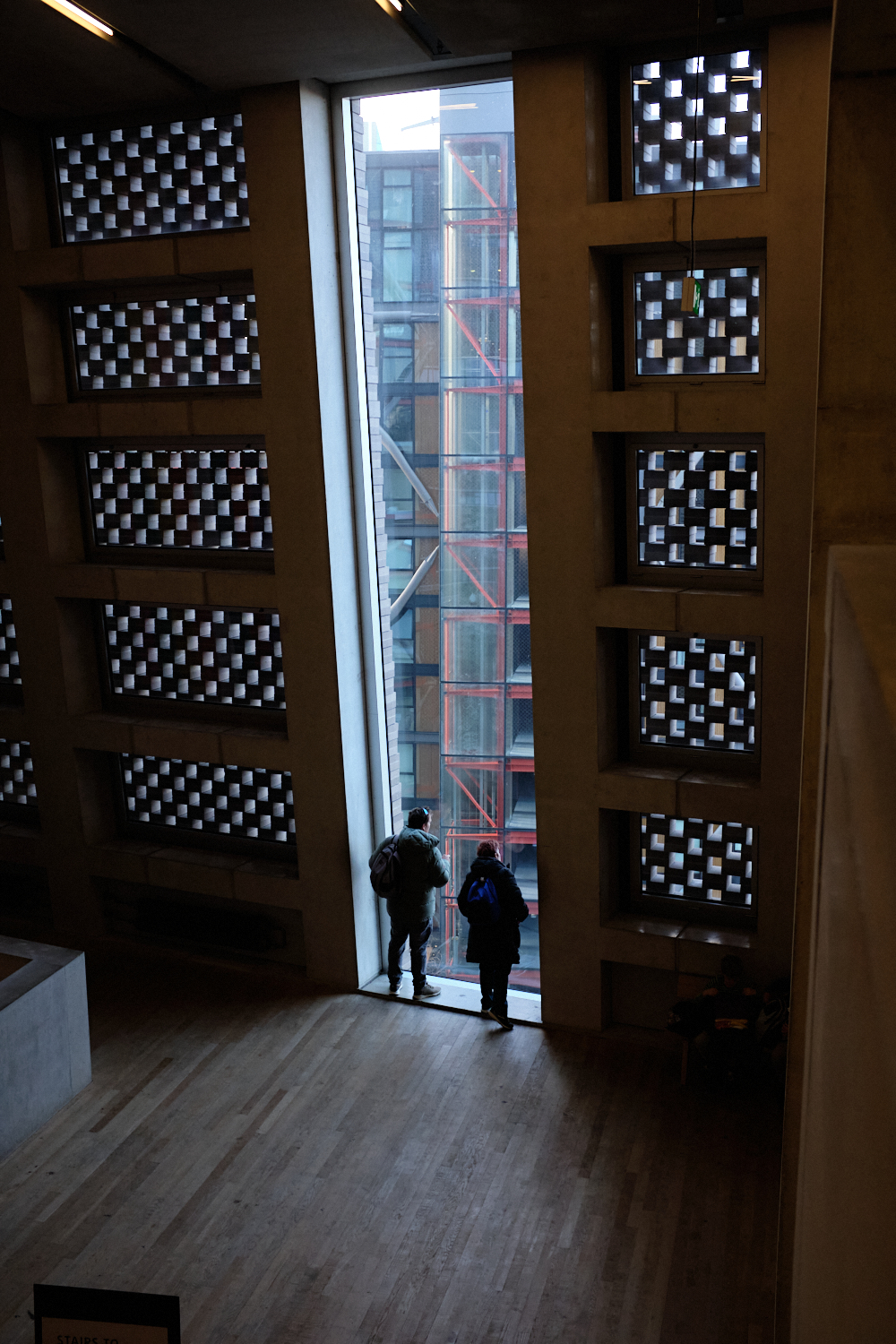
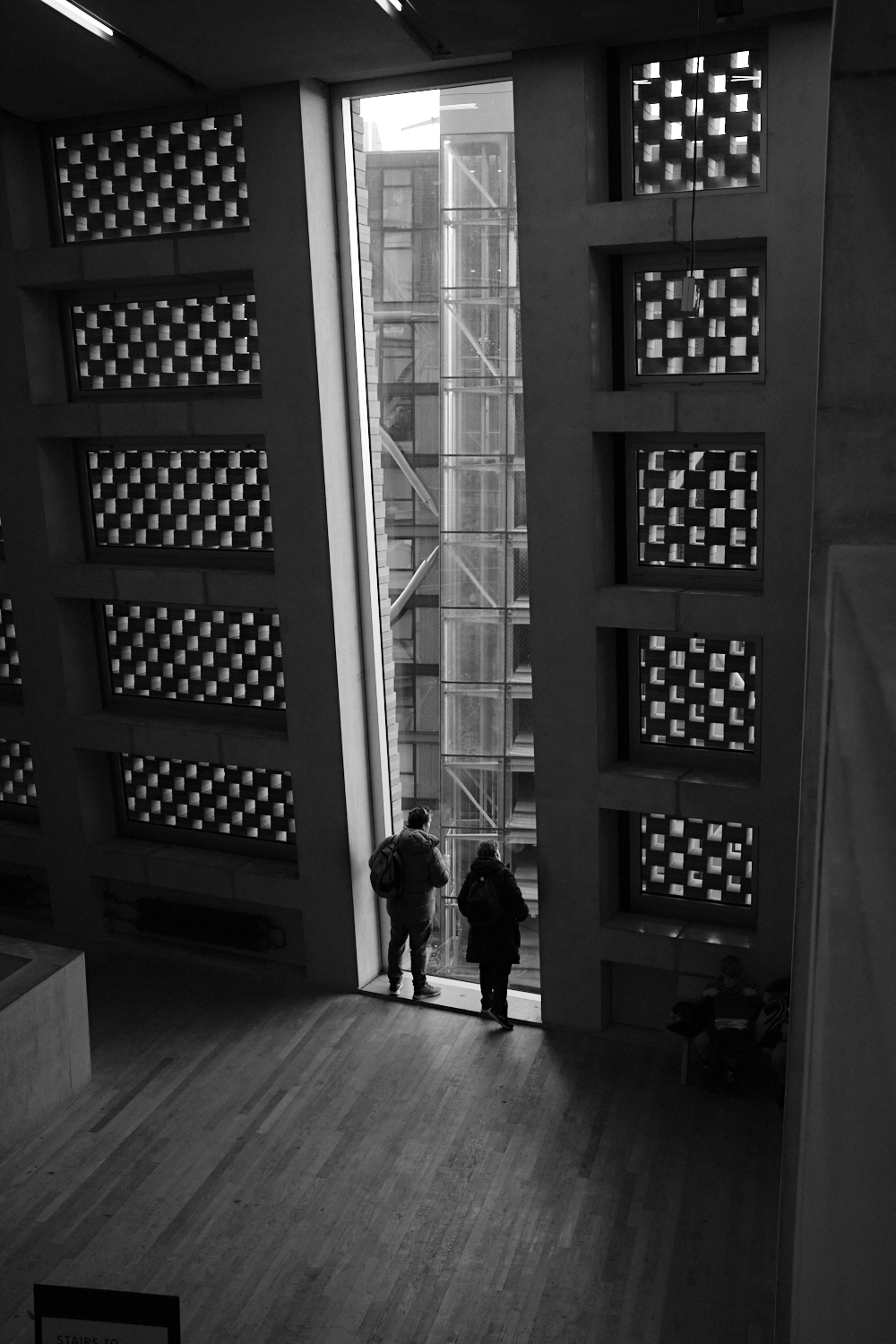
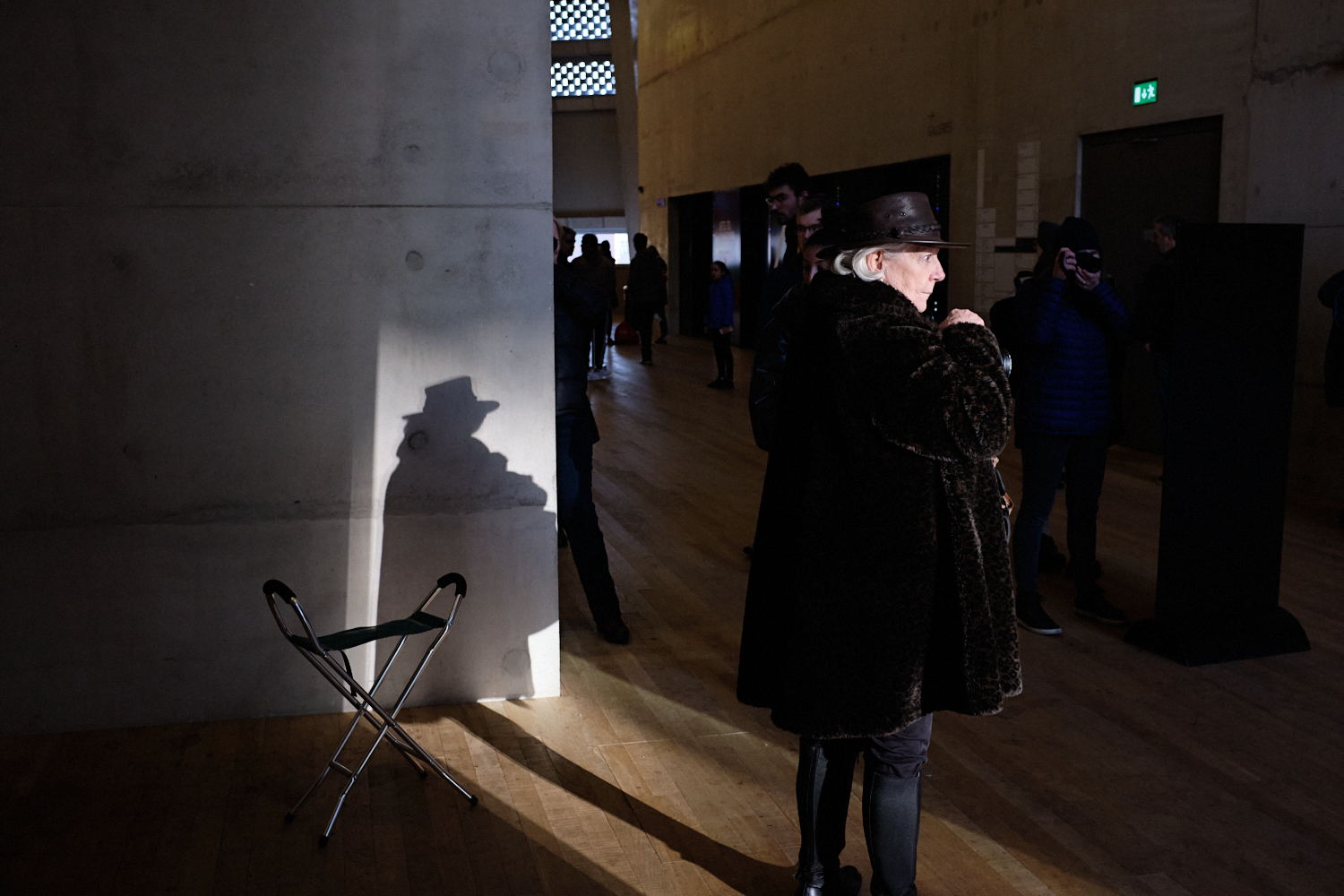
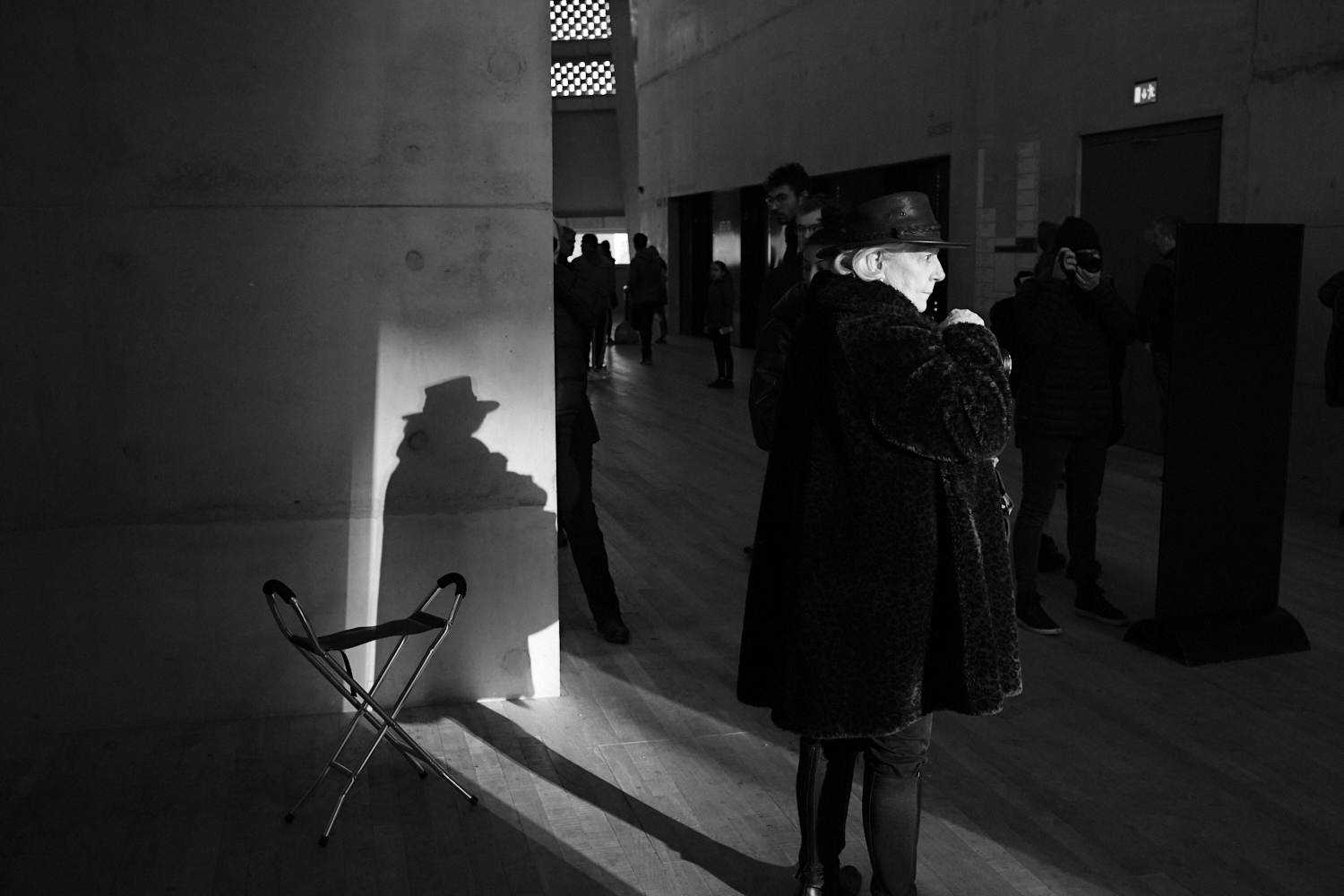
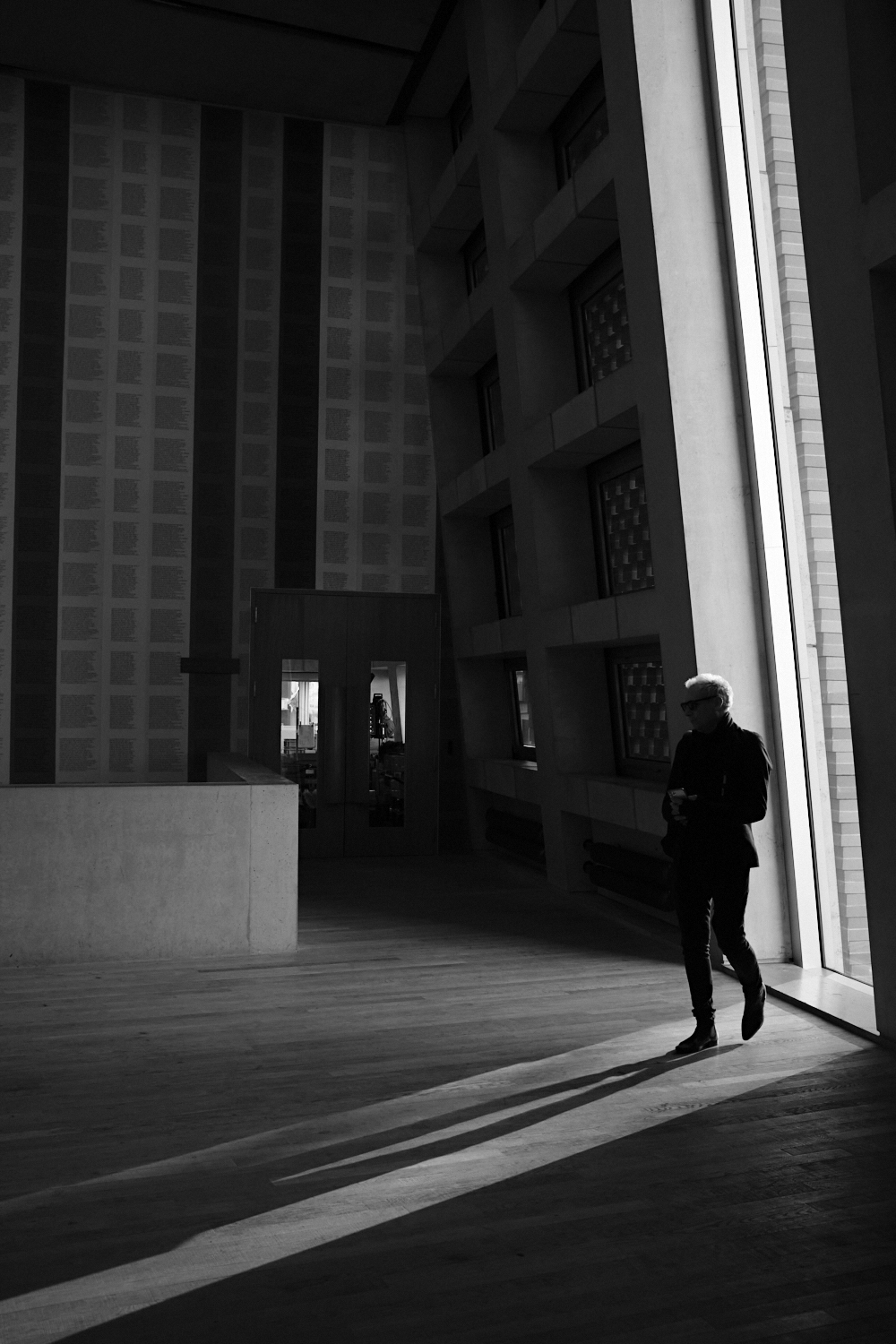
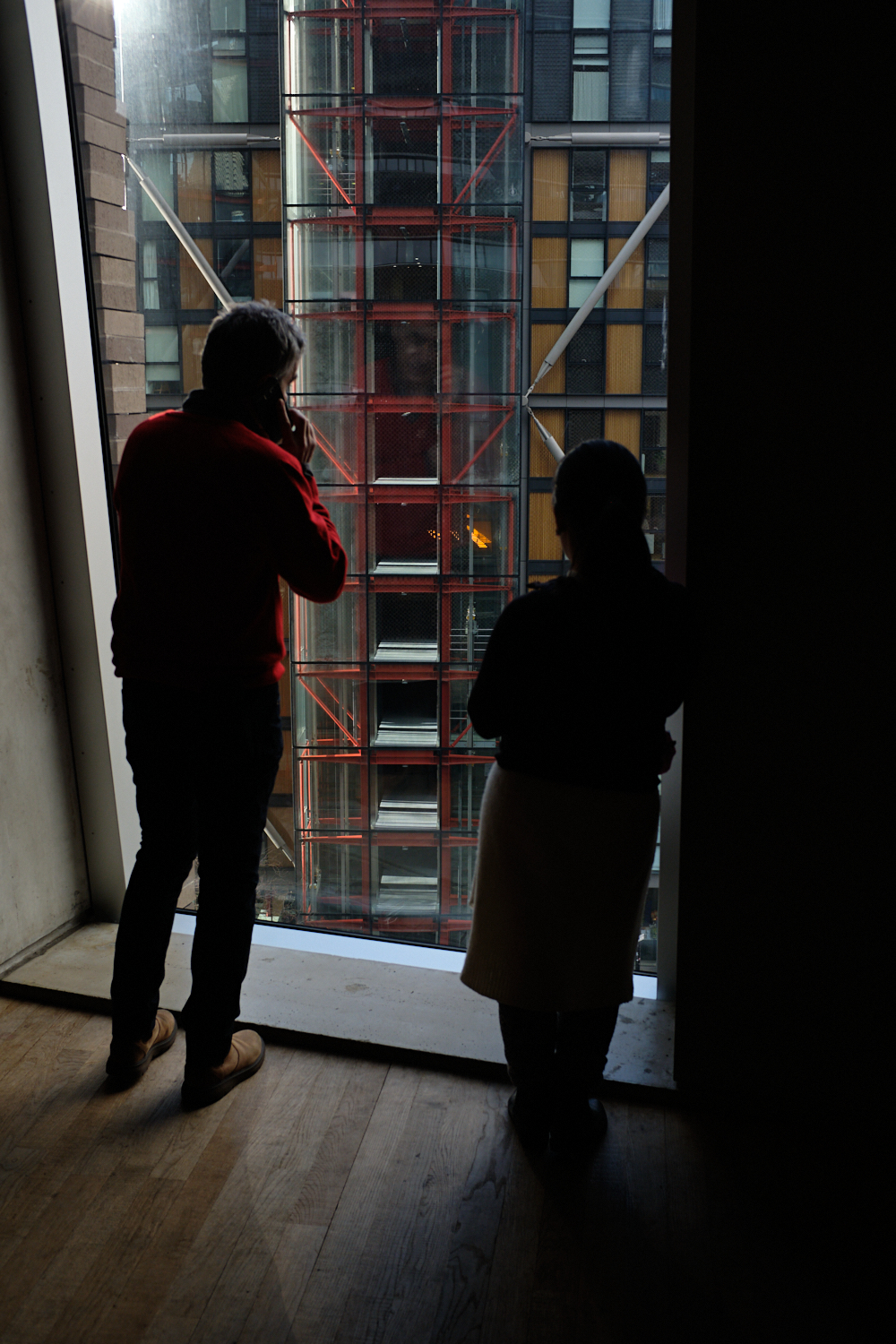
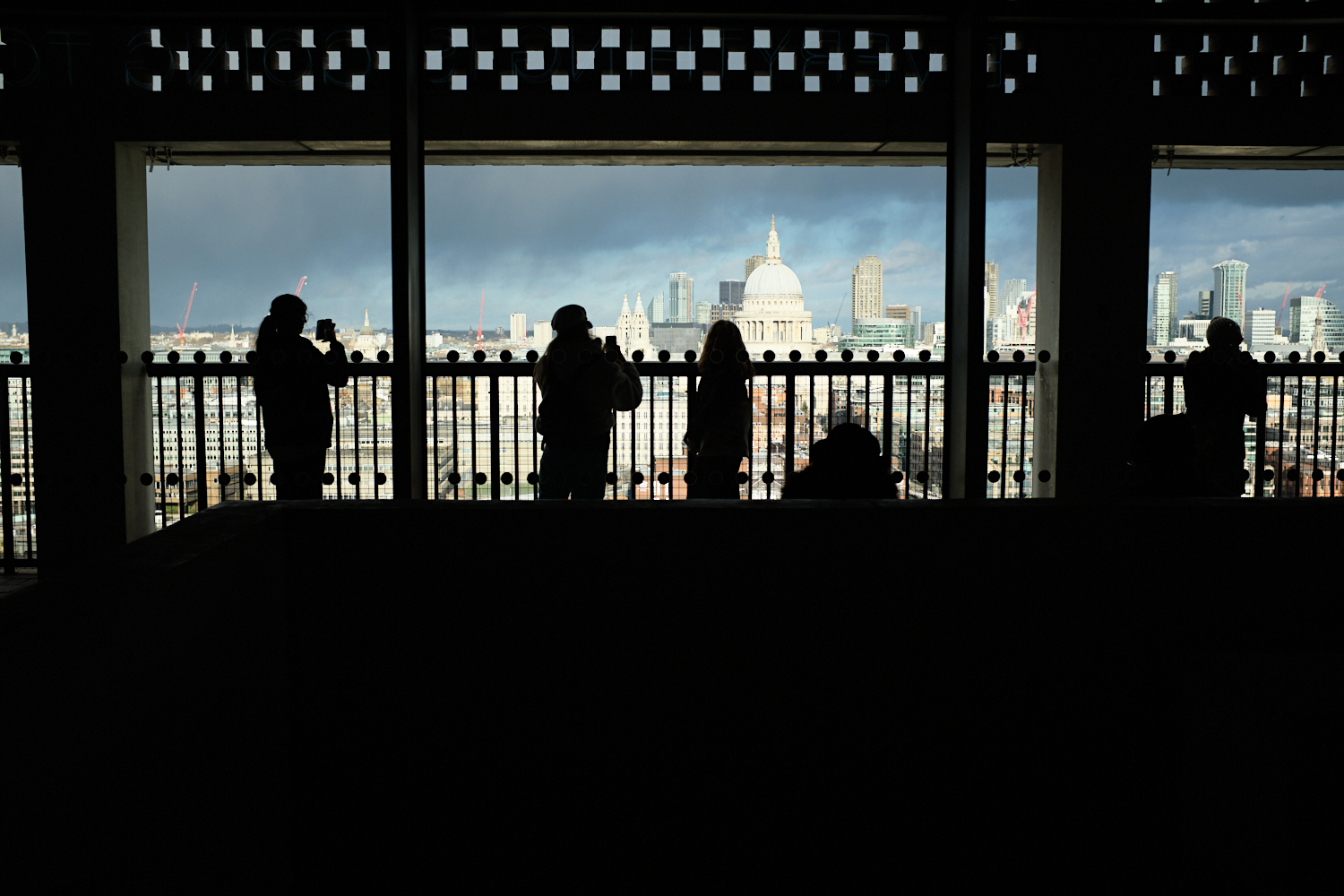
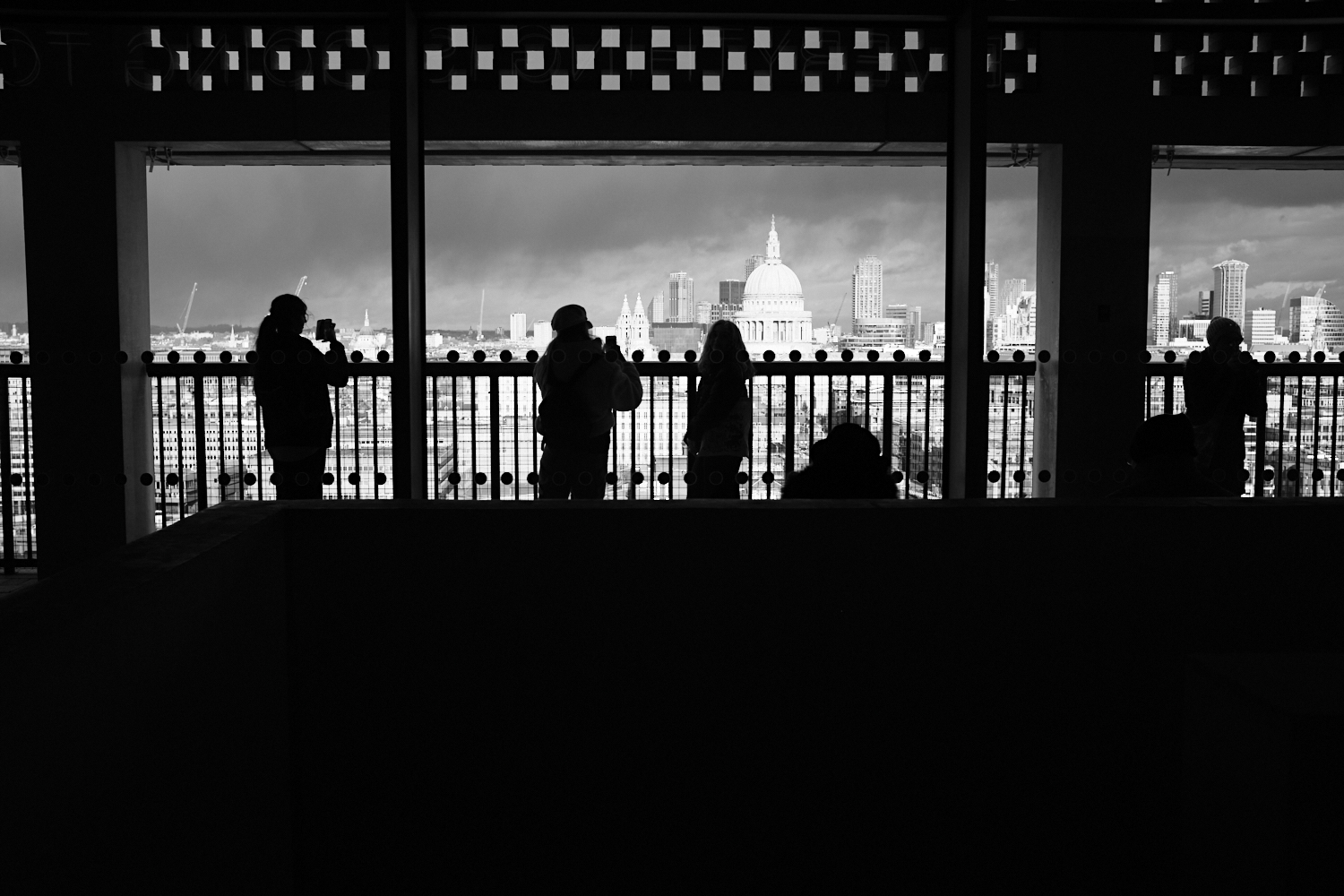
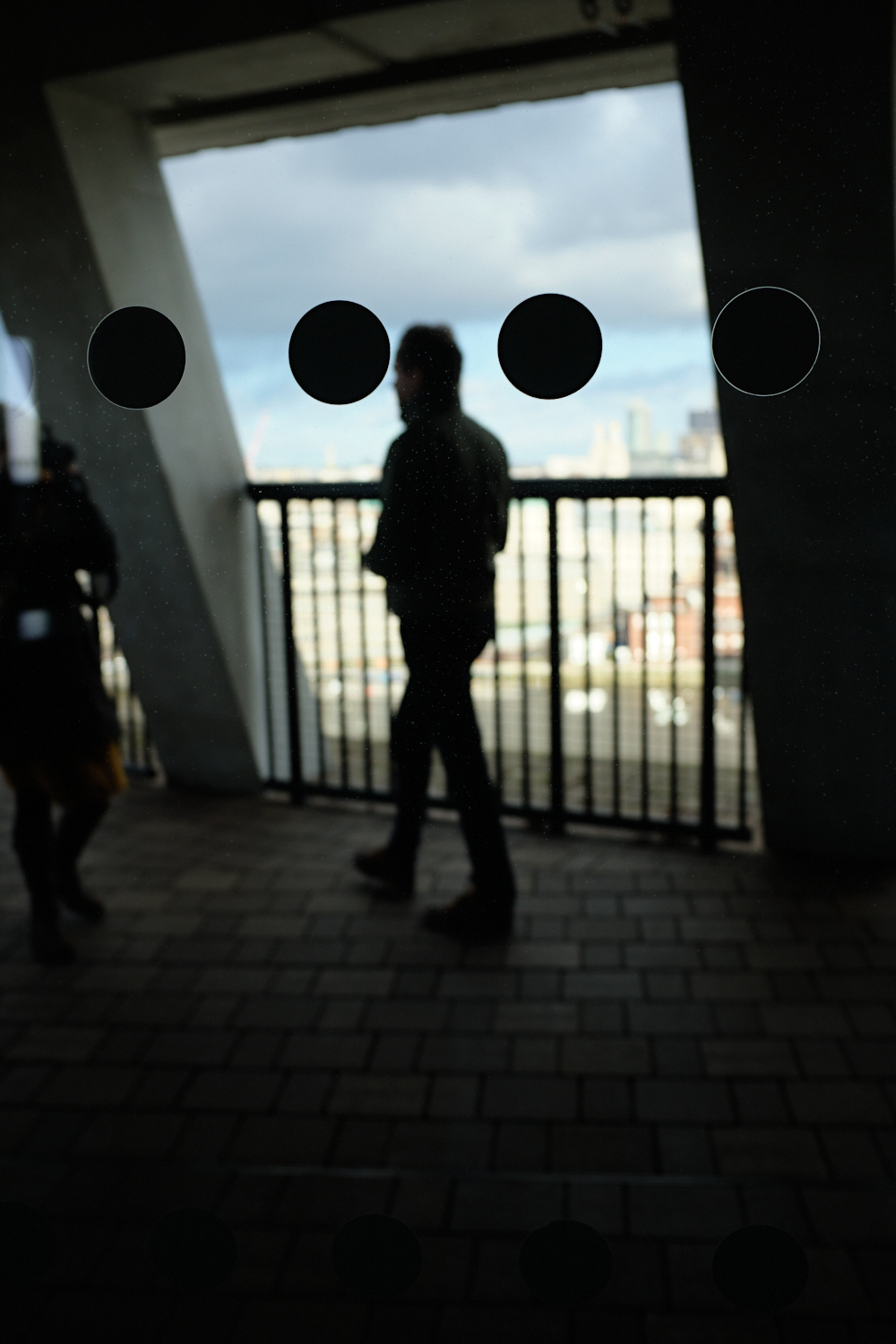
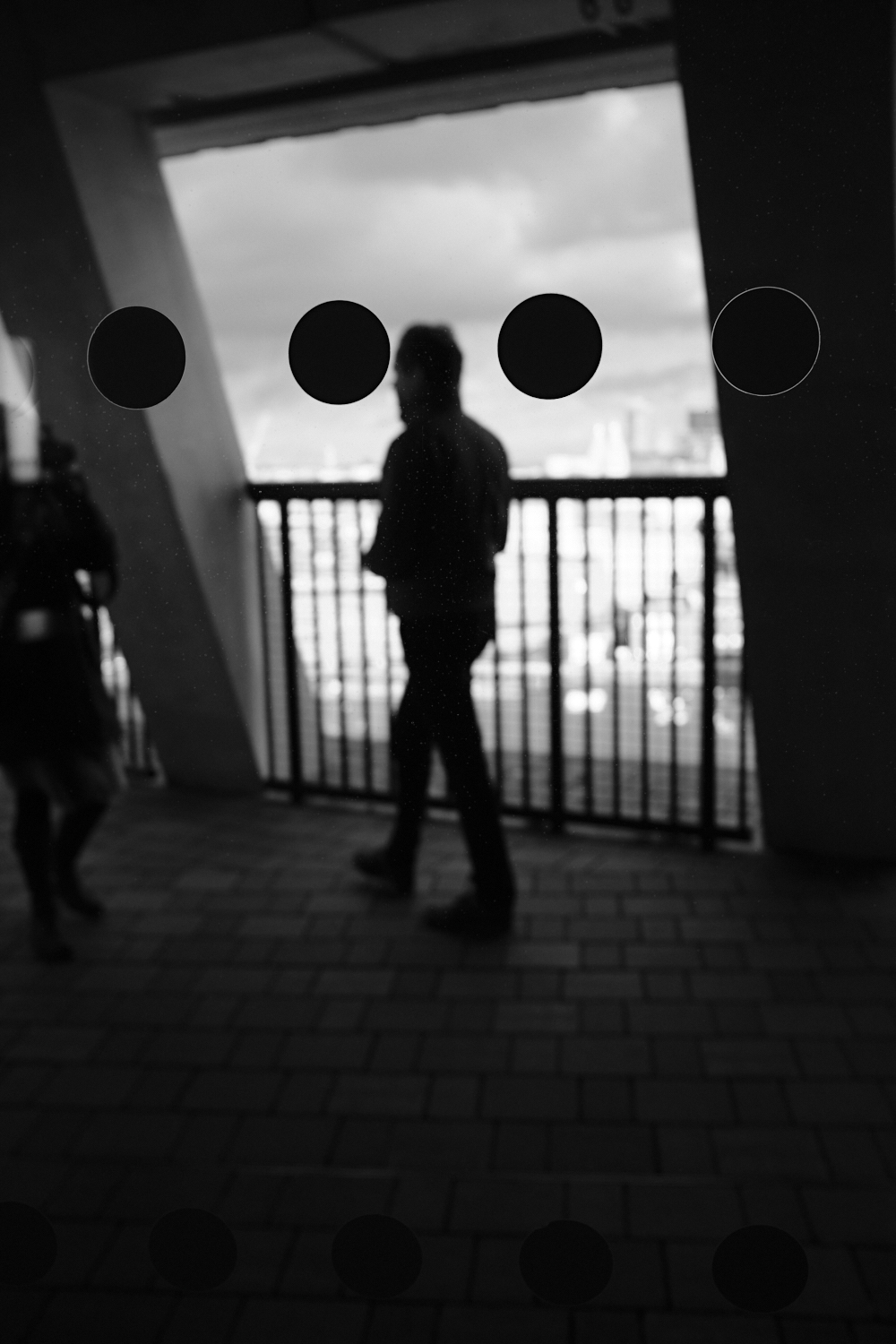
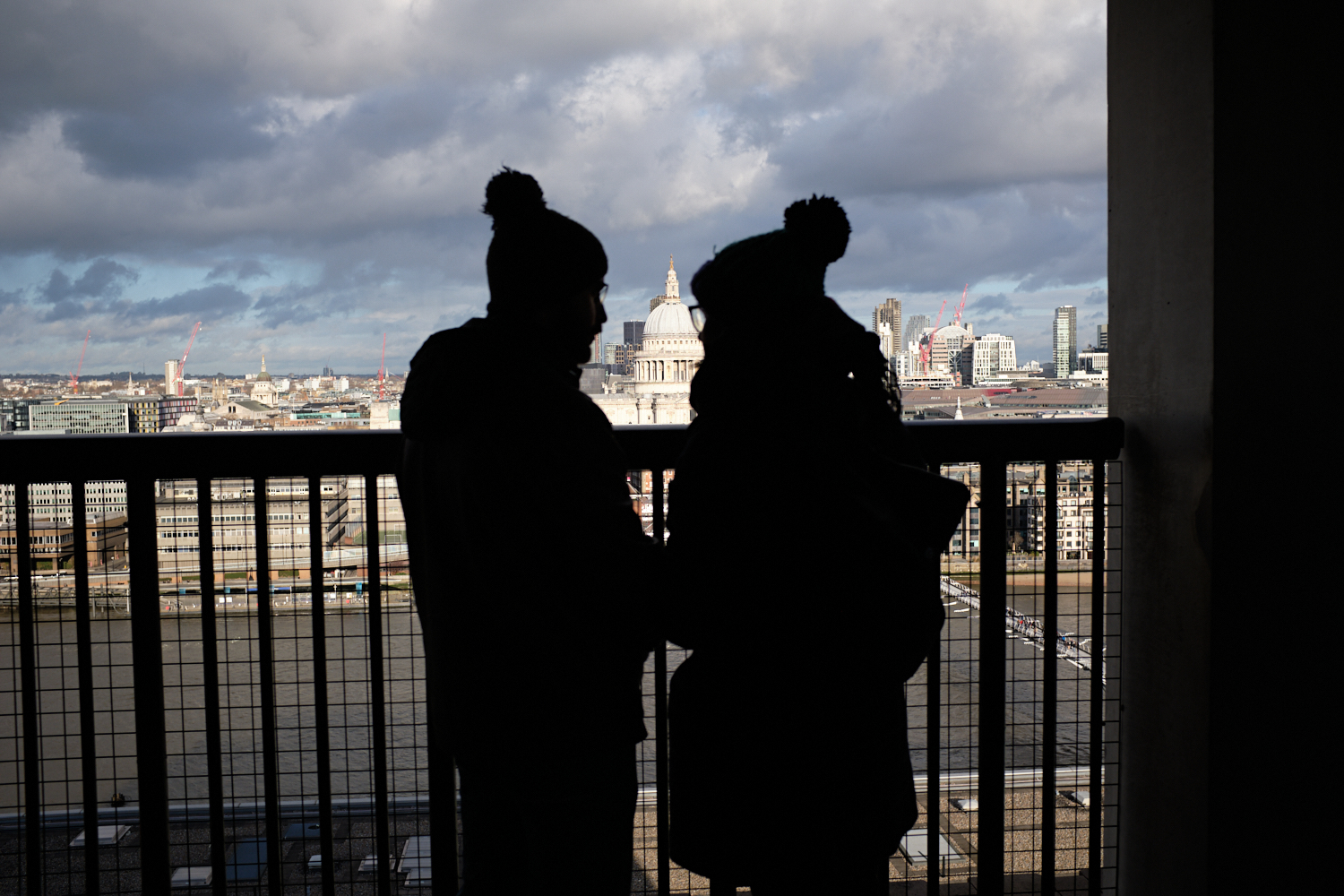
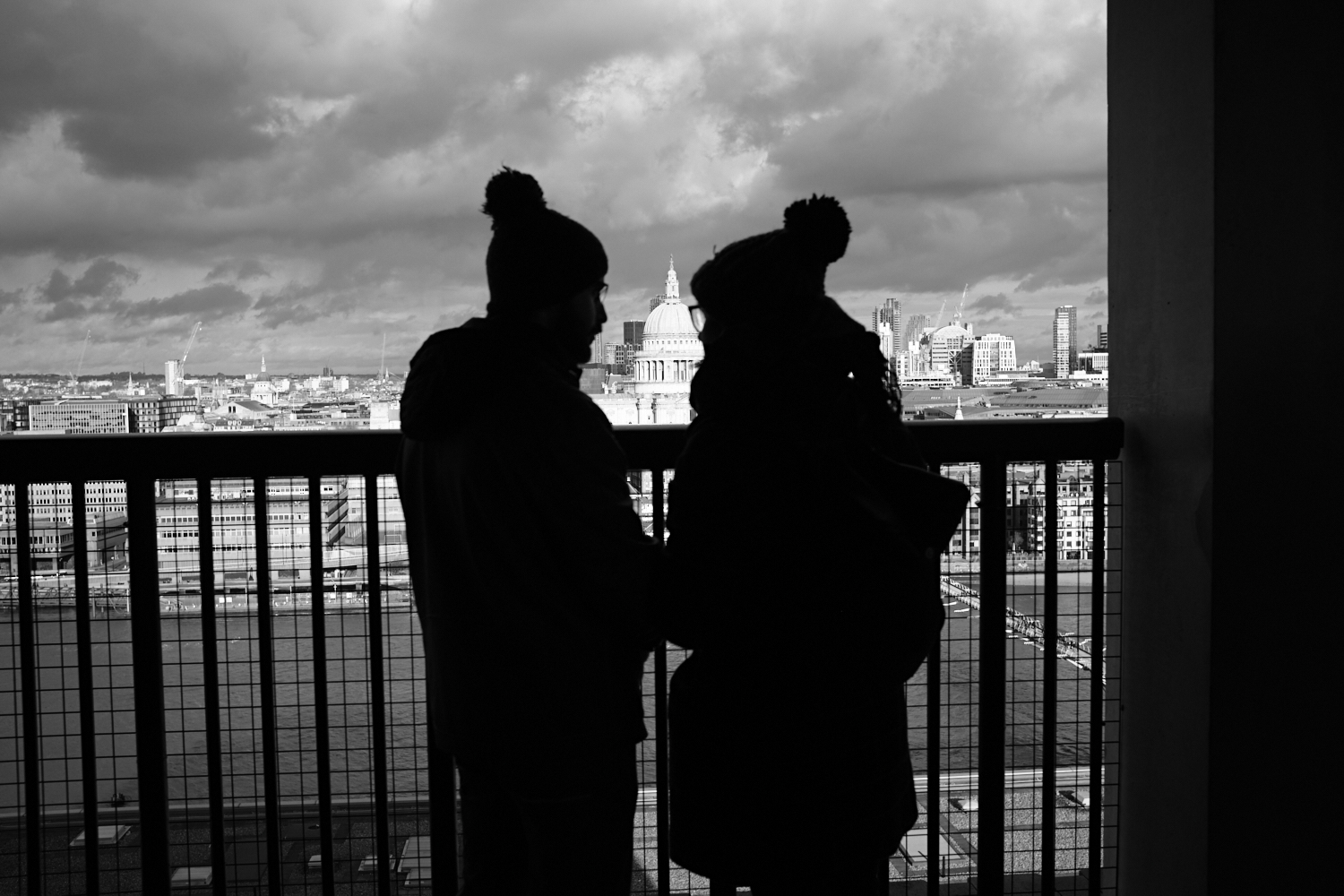
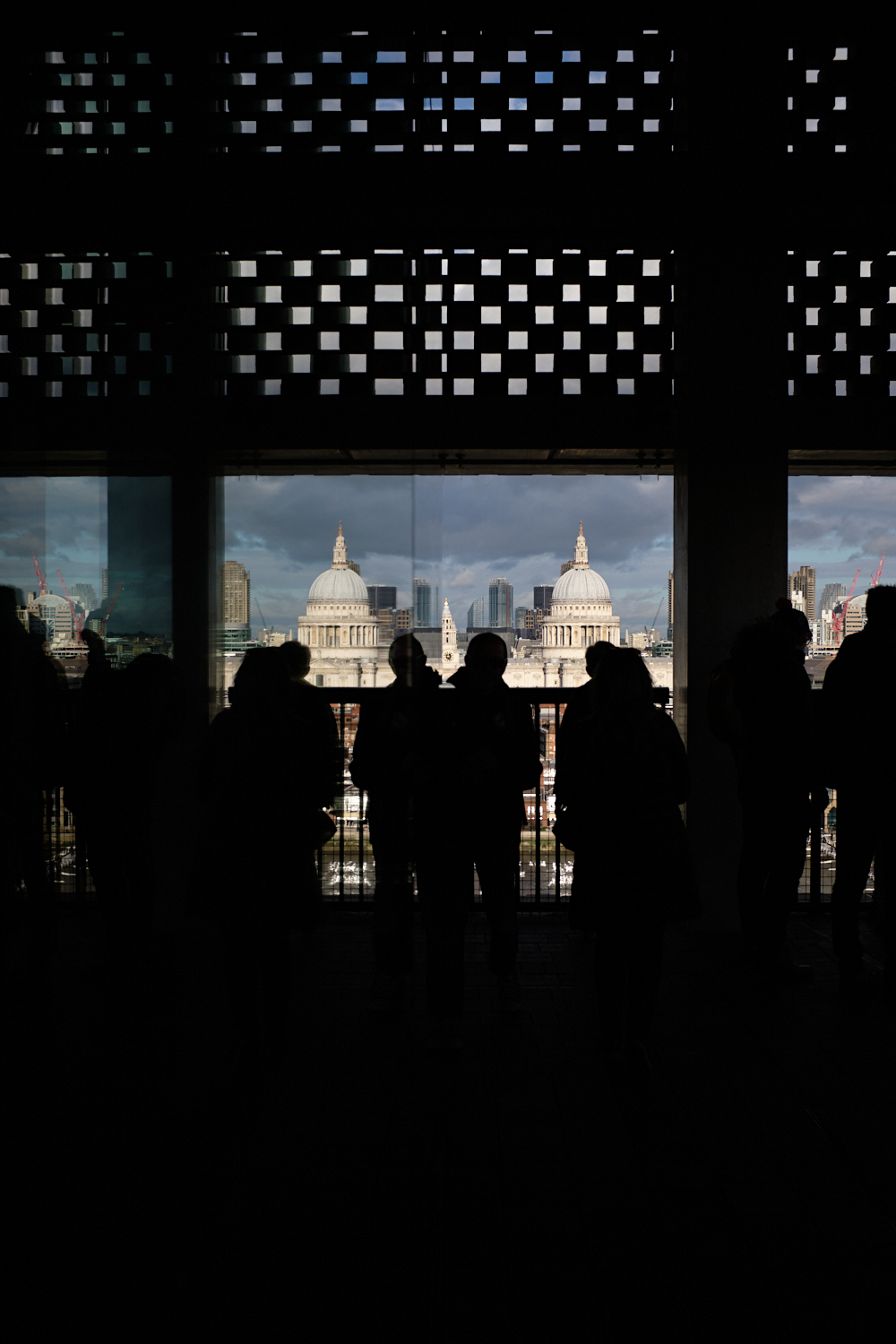
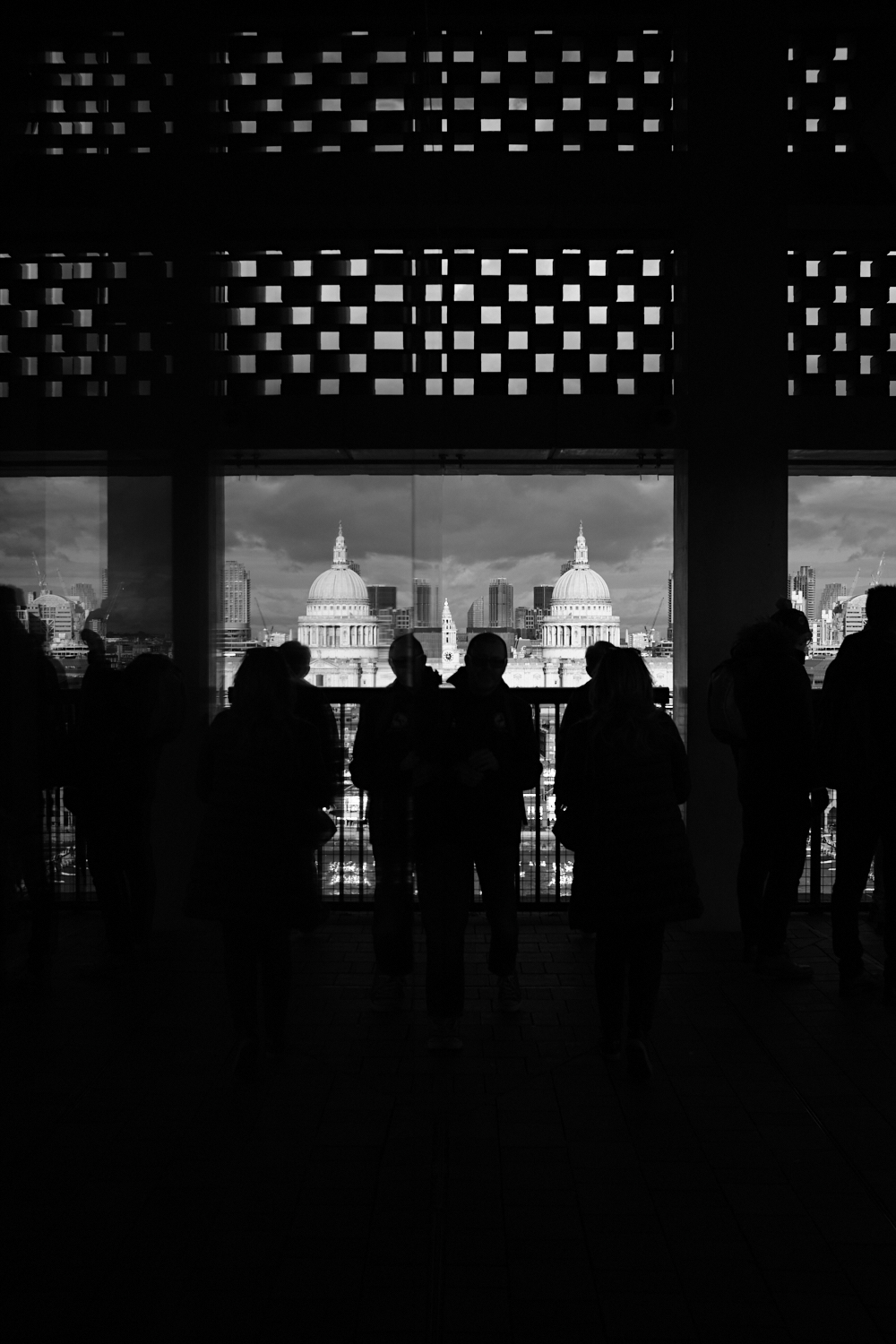
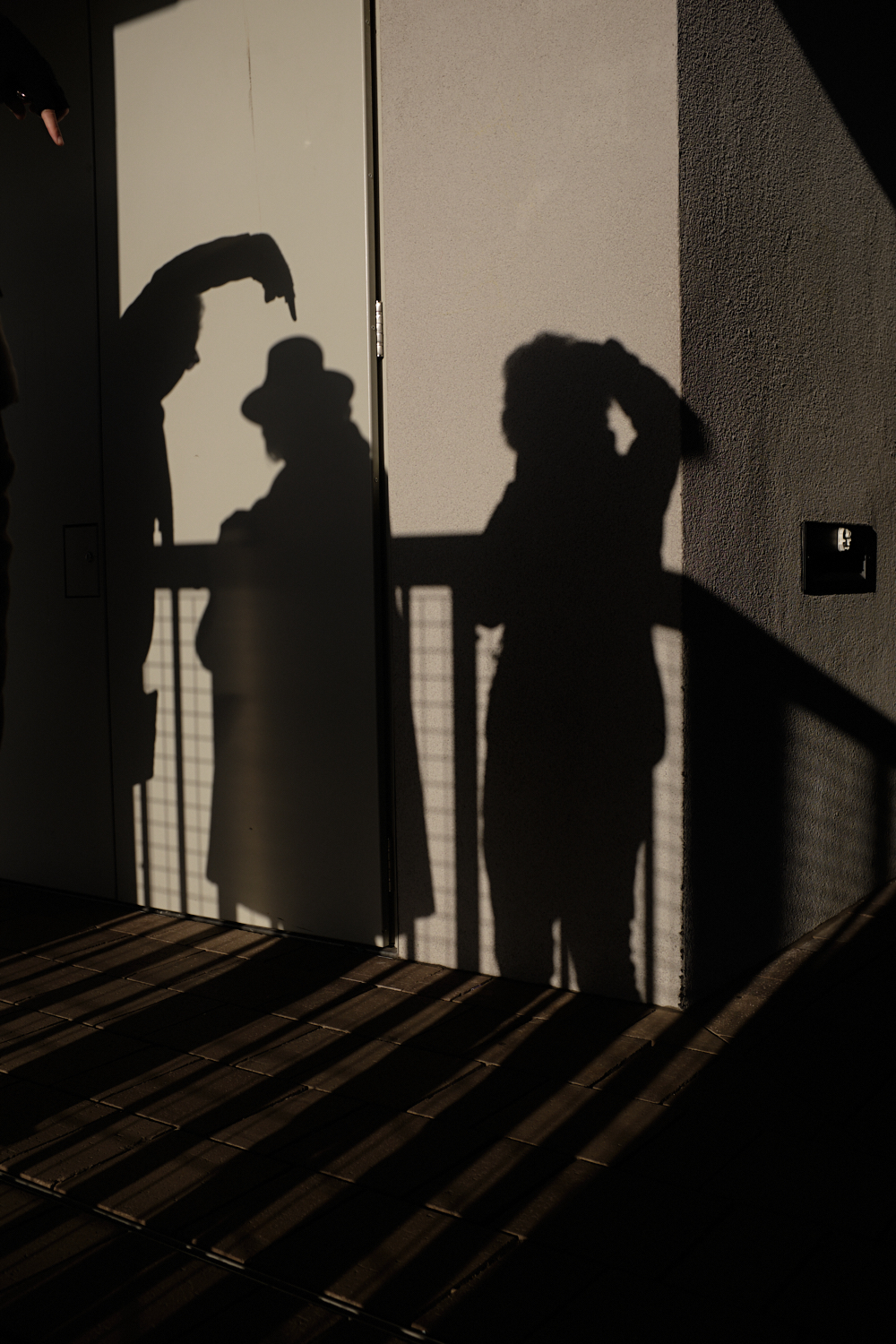
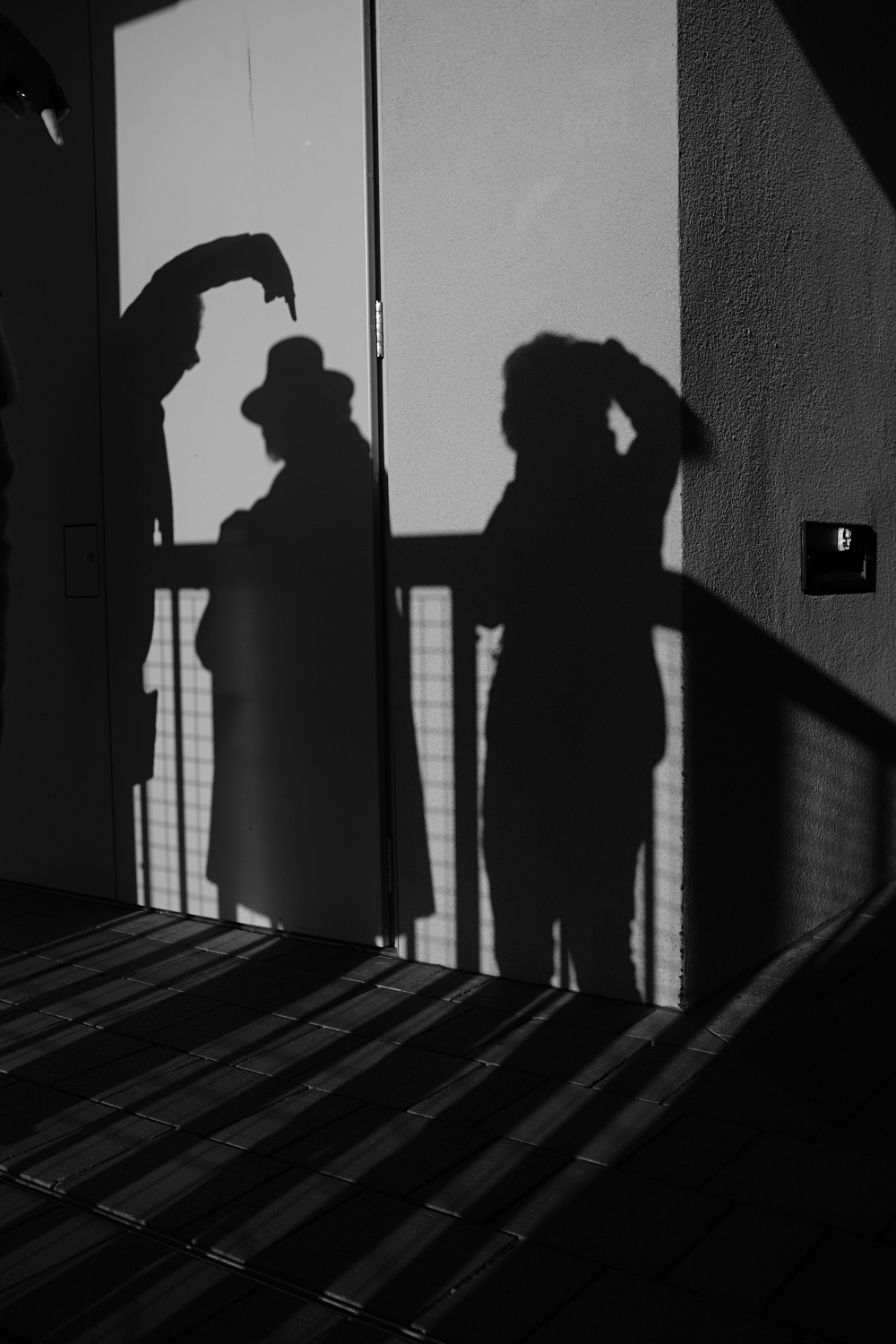
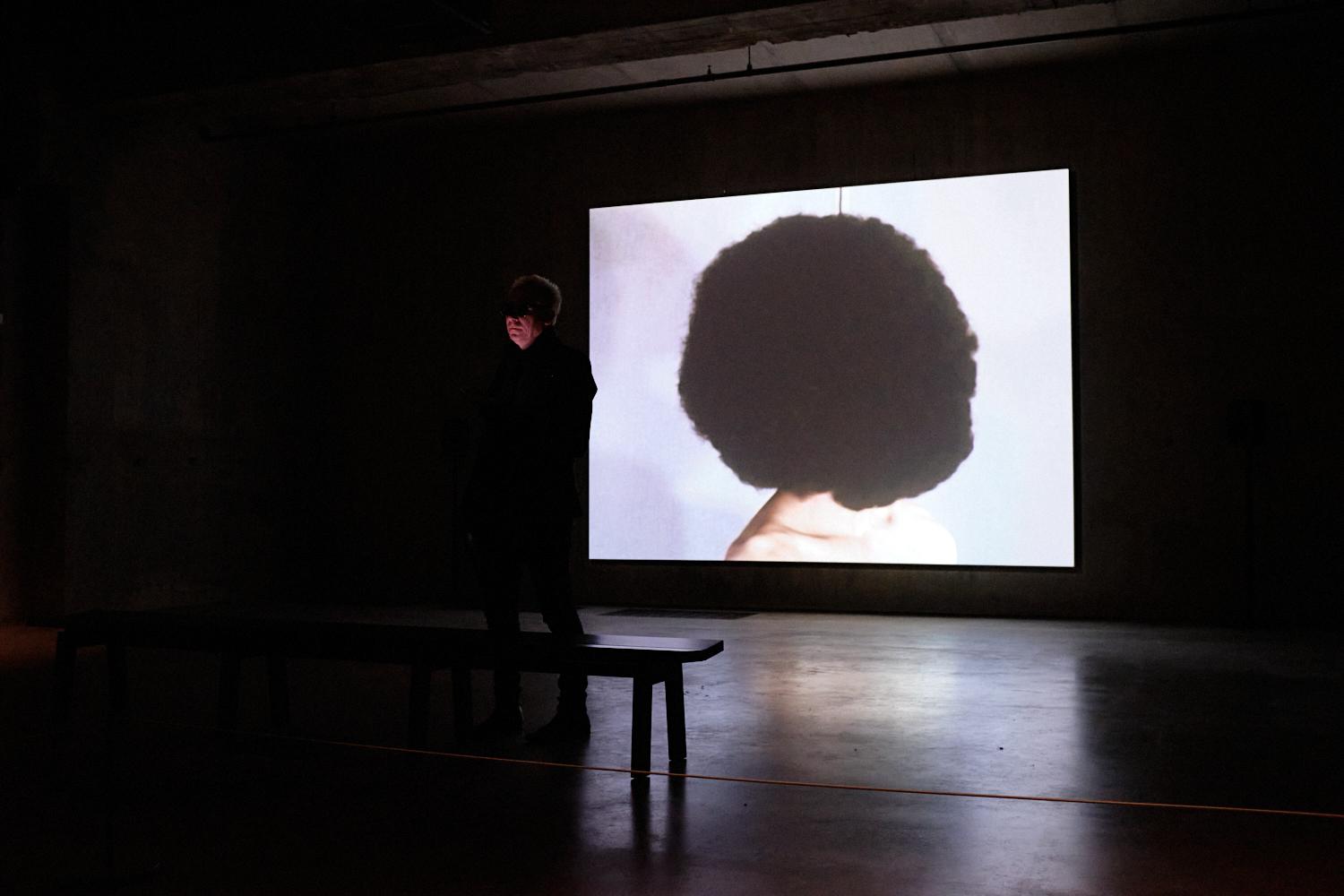
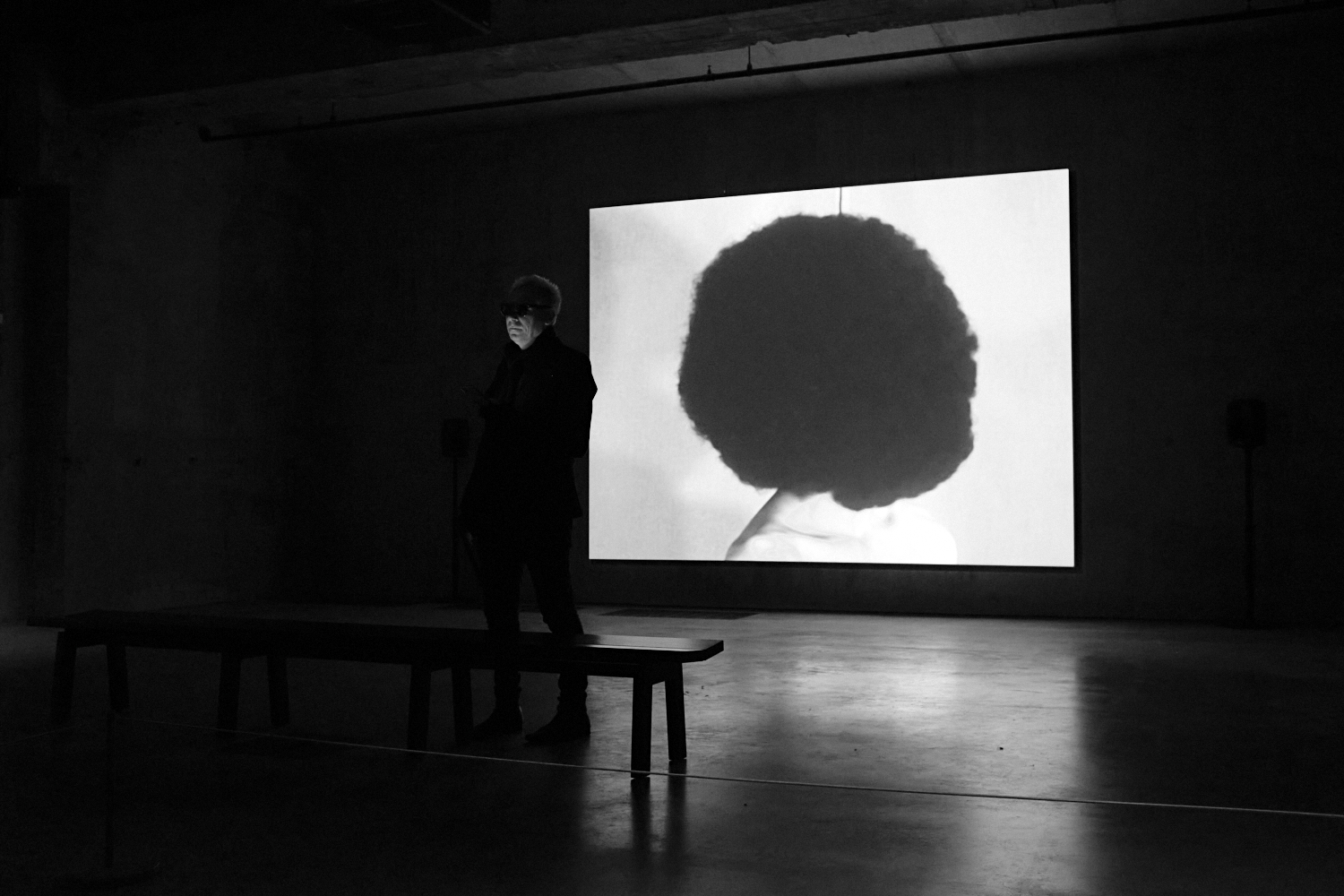
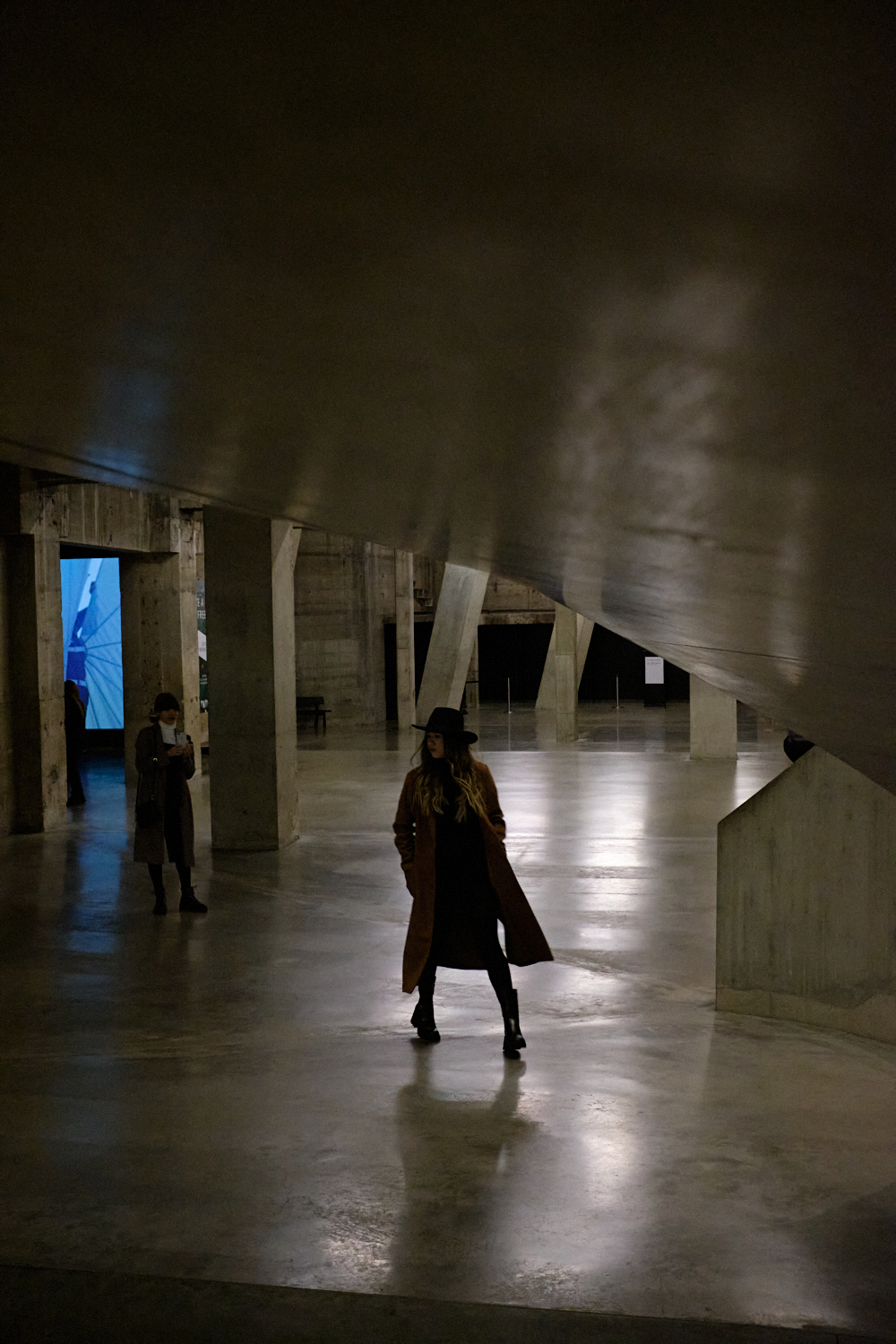
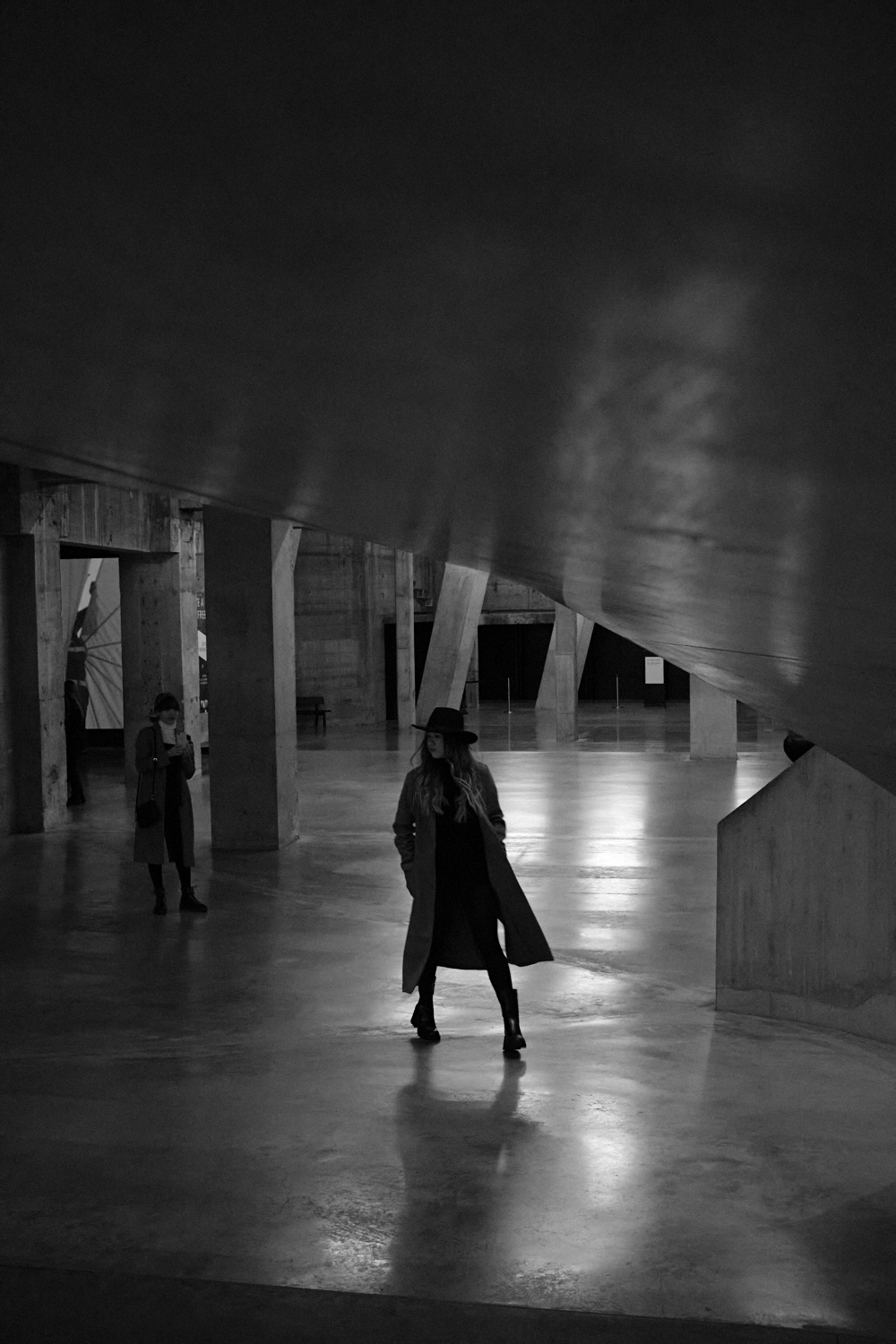
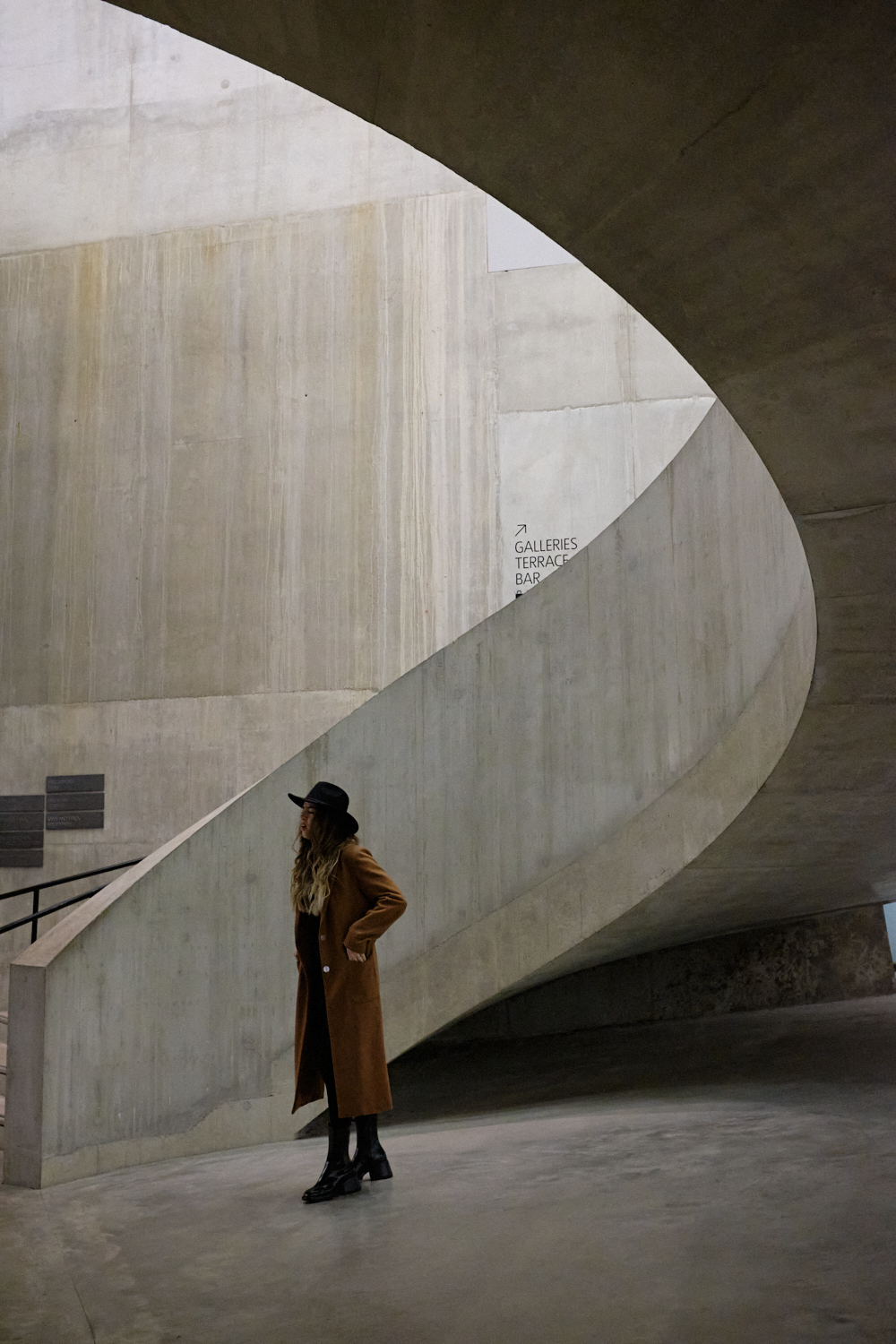
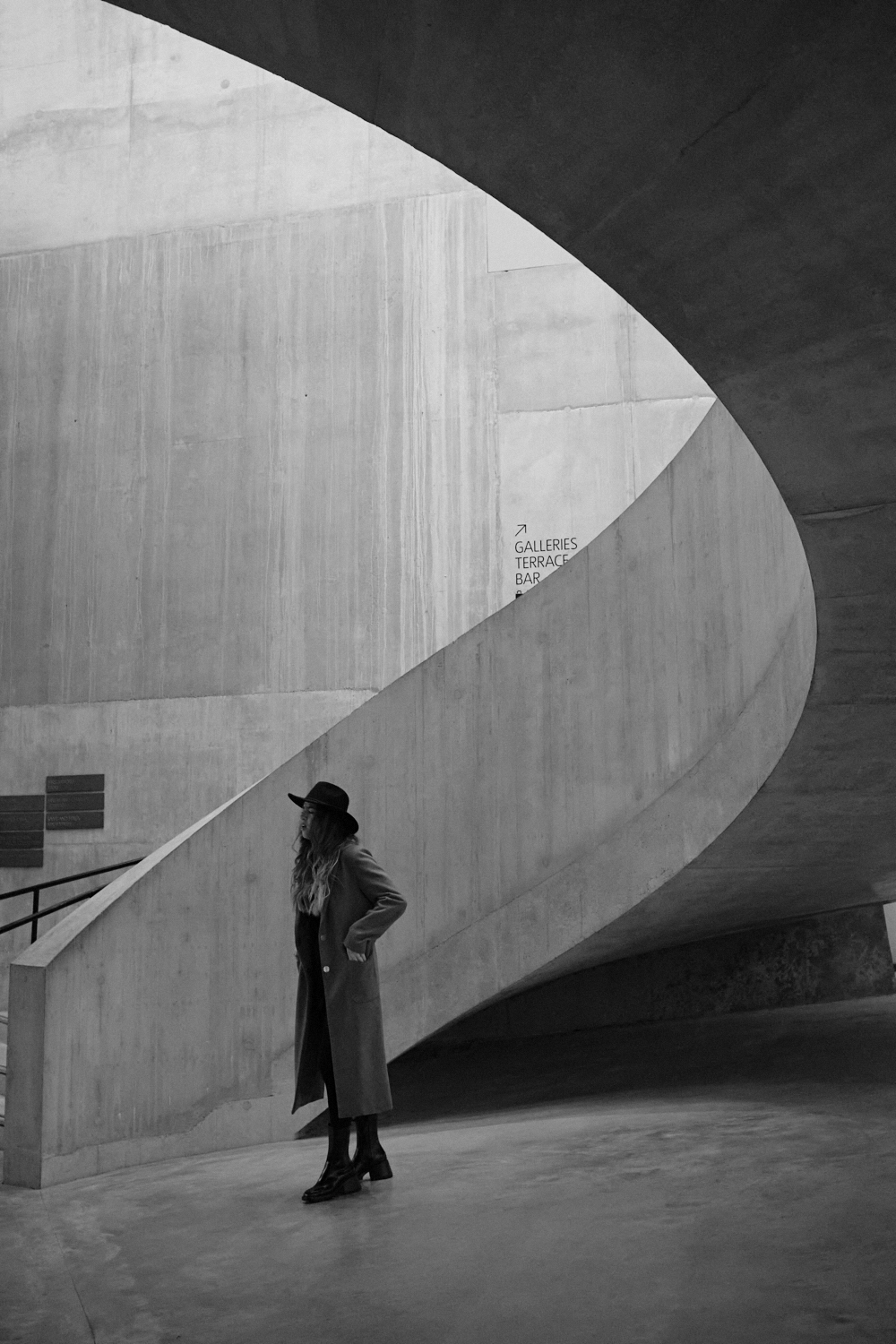
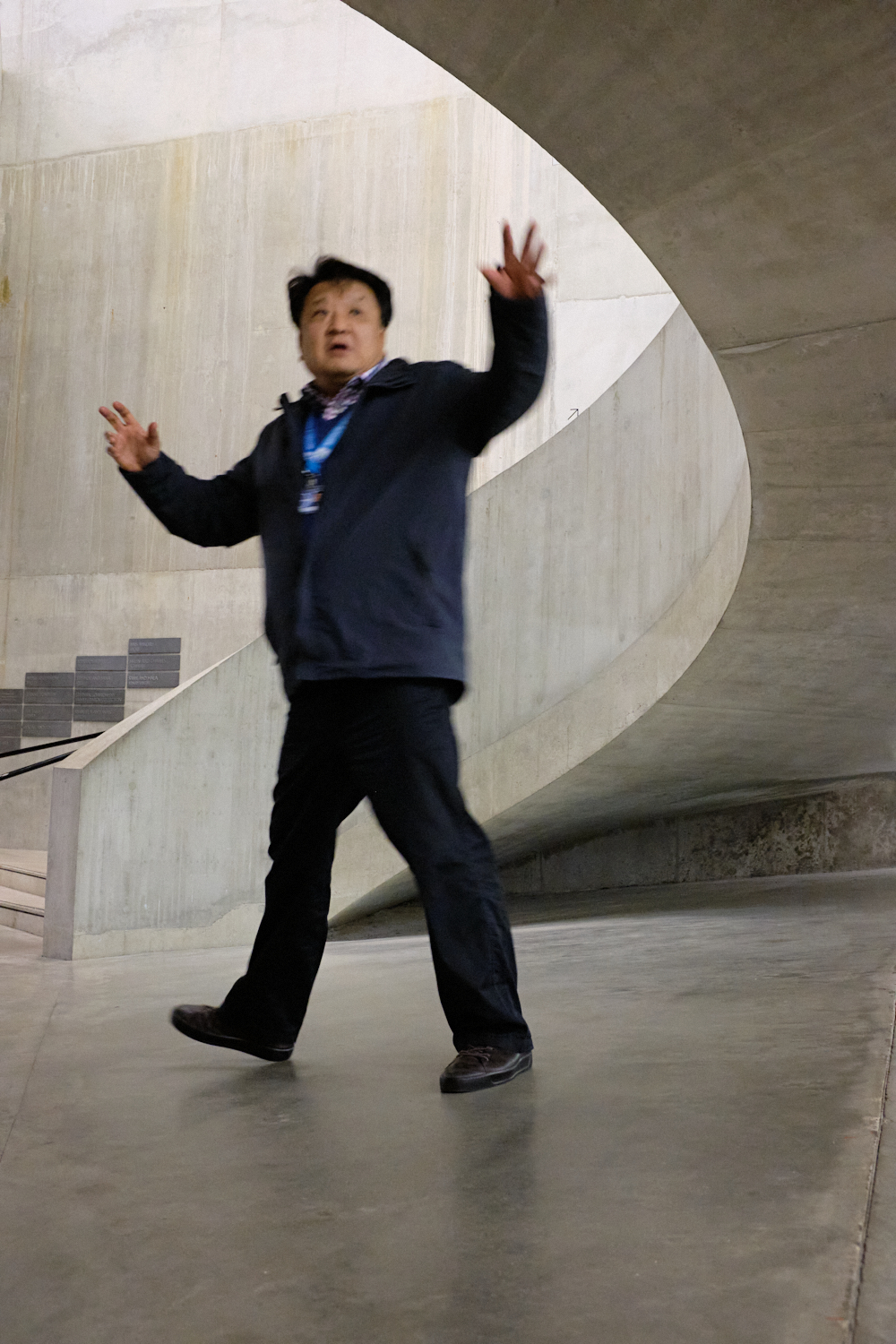
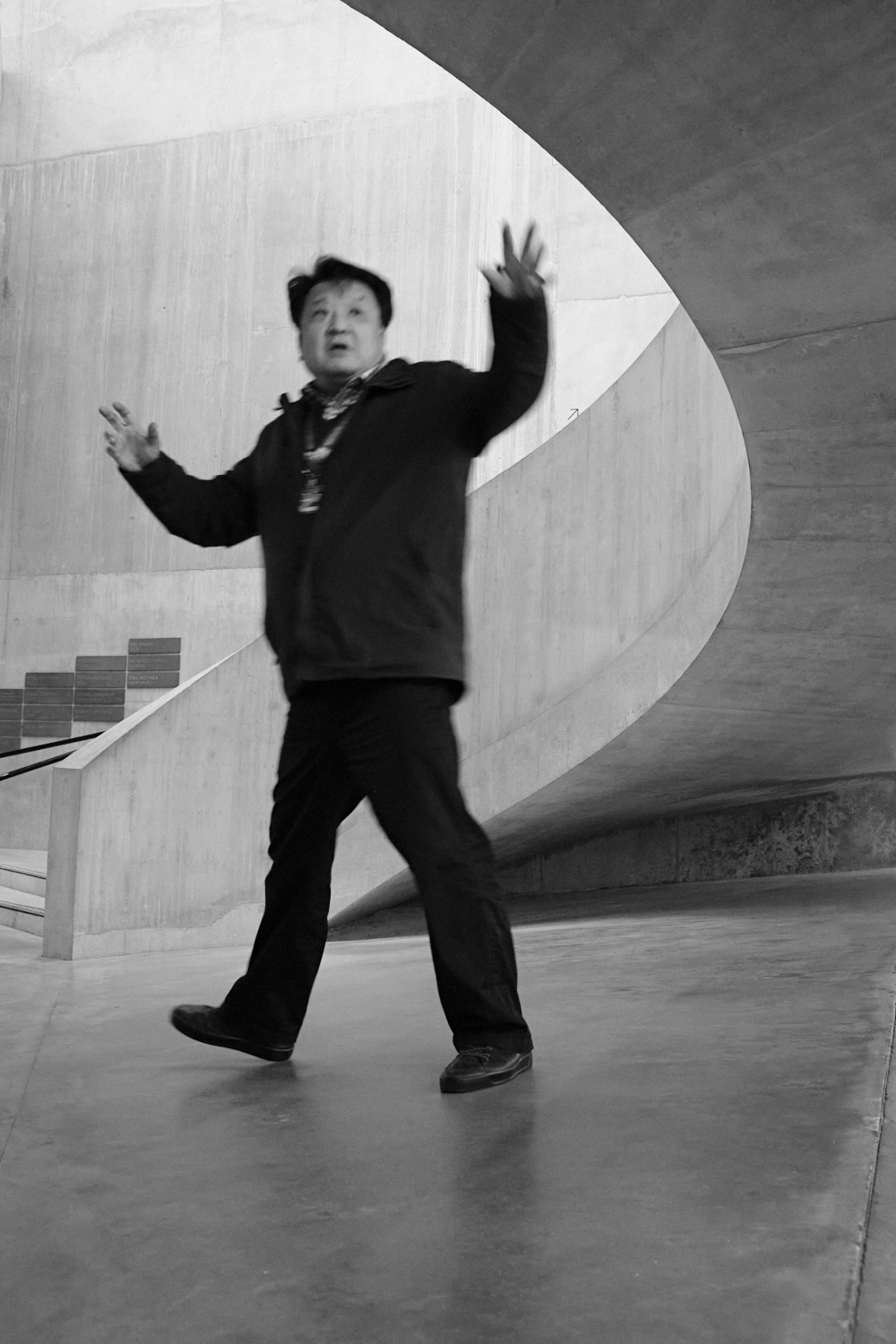
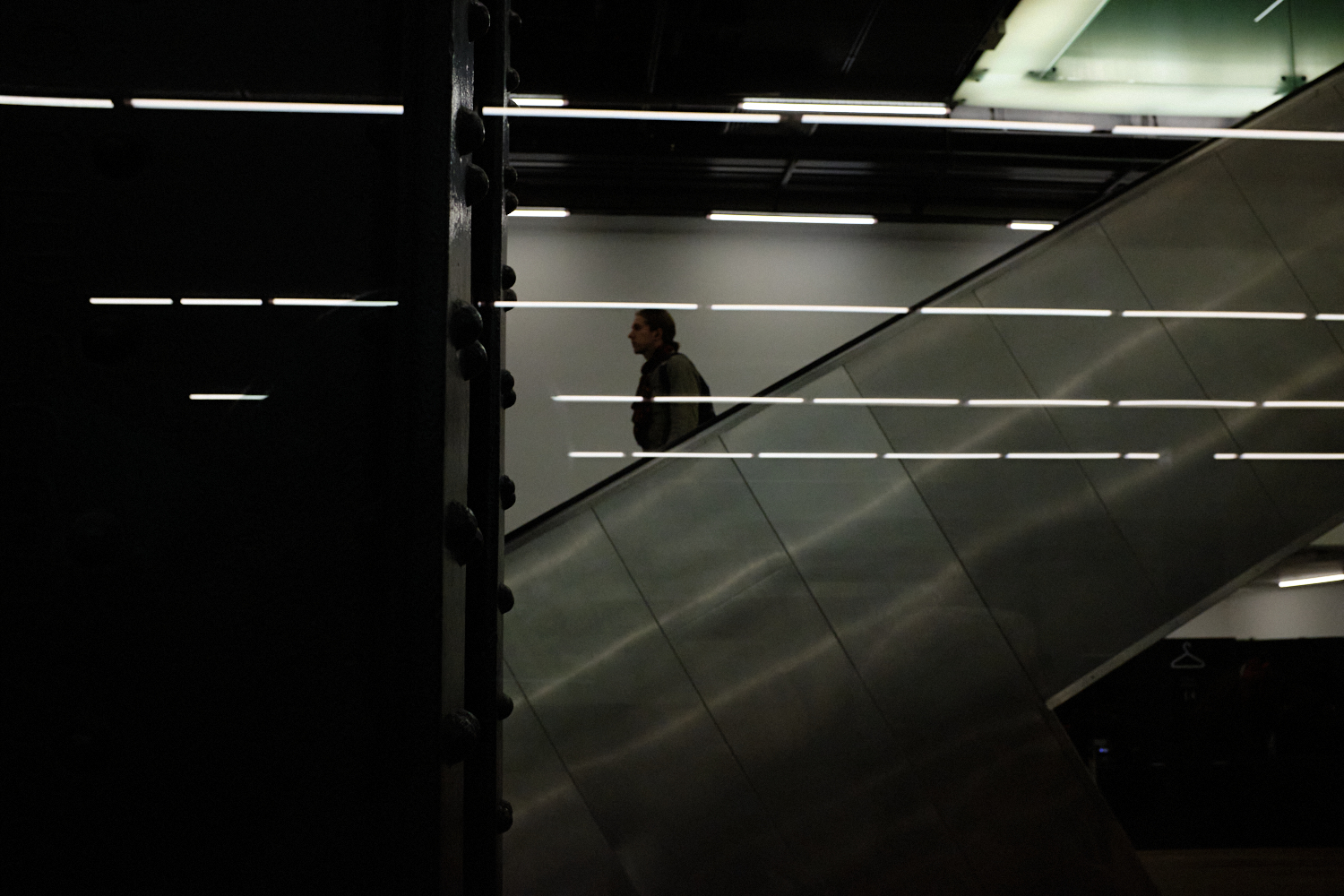
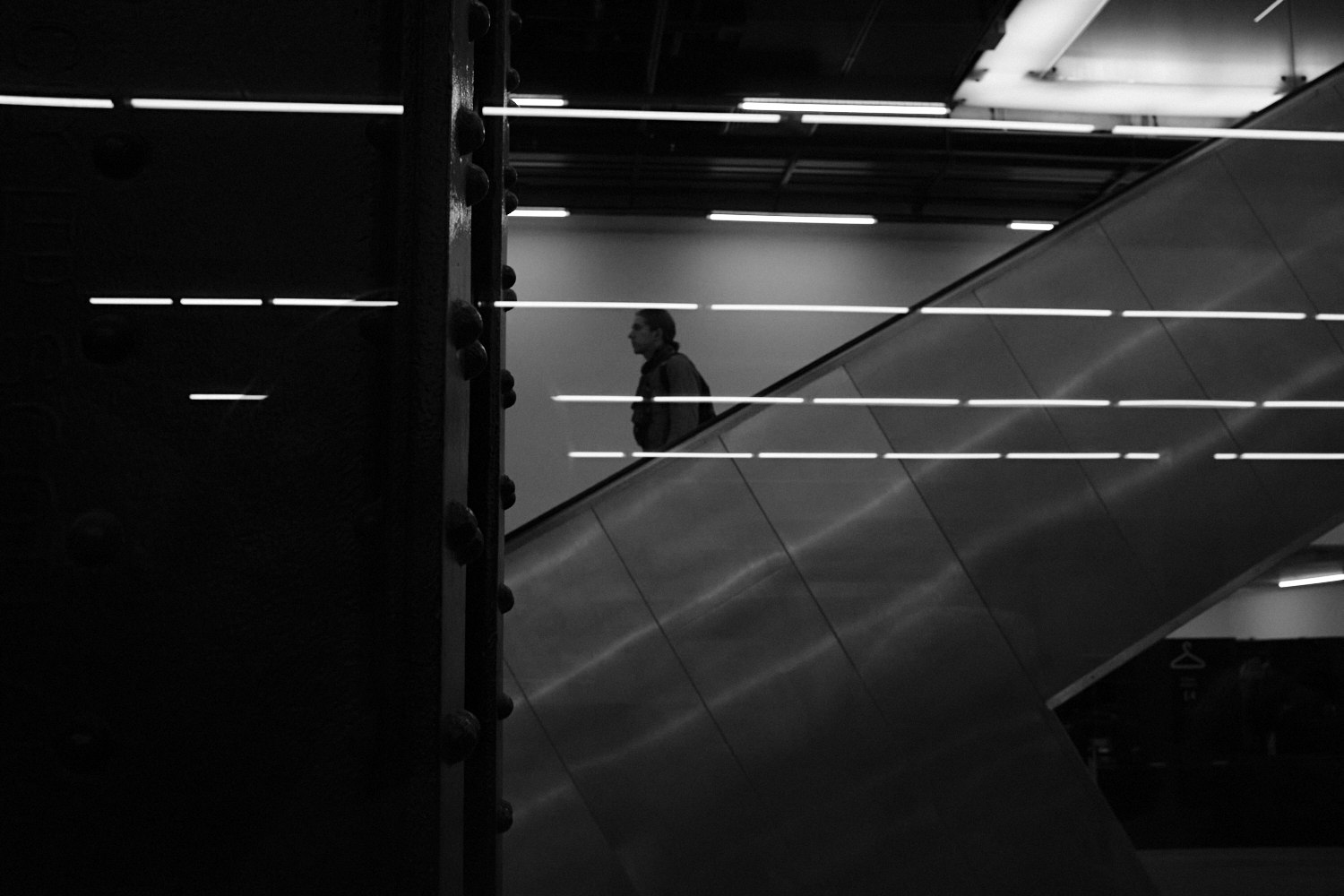
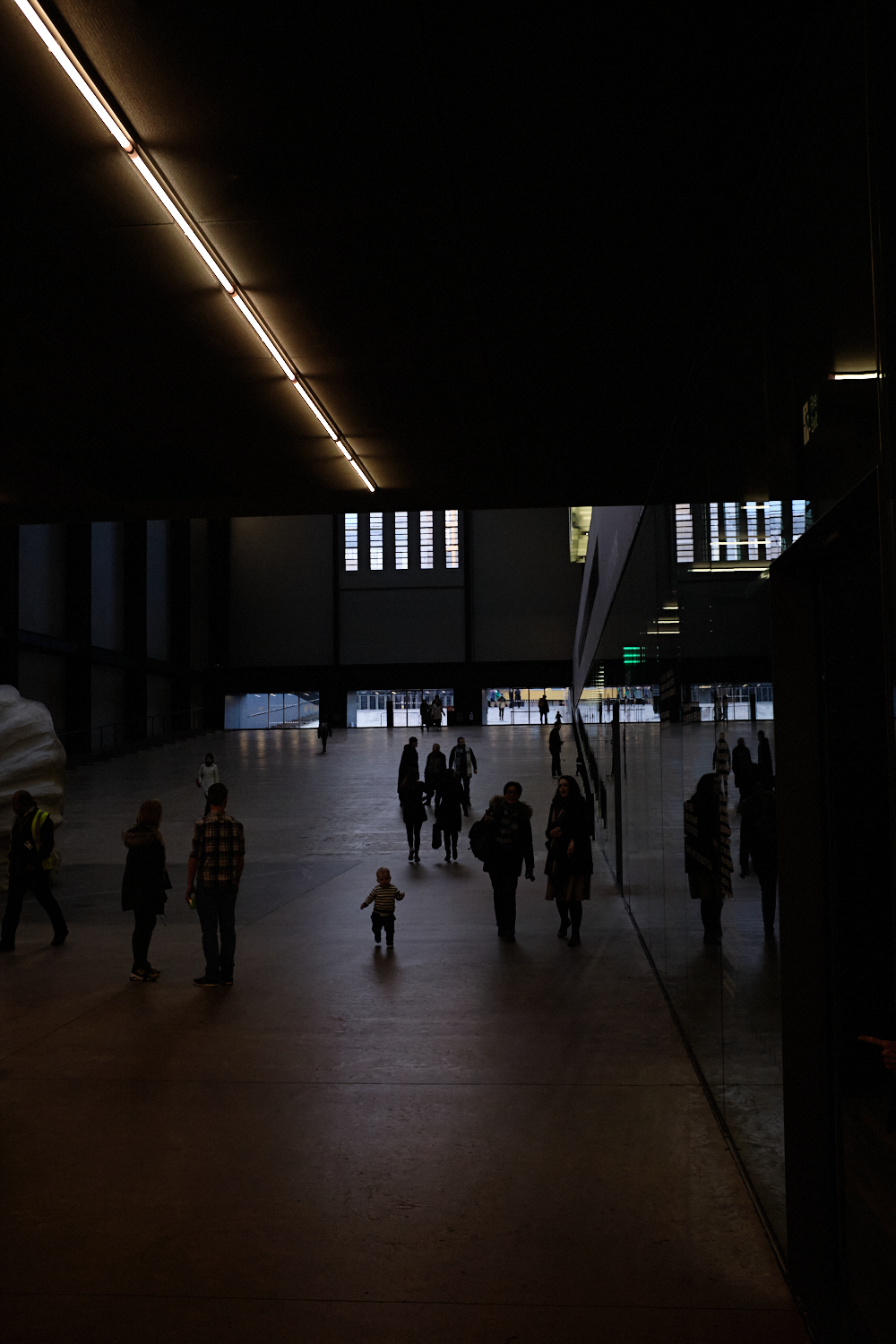
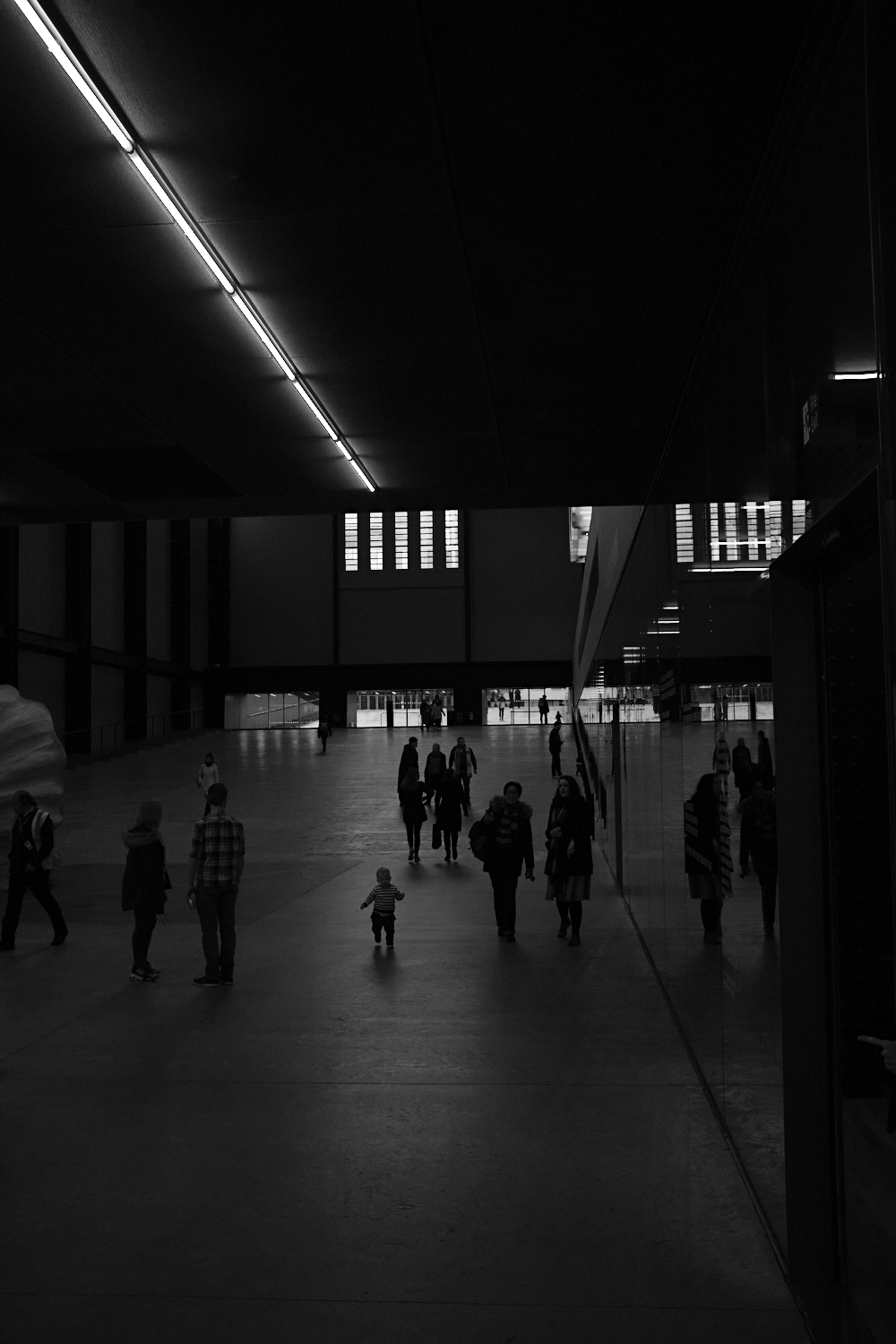
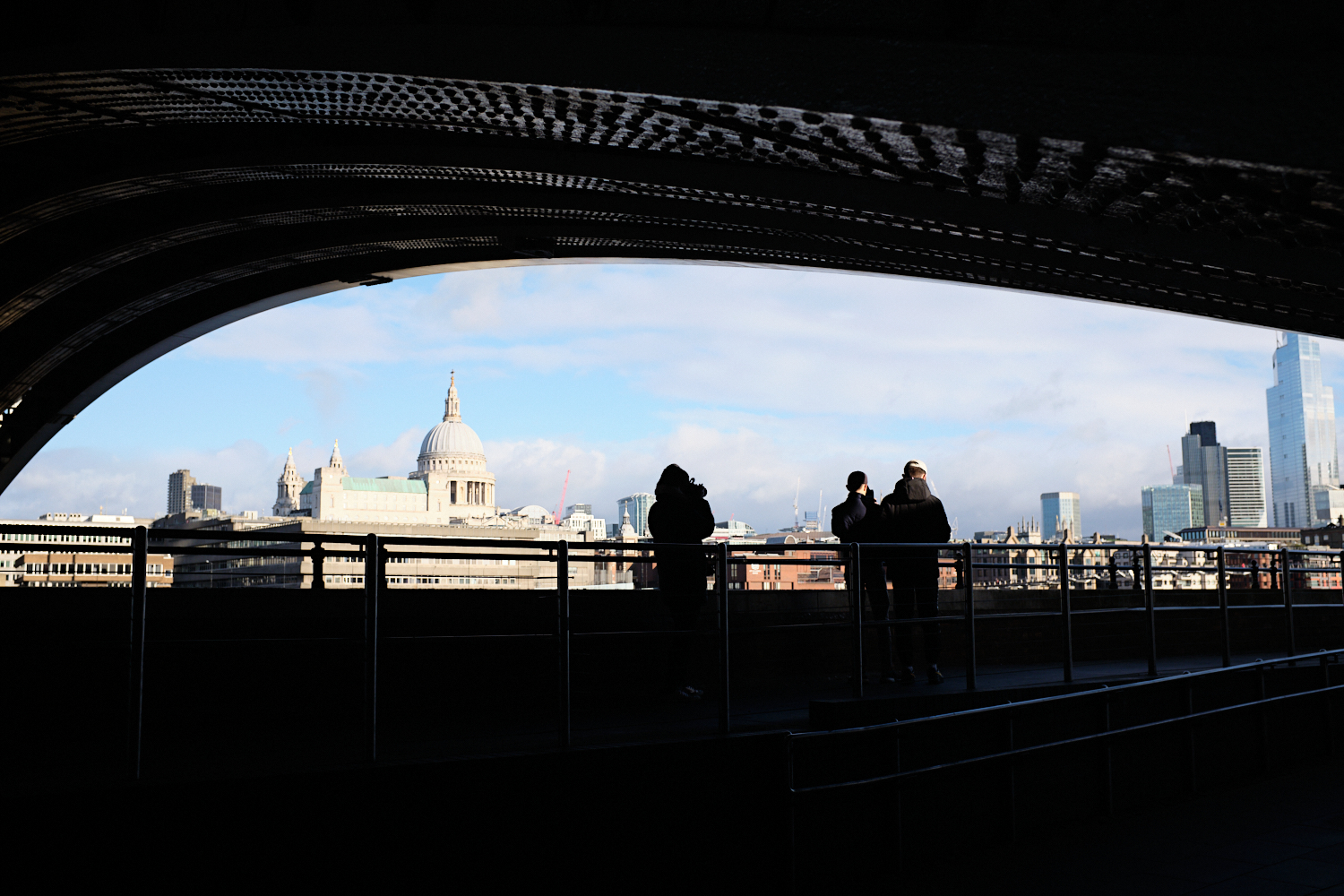
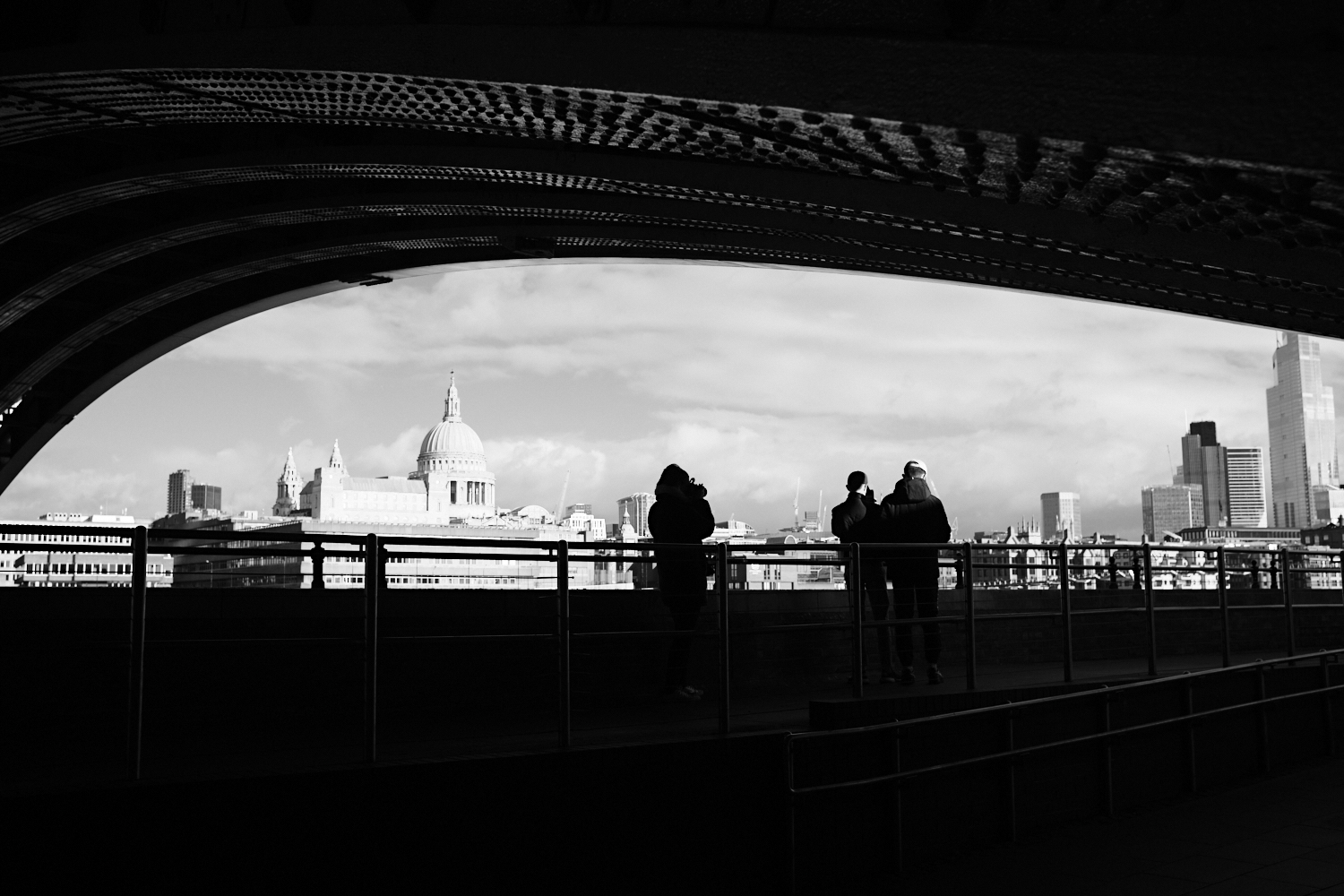
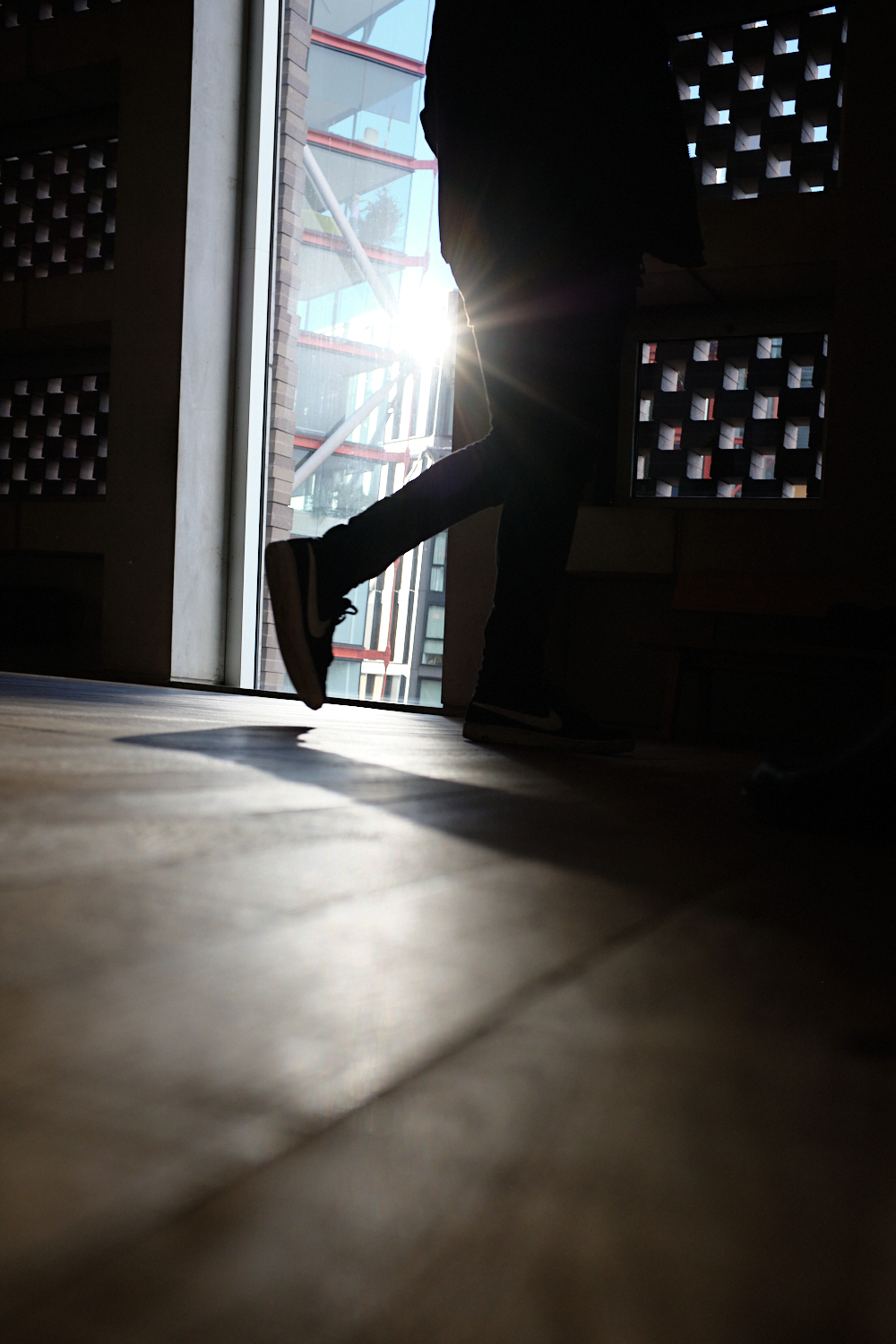
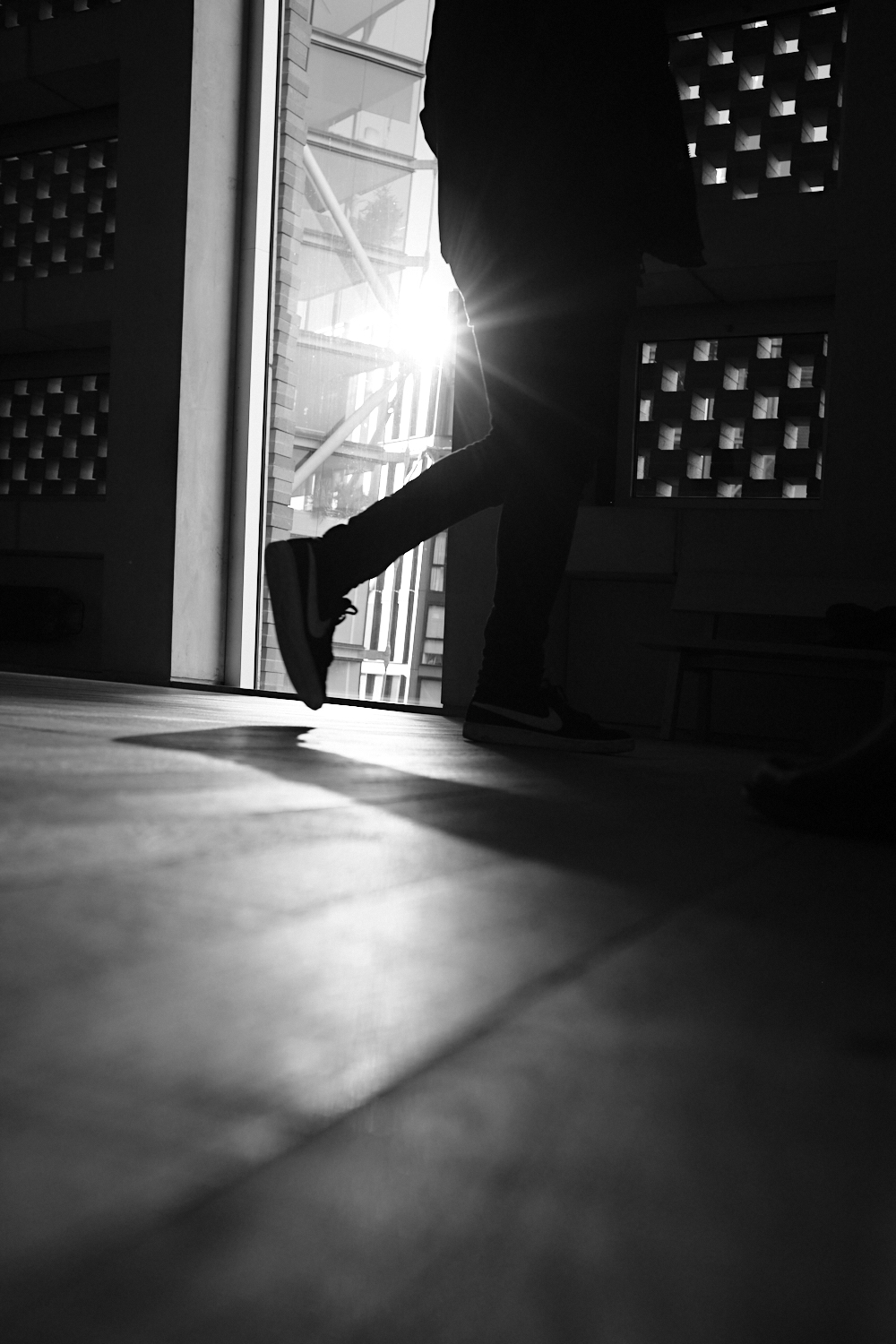
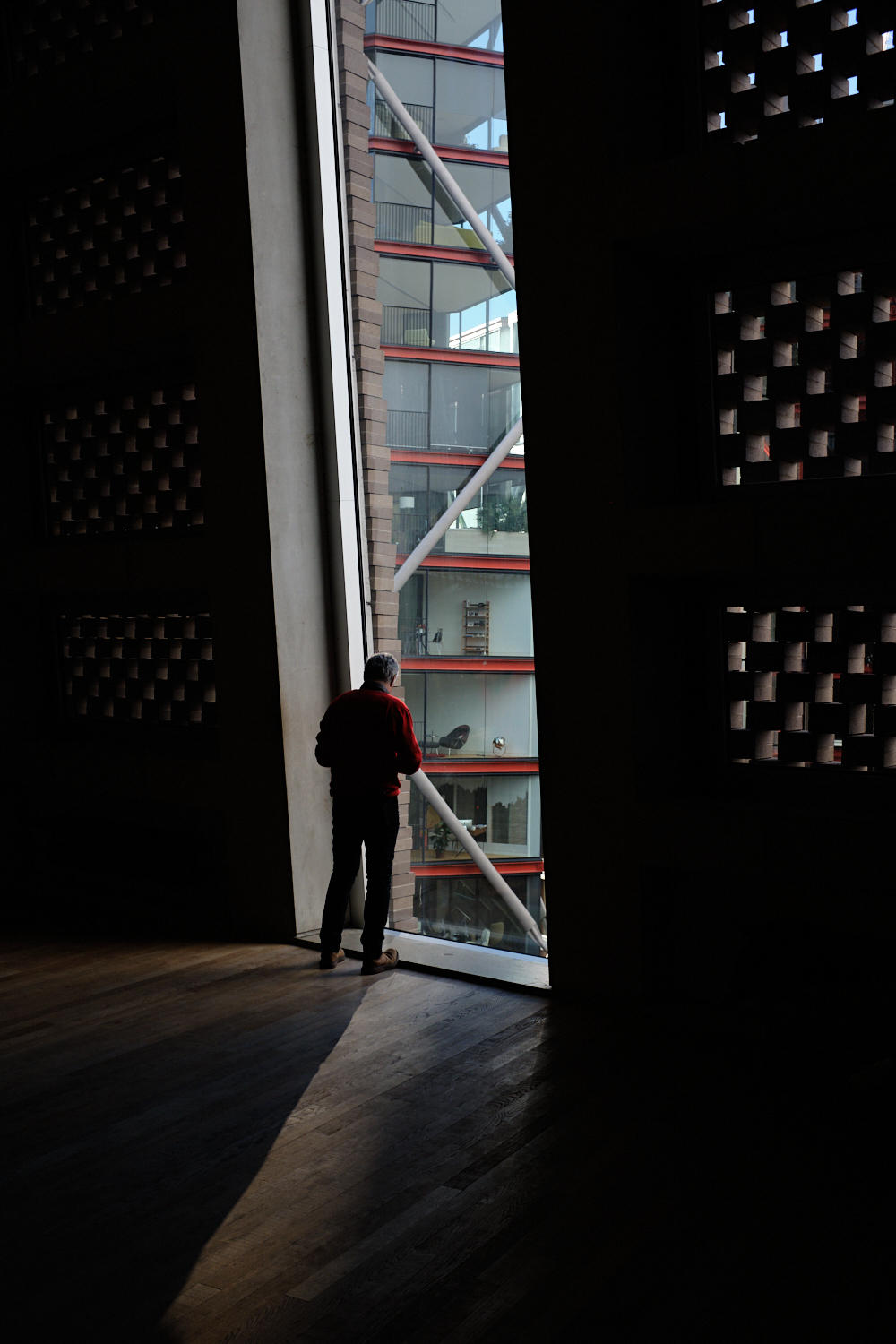
I shoot probably 85% of the time using the in-camera Fujifilm Acros film simulation which is black and white. I really enjoy seeing images in BnW. This for me is stronger than colour. Colour for me works best at night. I believe BnW tells a better story of what it is your trying to capture. These images were taken between Blackfriars Bridge and the Tate Gallery London.
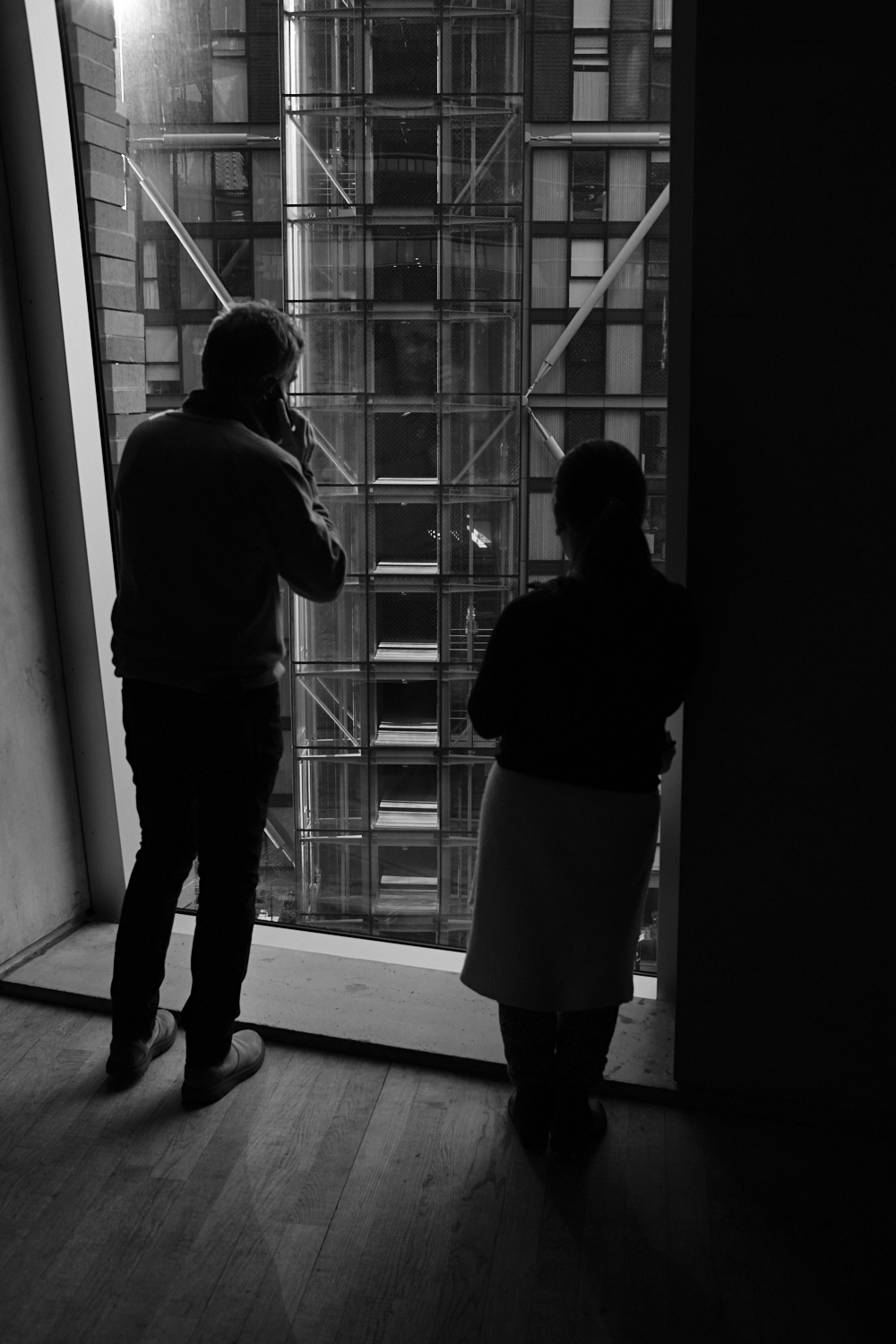
From a personal perspective I like the B&W image more than the colour. These are SOOC unedited or cropped.

20191206-Project-1-Eyewitnesses?

Photos over the years have been used to both manipulate the truth and hide the lies. What one person sees within the image another can perceive as something completely different.

  • What is in the image
  • who is in the image
  • anything else in the frame
  • where is it
  • why has it been taken
  • who’s taken it
  • what’s is it’s intended use
  • is this political
  • is there any financial gain
  • who stands to win from it
  • who stands to lose from it
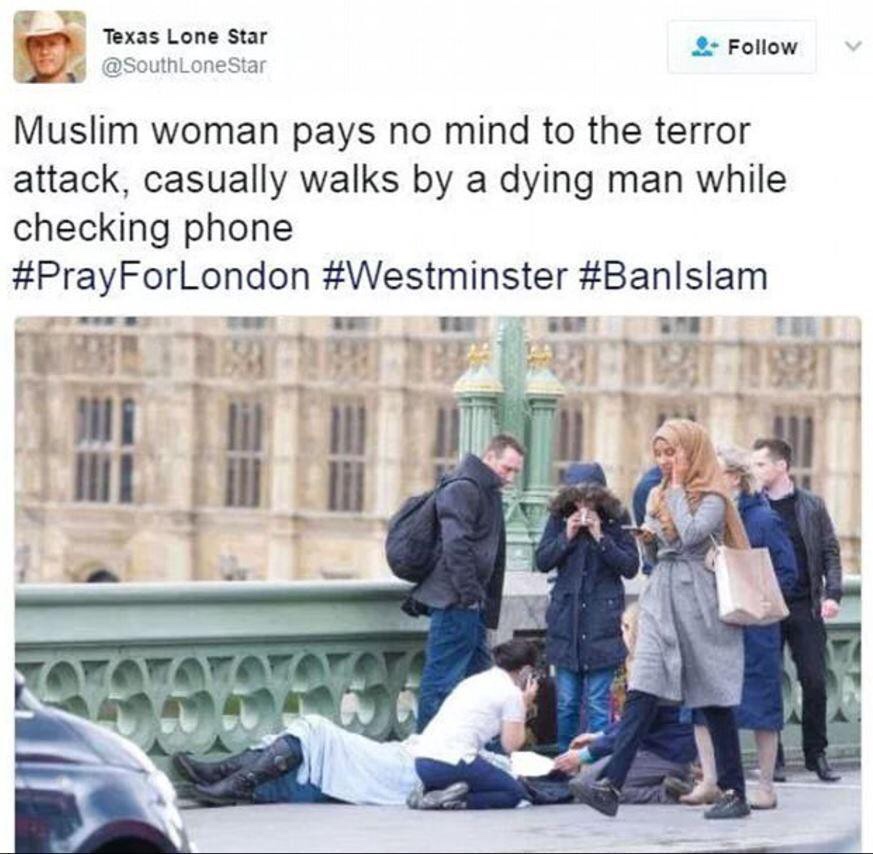
Westminster terror attacks March 2017

I remember seeing the above image and reading so many social media posts and tweets about it. These images are being reported more and moreover in the coming years. There must be at least 90% if not more than having a mobile device that takes both photos and film. Social media accounts let you post both types of media and send these images to live feeds as it unfolds.

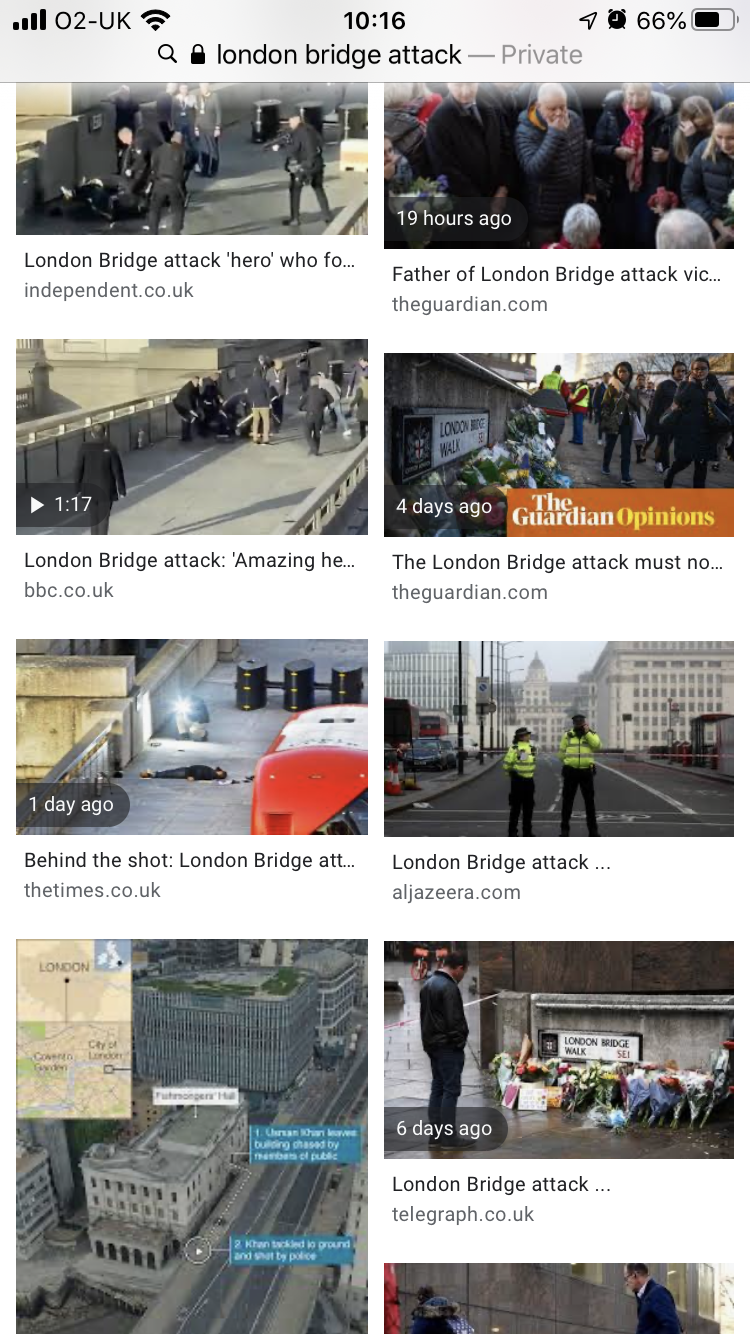
Only the other week as London was hit with Terror again. People filming and taking pictures as the story unfolded.

Some called the public figures heroes for the actions they displayed. While the policeman that shoot and killed the terrorist was called trigger happy by some. It’s only to easy to say something else to what’s being portrayed or captured within the picture.

Screenshot London terror attacks

https://www.google.co.uk/amp/s/www.independent.co.uk/news/uk/home-news/london-bridge-attack-stabbing-terrorist-fire-extinguisher-name-john-crilly-a9235461.html%3famp

Bibliography

Dearden, L. (2019, December 6). London Bridge Attack ‘hero’ Who Fought Terrorist With Fire Extinguisher Named As Convicted Killer. The Independent. Retrieved December 8, 2019, from https://www.google.co.uk/amp/s/ [assessed 20191208]

http://www.independent.co.uk/news/uk/home-news/london-bridge-attack-stabbing-terrorist-fire-extinguisher-name-john-crilly-a9235461.html%3famphttps://medium.com/@journalismblog. (2018, January 7).

The Rise Of Citizen Journalism And Fake News. Medium. Retrieved December 8, 2019, from https://medium.com/@journalismblog/the-rise-of-citizen-journalism-and-fake-news-a643b318591c [assessed 20191208]