20200415-Project 2 Masquerades-exercise

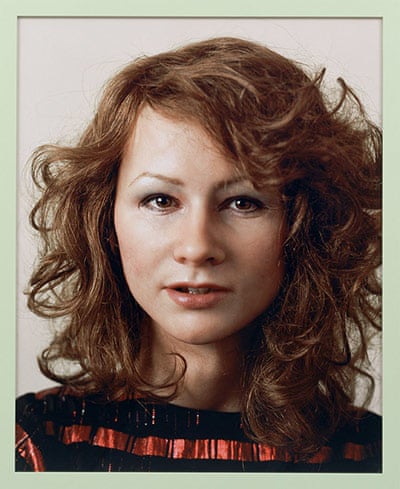
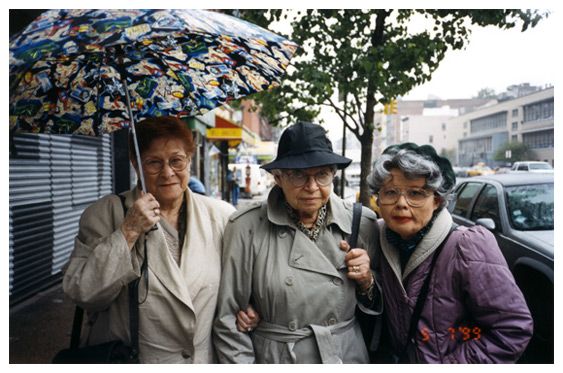
Is there any sense in which Lee’s work could be considered voyeuristic or even exploitative? Is she commenting on her own identity, the group identity of the people she photographs, or both?

It looks like a sense of both to me. An almost kind of look at me and you should be looking at me. Some are easy to understand others id had to look twice and try and understand her concept. Her concept of a point and shoot camera I think works well only due to her being in character. Had this been a studio type set up I don’t think she would have had the same overall effect.
36f7e0cf38a1e9bd12986e7ae40c9d5d
© Nikki S. Lee Untitled, From the Seniors Project, 1999

Voyeuristic

  1. relating to or denoting sexual pleasure gained from watching others when they are naked or engaged in sexual activity.” women as objects of voyeuristic pleasure.”
    • deriving or relating to enjoyment from seeing the pain or distress of others.” the voyeuristic pleasure of spying on relationships under pressure.”

Exploitative

  1. making use of a situation or treating others unfairly to gain an advantage or benefit.” an exploitative form of labour.”

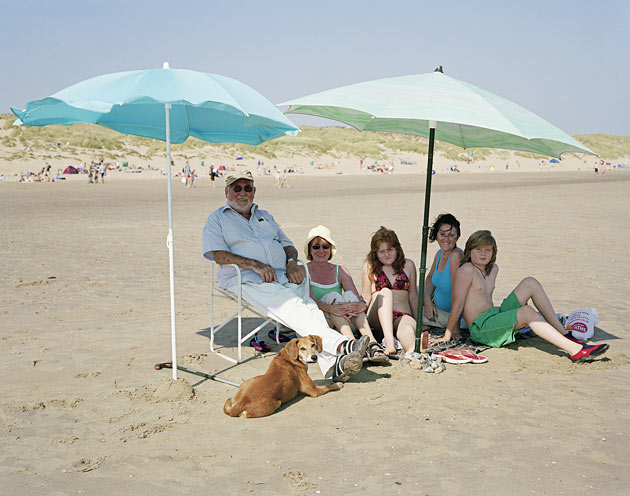
Would you agree to Morrissey’s request if you were enjoying a day on the beach with your family? If not, why not?

Yes, I think id be open to the suggestion, although I do find it a little strange, once she had explained it I would find it rather intriguing to see the final image.
Lou-Soucell
© Trish Morrissey Lou-Soucell 

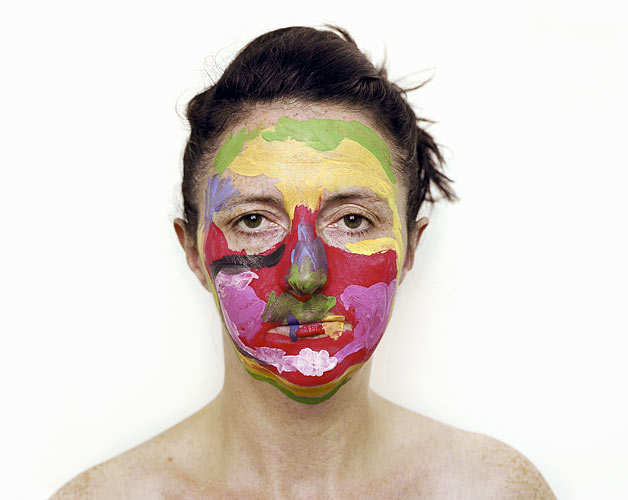
Morrissey uses self-portraiture in more of her work, namely ​Seven​ and ​The Failed Realist​. Look at these projects online and make some notes in your learning log.
Pocahantas
© Trish Morrissey Pocahantas (2011) 

There are some compelling images within here works. Some I find quite disturbing in a way, I’m not a huge fan of portraiture and at times find it hard to see what a photographer is trying to show, this is the same when I look at portraits in an art gallery whether they are oil or watercolour pictures. Some I see the person some I wonder what it is I’m looking at. The ones I find that hold the eye are her failed statement. There is a sense of fun I see in these images from trying to work out what they are before reading the title. Had they not had a title, then I wouldn’t have understood them to be honest.


Bibliography

Creators. (2010, July 21). Photographer Nikki S. Lee Can Turn Into Anyone. YouTube. Retrieved April 15, 2020, from https://www.youtube.com/watch?v=oI8xpJItPVI [assessed 20200415]

(n.d.). Trish Morrissey. Retrieved April 15, 2020a, from https://www.trishmorrissey.com/index.html [assessed 20200415]
(n.d.). Trish Morrissey. Retrieved April 15, 2020b, from https://www.trishmorrissey.com/works_pages/work-sy/workpg-01.html [assessed 20200415]

(n.d.). Trish Morrissey. Retrieved April 15, 2020c, from https://www.trishmorrissey.com/works_pages/work-tfr/workpg-01.html [assessed 20200415]

(n.d.). Trish Morrissey. Retrieved April 15, 2020d, from https://www.trishmorrissey.com/works_pages/work-front/workpg-01.html [assessed 20200415]
 

20200328-Project-Childhood-Memory

recreate a childhood memory in a photograph.

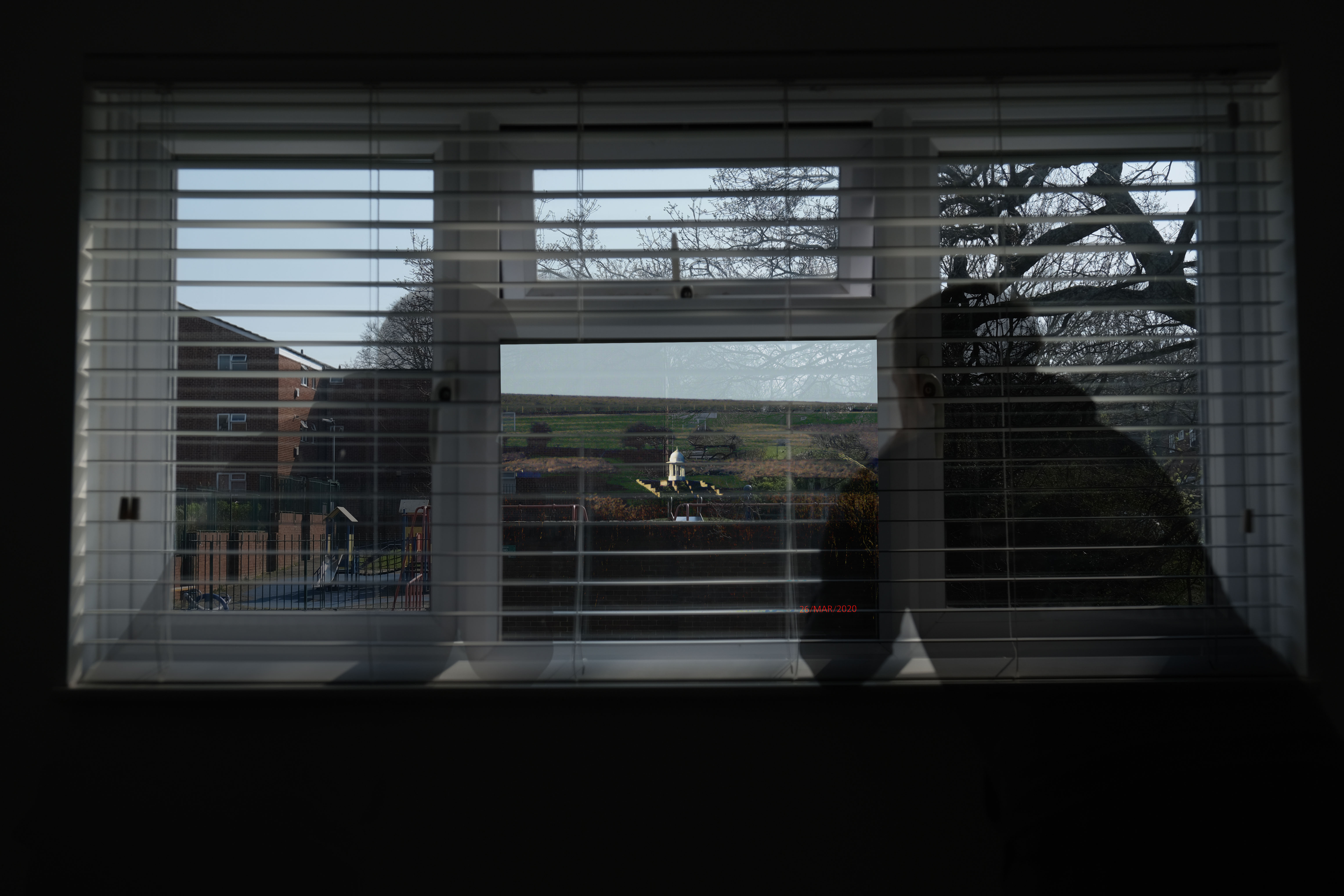
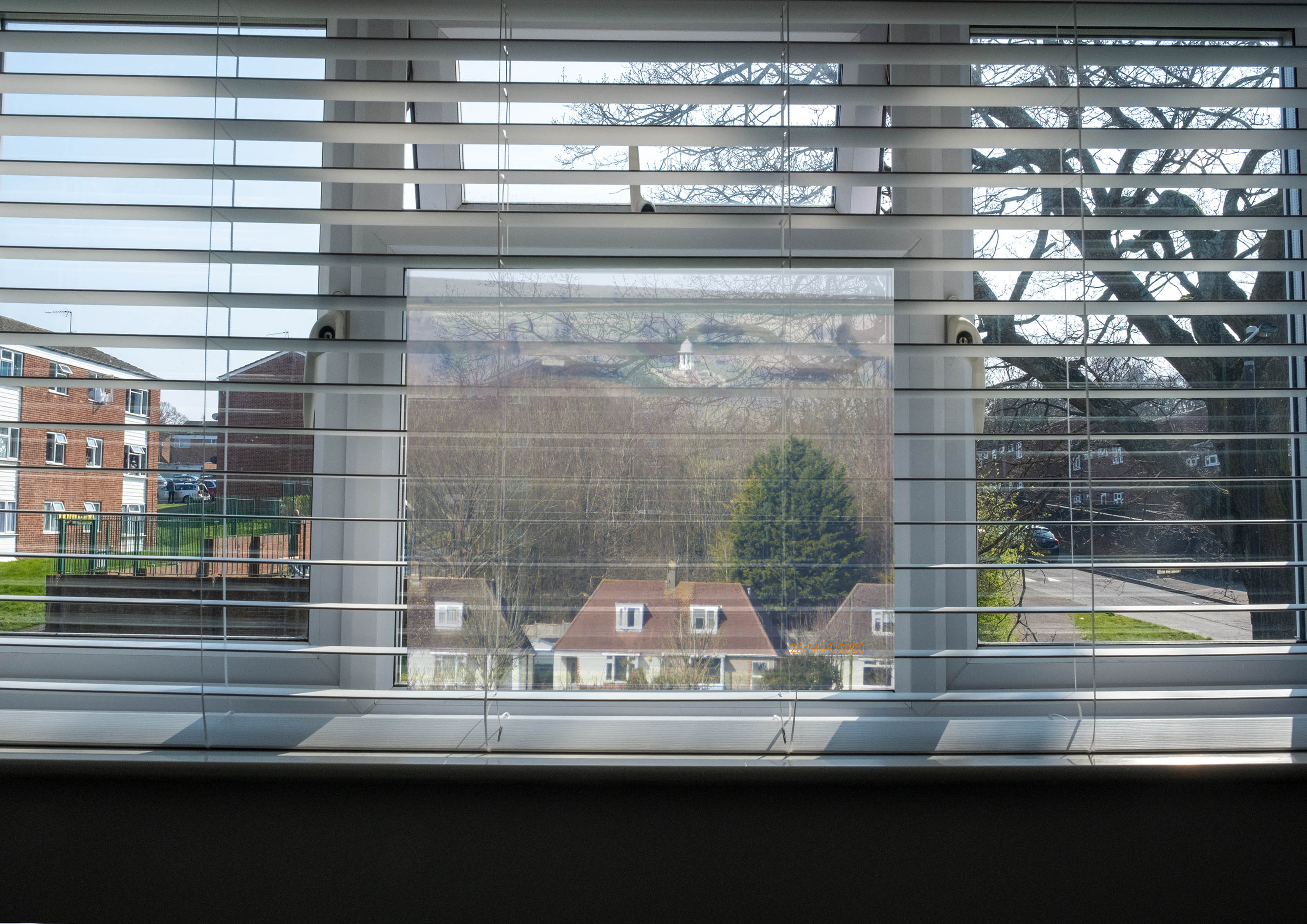
black and white home view Brighton View from Windsor

Well, this has been a challenge in itself with the whole lockdown. How will I create something when we are in lockdown and not allowed to travel. Exercise yes but it wouldn’t be a good decision to travel to where I was brought up in Brighton. So what are we supposed to do in these strange times?

Who better to ask than family members. I thought about the views I enjoyed as a child. First, that comes to mind was the seafront and views of Brighton’s West Pier. If your not aware of it, its become a mystical place in my eyes. It’s pretty mesmerising when you’re sat or stood looking at it. But that wasn’t going to be achieved and not the kind of burden id place on my Dad.

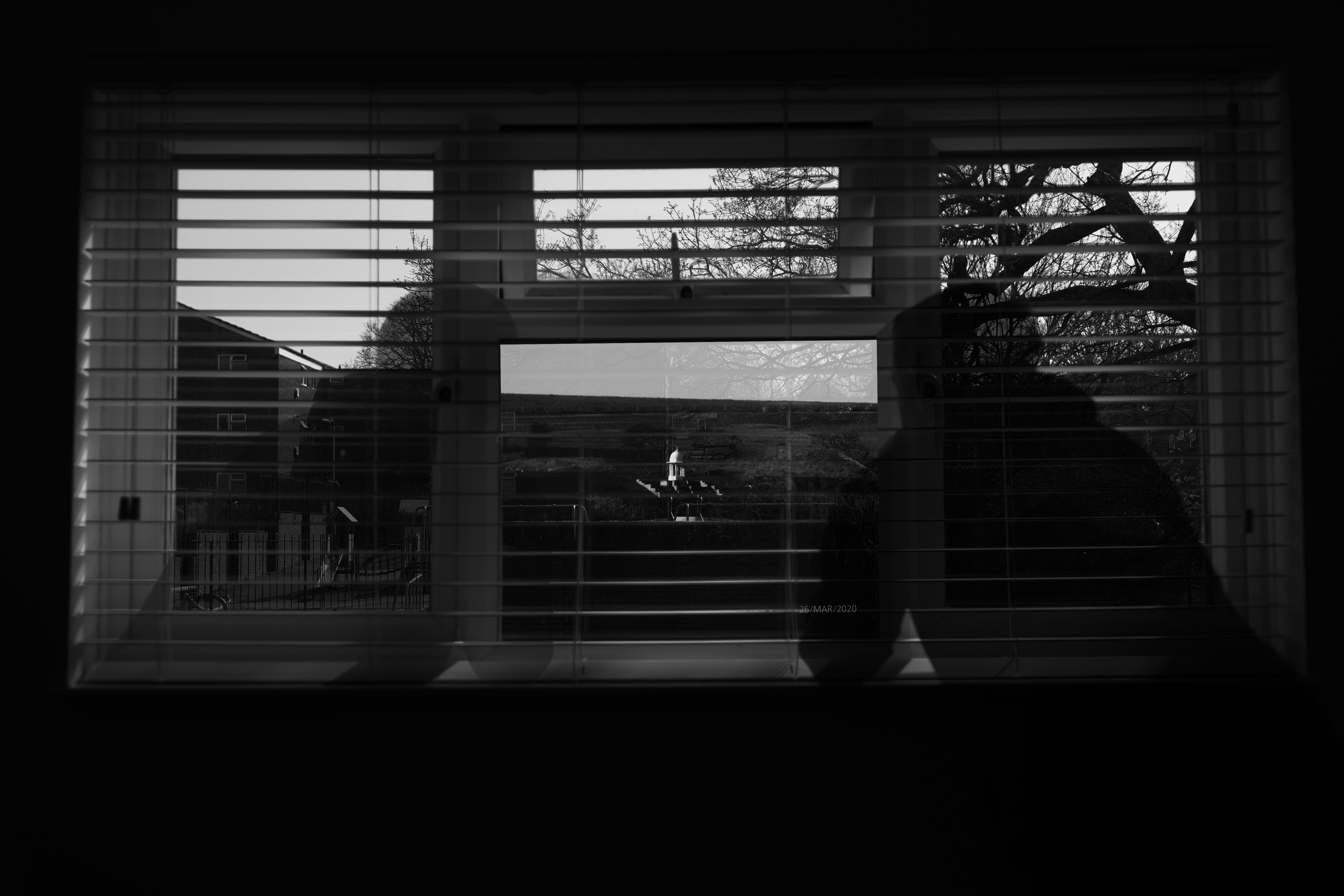
My Dad was the person that got me into photography in the first place and knew he still has a camera and thought about using dad to take an image I wanted. Growing up as a child we had great views over to the South Downs and the fields that surround Brighton, in particular, the view I had from my shared bedroom with my brothers. I would look out to the hills and wonder whos out walking and venture out. The place I could always see was the Chatri a War memorial for the Indian Soldiers from WW1.

This slideshow requires JavaScript.

It gave my Dad something to do and assist me. The idea was for dad to take and image of which I could use. No editing just SOOC image not worrying about the state of the picture just about building the memory.

To build this image was something id thought about for some time, overly this image on an image from my window in Windsor. Using myself in the image with a double exposure trying to portray one view from Windsor and the other from Brighton. Using photoshop to blend both images and reduce the opacity so that the image can be seen.

childhood view 002 Double exposure and use of layers in PS

my childhood view

Bibliography

Wikipedia. (2020, March 29). Chattri, Brighton. Wikipedia. Retrieved March 28, 2020, from https://en.wikipedia.org/wiki/Chattri,_Brighton [assesed 20200328]

20200322-Exercise Putting yourself in the picture

Exercise
Reflect on the pieces of work discussed in this project in your learning log and do some further research of your own.
Here are a few questions you might ask yourself:
• How do these images make you feel?
• Do you think there’s an element of narcissism or self-indulgence in focusing on your own identity in this way?
• What’s the significance of Brotherus’s nakedness?
• Can such images ‘work’ for an outsider without accompanying text?
• Do you think any of these artists are also addressing wider issues beyond the purely personal?
Make some notes in your learning log.

Having looked at some of the images in the course handbook. I find these types of pictures hard to understand what it is I’m looking at and for?

I don’t find images like these have any form of connection when I look at them. Even by reading about the artist and seeing more artworks by them. I just can’t see it. I’m sorry, but I have to find a connection with the photographer. Probably one reason why I don’t like portraiture style of photography.

“I’m showing this series of photographs to give a visibility to those whose treatments lead nowhere. The hopeless story with an unhappy end is the story of the majority. My way of discussing the matter is to give out the pictures, not to give an interview. I’m not sure if I will be able to actually speak about this. I’m still too sad. This is the saddest thing that has happened to me since my mother’s death. Yet, I’m tired of lying and inventing excuses to this or that medication, not drinking, having to cancel trips etc. People these days aren’t ashamed of talking about sex, psychological problems, alcohol and drugs, but for some reason involuntary childlessness is very much a taboo topic….
Elina Brotherus

The above quote from the OCA coursebook. I find quite hard to understand but I know of individuals suffering with PTSD. That I can understand as I know them but there are also individuals I know using it as a way to try and beat the system so that they can benefit from it.

Gillian Wearings images I find quite strange and scary. Who is she and is she hiding from something?

So many individuals hide behind a mask to conceal something, whether this is emotions or something a little deeper with meaning behind it or not.

Gillian Wearing

• How do these images make you feel? I have no feeling towards them, If anything it’s a feeling of unknown.
• Do you think there’s an element of narcissism or self-indulgence in focusing on your own identity in this way? Some may say yes there is but in these images had the beauty shown the face I would say yes. But the face is being hidden in most. So I would say no.
• What’s the significance of Brotherus’s nakedness? Nakedness I believe is a simple way of showing forms of emotions and we enter this world naked and unprotected for a split second.
• Can such images ‘work’ for an outsider without accompanying text? Simple text or not I still do not understand them.
• Do you think any of these artists are also addressing wider issues beyond the purely personal? Probably is the likely answer. Every photographer will try and resolve issues in images nowadays. It’s a modern media form where you have thousands if not millions able to see things. You just have to hope the majority can see what you are trying to portray the narrative is.

Bibliography

https://www.theguardian.com/artanddesign/gallery/2012/mar/27/gillian-wearing-takeover-mask%5Bacessed 080420]

20200311-project 2 Image & Text

I’d missed this project whilst worrying about what the next assignment would be on.

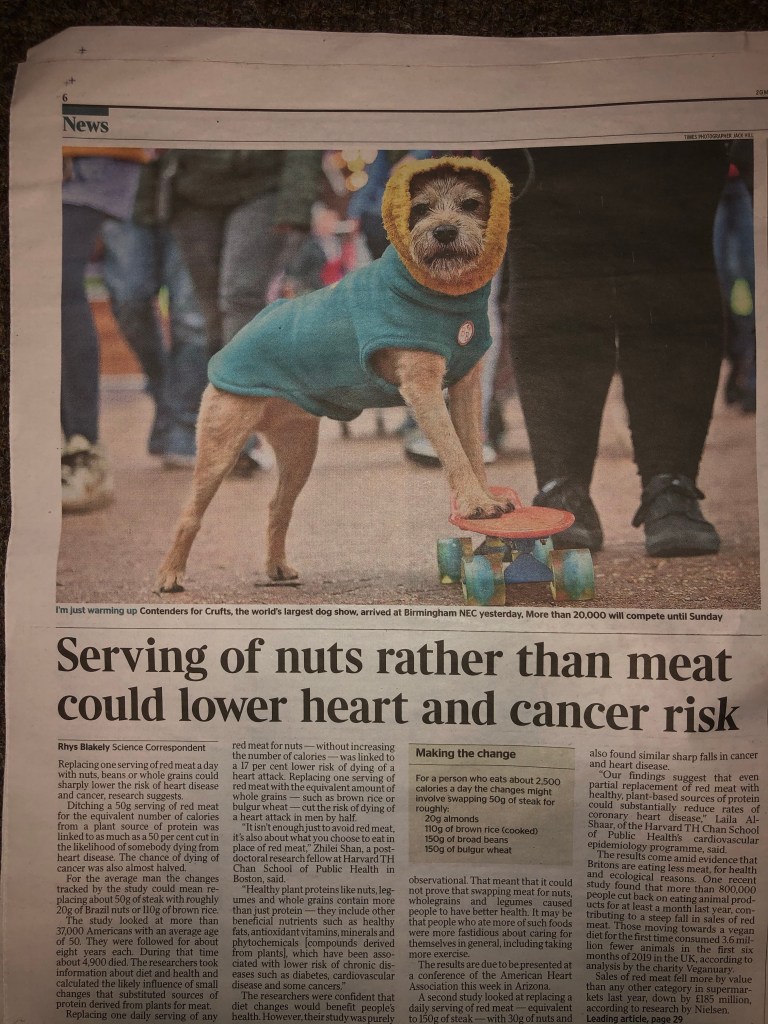
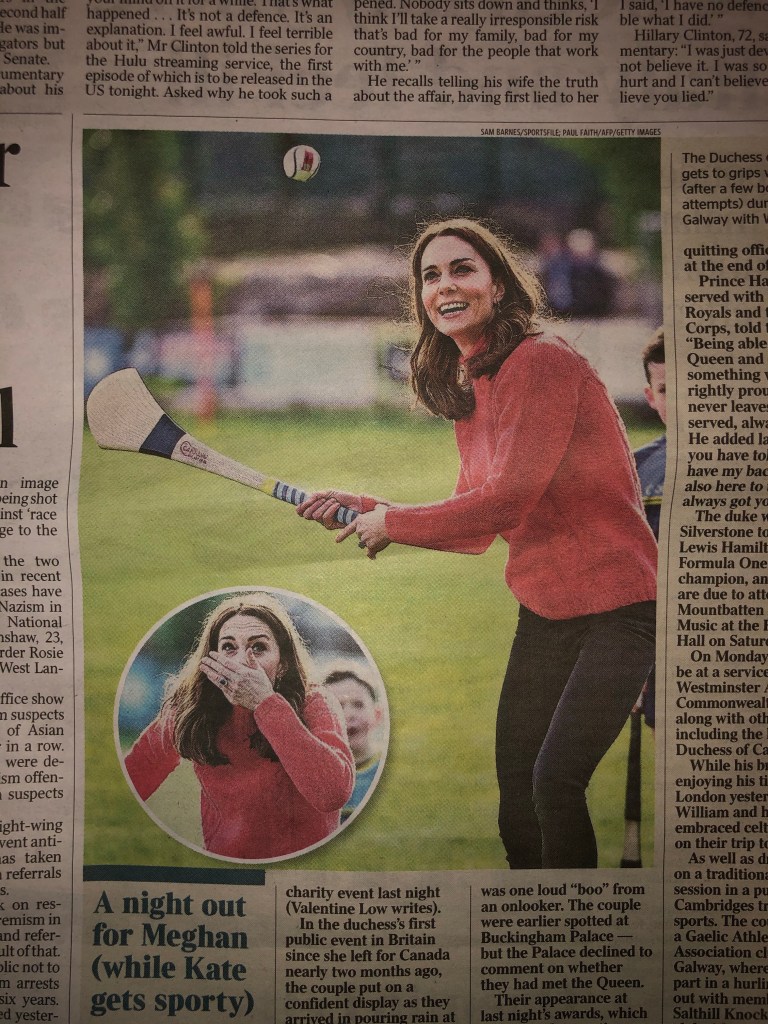
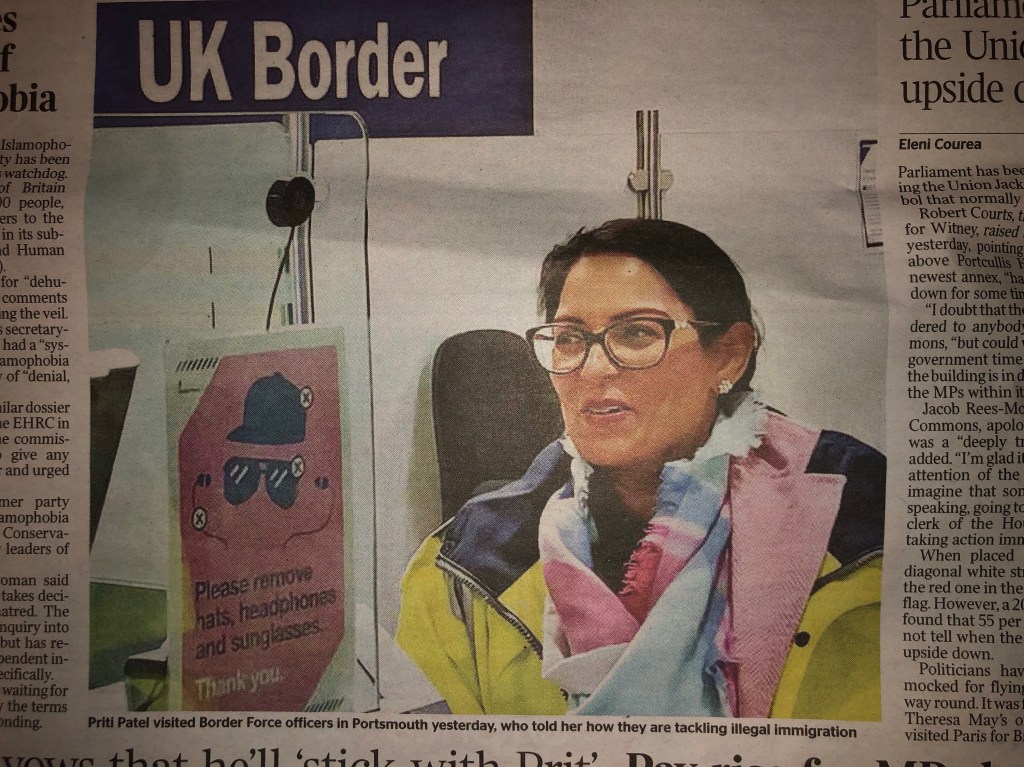
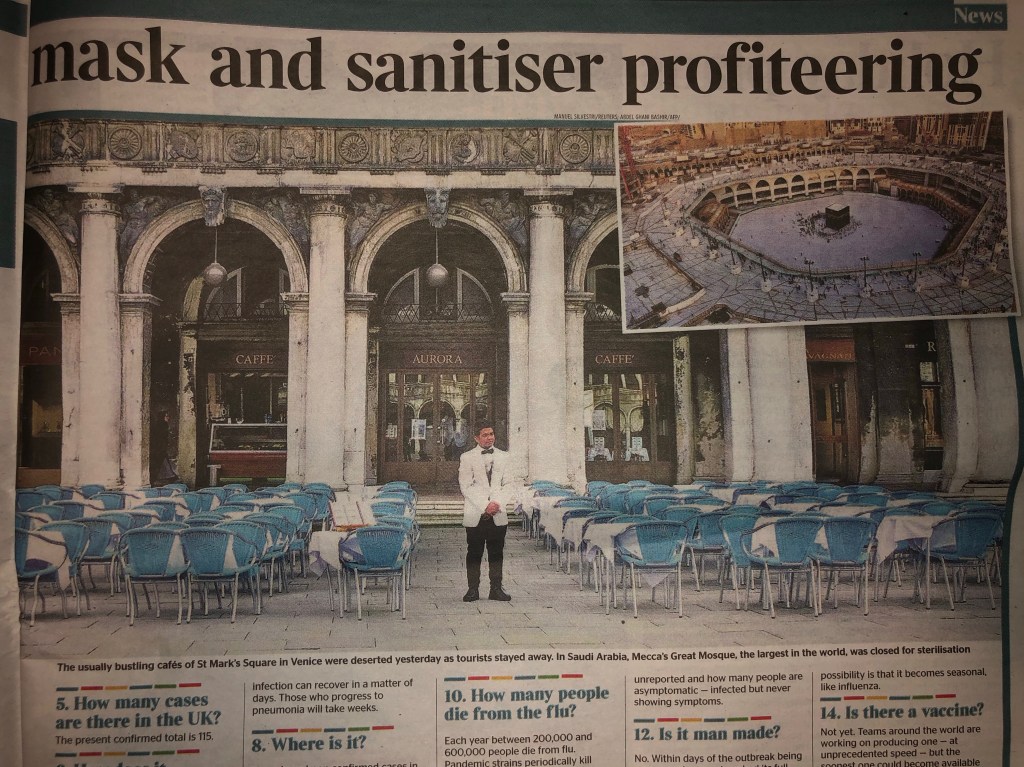
Anchor and Relay

Screenshot from C&N
Dogs told to wrap at warm, as harst weather hits the UK
Kate caught for a duck
Priti Patel asked to remove glasses after struggling to read the sign.
Cafe in St Marks square is open for business as usual

It’s intriguing how you can change a title whether it’s a complete rewrite, added humour or a slight bend of the truth.

My original thought was to add humour to the images which changes the meaning fully. It’s too easy to add that. So by looking at the image again and seeing other details in the image you can change a picture title. Quite hard in a way.

20200208-Project 3- Exercise-Peter Mansell


• Which of these projects resonates most with you, and why?

I found I could resonate to Peter Mansell project more than the others. I find photography a kind of mental therapy to keep the mind occupied and working. So many people suffer in silence in today’s modern world. I’m not a person that can let feelings go through talking unless it with people with common ground. Expressing one’s thoughts through photos for myself, I find easy and quite liberating at times.


• How do you feel about the loss of authorial control that comes when the viewer projects their own experiences and emotions onto the images you’ve created?

I see that as a compliment to the photographer more than anything else. I had some recent comments made on the images I took of graves from Brookwood Military Cemetery. I would say this is the same for both a written article, TV/Film productions. So many viewers can resonate to pictures with personal feelings.

I think to look at an image and not seeing anything that doesn’t resonate your not looking correctly or close enough.

20200207-Project Two- Image and Text-Exercise-Poem

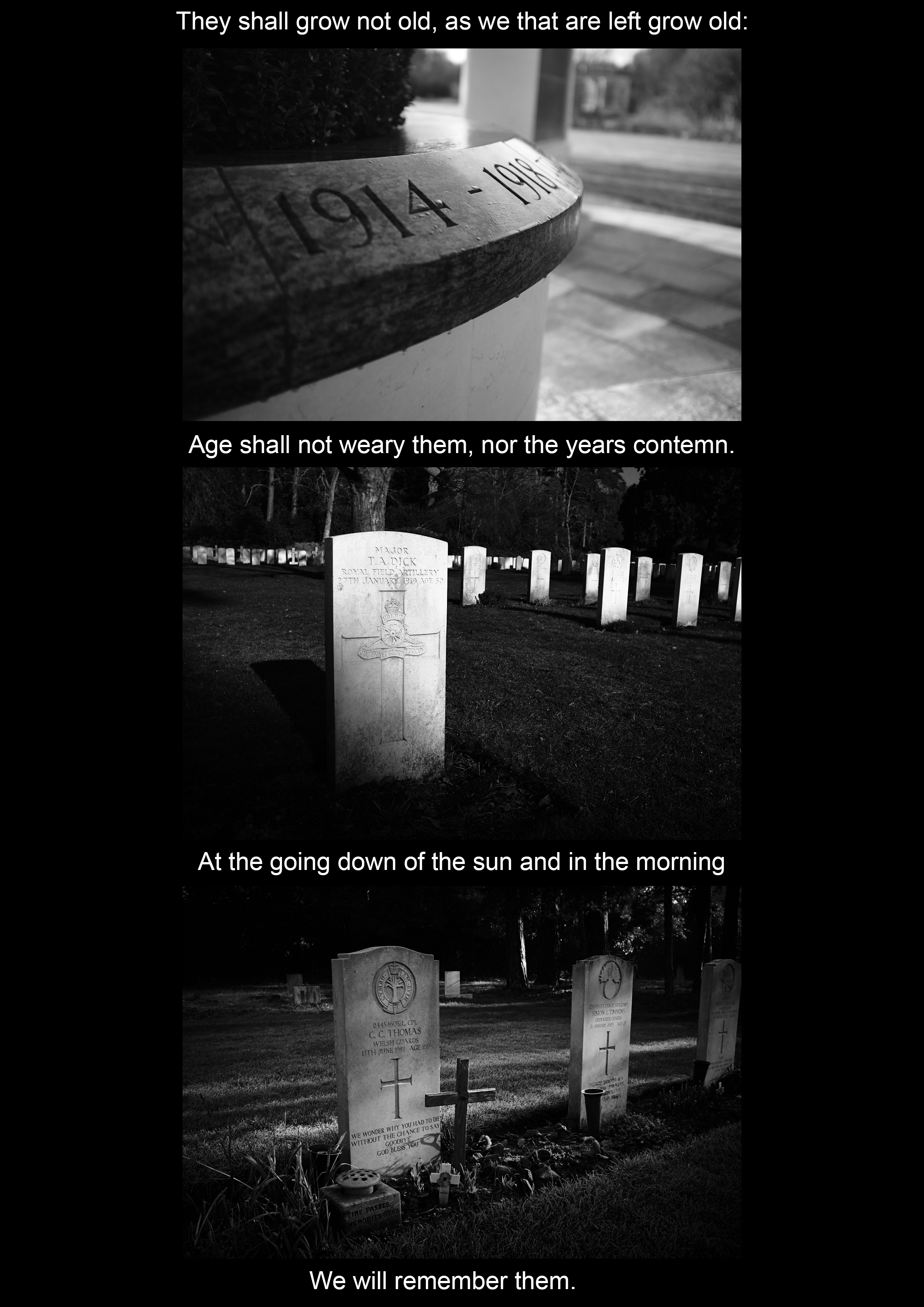
The aim of this exercise was to take a poem that resonates with you. For this I didn’t take a full poem but the part that sits deeply with me. The poem I have chosen is by Laurence Binyon’s “For the Fallen”

brookwood mil cem trip

brookwood mil cemt trip 2

brookwood mil cem trip 4

For the Fallen

With proud thanksgiving, a mother for her children,
England mourns for her dead across the sea.
Flesh of her flesh they were, spirit of her spirit,
Fallen in the cause of the free.
Solemn the drums thrill; Death august and royal
Sings sorrow up into immortal spheres,
There is music in the midst of desolation
And a glory that shines upon our tears.
They went with songs to the battle, they were young,
Straight of limb, true of eye, steady and aglow.
They were staunch to the end against odds uncounted;
They fell with their faces to the foe.
They shall grow not old, as we that are left grow old: 
Age shall not weary them, nor the years condemn.
At the going down of the sun and in the morning
We will remember them.
They mingle not with their laughing comrades again;
They sit no more at familiar tables of home;
They have no lot in our labour of the day-time;
They sleep beyond England’s foam.
But where our desires are and our hopes profound,
Felt as a well-spring that is hidden from sight,
To the innermost heart of their own land they are known
As the stars are known to the Night;
As the stars that shall be bright when we are dust,
Moving in marches upon the heavenly plain;
As the stars that are starry in the time of our darkness,
To the end, to the end, they remain.
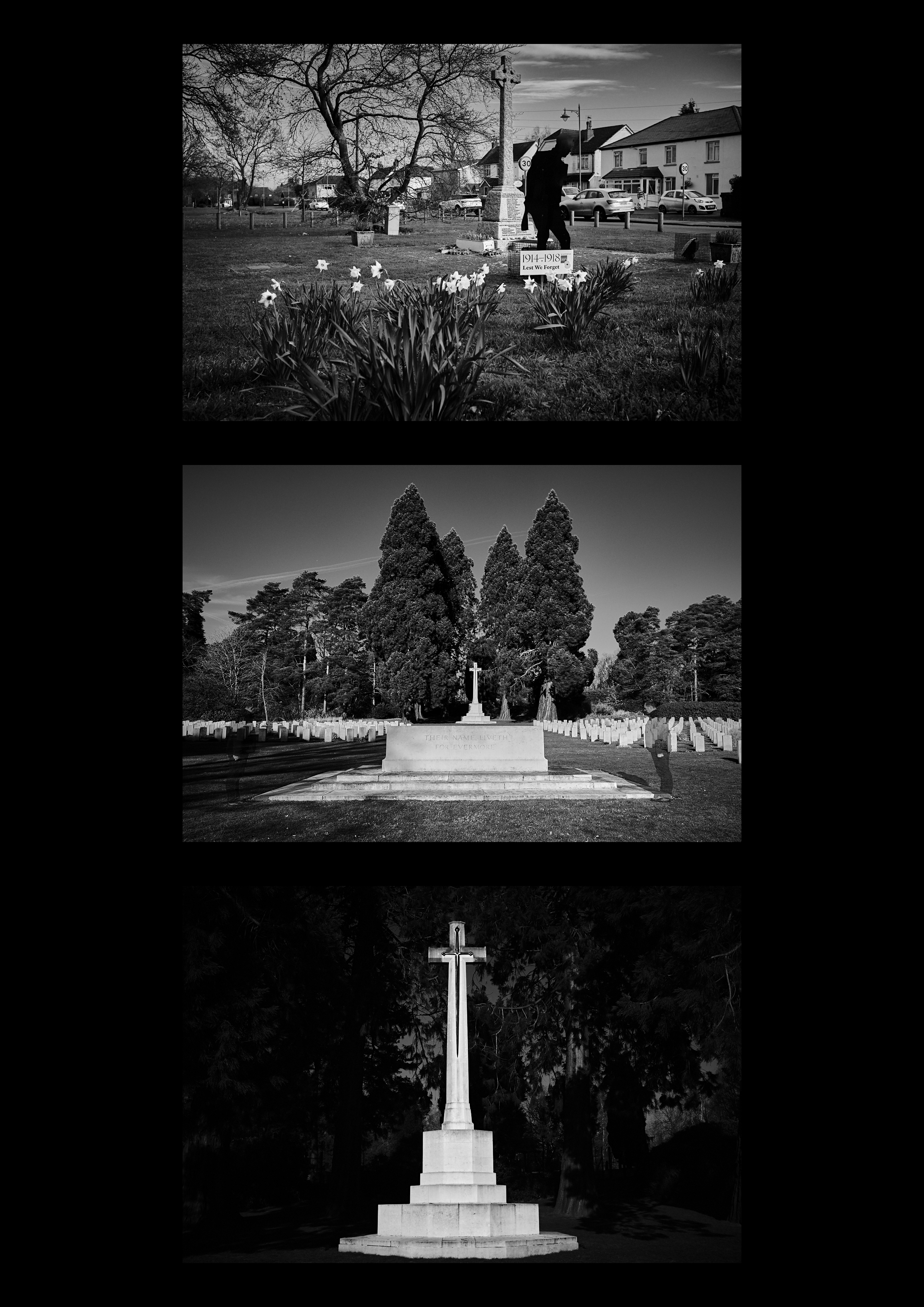
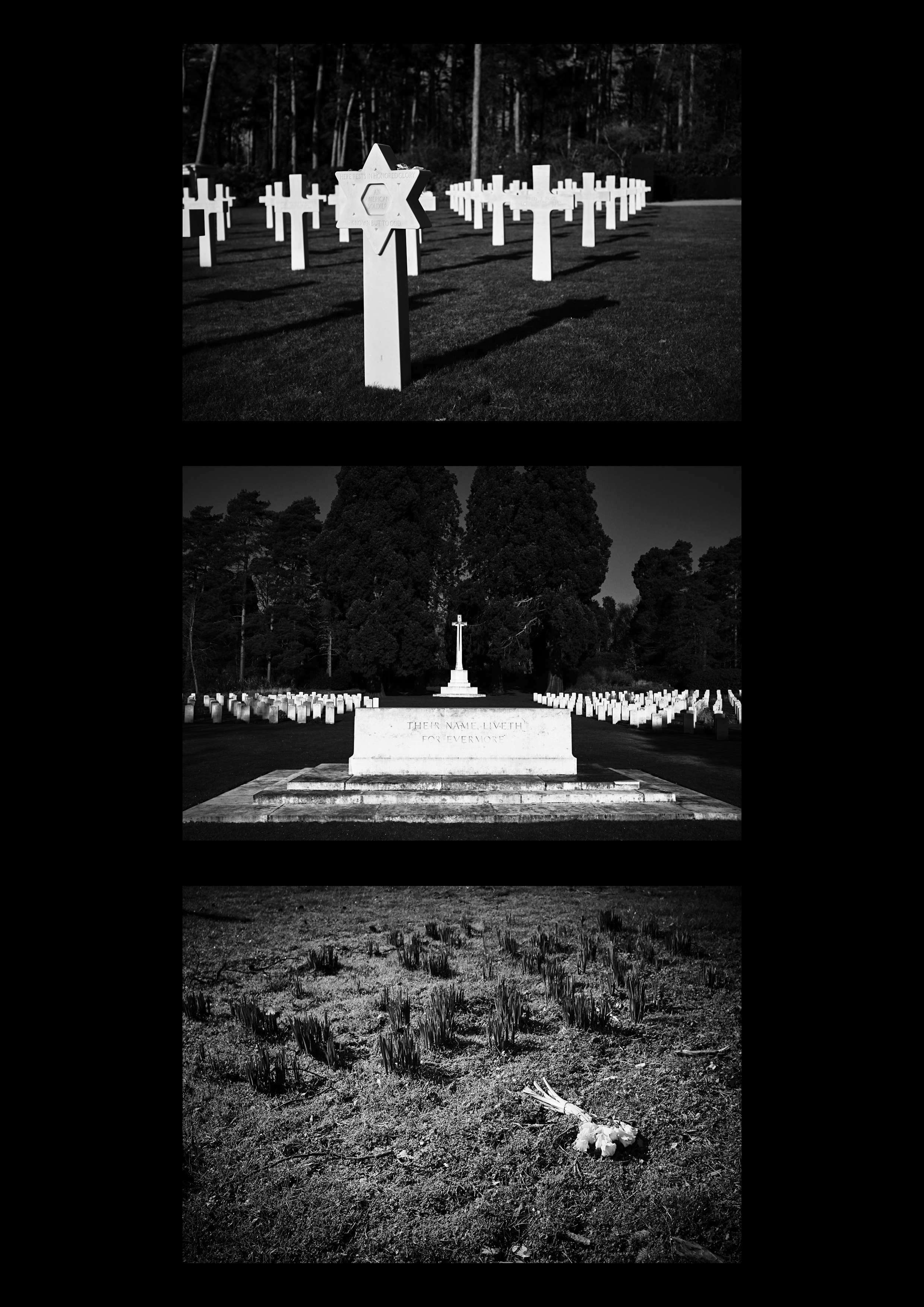
The paragraph in bold is what everyone will know. I chose to use triptych for this exercise to show element within the poem. Agree there are some that repeat themselves but in a different narrative from the meaning of “They shall grow not old” by showing the varying ages and time frames from 1917 to 2009. The Sun casting shadows in the morning, remembering them.
Reflecting on this exercise, I had originally thought of using Rudyard Kipling’s poem “Tommy”. It is quite a lengthy poem with some complex issues. I had thought of using various locations by visiting the Brookwood Military cemetery and local cemeteries that contain military graves. If this was to be a further subject id travel further afield to the national arboretum in Stafford.
This may turn out to be an ongoing project and possibly an idea for assignment two once I’ve consulted my tutor.

Bibliography

(n.d.). For The Fallen By Laurence Binyon | Poetry Foundation. Poetry Foundation. Retrieved February 7, 2020, from https://www.poetryfoundation.org/poems/57322/for-the-fallen {asessed 20200207}

20200127-Project 1 Telling a story (exercise)

In this exercise, we are asked to read Bryony Campbells Dad project and the photo of the Country Doctor. How I have interpreted the two is merely from the images and the short sharp titles. I have to say they have some heavy emotional aspects to them, particular the images of the dying father.

I have not had to witness this, but have seen friends die in places I do not wish people to know about nor will I go into details. Its, not something I wish to repeat.

  • How does Bryony Campbell’s The Dad Project compare with Country Doctor?
    • From my perspective, Campbell’s Dad Project holds greater emotion within the pictures with a personal feel to them, although she is documenting the death of father in what I think is extremely brave. I’m not sure I could handle that. It is a beautiful way of remembering your father. Personally, I would prefer to remember my dad how he was not how you remember his last moments.
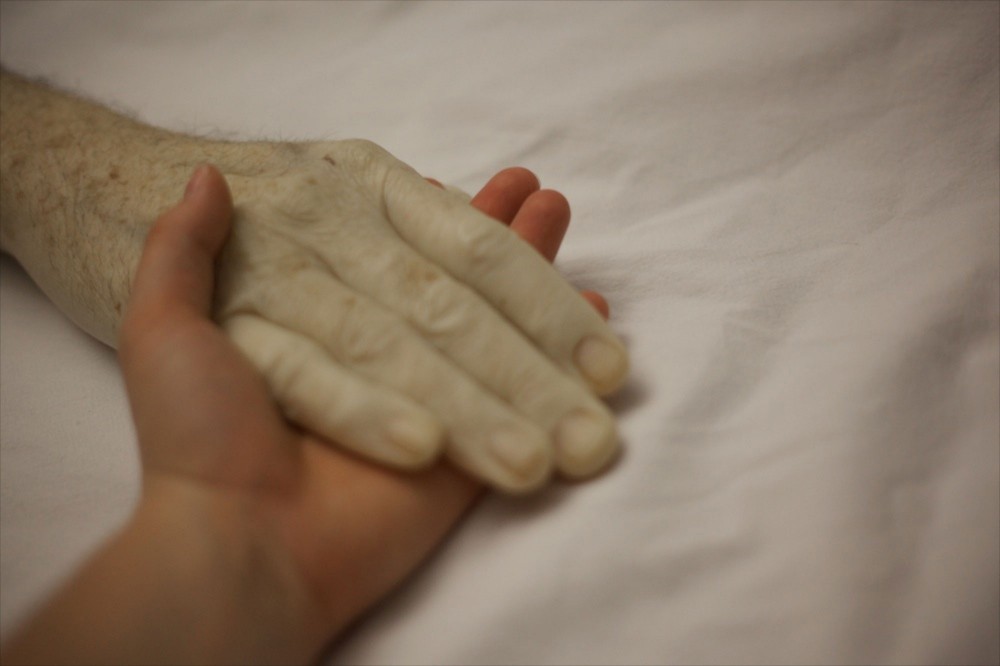
    • The pictures show two sides of emotion I believe. The physical and the mental-emotional sides. Seeing pictures like that, for me hit home to how lucky I am. Both my parents are still alive and well. Had this been my story I’m not sure I could find the right way of constructing such a strong story. I’m almost feeling like I didn’t want to know the outcome. However from the opening images shown you can work out what the outcome is. If you know what certain emblems on the paperwork are then you know what it is all about.

      BrionyCampbell_0195-1000x666
      Fig 1 Welcome to the End

      BrionyCampbell_0238-1000x666
      Fig 2 Me and Dad 25th August 2009

    • The above two images stand out as the strongest and most powerful. (lump in throat moment). Knowing what the Marie Claire Cancer care is and what is does speaks volumes. The second image of her holding her dad’s hand in such a cold, yellow state, you know exactly what has happened. When you have held the hand of a dying/dead person and seen death you know the exact emotion what is going through the person and what she is trying to capture and tell. Losing anyone is hard and emotional.
    • The Country Doctor for me is less emotional personally. But by documenting the life of what the doctor is doing its fairly similar to the above, less emotional personally without confusing the two. Yes, both stories show different sides, but both show areas where you see both sides of the story as mentioned above physical and mental emotions. 
    •  

      00767780.TIF
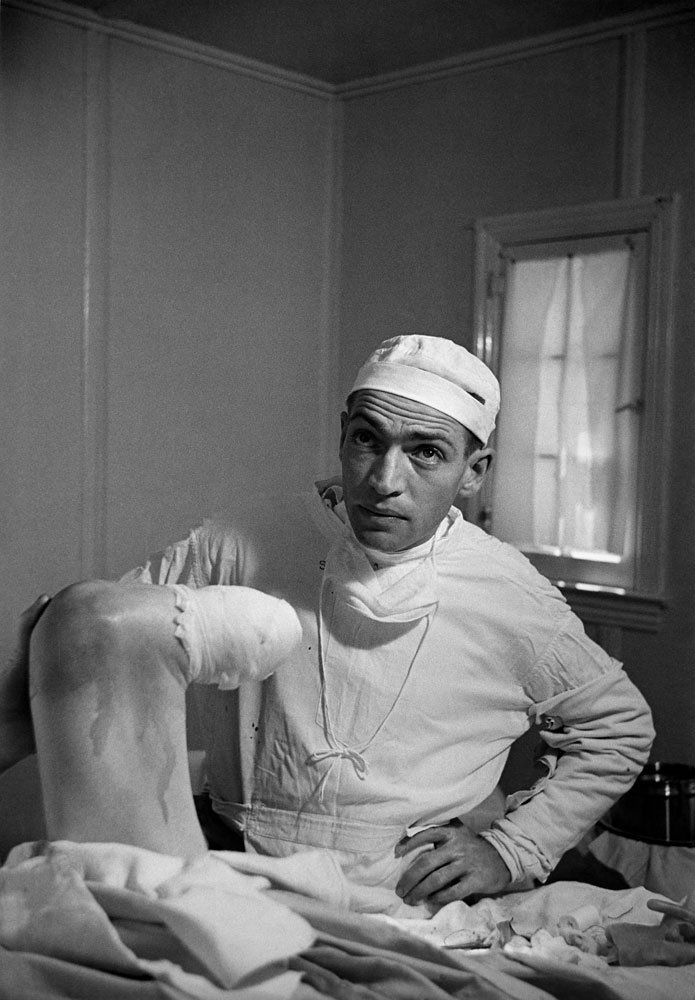
      Fig 3 Not published in LIFE. Dr. Ceriani examines his handiwork after the partial amputation of a patient’s leg, Kremmling, Co… 
      W. Eugene Smith—Time & Life Pictures/Getty Image

    • The above image resonates more with me than the others, just through seeing friends with leg amputations and how they have coped with them.
  • What do you think she means by ‘an ending without an ending’?
    • Ending without ending….. I believe she knew the ending without having to know it. Having the understanding that the time will come without knowing when that time is. Taking that as a project was her ending to this. By documenting the story she knows the end without having it as the end. It may sound like nonsense but I think I understand what it is she writes.

Bibliography

B. (n.d.). The Dad Project – Briony Campbell | Photography & Film. Retrieved January 27, 2020, from http://www.brionycampbell.com/projects/the-dad-project/ {assesed 27 Jan 2020}
(n.d.). https://time.com/3456085/w-eugene-smiths-landmark-photo-essay-country-doctor/. Retrieved January 27, 2020, from https://time.com/3456085/w-eugene-smiths-landmark-photo-essay-country-doctor/{assesed 27 Jan 2020}

Illustrations

Fig 1 Welcome to the end. The Dad Project – Briony Campbell | Photography & Film. Retrieved January 27, 2020, from http://www.brionycampbell.com/projects/the-dad-project/ {assesed 27 Jan 2020}

Fig 2 Me and Dad 25th August 2009. The Dad Project – Briony Campbell | Photography & Film. Retrieved January 27, 2020, from http://www.brionycampbell.com/projects/the-dad-project/ {assesed 27 Jan 2020}

Fig 3 Dr. Ceriani examines his handiwork after the partial amputation of a patient’s leg, Kremmling, Co… ://time.com/3456085/w-eugene-smiths-landmark-photo-essay-country-doctor/. Retrieved January 27, 2020, from https://time.com/3456085/w-eugene-smiths-landmark-photo-essay-country-doctor/{assesed 27 Jan 2020}

20200115-exercise-The Real and the Digital

Is what we see today an honest image or a manipulated and edited picture to please or sell.

Today it is only two easy to change an image, whether this is in-camera or in the edit. Both ascetically or destructively removing parts of the picture, enhancing the image, changing the image like in project 5.  This is going on all the time, changing the picture to benefit the photographer or the industry they work for. Telling tales of people or hiding the truth. Or finding detail in digital images that may lead to convictions in a court of law. Digital files can hold information that’s not always commonly known. Shadow detail to the metadata within the digital file.

Two sides to every story, even early darkroom edits and the likes of Ansel Adams work in Yosemite Park dodging and burning in the darkroom to how he wanted the final image to be. That’s editing an image but ultimately it’s being changed. It’s not straight out of the camera (SOOC). It’s onto a plate. Add your chemicals and darkroom process and you have a photograph.

Today’s modern smartphone has numerous apps and gadget where photos can be manipulated, edited processed on the move. Add comical faces, music or even tag individuals into the picture with the apps like Instagram and Snapchat.

I’m with the modern-day digital age when it comes to social media apps etc. My Fujifilm cameras can wifi my selected JPEGs straight to my smartphone, where I can edit and post within minutes of taking the picture.

What actually is a truthful picture today. I’m not sure there is?

Things I tend to look for prior to taking an image are:

  • Lines
  • Light
  • Shadows
  • Subject

20200115-Sarah Pickering’s Public order

Road-Block-River-Way_F_2200px
Fig 1 Sarah Pickerings Public order gallery River Way (Roadblock), 2004

20200115-village
The long road

20200115-PB Order
Caught in the middle

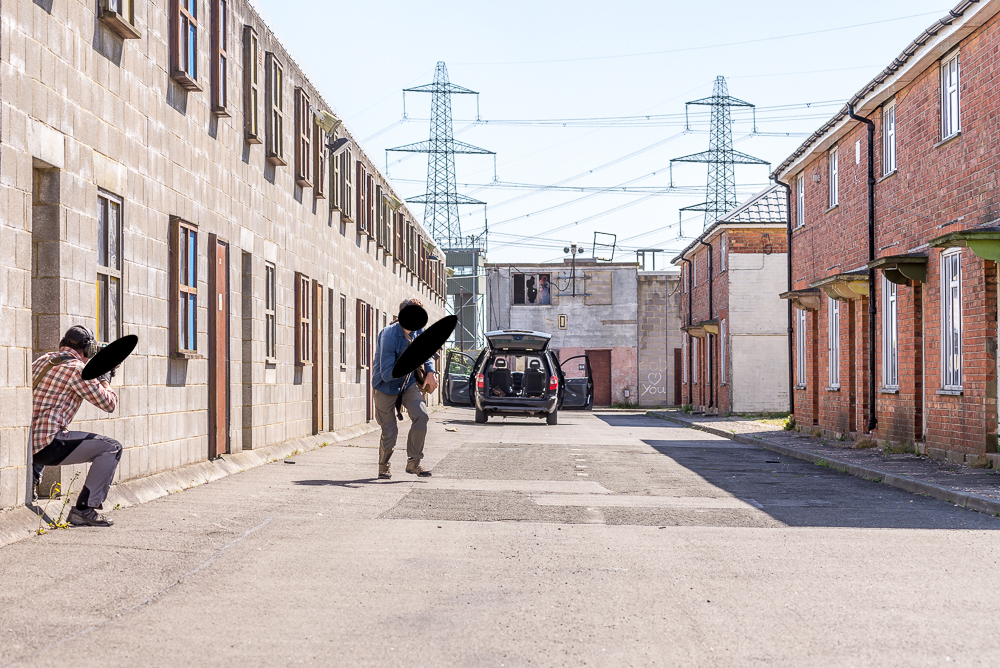
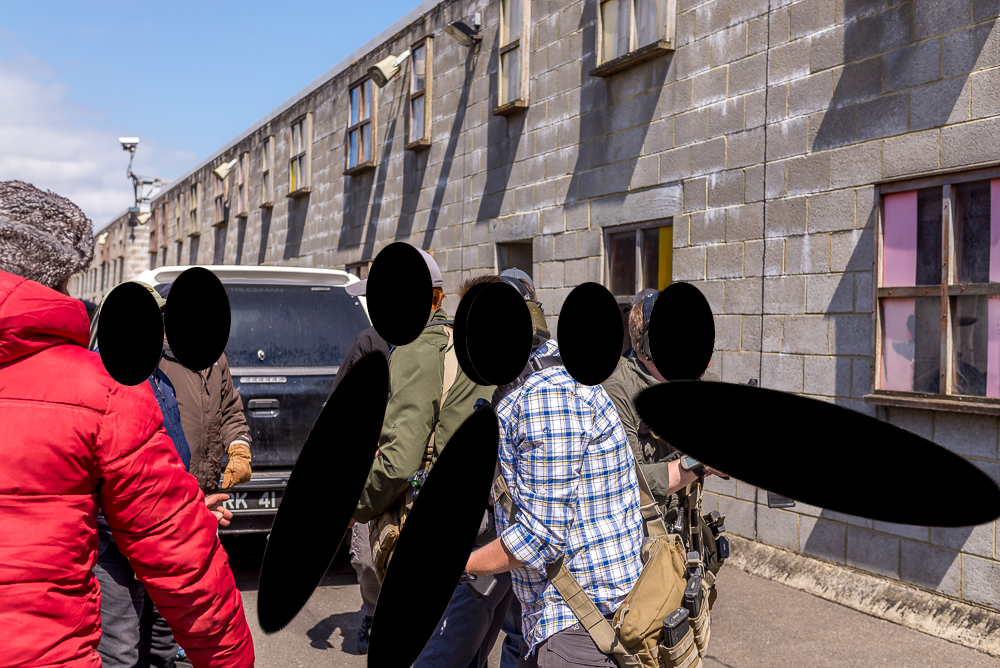
At times I find I’ve been privileged to be able to work in some unusual areas throughout the years. The two images above have for me the other side of the coin Sarah mentioned within her project. These show the action within a desolate village location where hers show the emptiness within them. Having been through and worked in places like her images I can fall well understand what it is she is capturing. It’s interesting to see the emptiness however to feel the anticipation of what is around the corner waiting for them!

  • How do they make me feel?
    • I kind of like them, as I’ve mentioned above its the anticipation of what waiting around the corner effect.
  • Is Public Order an effective use of documentary or is it misleading?
    • Had I not known what these images where about it may sway me to say yes, but it’s having an understanding of what is captured within the images, roadblocks empty streets, key locations (jobcentre, night club) areas of tension, old tyres and objects that have been thrown. The images that may confuse people are they facades of houses/buildings and empty rooms etc unless you know what they are.

      Bibliography

      (n.d.). Sarah Pickering Public Order. Retrieved January 15, 2020a, from https://vimeo.com/11931505 [assesed 20200115]
      (n.d.). Public Order – Sarah Pickering. Retrieved January 15, 2020b, from https://www.sarahpickering.co.uk/works/public-order/


20200115-Project 4-The gallery wall – documentary as art


Dandy Street.jpg
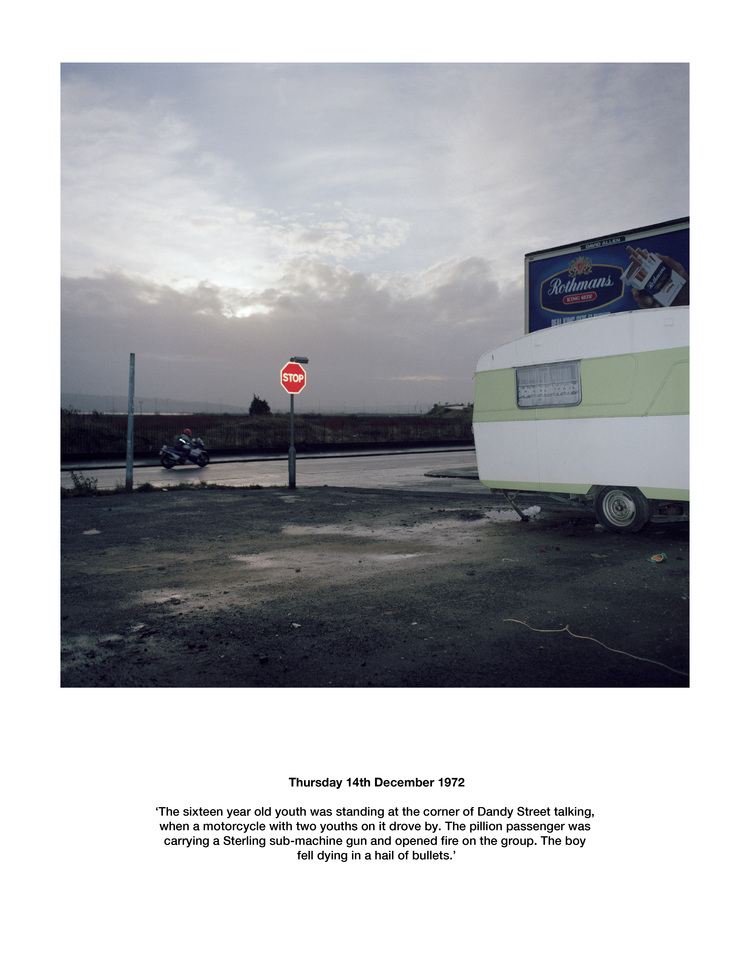
Fig 1 taken from Paul Seawright’s Sectarian Murders gallery

When I look at any image where I know some of the backgrounds and what has gone on it that particular part of the world, I start to look closer as Paul mentions in the Vimeo clip about taking no more than 15 seconds and you turn the page and move on. I hadn’t heard of his work but the word “Sectarian” straight away resonated with me. Partly because Belfast is somewhere, I’ve been before.

The text above mentions the detail of what happened. The motorcycle, the street corner. You can then visualise the youth standing there minding there own business and then bang the noise of the submachinegun going off!

Had the images shown bodies or even items of the deceased I would say it is documenting the findings as such. These I feel show an emotional side to it. Reading into the picture and the text and place yourself at the scene. Of which they also document what happened just minus the victims. It is like a crime scene without the body. A photo I feel no matter what documents something whether it is a place in time or moment. Surely it is the same. It is how the individual looks at something as we know art is subjective from one person perspective to another. Had these images not had the text to them id find them harder to look at searching for any connection, with the text you see and understand what he is showing.

Bibliography

Murder, S., & Seawright, P. (1970, January 1). Sectarian Murder — Paul Seawright. Paul Seawright. Retrieved January 15, 2020, from http://www.paulseawright.com/sectarian
(n.d.). Paul Seawright’s Sectarian Murders. Retrieved January 15, 2020, from https://vimeo.com/76940827 {assesed 20200115}