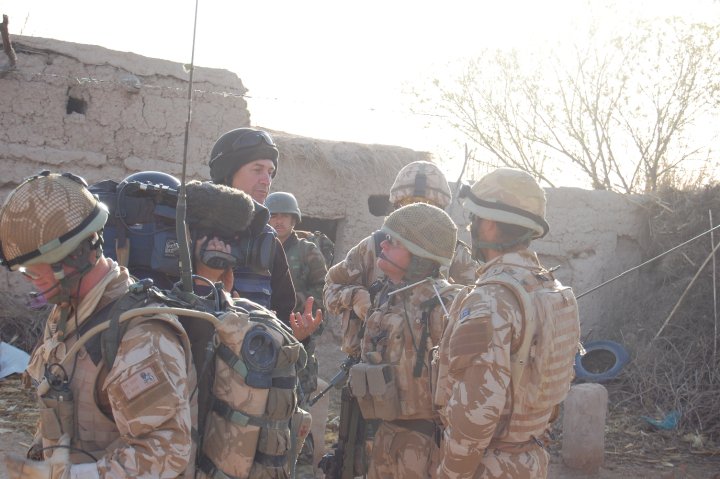
After some initial doubt and lack of motivation to adjust this assignment. I decided to go with an image I took myself during my time in Helmand. My first attempt fell at the first hurdle. In all honesty, I had completely no idea what I was writing, how it was to be structured. Most of the books I’ve read now have confused me even more. What this has done is made me understand how I need to look at what is a weakness of mine.
The image used for this is essay is not what you would say as perfect, it’s shooting into the sun, but the point is shown the interaction between the reporter and soldier. This highlights how soldiers can showcase a different side of War than the media can. I hope you can see how I’ve tried to put this across and from the interviews by Channel 4 news team. I never got to see this until I returned home. My family had seen it and was extremely proud of what we had done and in a particularly hard time from friends killed, others with life-changing injuries. Watching it back at times I feel that the media haven’t shown our best side. They can be very clever to manipulate the questions being asked in a way you only have one option to give. You may see how at times I’m trying to be as non-political as possible without saying something I may regret. They started to get on my nerves at times as you could see they had a different agenda than what ours was. Although you will see some good come from the online article there were areas they did not show. Combat is an confusing place to be in, words at times can not describe the emotions and at times the fear you experience first hand when exposed with an enemy force you do not know who they are or where they are coming from. We do owe the media at times a welcomed hand shake and at other times a stern look of discussed when they have shown it in a different way.
Quality of outcome: After a number of rewrites and changes of pictures, I feel I have come on a fair bit. I still have a lot to learn with academic writing.
Demonstration of creativity: Not sure if by using a personal image I’ve been creative as such, though it had given me a chance to use a picture I have a full understanding of.
Context: The essay and the images and film clip bring out the context where I’m trying to show how the media can choose to show what they want if they have the freedom too.
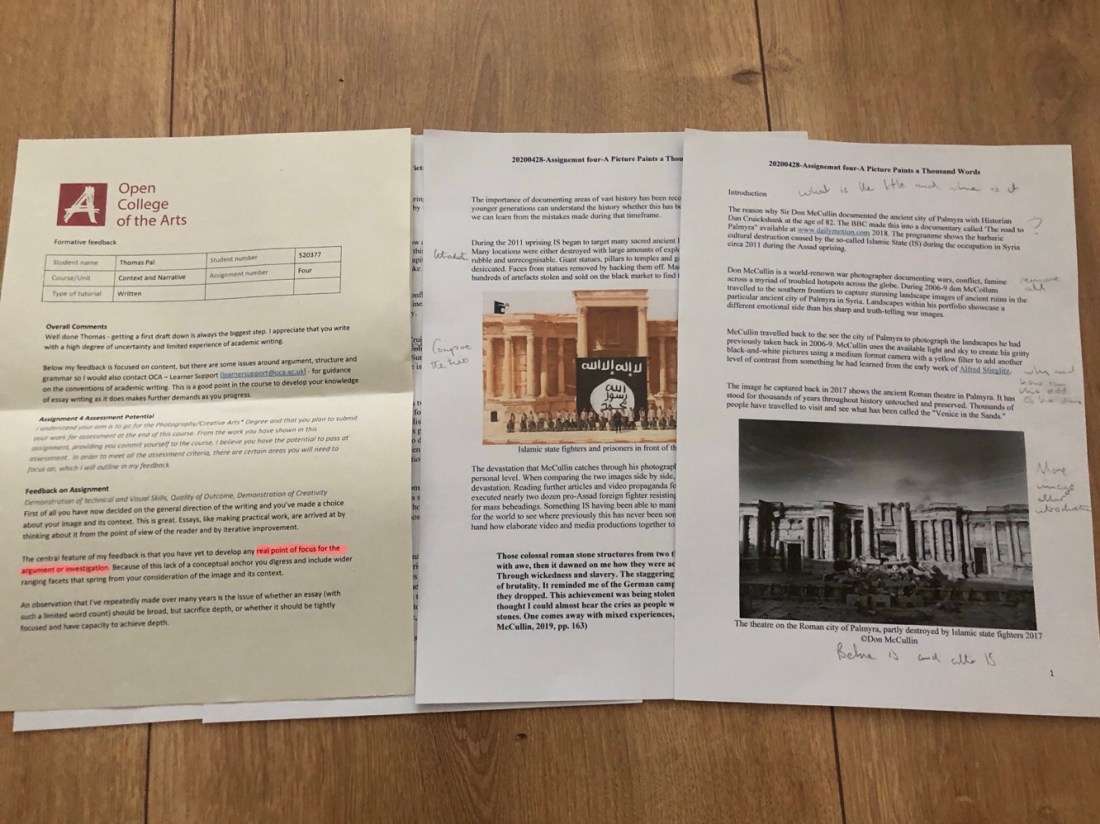
Looking back now, I should have waited and thought about this assignment before submitting my draft. With both the feedback and the essay, I now see, I’ve not made the connection with the pictures or managed to construct any form of argument.
What I thought I would have received was an essay with red pen all over it, which is what I’ve sort of done now (pencil not pen).
It needs a total scrub and rewriting from the beginning; I can see how the introduction starts and how I can place in a lived personal experience through the writing. If I can find a previous image that McCullin has taken of the theatre I can use this to illustrate the practices of Rephotography.
The reason why Sir Don McCullin documented the ancient city of Palmyra with Historian Dan Cruickshank at the age of 82. The BBC made this into a documentary called ‘The road to Palmyra” available at www.dailymotion.com 2018. The programme shows the barbaric cultural destruction caused by the so-called Islamic State (IS) during the occupation in Syria circa 2011 during the Assad uprising.
Don McCullin is a world-renown war photographer documenting wars, conflict, famine across a myriad of troubled hotspots across the globe. During 2006-9 don McCollum travelled to the southern frontiers to capture stunning landscape images of ancient ruins in the particular ancient city of Palmyra in Syria. Landscapes within his portfolio showcase a different emotional side than his sharp and truth-telling war images.
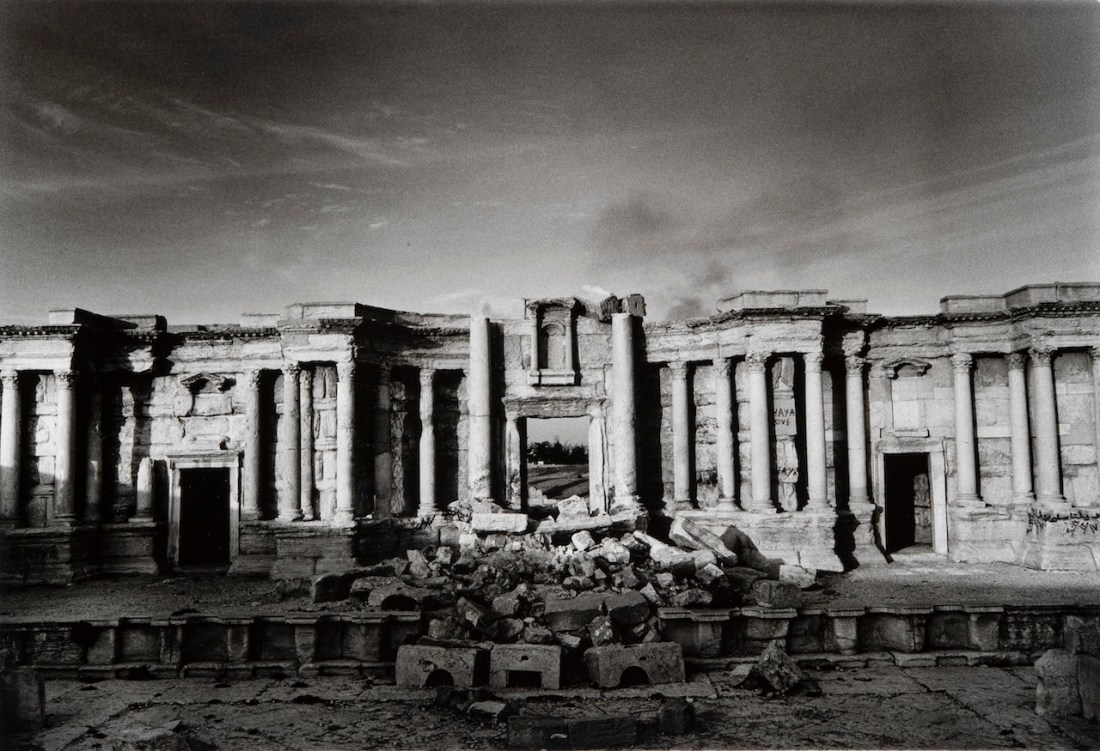
McCullin travelled back to the see the city of Palmyra to photograph the landscapes he had previously taken back in 2006-9. McCullin uses the available light and sky to create his gritty black-and-white pictures using a medium format camera with a yellow filter to add another level of contrast from something he had learned from the early work of Alfred Stieglitz.
The image he captured back in 2017 shows the ancient Roman theatre in Palmyra. It has stood for thousands of years throughout history untouched and preserved. Thousands of people have travelled to visit and see what has been called the “Venice in the Sands.”
The importance of documenting areas of vast history has been recorded for decades so that younger generations can understand the history whether this has been good or bad and how we can learn from the mistakes made during that timeframe.
During the 2011 uprising IS began to target many sacred ancient locations throughout Syria. Many locations were either destroyed with large amounts of explosives turning them to rubble and unrecognisable. Giant statues, pillars to temples and gateways pulled down and desiccated. Faces from statues removed by hacking them off. Many of these ancient ruins had hundreds of artefacts stolen and sold on the black market to find the IS propaganda regime.
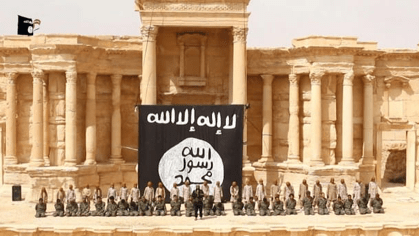
Islamic State fighters and prisoners in front of the Black flag of IS
The devastation that McCullin catches through his photographs calls upon the emotions on a personal level. When comparing the two images side by side, it becomes visible from the devastation. Reading further articles and video propaganda footage on articles how IS executed nearly two dozen pro-Assad foreign fighter resisting IS. The theatre became a stage for mass beheadings. Something IS has been able to manipulate propaganda to the media for the world to see where previously this has never been something the world has seen first-hand how elaborate video and media productions together to strengthen the IS Caliphate.
Those colossal roman stone structures from two thousand years ago filled me with awe, then it dawned on me how they were achieved. Through cruelty. Through wickedness and slavery. The staggering accomplishment was a product of brutality. It reminded me of the German camps where people worked until they dropped. This achievement was being stolen from me as I looked at it. I thought I could almost hear the cries as people were crushed under those huge stones. One comes away with mixed experiences, and they’re valid feelings. (Don McCullin, 2019, pp. 163)
McCullin has a way of compositing and capturing the environment in one take, the depth of field created draws the viewer into the image by not just by looking at it but being able to feel the emotions; he felt.
Throughout this course, we have looked at how an image can be manipulated or staged to provide a scripted narrative. Had images like this not been captured showing vast destruction and devastation IS would have been able to capitalise their advantage, promoting an ideology through IS media channels. Distribution of fake news and destroying what true Islam is.
By documenting what atrocities during the conflict in war, the world can see a snapshot of reality. When watching the road Palmyra online, McCullin’s still images hold the viewer in a gaze far better and watching the documentary.
During a documentary, both McCullin and Cruickshank present both the feelings and emotions during the visit. During one-part, Colin takes a picture from the top of a bombed-out building looking out towards a mosque. Surrounding buildings as far as the eye can see are either rubble or fallen down. The mosque is shimmering in the late evening sun just before it starts to set.
To the latter part of the film, McCullin meets two brothers whom the father was taken from them, beheaded, crucified and hang for days for everyone to see and stray animals and vultures to eat the decaying headless body. His head in one place his body in another. Islamic burial is within twenty-four hours; the bodies positioned so that the head is facing towards Mecca. Something the family was not able to do. McCullin’s emotions are visible during this meeting. Witnessing things like this have been part of his career for years. He has seen things where others can only imagine sight or emotion.
Arguably it is just a picture of an ancient Roman ruin. From the bottom of the picture through to the skyline emotions can be felt. Darkness surrounds the stage, an area where something dark has taken place. The main wall behind holds a structure of importance status. It has provided IS with the perfect backdrop for those mass executions.
Conclusion
Frompersonal experiences of combat in arenas where terrorist organisations or waring factors have destroyed areas of land or historical locations that have been vital for the so-called war effort, pulls emotions that at times are hard to explain. Documenting these times in snapshots were able to prosecute them for the actions or war crimes they have committed. Cruickshank makes a point about being able to rebuild the city to its original state, mainly down to people like McCullin that have photographed the city well before IS occupation and destruction. Although it will not be the same, however, the question now, is this worth the rebuild as IS will be no more at some point?
A picture does paint a thousand words in this case. Better to still have great pictures of what it was to have no pictures at all.
Bibliography
Baker, S. (n.d.). Don McCullin (pp. 163–164).
Channel, E. (1970, January 1). The Road To Palmyra – Video Dailymotion. Dailymotion. Retrieved April 30, 2020, from https://www.dailymotion.com/video/x6jaqa4 [accessed 300420]
Whilst I wait for assignment three tutor feedback and comments from this initial draft, I thought it is worth posting to show my initial essay.
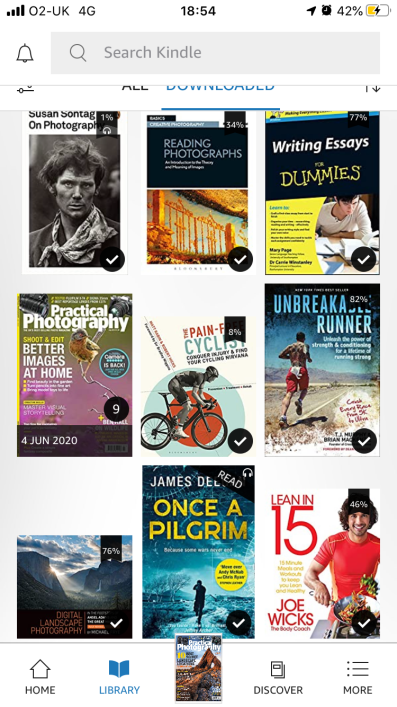
This is something I’ve not done in a considerable amount of years and initially, I wanted to put it off. After chatting to both my brother and friends. Watching reviews and reading how to structure an essay. It was something i had to crack. Word is helpful at time when you’re looking for assistance in the structure and what words to use at times.
My biggest critique has been my parents along this journey, he’s helped me along with the ways of life and troubled times. I should have listened to him more as a child when I was at school or not as the case ended up being.
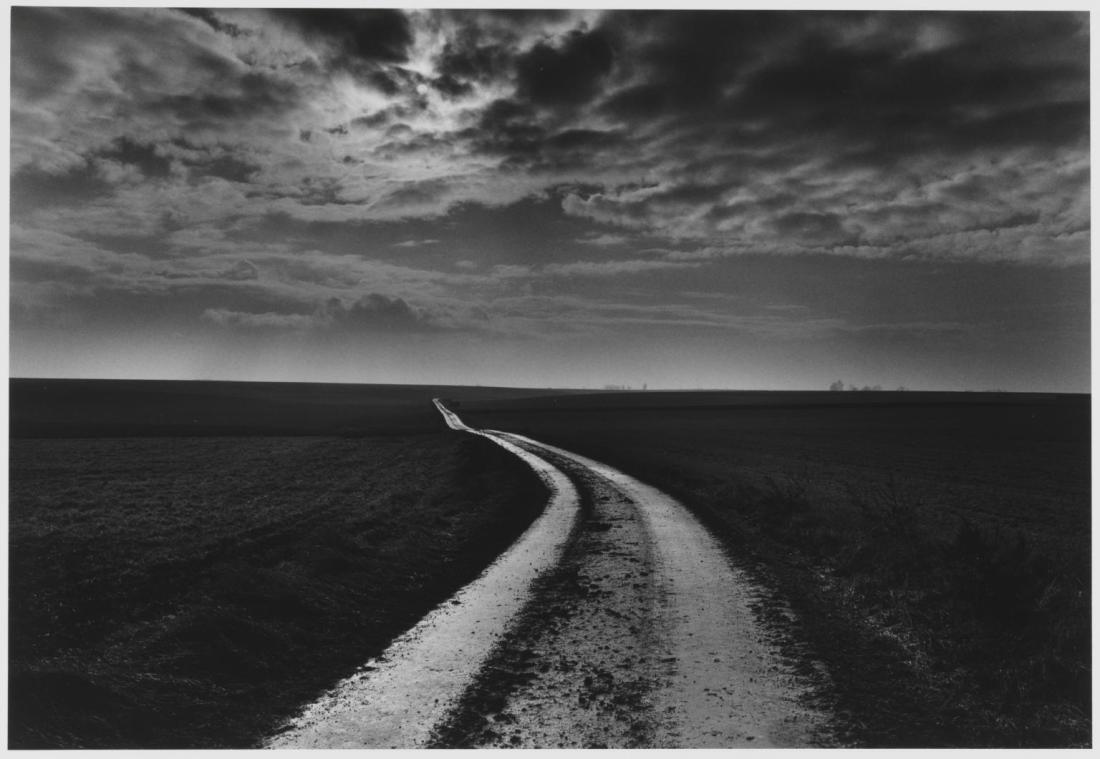
The final two images of the Sir Don McCullin pictures I will use for this assignment. The first is of the destruction caused by the Islamic State (ISIS) to the Roman theatre in the city of Palmyra in Syria. McCullin travelled to Syria with Dan Cruickshank to film the destruction that ISIL had caused during their occupation of Syria to show the world the true realities of this barbaric regime had caused.
The bottom image is from the Somme, Mccullin was asked by the post office to create a commemorative picture for the First World war.
BibliographyChannel, E. (1970, January 1). The Road To Palmyra – Video Dailymotion. Dailymotion. Retrieved April 27, 2020, from https://www.dailymotion.com/video/x6jaqa4 [assesed 20200426]
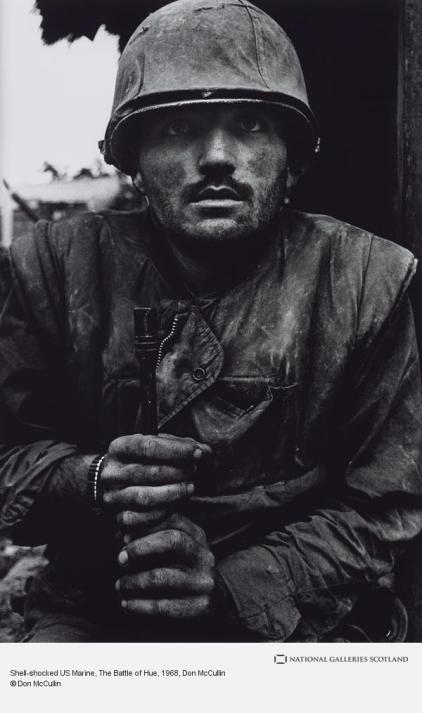
when looking through McCullins collection for most I think this is probably one if not the most well-known images of his if you were to asl some people. Some may give you other images. This one for me sparks many points to consider in my own eyes and personal experiences in my career path. When McCullin talks about this image he mentions that he could have taken the portrait of his career of a dead dying soldier but shows a moral side of his and refrains from taking it when the soldier is asking him not to.
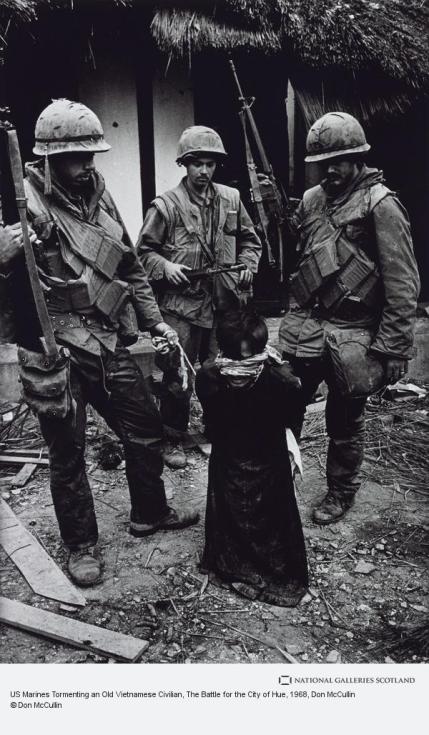
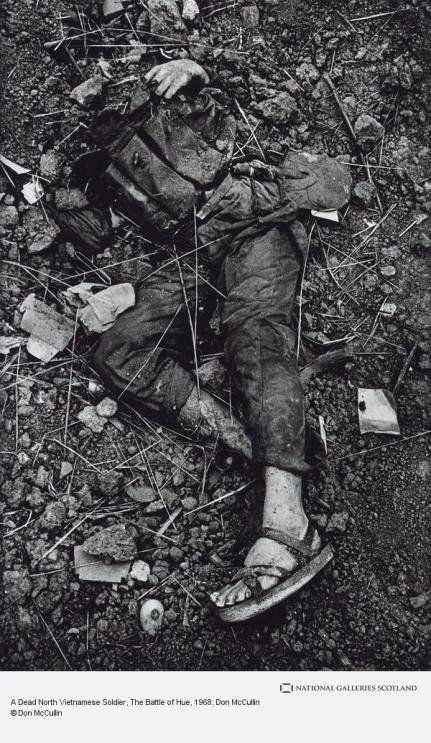
The images below show different side to war in which I believe are fully justified to show. If a scene like this is not shown then the general public will know no different to what they have read or seen other images. Showing different side is key to documenting war. This has been seen as far back as to Roger Fenton’s days in the Crimean War.
The Shell shocked Marine is an image I’ve seen first hand in young soldiers after confronting the worse fears when a friend of fellow comrades has been injured or killed during combat. The eyes do not lie in these circumstances. The Marine isn’t looking at McCullin, the point of view creates and adds drama to the picture. Asking the question to the viewer.
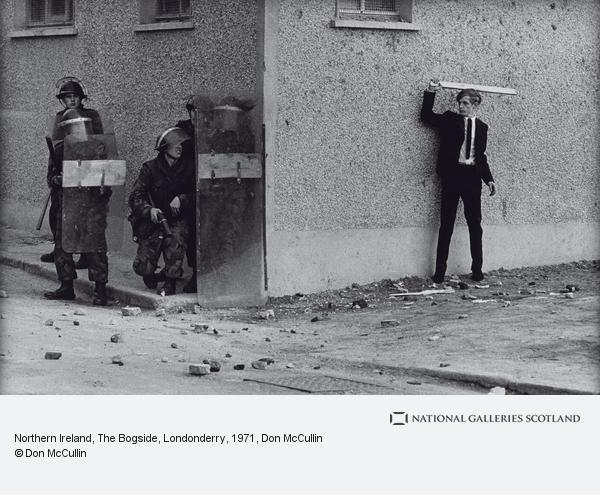
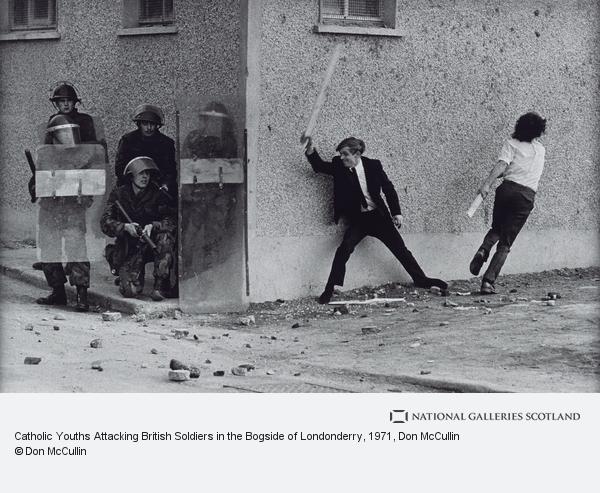
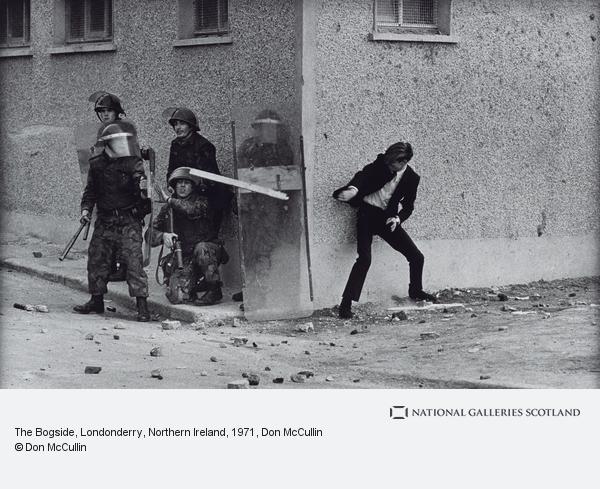
The below series from McCullins works during the troubles in Northern Ireland. Londonderry Bogside. the series for me shows two sides of the story as ever with any military and civilian photograph. The hero and villains as such if we wanted to choose this phase.
this image has been written with a view of a Henri Cartier-Bresson decisive moment feel it, vertical and horizontal lines, the youth holding the wood to the soldiers’ riot shields having the horizontal lines that corresponded with the other lines. This as a singular image is very DM looking but with them a series it holds the viewer in better as the youth actions unfold and startling reaction from the soldiers.
McCullins eye of action and how he sees the images playing out is second to none. Compositionally and DoF along with the grittiness of the black and whites is probably why like using black and white over colour at times. this may change in the later course but I don’t think the colour would work as well.
From a personal perspective when you knew a news crew/camera crew was in the same place as you were then something is bound to happen. It is not a third sense or anything its a case of simple facts they are here to show the world what’s going on, whether this is portrayed both sides of the conflict/war or whatever word you feel is correct to use. They have normally been tipped off or been informed by someone close to either side that something big or a show of force will be put on but, they are normally in the right place at the right time. For you its normally the wrong place and the wrong time.
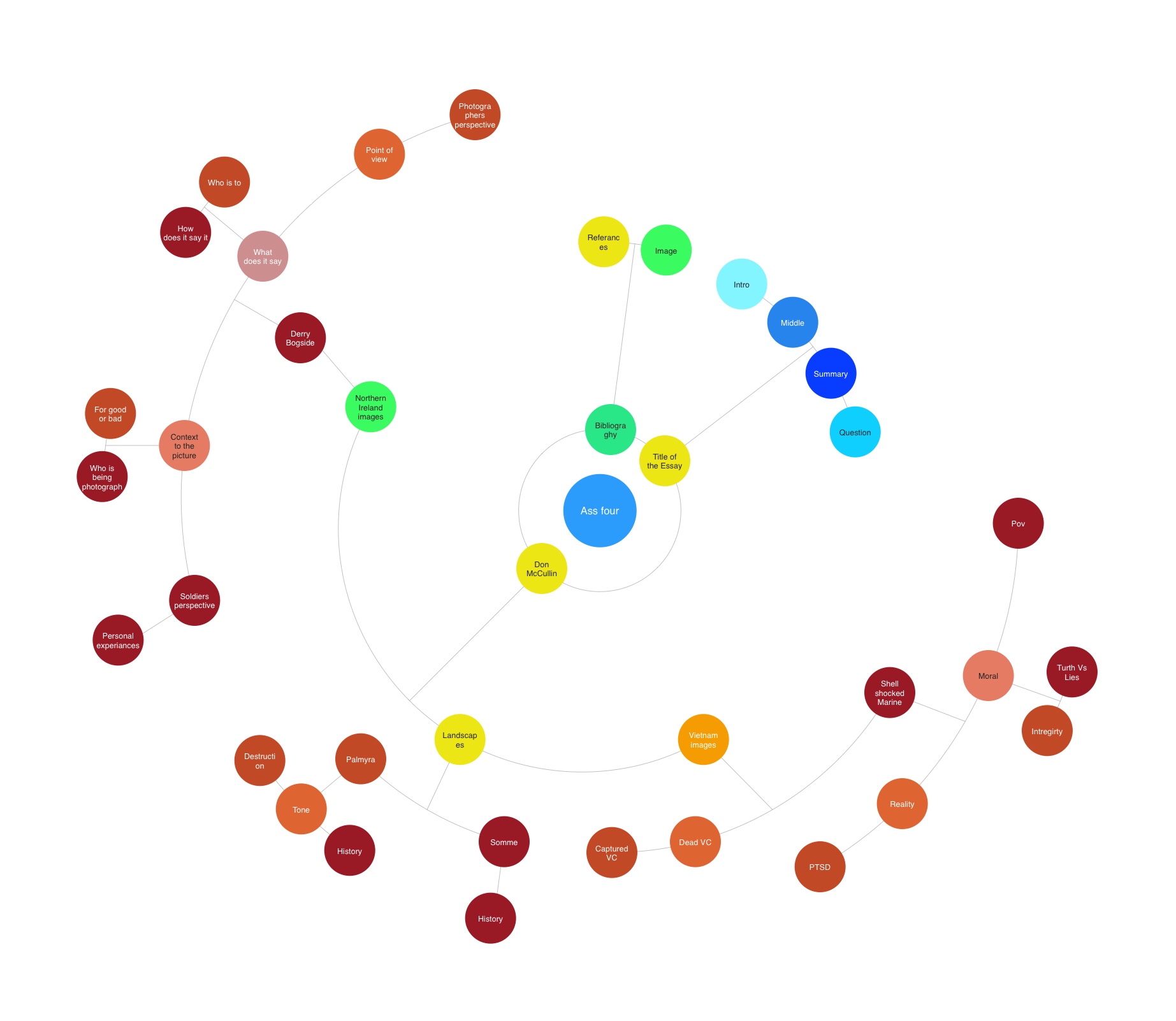
This feels pretty daunting if I’m being honest. I’m going to have to look at how I structure an essay, not my strongest point and I think with my writing style I tend to waffle.
This maybe time I call on the wife’s education and pester her for some help on this matter. I’m better with a camera than a pen.
Intial images to looks at are from Sir Don McCullin. Who most will know as a world-class war photographer. A title he doesn’t agree with. I can fully understand that statement. War in itself will always be reported on and captured with a camera and lens. I believe it is how the photographer captures those moments in time documenting what is going on. Filming Vs Camera stills is a debate that could open up through this and I’m strongly towards stills over film.
Moving images are seen with a different eye than a still. The still image for me opens the mind up to read the photograph versus seeing the action unfold with the film.
The three series of pictures I will research for this.
Northern Ireland Circa 1971
Vietnam Circa 1968
Southern Frontiers Circa 2006-17.
I was lucky enough to visit the Tate exhibition the other year to see McCullin images for myself with my wife.
Write an essay of 1000 words on an image of your choice.
Initial thoughts on this was a sense of “Oh Christ, how am I going to write an essay, I’ve not done this since a child at school”
Who will I choose as a photographer
What picture shall I choose
At the moment I’m in two minds whether to get to try and finish this part and get ready to try and submit for final assessment. I’m not sure I’ll be ready!

 Part Two Context and Narrative BA HONS in Photography OCA