20200428-Assignment Two-Re-edits-The Unseen Beauty in the Edit

Assignment two re-edits.

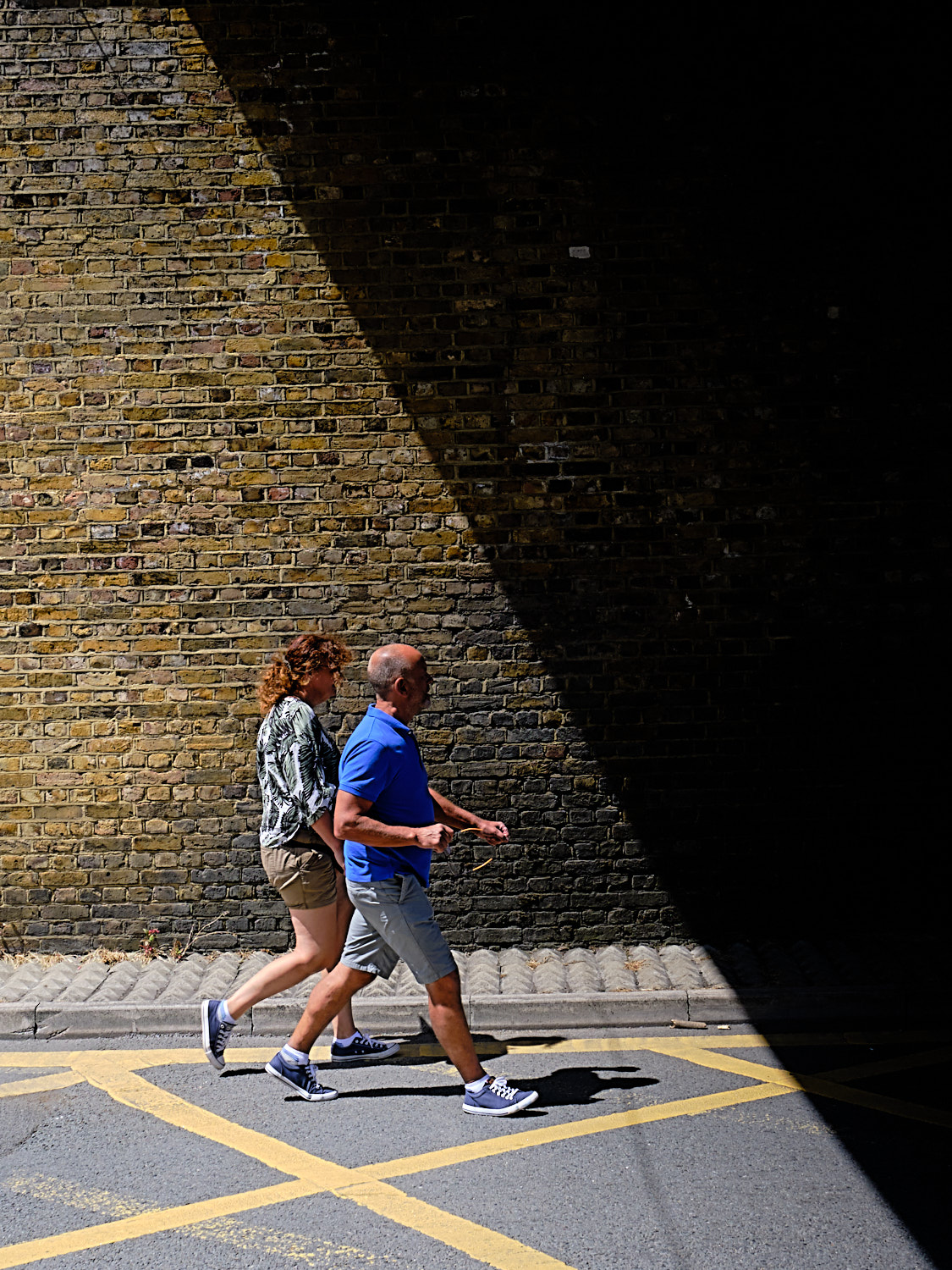
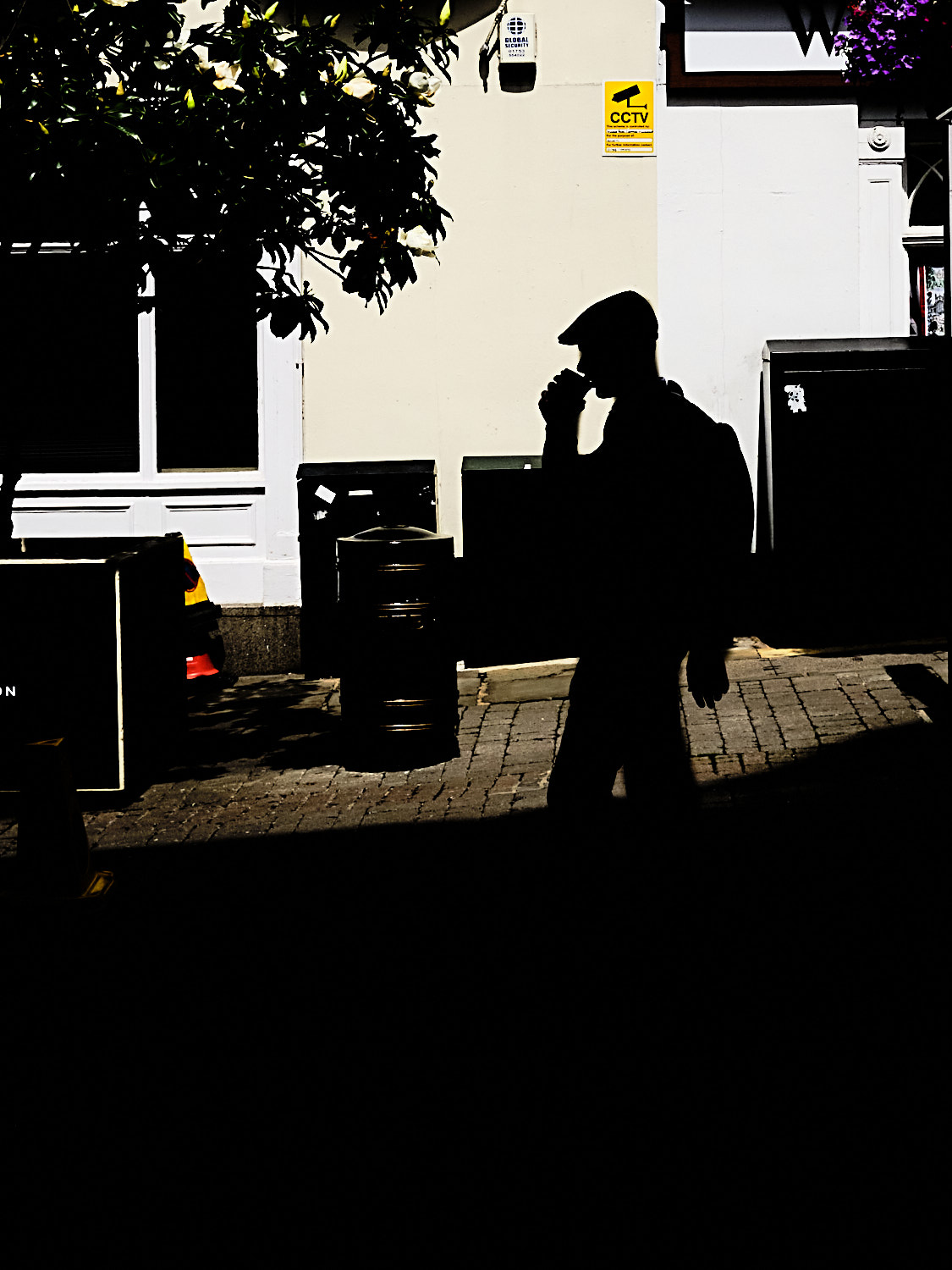
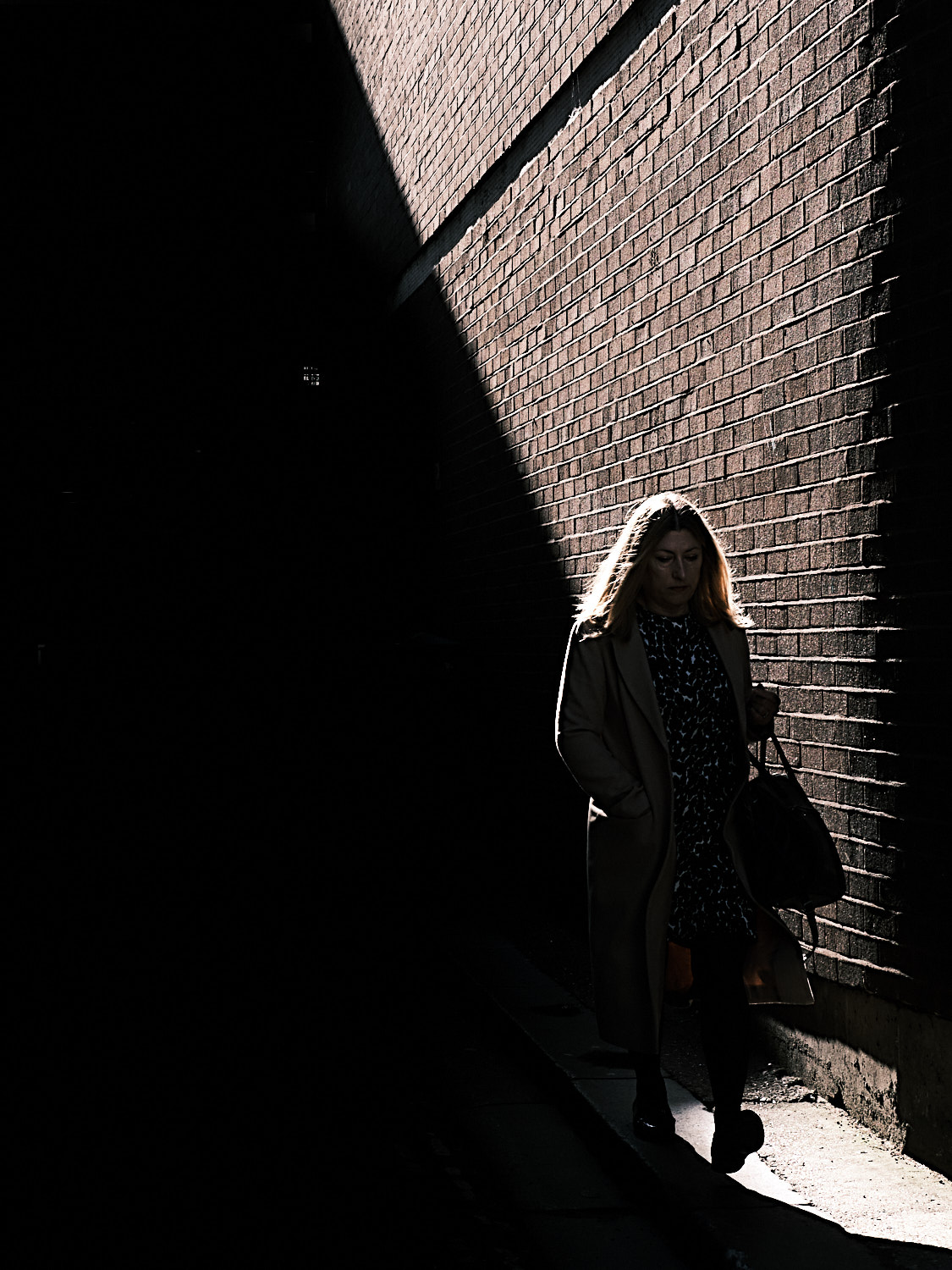
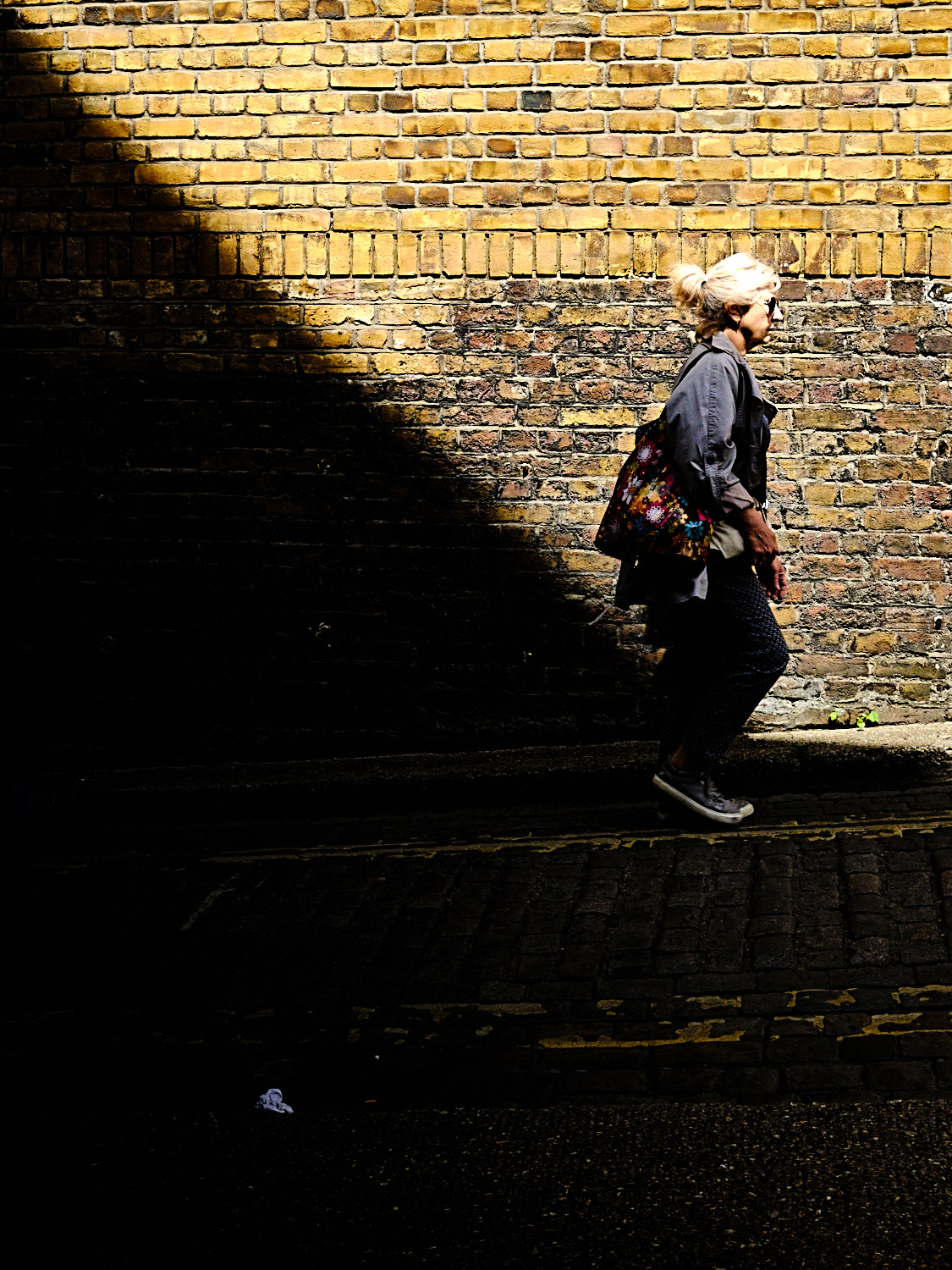
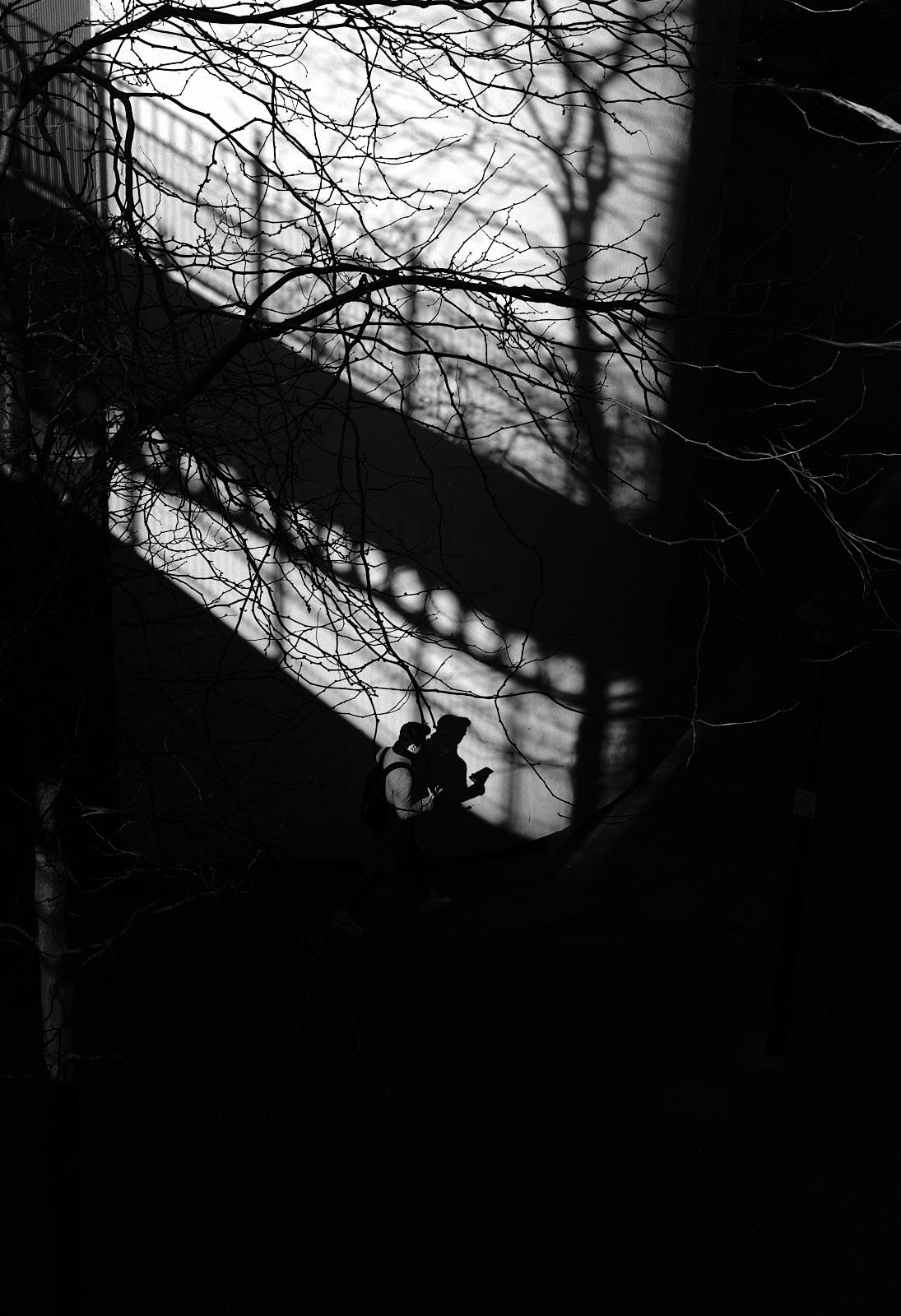
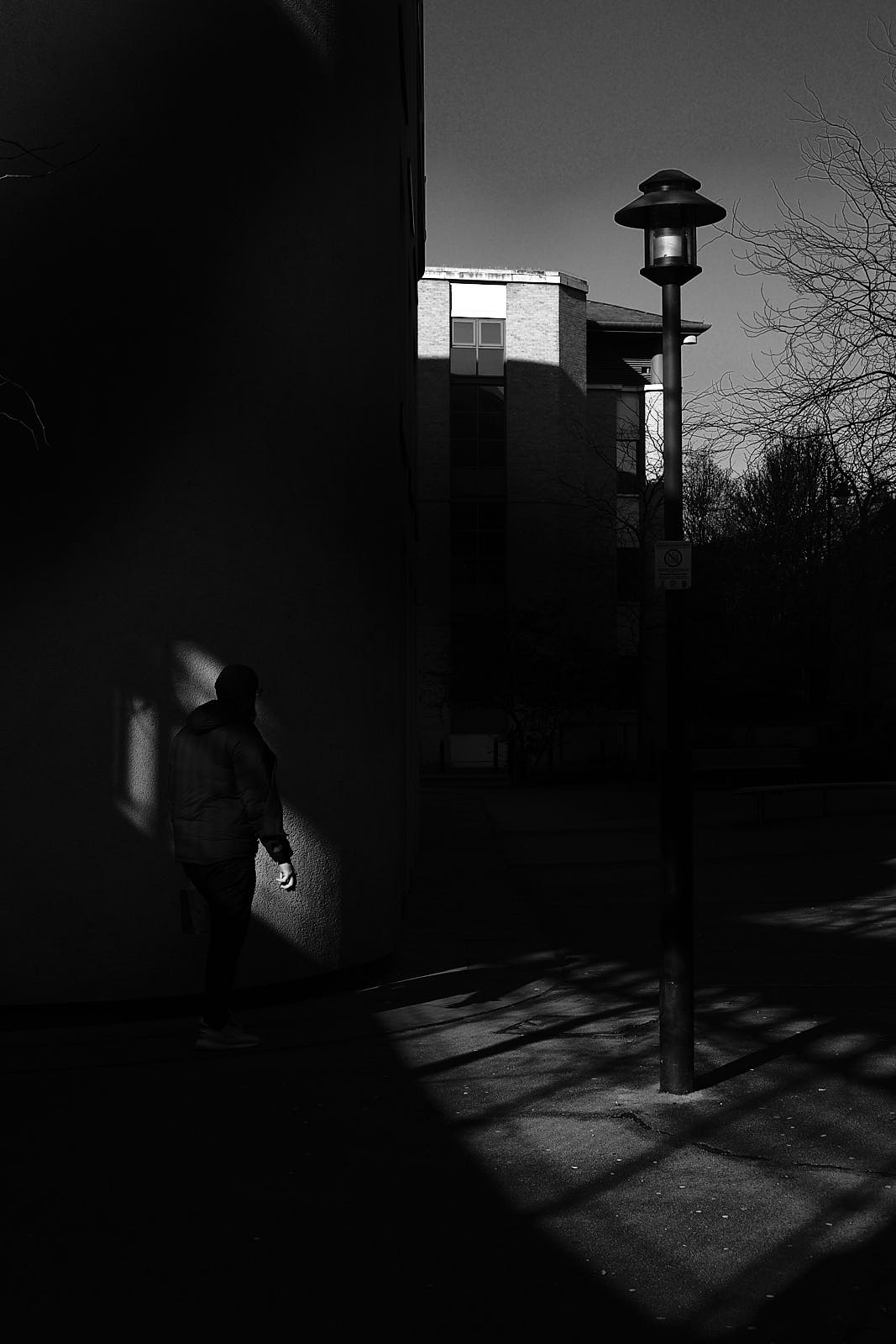
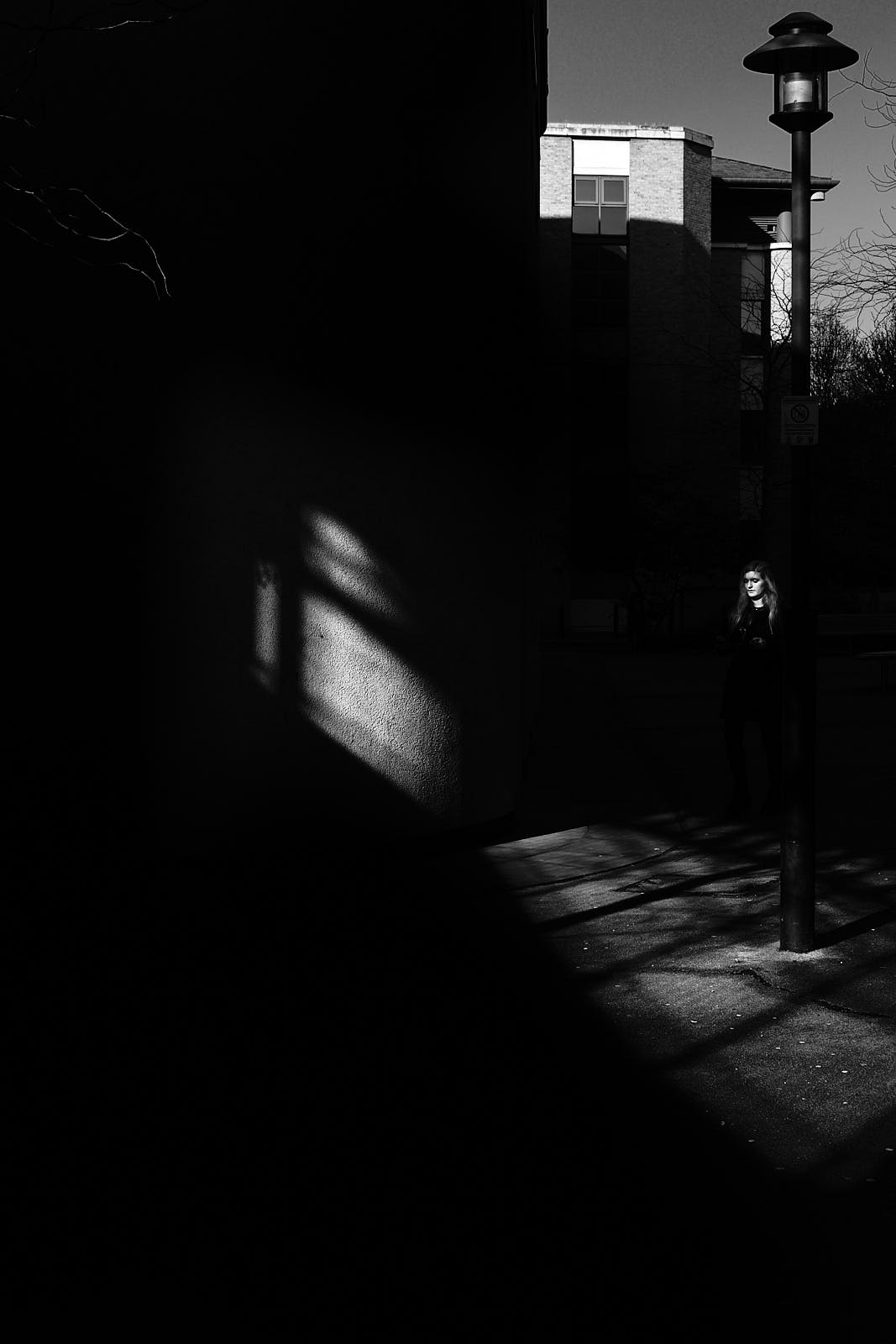
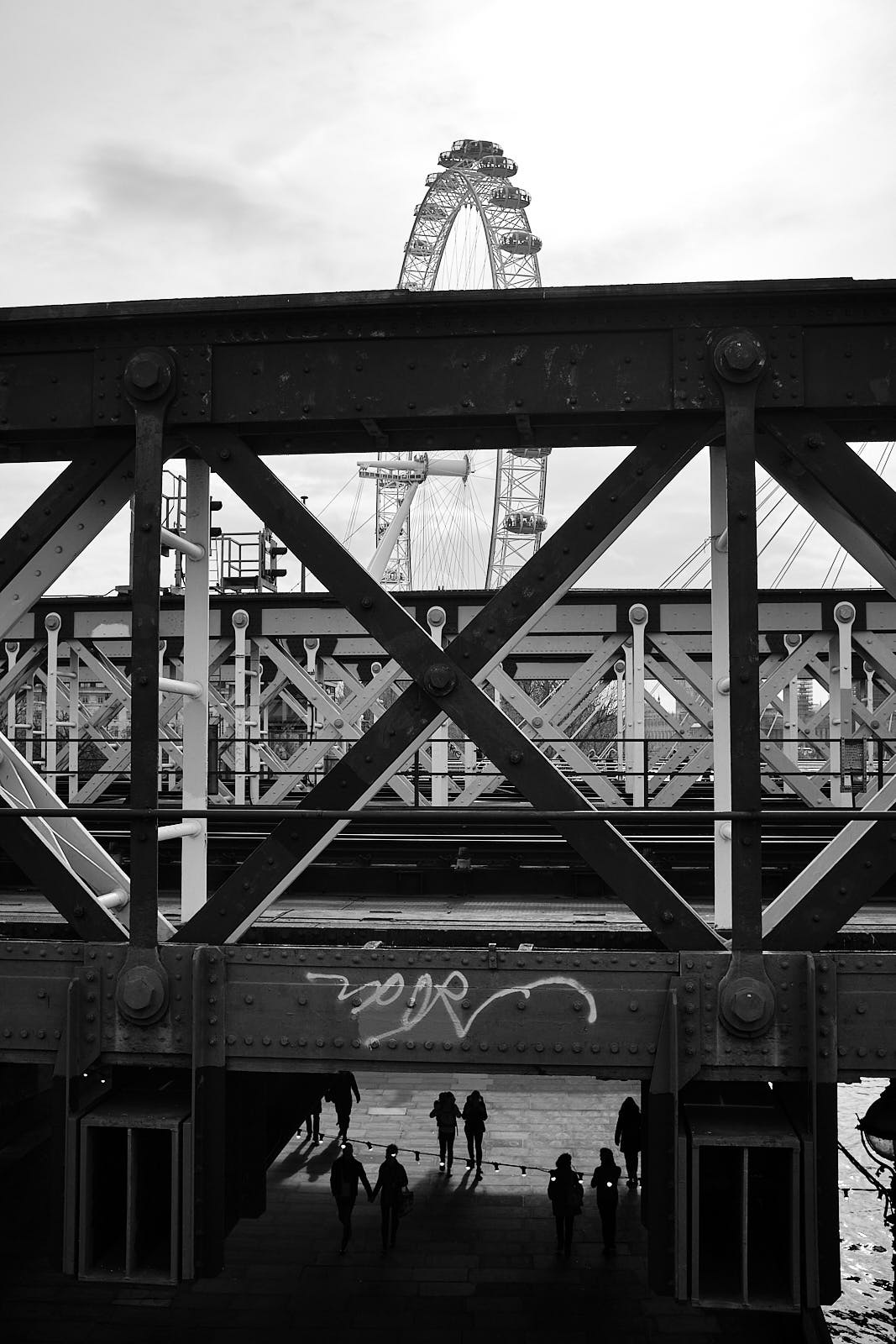
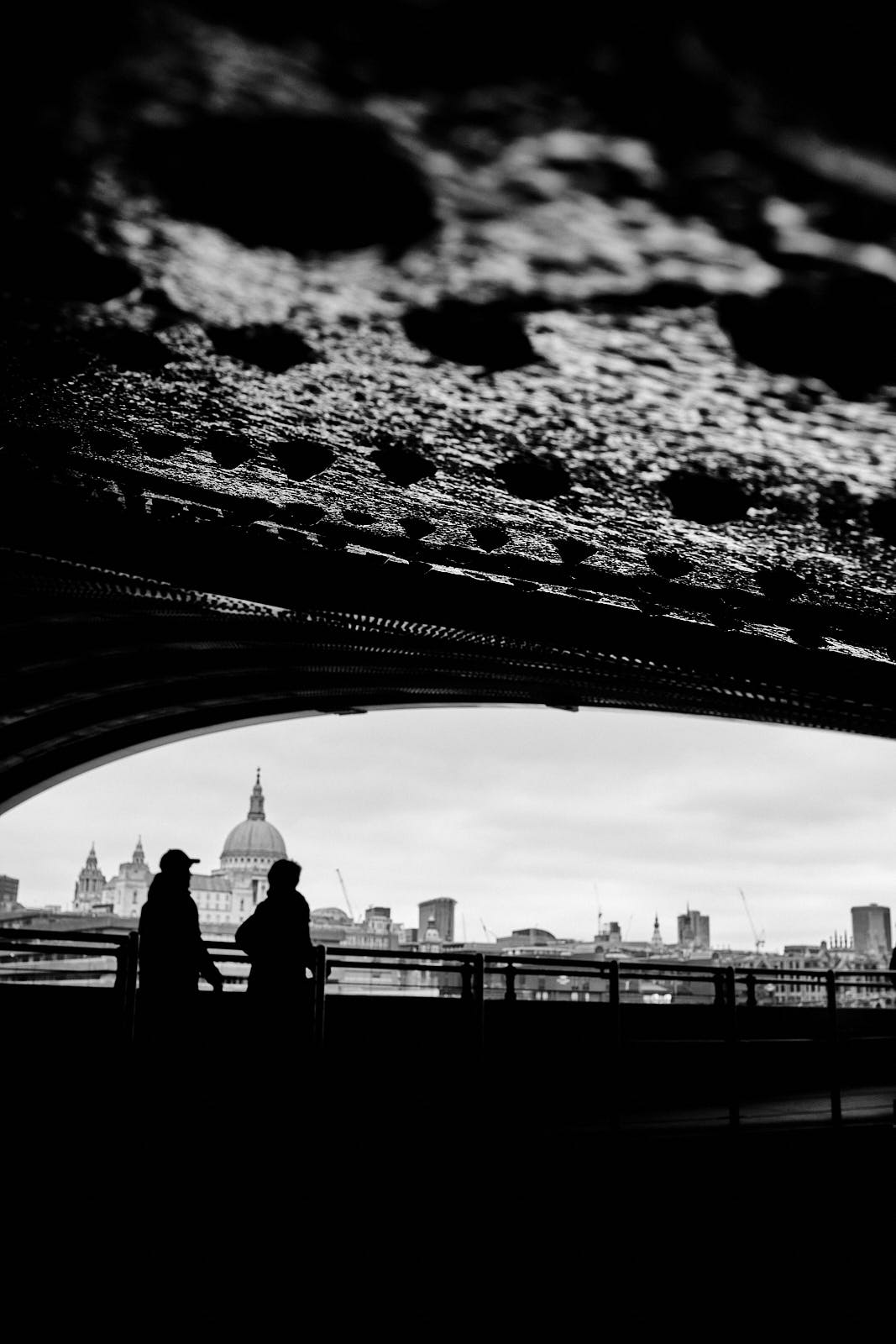
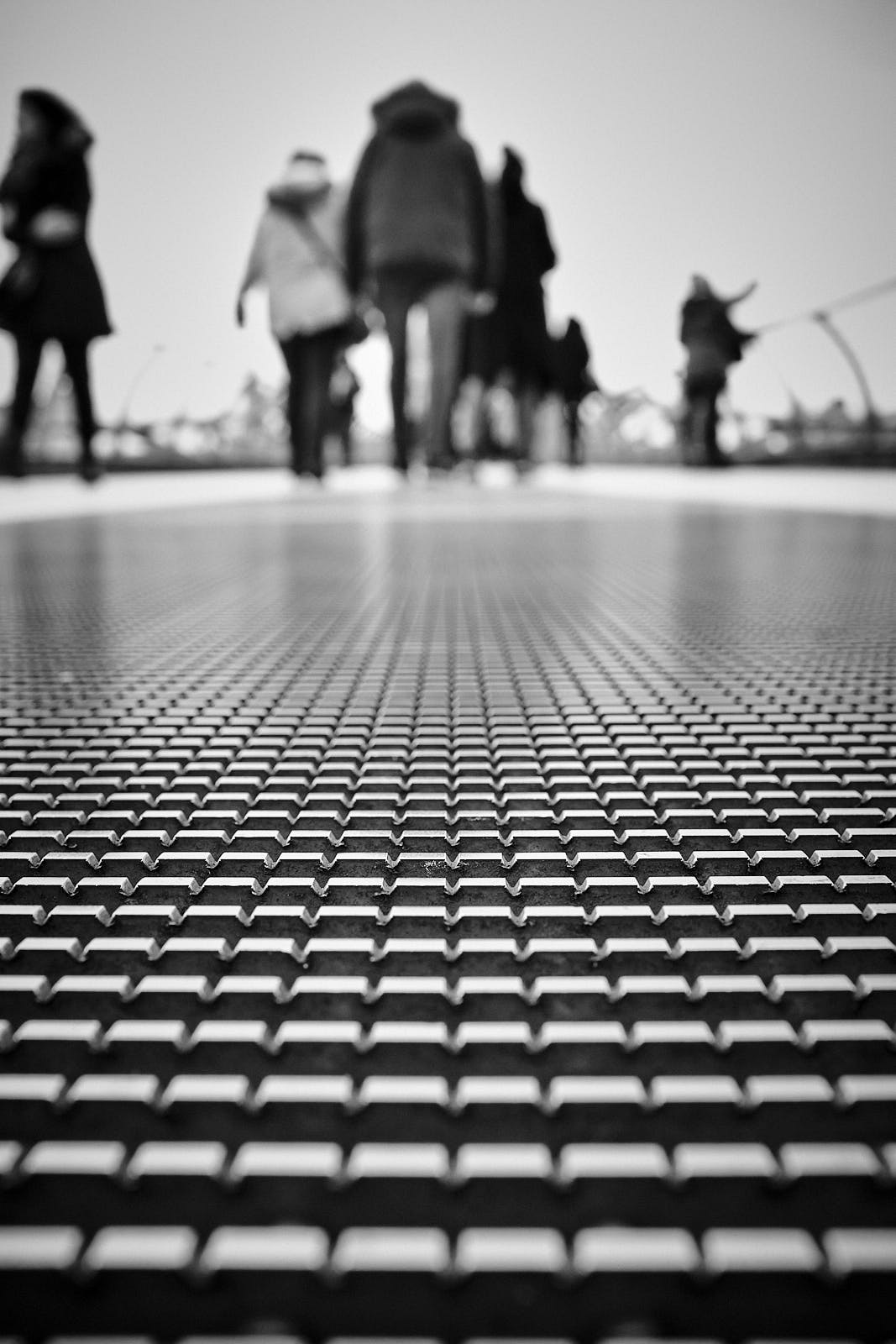
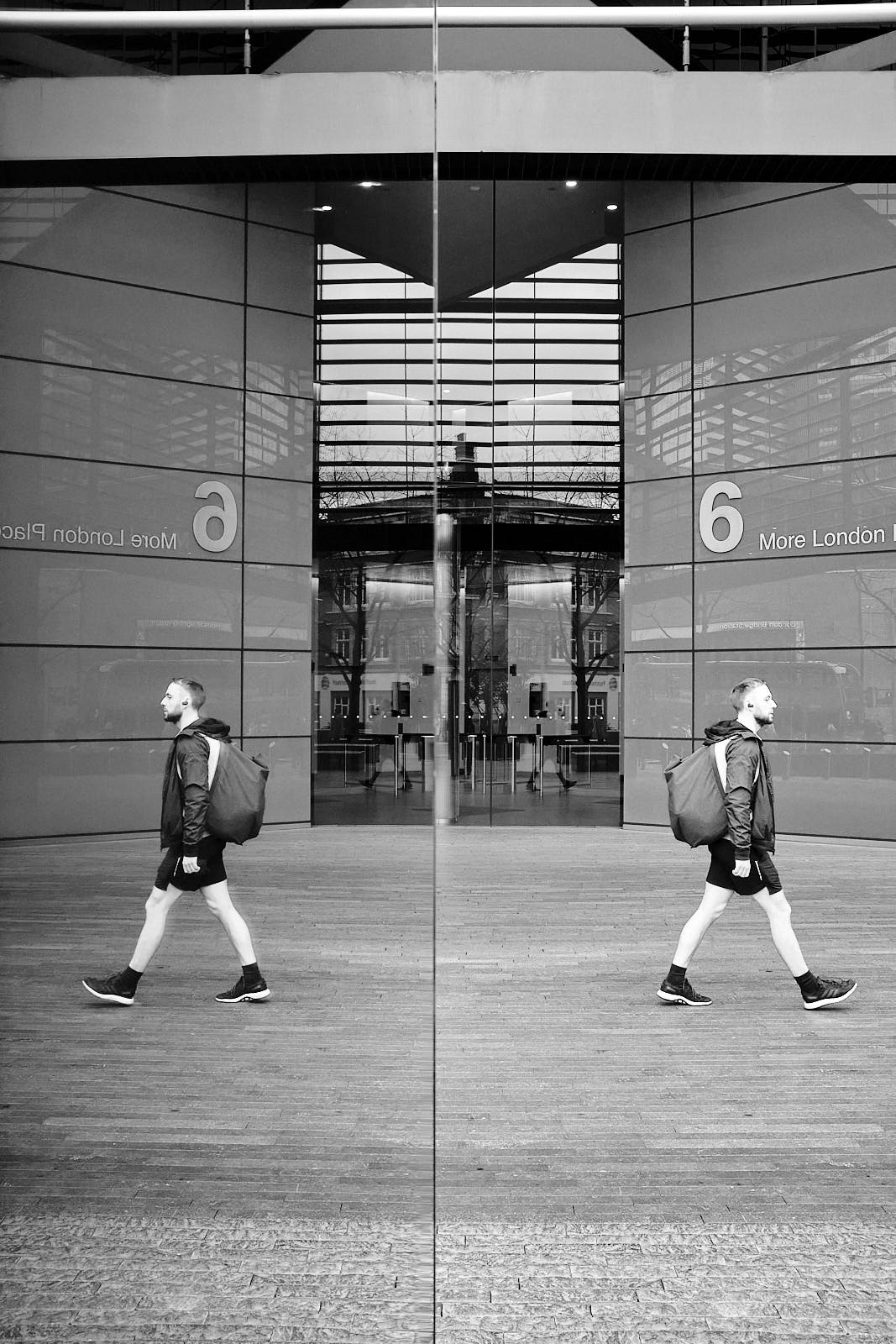
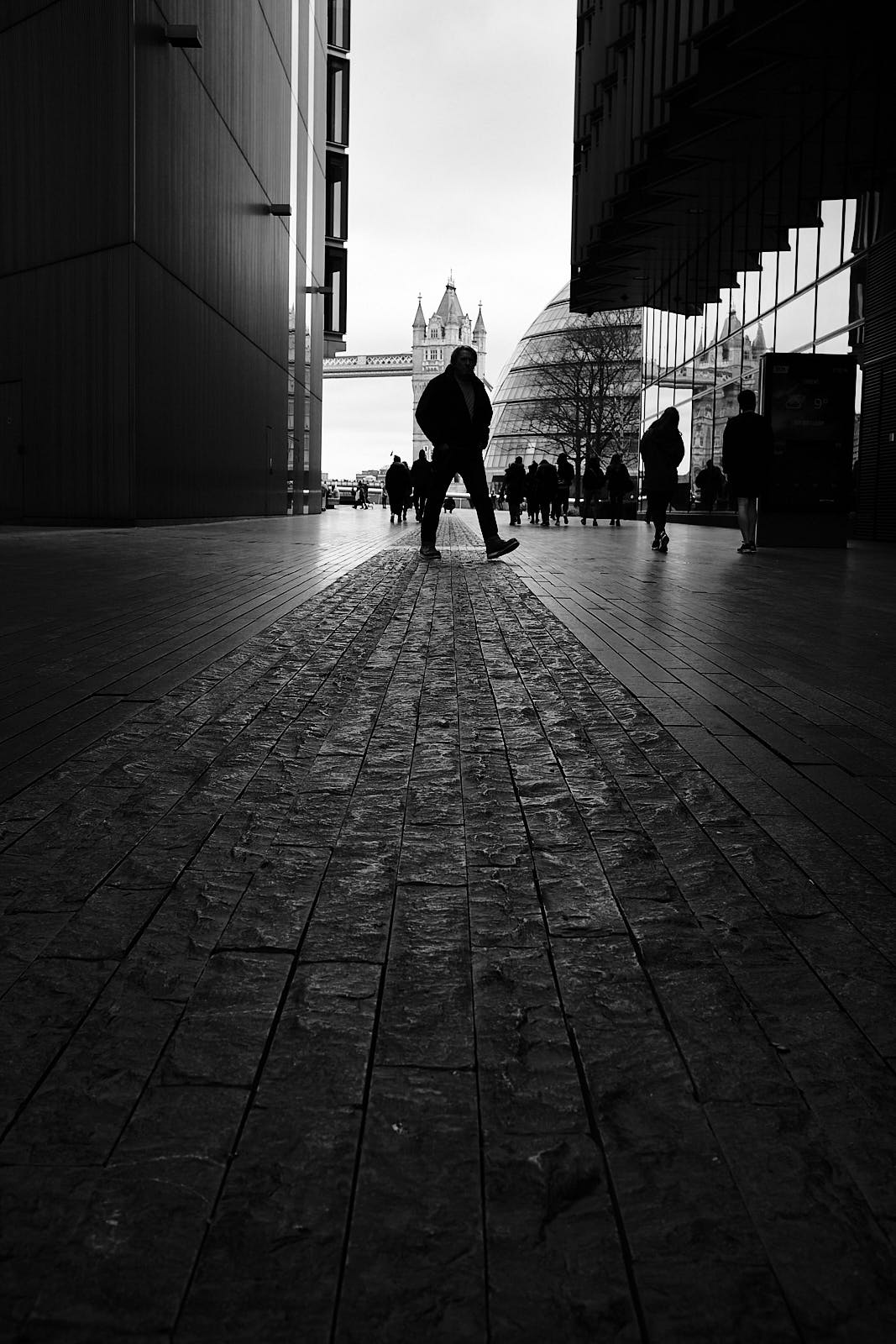
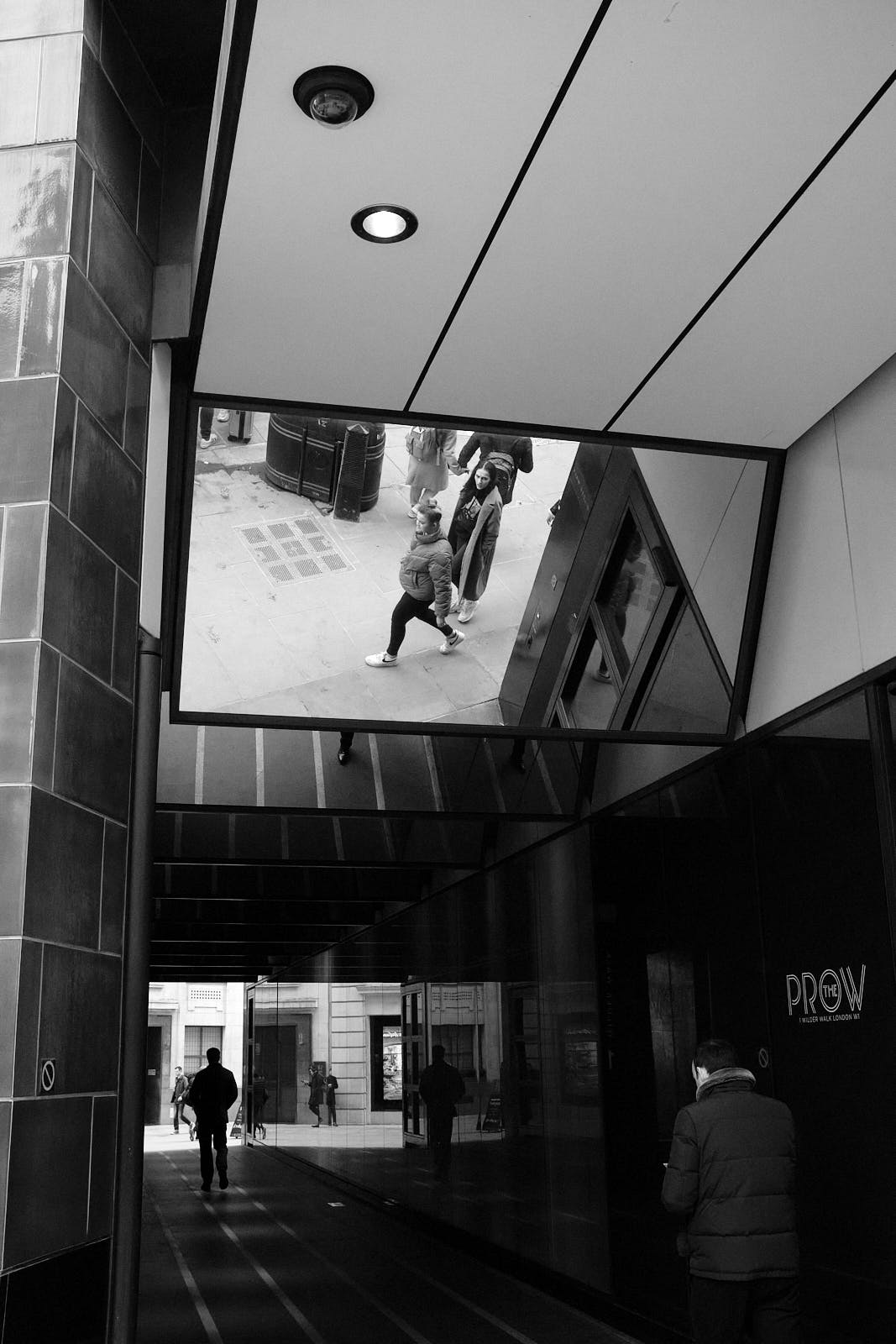
After my initial assignment submission on Hidden Beauty, I may have slipped off the path I’d initially chosen. My inspiration has more than often been drawn to pictures where the photographers have been able to use both light and darks to construct the desired composition. This is something I’ve only just come across from what my tutor had signposted me to with the Italian word Chiaroscuro (Chiaroscuro | Glossary | National Gallery, London, s.d.) Light and Dark. Where artist like Leonardo Da Vinci and Caravaggio have used within there artwork. Once the edit starts and areas can either be cropped or dodged and burned hidden elements become clear. Photographers have been doing this for years from the darkroom to the editing suites on computers.

”One sees differently with colour that black-and-white… in short, visualistion must be modified by the specific natue of the equipment and materials being used” Ansel Adams

Hidden beauty is where light and dark can be used to create another aspect within the composition and the final edit. The areas where I find light and dark are in theory my studio. How I manoeuvre the light is down to the time of day and the angle of the sun in relation to where I’ve placed myself waiting and fishing. The series previously had been shot using Fujifilm Acros black and white in-camera film simulation. After some email traffic to my tutor to the comments of not tying myself to one style and that I hadn’t shown any colour images apart from what had been placed in the exercises previously. I decided to go back and re-evaluate the images I’d initially submitted.

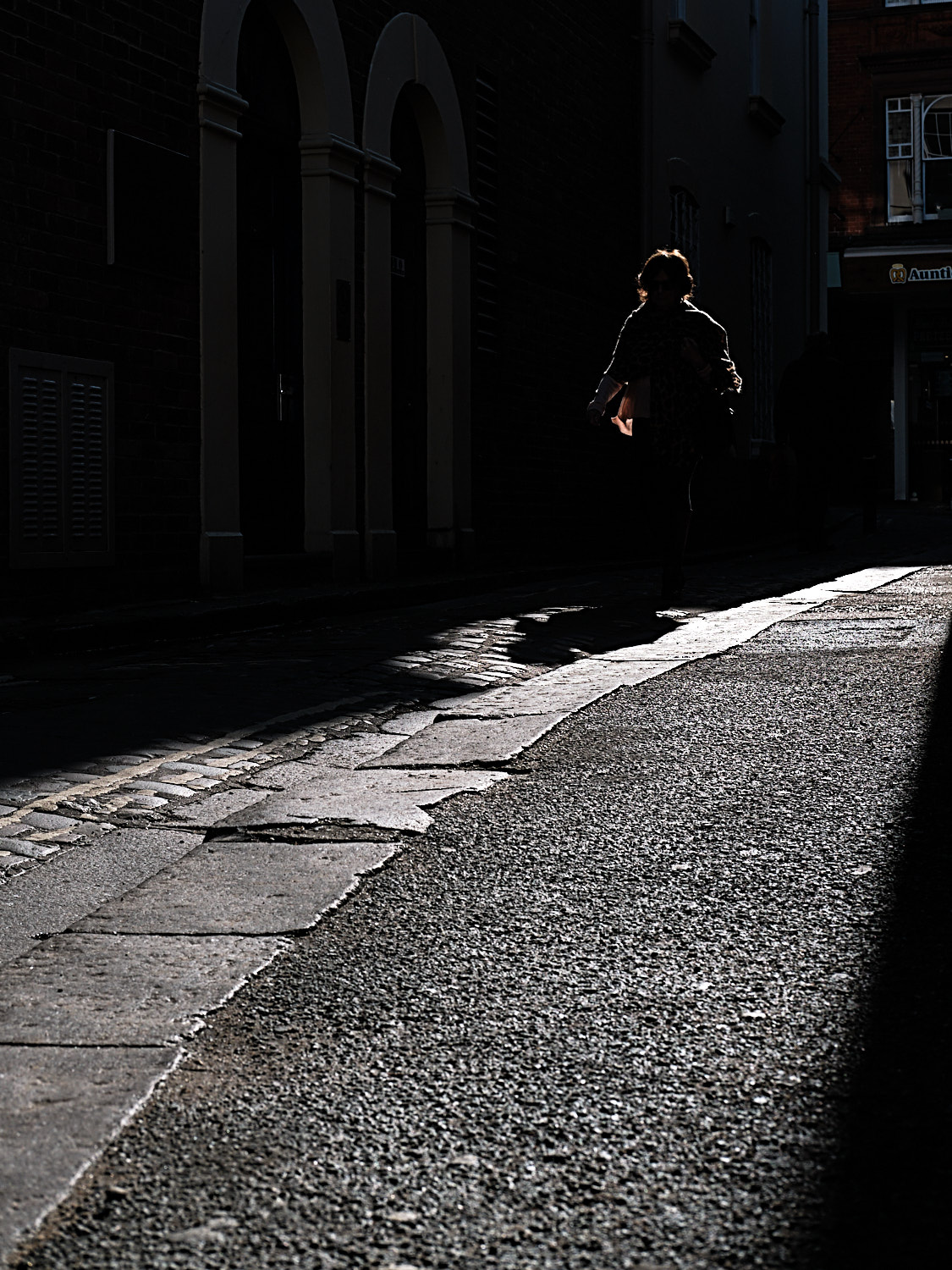
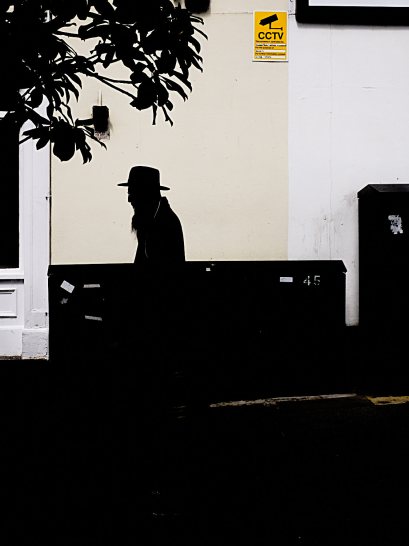
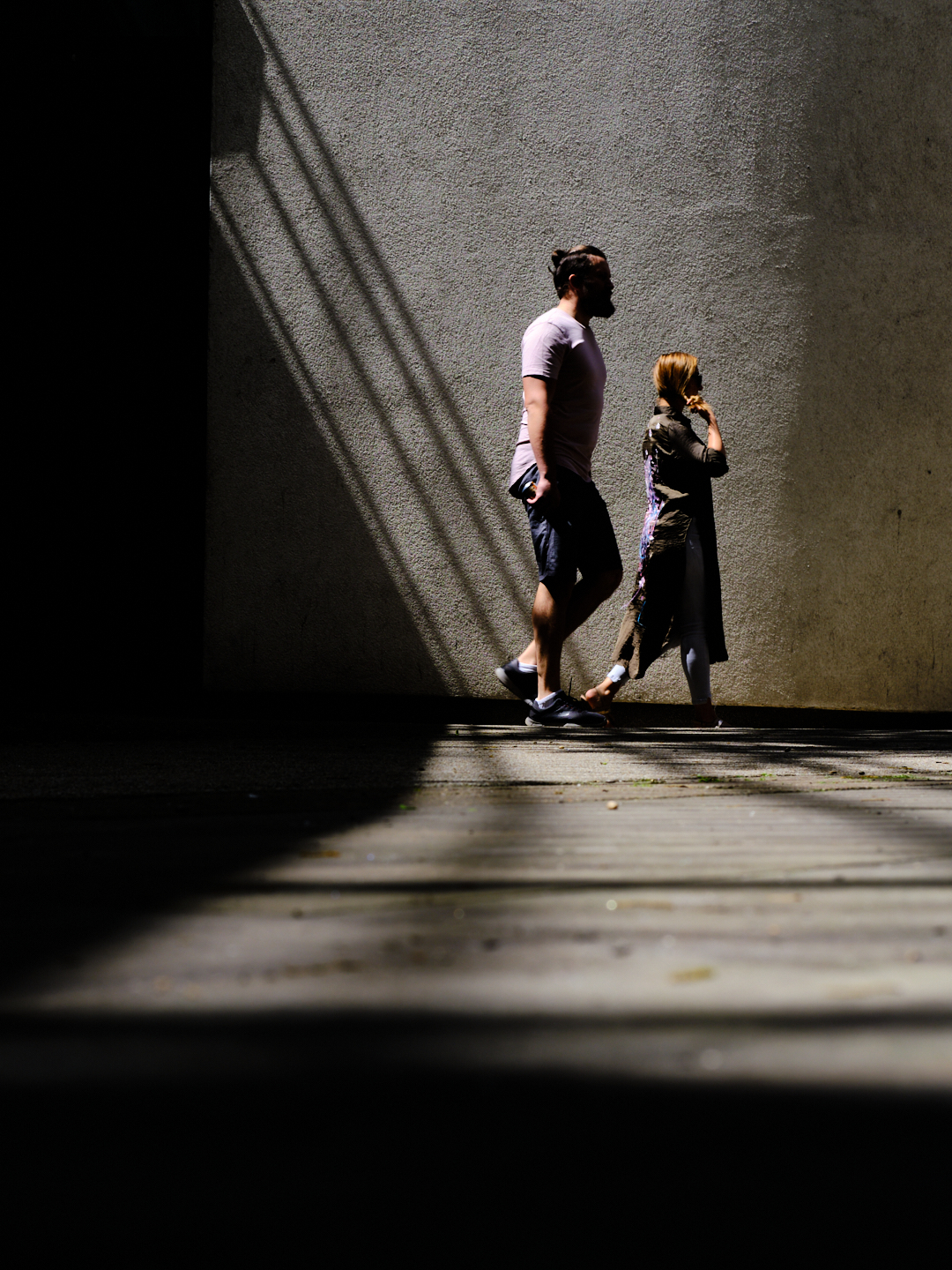
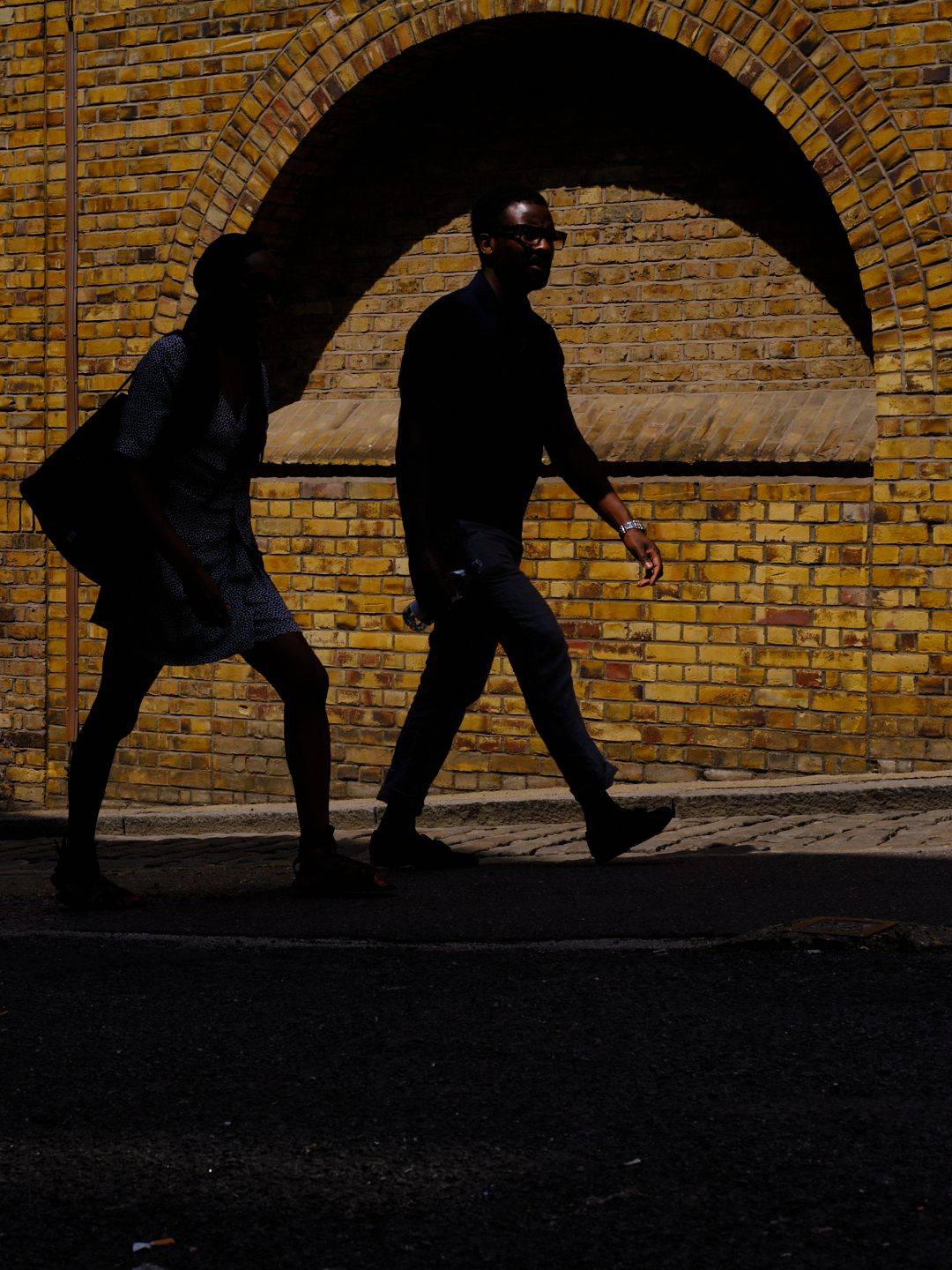
I’ve still kept to my initial idea of hidden beauty using available light and darks. Once back in the editing and elimination process can you start to feel that another image can be produced from what you have captured. Dodging and burning have been used to enhance and darken images, modern software enables us to control more than just the shadows and highlights. By adjusting colours, contrast and crop. We can create a new image that was not what was captured first. Fan Hos image of the meeting shadow was created by him in the darkroom with the strong diagonal line from the top right to bottom left. Had this not been there, the image would have looked minimalist at first glance, with the edited version and added shadow creates a leading line to the subject adding more to the picture. Yes, some may say this is cheating the system and not natural but neither is using light in the studio. By controlling how light and dark in your composition we can control the viewers’ eyes using negative space and darken the blacks enhance the abstract feel to the form, creating a silhouette that leaves the viewer in the sense of unknown of who and what was photographed.  When I looked at Saul Leiter’s (Saul Leiter | artnet, s.d.) work and how he was able to place layer after layer of light and colours in his work, you have to be able to control the final image in post-production.

What adds beauty to these pictures

  • Geometric shapes
  • Lines
  • Pools of light (Natures flash)
  • Layers of colour
  • Contrasty areas of Darkness
  • Consistent crop ratio

202000717-Ass_2 re work 1

20200704-ass 2 re works 6

DSCF3835

DSCF4159

20200704-ass 2 re works 5

20200704-ass 2 re works 2

202000717-Ass_2 re work

20200704-ass 2 re works 4

Demonstration of technical and visual skills – By understanding the edit process and how to control the overall effect, Ansel Adams mentions that the initial image is not finished until the edit has been finished. Controlling the colour, contrast, shadows and blacks we are able to deliver a picture where that we had seen during the composition and framing prior to pressing the shutter. The final images use a crop ratio of 3×4. Positioning the leading line, shadow or geometric shape so that it emphasises the subject.

Quality of outcome – By going with colour over B&W this time I feel that this is something I have been able to see other elements in a different way. Colour is not my normal medium when out shooting street photography. Id prefer to shoot in B&W, however reading and seeing images from Saul Leiter’s inspired me to shoot colour during this reshot of this assignment. Overall I’m content with this outcome where this lead me to go out and shoot more in colour.

Demonstration of creativity – The creative side has not just been through the composition but by the way the final image has been edited. To have something perfect in camera is good, it is how an image can be changed better by using various means of editing software.

Context – The context behind this series has been “Hidden Beauty in the Edit.” So many people will leave an image without an single edit. By manipulating the image we are able to produce a new image that had first been seen. Is edit cheating some may ask? The edit process is how we tie every bit together to produce a final image. Like a painter and his canvas by adding layer after layer of paint only then is the picture finalised. Like the process i use to darken a shadow, control a multiple colours to make my subject pop.

Bibliography

Chiaroscuro | Glossary | National Gallery, London (s.d.) At: https://www.nationalgallery.org.uk/paintings/glossary/chiaroscuro (Accessed  19/06/2020).

Edit Or Not To Edit That’s The Question – Story Behind The ‘Approaching Shadow’ By Fan Ho (s.d.) At: https://aboutphotography.blog/blog/2020/2/14/edit-or-not-to-edit-thats-the-question-story-behind-approaching-shadow-by-fan-ho (Accessed  11/07/2020).

Saul Leiter | artnet (s.d.) At: http://www.artnet.com/artists/saul-leiter/ (Accessed  11/07/2020).
20200314-Assignment 2 Photographing the Un-Seen

Mind Maps Assignment 2 Mind map 001

Hidden Beauty Mind map 002

DSCF2067 Halo
DSCF1827 Do they ever look up from their phones
DSCF1958 Sleight of hand
DSCF1963 Facelift
DSCF1909 Nought and Crosses
DSCF1487 Rivets and Paul
DSCF1528 Millennium pathway
DSCF1697 Just walking away
DSCF1667 Bricked River
DSCF1980 Layers and Mirrors

Assignment two lets you choose between using a prop or photographing the unseen?

It has been at times, challenging when experimenting with ideas to support the narrative that I have chosen to support this assignment of photographing the unseen.

Initial thoughts behind the idea have been at times, confusing in how I deliver the final concept. At times I’ve thought about this and stumbled with what it is I want to achieve. Reading posts on various social media platforms and blogs hasn’t helped it has hindered my thought process.

Too many posts or articles are in circulation on mental health and people’s wellbeing in the papers and television. I have thought about many times and not something I’d like to pursue at this time. It is something I’ll discover at a later date during this process.

At the time of writing this, the world is facing a dilemma/epidemic, explosion of social panic. COVID-19 the Corono virus that has now spread into the UK over the last few weeks. It is now going to be an on-going issue for the forthcoming months at least. Receiving emails from the OCA concerning problems with sending and receiving finished assignments or the likes also helps with ideas in my mind. However, I’ll piece together a supporting plan for assignment two “Photographing the Unseen.”

What is the unseen in the eyes of me, Thomas Pal?

Contact sheet 20200314-Contact sheet Ass 2

I’ve looked at this slightly within assignment one. And what hides in the shadows, in this assignment, I’ll build on what else appears within the unseen. It may come across as slightly confusing at times but, I’d like you to enter my thought process and imagine yourself behind my eye seeing what I’m seeing. The same as if you were holding my head like a camera body looking at compositions and frame, setting the camera up to take the image I’ve have seen.

What do I see while I’m out with a camera?

  • light
  • shadows
  • geometric shape
  • patterns
  • people
  • places of interest
  • lines
  • colours
  • black and white

The above are all elements I’m trying to find to create a good picture. If one is present, that’s fine, but if many are present, then it’s the right image. You will probably think this is very Henri Cartier-Bresson decisive moment kind of photography. Which I will not argue, the pictures he took for me are unseen when you think about it. Once it has happened and if you missed it, it is unseen.

Hidden beauty is what I’ve looked at in my images over the time since starting this learning process. My style has changed in the way I see things. I still enjoy watching people and the way people do things in their daily routine. Seeing things documenting the lives of individuals from one place to another, you see how many things within a picture are small hidden elements of beauty.

While sitting here in the local coffee shop, I’m looking at my coffee cup wondering if I’ve gone down the right path with hidden beauty?

Yes.

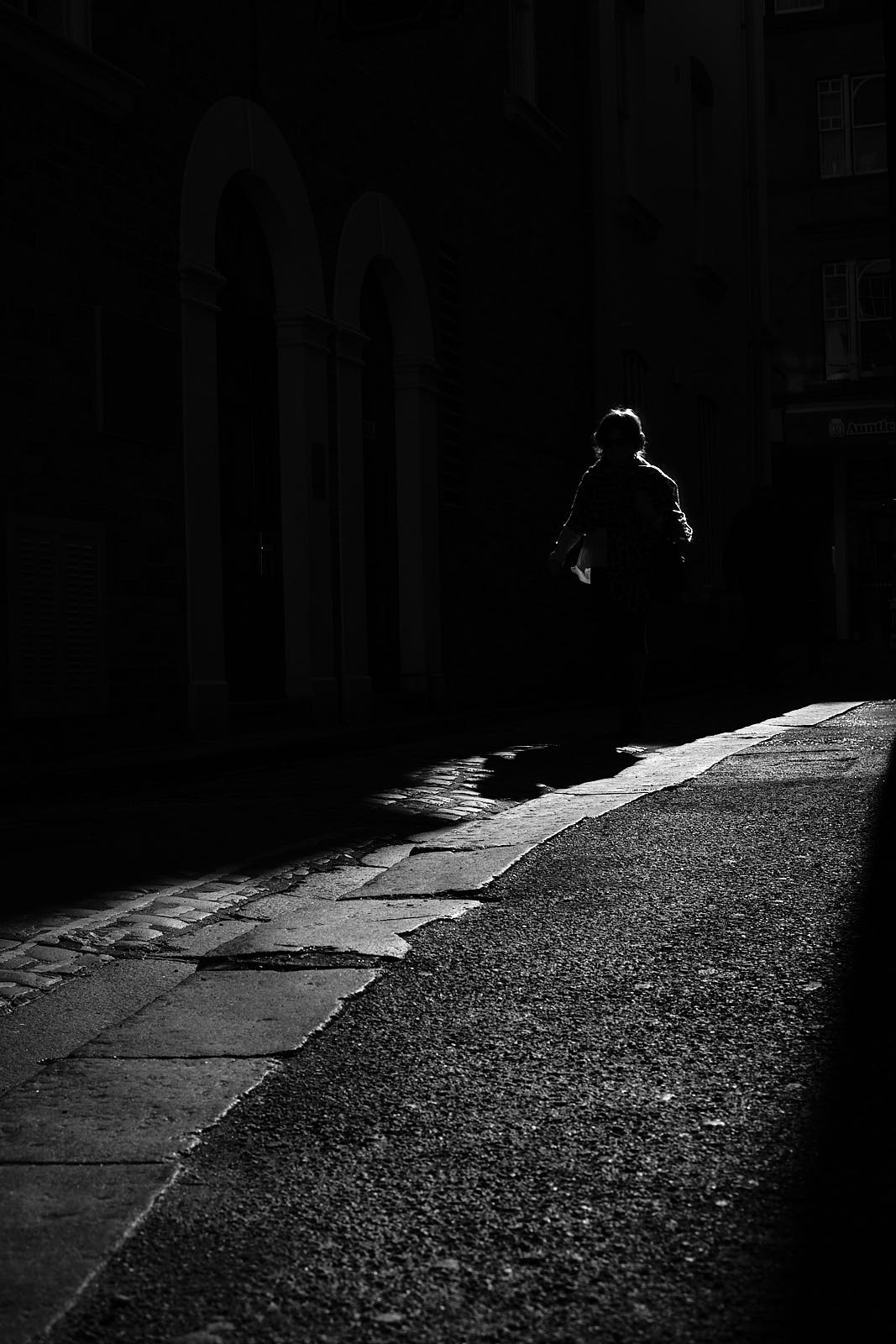
As you will see in the images, I’ve used. Light and Shadows are, for me a beauty within themselves. An artist requires light on their subject to see the beauty and darkness (shadows) to add contrast to the picture. I like to use both in composition to add that hidden beauty, whether this is adding negative space to a frame. Or a single isolated element of the composition. I am then deciding if it’s a colour or black and white composition. Most of the time, I shoot in black and white using Fujis Acros film simulation. Seeing it in black and white helps, then changing to colour later in the post if I want to see what it looks like in the final edit. Seeing that small part on the cameras display screen after you have taken the shot is the moment, I know I’ve captured something. In the edit, I start to see it again but with an element of finesse to it. A touch of exposure control, adjustment of the blacks and whites, opening the shadows, reducing the highlights or just leaving it as it was correct at the moment, I press the shutter button SOOC. These are the hidden beauties of photography, the little elements that a photographer goes through. So, while I ask myself again, what is unseen in photography?

The process is unseen to me how a photographer processes that idea into a final picture worthy of printing or placing on his social media platforms or just saving the file, waiting to see if anyone finds it.

I wonder how many great pictures are still unseen since the camera and film were invented?

Demonstration of technical and visual skills – I’ve tried to keep these as accurate to how I saw them at the time. I’ve added some small edits in post. These are along the lines of controlling the blacks, adjusting the shadows and creating a slight glow to some areas. Some of the pictures slightly repeat themselves in the location; however, the framing is different for the subject chosen.

Quality of outcome – Overall, I’m happy with the chosen format of black and white, the majority have been captured using the 35mm bar one or two with a longer lens, just to that standoff approach and be able to zoom in and isolate a small part of the frame.

Demonstration of creativity – I believe these are creative and yes, they have been used before. By changing the point of view, you can see something else. These images are highlighting small areas where beauty exists, such as the rivets on from under Blackfriars Bridge.

Context – Behind each picture, I’ve tried to establish some form of hidden beauty. Be this in the form of light or shadows creating negative space, small areas of light or isolation in the image. If I was to enhance this assignment once COVID-19 comes to an end, there are other areas of both Windsor and London I have on my list to explore how the light creates shapes and forms new shadows. Ultimately creating “Hidden Beauty.”