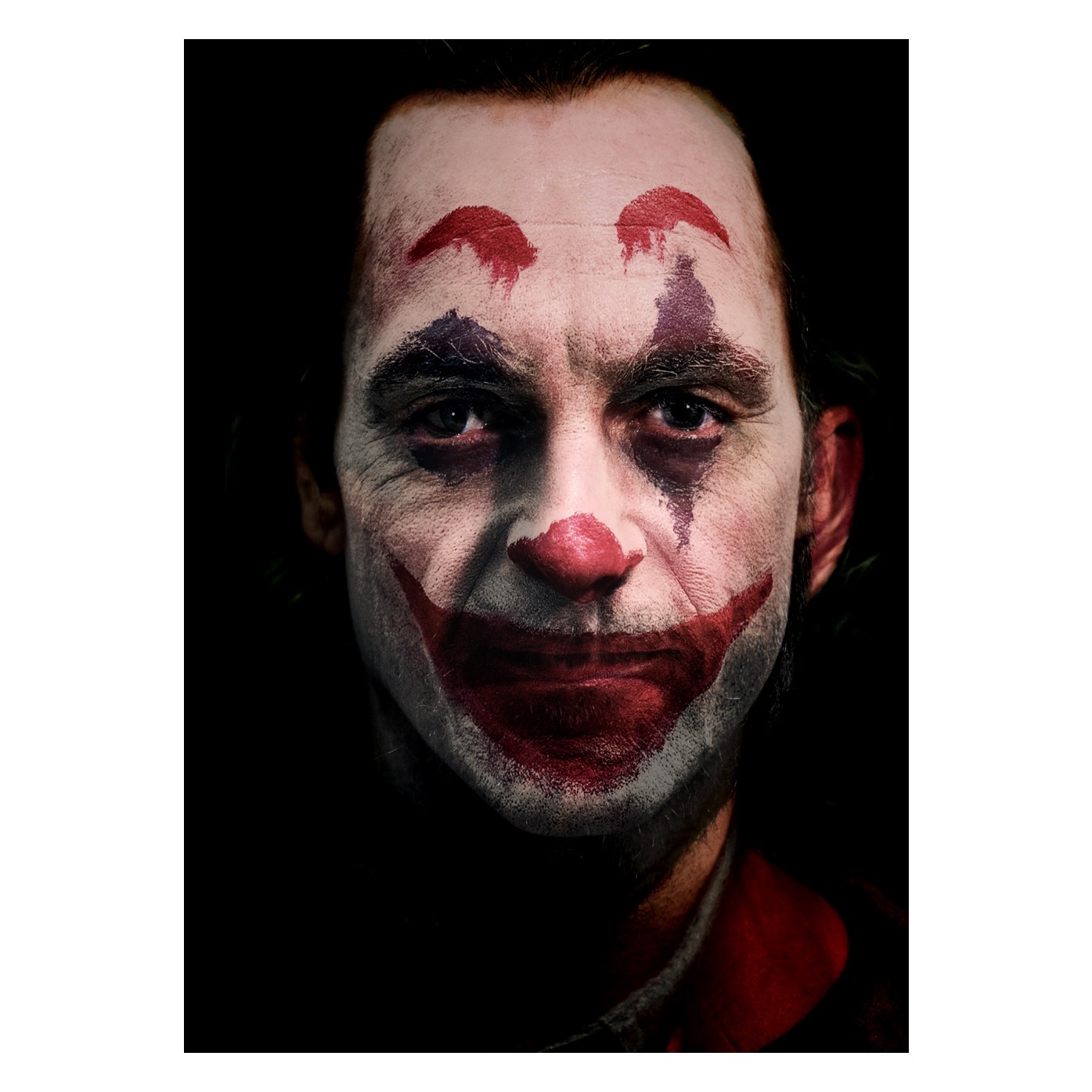
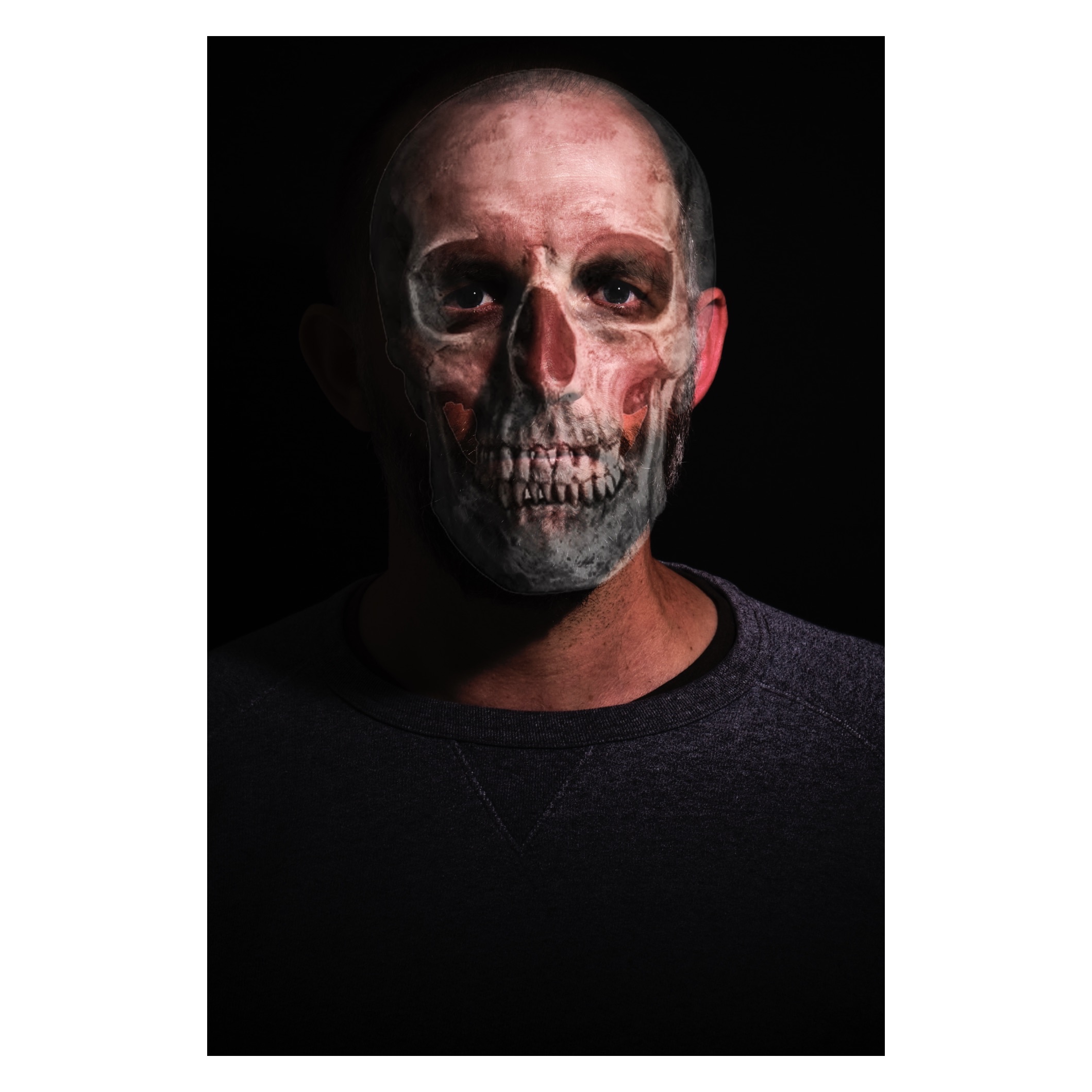
20210102-Context and Narrative complete

I was quite taken with the final comments from assessment. I had not expected to get the score I got. Non the less I have learned from this part. It has made me think of how I work and how I place together works.

I fully agree with elements of the write up, the writing is the part that I will need to brush up on with later part if it is that I continue with the process. Over all I’m happy with what I scored and now fully integrated into Identity and place.

20200917-November Digital Assessment

Notes to the assessment team, I have embedded all LO outcomes to my learning log. Within my G Drive folders i have placed a PDF zine that i have made to support assignment 3. Please when viewing this open the document and enlarge so that the pages turn page by page.

Below is the link directly to my learning outcomes and blog posts.

https://wanderingwindsorman.photo.blog/category/digital-assesment/

20200725-C&N_Learning Outcomes

I’m confused.com

Below are the learning outcomes. However, I’m starting to struggle with how I support these with learning log entries. EYV was easy to understand by printing all assignments and any re-edits. I’ve seen messages on the forum about tutors suggesting to students to ask the student to help whether examples of student work as ideas.

I can understand how this has come about, though I feel I may not submit the correct post or assignment image set. It’s confusing, and I know I’m not the only student feeling this way.

PH4CAN – Photography 1: Context and Narrative

Learning Outcomes

20200912-Digital Submission

LO1 create images that demonstrate a practical and conceptual understanding of techniques, and the importance of context in creating meaning and narrative.

  1. Reportage
  2. Manipulated image 
  3. WIP digital submission
  4. Learning log entry video editing process

LO2 demonstrate an emerging critical awareness and an ability to articulate ideas into imagery through appropriate use of technique.

  1. Image and Text
  2. Masquerades
  3. Learning curve self-portraits

LO3 conduct research, development and production of photographic work in response to the themes explored in this unit and show a developing understanding of contemporary imagery in relation to historical practice and theory.

  1. Setting the scene
  2. Assignment 5 WIP
  3. Learning curve continues WIP
  4. Research John Hillard

LO4 show an ability to critique your own imagery and reflect upon your learning experience, and developing sophistication of your assessment of the work of other practitioners.

  1. Reading pictures 
  2. Learning log entry walk about
  3. Mirrors and Self-Portraits

Now it’s time to work out what posts support which learning outcome!

20200726-Strengths_&_Weaknesses

Evaluation of yourself is, at times, the hardest thing to achieve. You will always try to understand your common areas to improve, but you do not identify your weaknesses. Males tend not to show our weakness, mainly as a sign of weakness. However, this should be looked on as a sign of strength. By identifying your gaps, you see where Strengths lay.

My 4×4 (S & W)

Strengths

  • Compositions
  • Camera techniques
  • Editing process
  • Ideas/Concepts

Weaknesses

  • Academic writing
  • Reading
  • Rushing to complete
  • Dive in feet first

Strengths

I would like to think I have a fairly good eye when looking for compositions and subjects. I appreciate that a lot of my work has been towards a street/urban style. It is something I enjoy and use as to try and keep my artistic mind occupied. Black and White is my go to style although areas of this course and tutor feedback has pushed me to shoot in colour producing a different side and openly I side where I can venture away from the norm.

Sometimes I see a picture straight away other times I visualise how it will look once I’ve finished the edit. You can be happy with it straight out of camera. Though the edit process will place the finesse to it. This becomes a combination of composition and editing process that compliments your initial ideas.

Weaknesses

The academic side of studying has placed a mental burden on me during this part of the course. From reading through the course book I was dreading the written work. This proved evident with assignment four and the essay. Party my choice of images may have been to blame and not having the faintest idea of how to structure or even write an academic essay. This part of the course has indeed placed a somewhat uneasy feeling on me whether I have what it takes to complete the degree learning. I left school without a single qualification and joined the military. I’ve had to gain national levels in English and mathematics to progress, though I’ve never done anything that would prepare me for this. Taking a picture is easy for me. Critical analysis of it is something I’ve not done, I could tell you how to attack or observe someone but placing this into a form of academic written work has pushed me to my limits.

Reading falls nicely into the above, I find that I can become quickly bored from reading if I’m not engaged in the first few paragraphs and pages. It’s not that I don’t read I probably just don’t read enough to enjoy it. I’ve tried to find more online visual articles and videos to explore then read. I know I need to read little and often, to proceed further I have too.

Rushing and feet first has often been the case where I have an idea and I’ve not war gamed the outcome. It’s something I’d do in a work environment so not sure why I’ve not done it here thinking of it now?

My overall thoughts on context and narrative where initially going to be slightly negative. I don’t think COVID-19 has helped with the learning process though it has helped with the ideas and thought process. Online learning is at times harder than expected, I probably need to push further with some more peer to peer work and presentation of my work for critic feedback. It’s been hard to get at times the answers to the questions and help if I’m being honest. Interaction works both ways.

20200719-Ass_Five_WIP_images

These images I had initially keep out from any learning log entries, until reading my feedback it has been suggested that I should keep this going. I have decided to place these in as my WIP images and playing with studio light and expressions. It is all trial and error when your not sure how you intend these to play out. By tethering my camera to my laptop I’m able to see the composition and desired effect prior to operating the shutter.

20200717-Learning Log entry continuing Ass Five theme

Something my tutor suggested in his write up was to see where my research and WIP could lead. Something I continued to push through with Ass five and my portrait image.

Ideas behind this and the use of layers through Photoshop has been something I’ve played with before. I’m able to show different realities through one image.

Just two I played with yesterday while looking for images to create. Facial expressions can lead the viewer into a new reality when the original picture was plain and simple.

20200714-Light play

Having a stand-in model has been an absolute game-changer. No arguing no hissy fits as you read about some models. And overall very cheap and cheerful.

Interesting to see how light falls on areas of the face. Now to see how to face the camera with different poses/expressions.

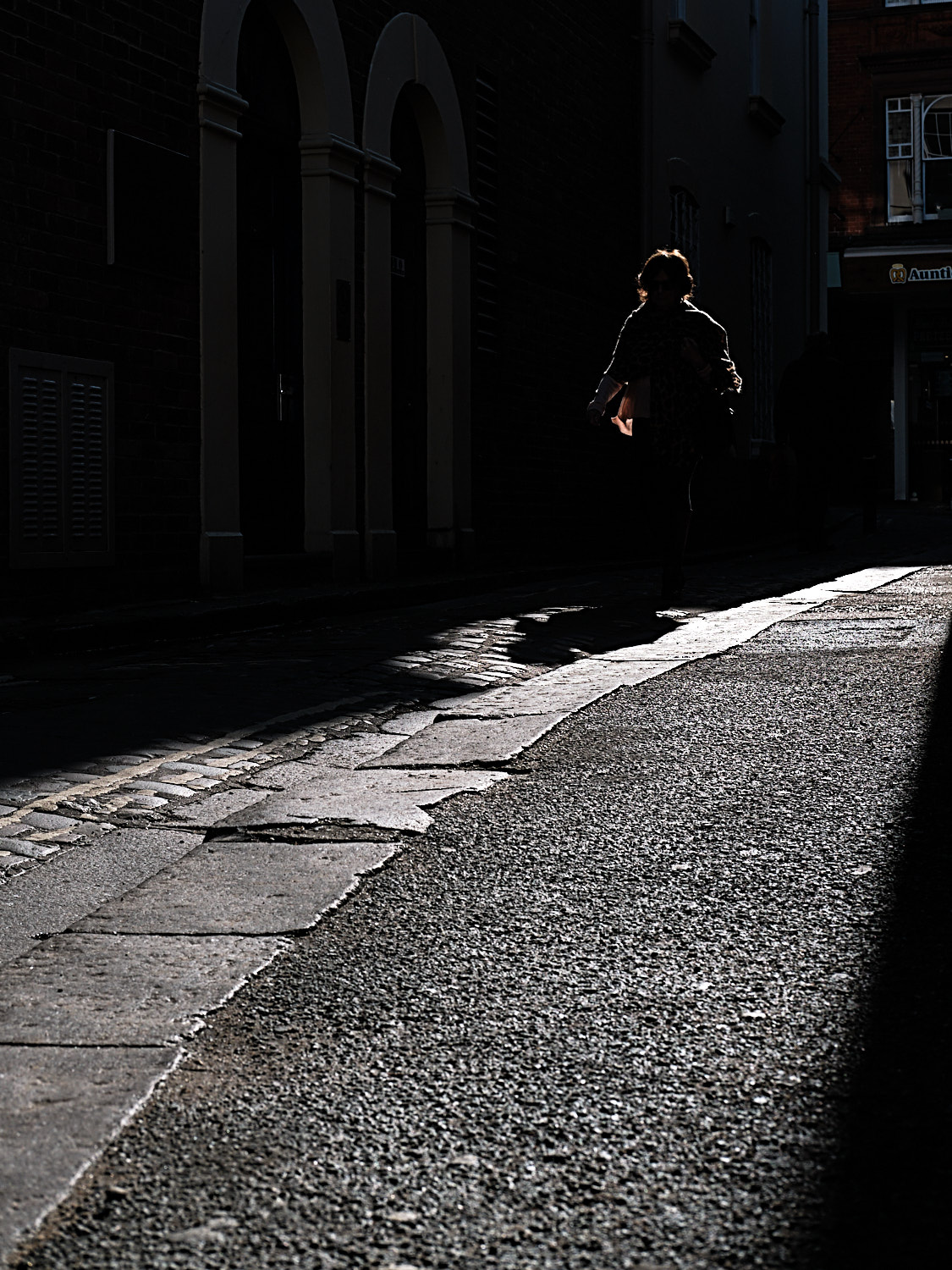
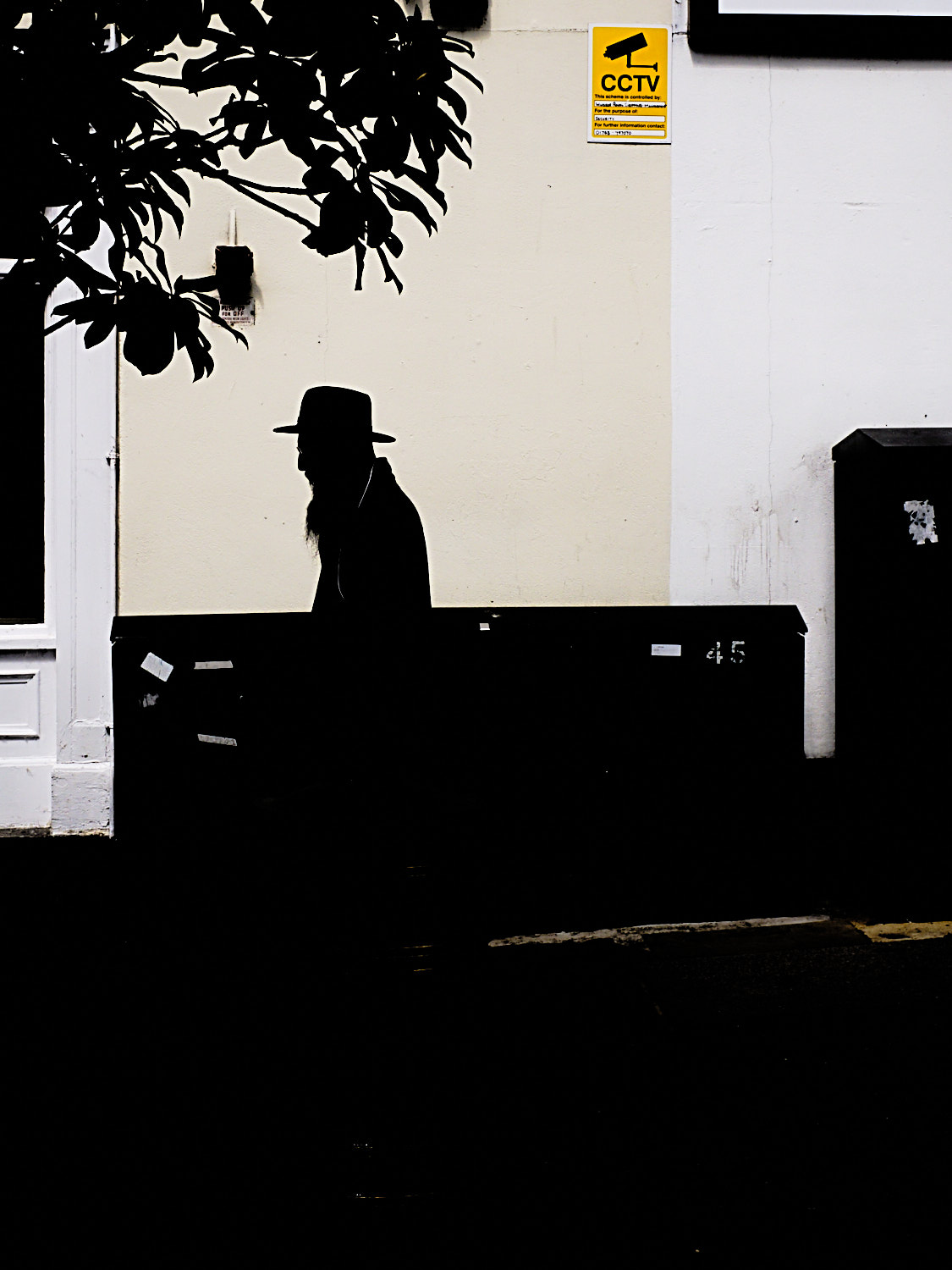
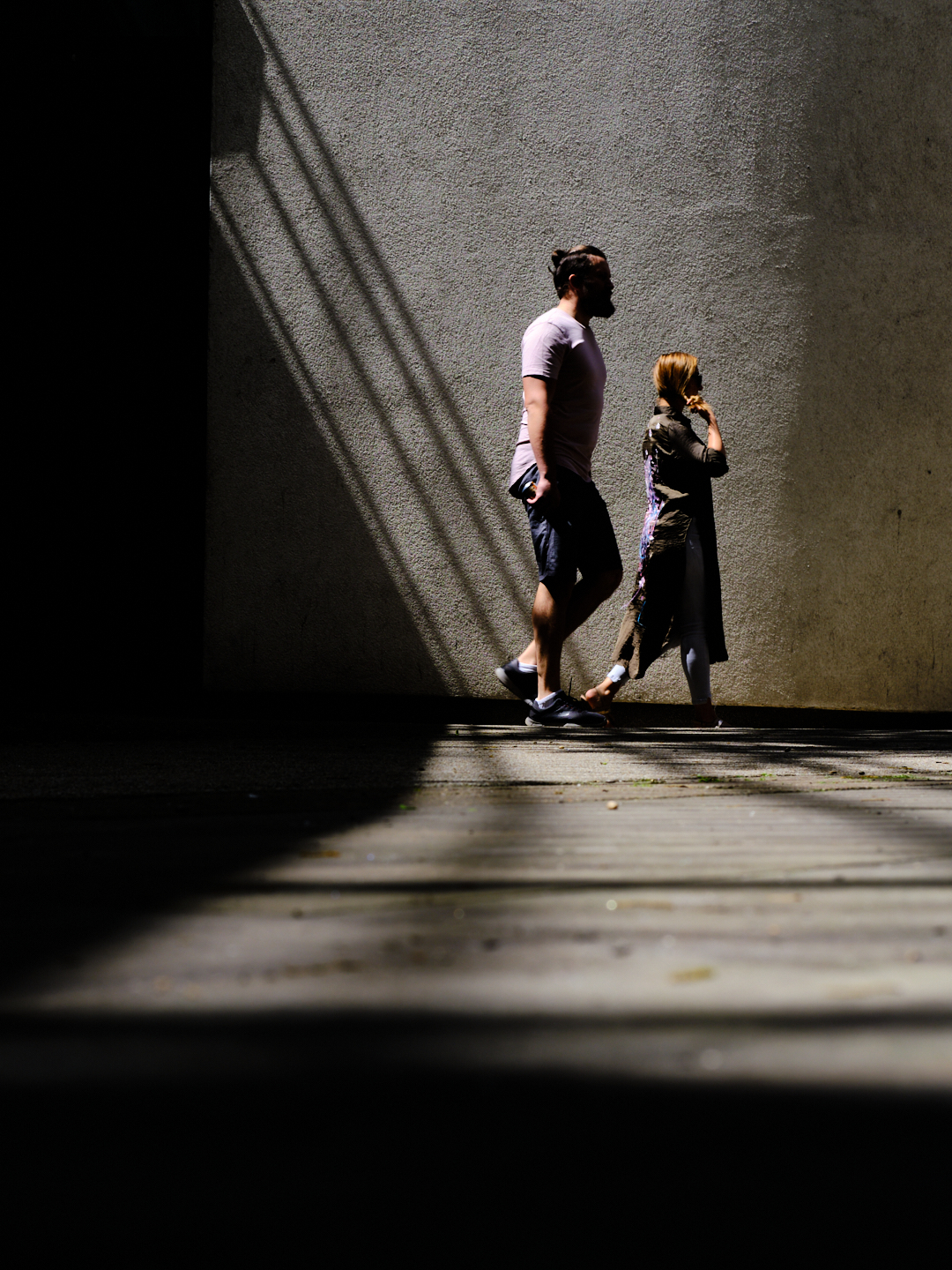
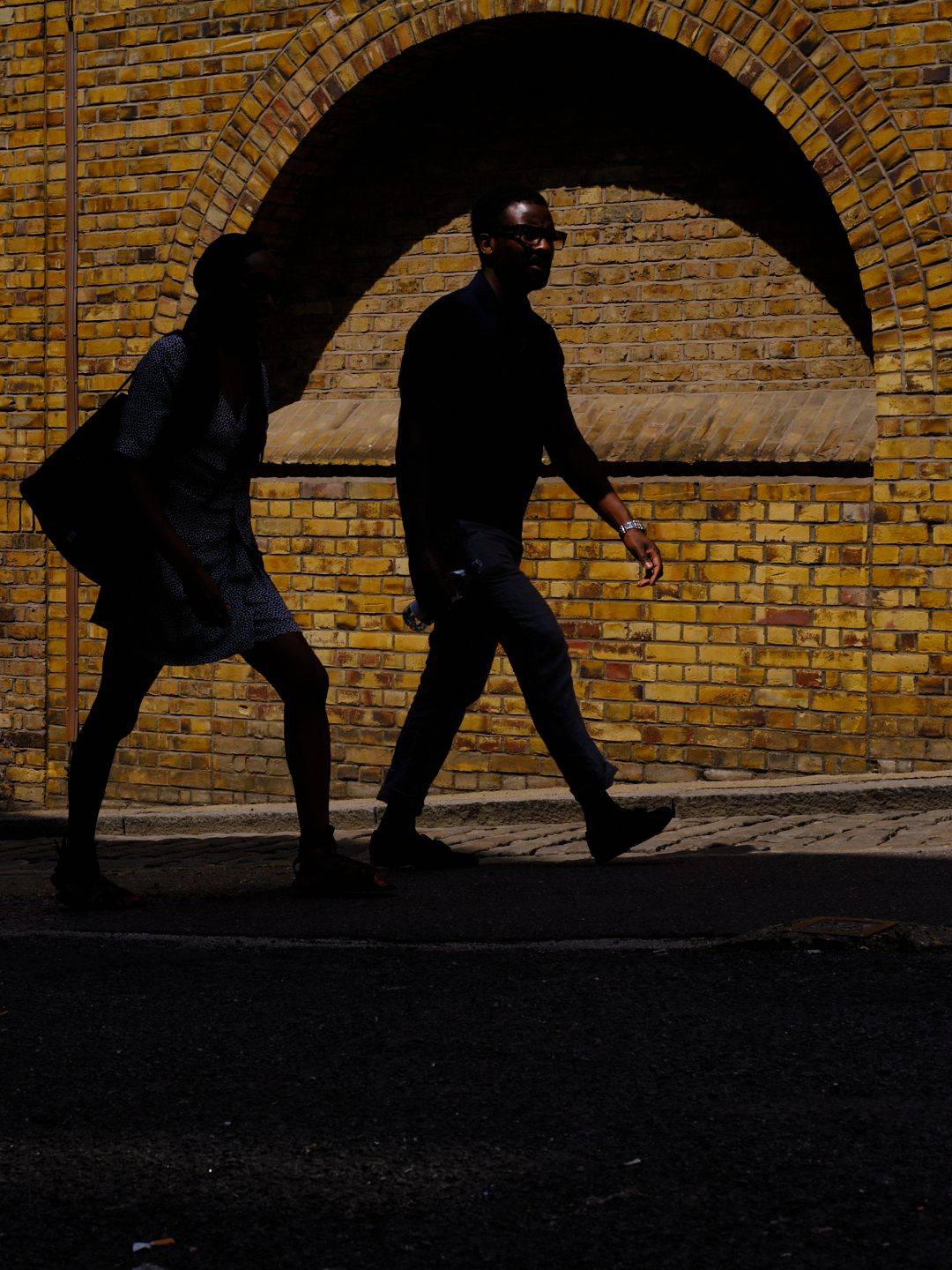
20200428-Assignment Two-Re-edits-The Unseen Beauty in the Edit

Assignment two re-edits.

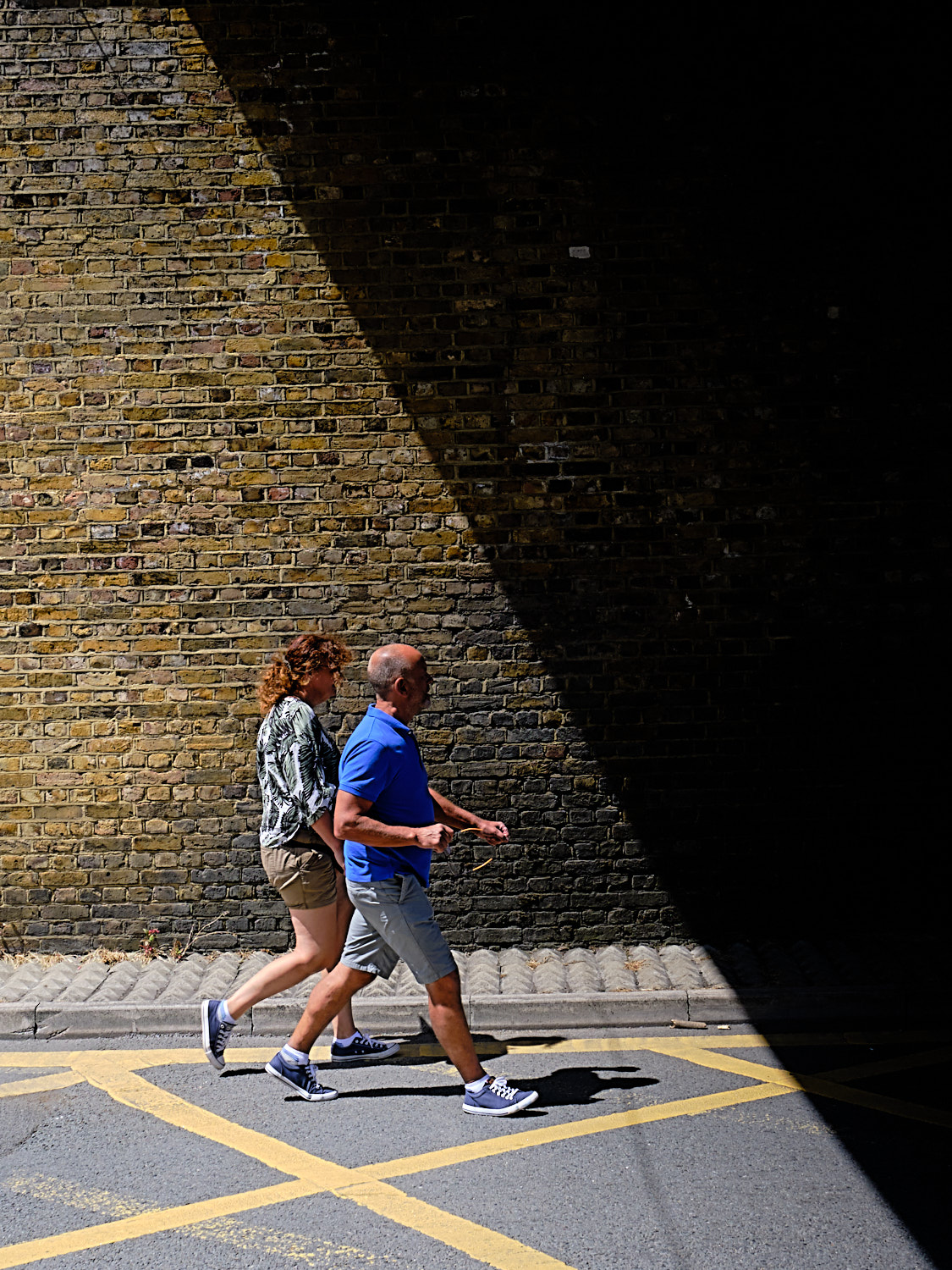
After my initial assignment submission on Hidden Beauty, I may have slipped off the path I’d initially chosen. My inspiration has more than often been drawn to pictures where the photographers have been able to use both light and darks to construct the desired composition. This is something I’ve only just come across from what my tutor had signposted me to with the Italian word Chiaroscuro (Chiaroscuro | Glossary | National Gallery, London, s.d.) Light and Dark. Where artist like Leonardo Da Vinci and Caravaggio have used within there artwork. Once the edit starts and areas can either be cropped or dodged and burned hidden elements become clear. Photographers have been doing this for years from the darkroom to the editing suites on computers.

”One sees differently with colour that black-and-white… in short, visualistion must be modified by the specific natue of the equipment and materials being used” Ansel Adams

Hidden beauty is where light and dark can be used to create another aspect within the composition and the final edit. The areas where I find light and dark are in theory my studio. How I manoeuvre the light is down to the time of day and the angle of the sun in relation to where I’ve placed myself waiting and fishing. The series previously had been shot using Fujifilm Acros black and white in-camera film simulation. After some email traffic to my tutor to the comments of not tying myself to one style and that I hadn’t shown any colour images apart from what had been placed in the exercises previously. I decided to go back and re-evaluate the images I’d initially submitted.

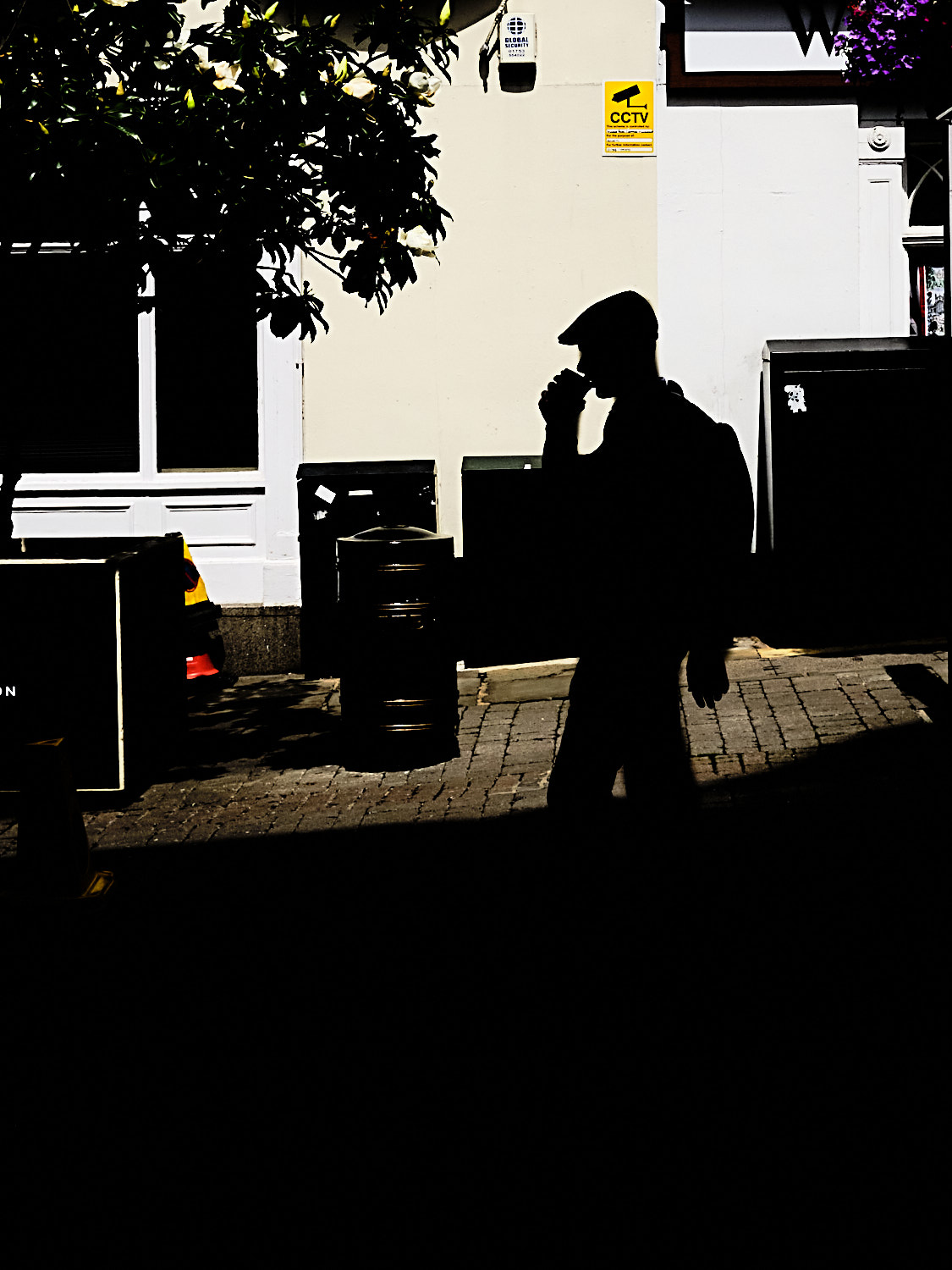
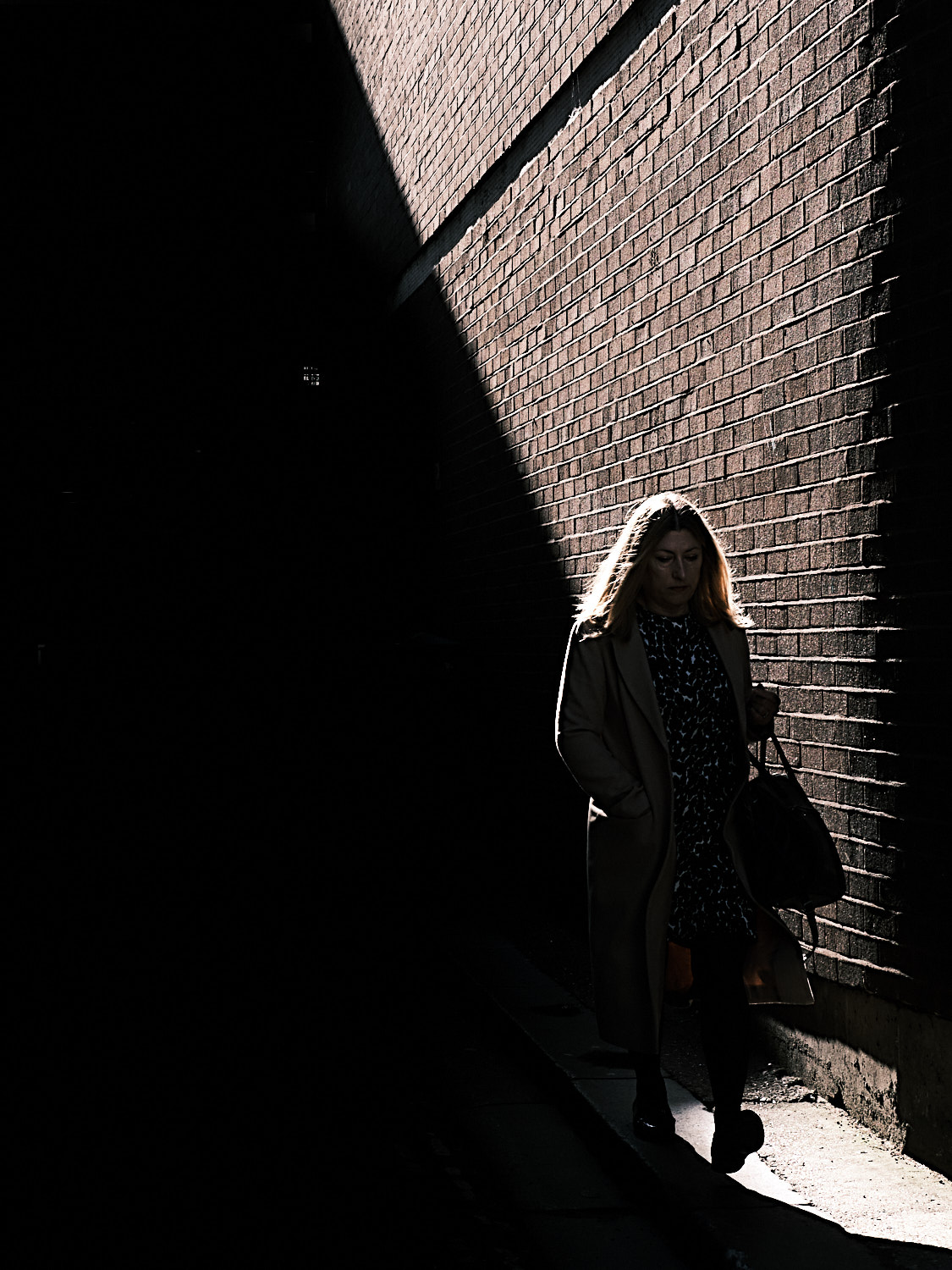
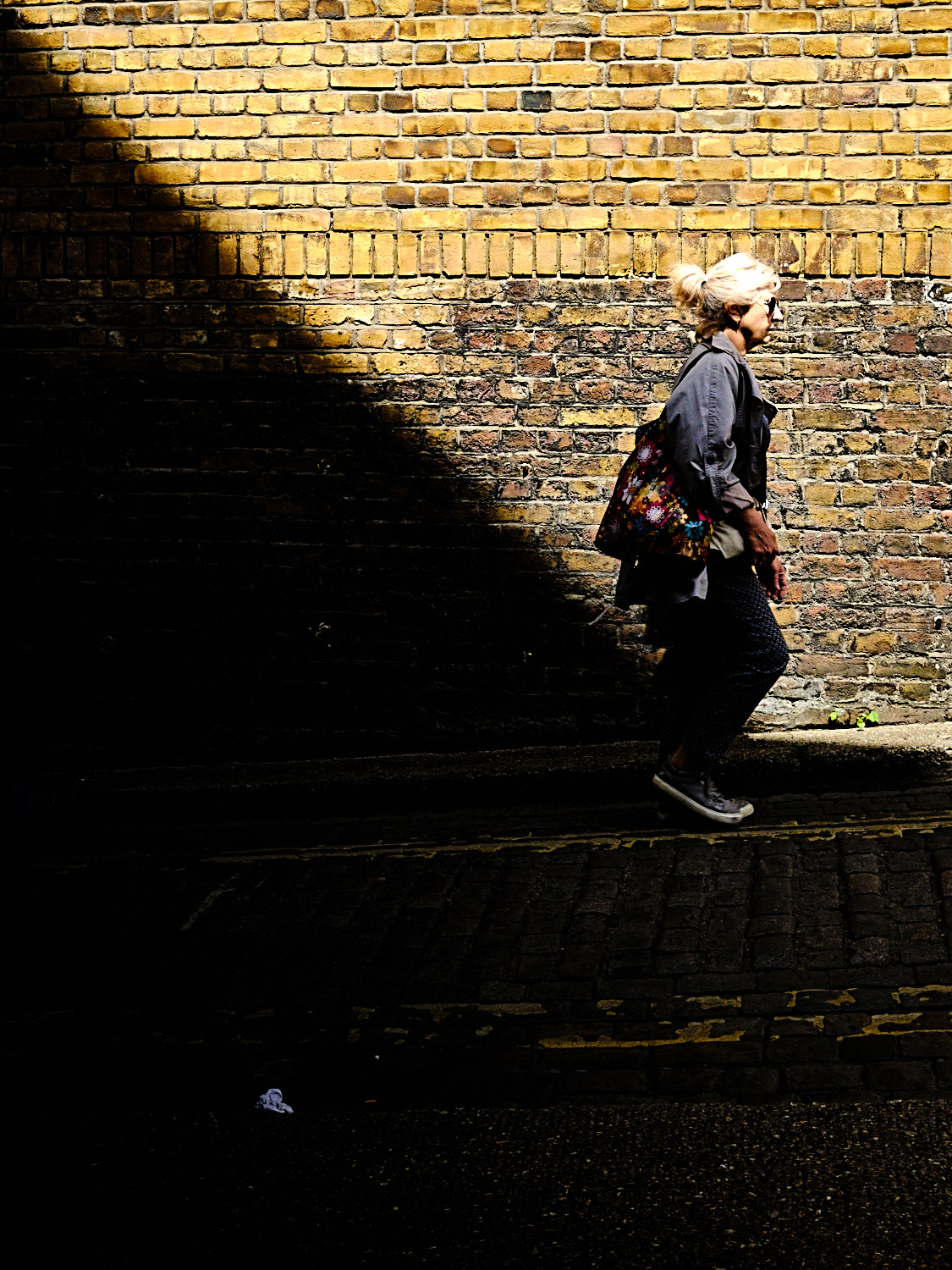
I’ve still kept to my initial idea of hidden beauty using available light and darks. Once back in the editing and elimination process can you start to feel that another image can be produced from what you have captured. Dodging and burning have been used to enhance and darken images, modern software enables us to control more than just the shadows and highlights. By adjusting colours, contrast and crop. We can create a new image that was not what was captured first. Fan Hos image of the meeting shadow was created by him in the darkroom with the strong diagonal line from the top right to bottom left. Had this not been there, the image would have looked minimalist at first glance, with the edited version and added shadow creates a leading line to the subject adding more to the picture. Yes, some may say this is cheating the system and not natural but neither is using light in the studio. By controlling how light and dark in your composition we can control the viewers’ eyes using negative space and darken the blacks enhance the abstract feel to the form, creating a silhouette that leaves the viewer in the sense of unknown of who and what was photographed.  When I looked at Saul Leiter’s (Saul Leiter | artnet, s.d.) work and how he was able to place layer after layer of light and colours in his work, you have to be able to control the final image in post-production.

What adds beauty to these pictures

  • Geometric shapes
  • Lines
  • Pools of light (Natures flash)
  • Layers of colour
  • Contrasty areas of Darkness
  • Consistent crop ratio

202000717-Ass_2 re work 1

20200704-ass 2 re works 6

DSCF3835

DSCF4159

20200704-ass 2 re works 5

20200704-ass 2 re works 2

202000717-Ass_2 re work

20200704-ass 2 re works 4

Demonstration of technical and visual skills – By understanding the edit process and how to control the overall effect, Ansel Adams mentions that the initial image is not finished until the edit has been finished. Controlling the colour, contrast, shadows and blacks we are able to deliver a picture where that we had seen during the composition and framing prior to pressing the shutter. The final images use a crop ratio of 3×4. Positioning the leading line, shadow or geometric shape so that it emphasises the subject.

Quality of outcome – By going with colour over B&W this time I feel that this is something I have been able to see other elements in a different way. Colour is not my normal medium when out shooting street photography. Id prefer to shoot in B&W, however reading and seeing images from Saul Leiter’s inspired me to shoot colour during this reshot of this assignment. Overall I’m content with this outcome where this lead me to go out and shoot more in colour.

Demonstration of creativity – The creative side has not just been through the composition but by the way the final image has been edited. To have something perfect in camera is good, it is how an image can be changed better by using various means of editing software.

Context – The context behind this series has been “Hidden Beauty in the Edit.” So many people will leave an image without an single edit. By manipulating the image we are able to produce a new image that had first been seen. Is edit cheating some may ask? The edit process is how we tie every bit together to produce a final image. Like a painter and his canvas by adding layer after layer of paint only then is the picture finalised. Like the process i use to darken a shadow, control a multiple colours to make my subject pop.

Bibliography

Chiaroscuro | Glossary | National Gallery, London (s.d.) At: https://www.nationalgallery.org.uk/paintings/glossary/chiaroscuro (Accessed  19/06/2020).

Edit Or Not To Edit That’s The Question – Story Behind The ‘Approaching Shadow’ By Fan Ho (s.d.) At: https://aboutphotography.blog/blog/2020/2/14/edit-or-not-to-edit-thats-the-question-story-behind-approaching-shadow-by-fan-ho (Accessed  11/07/2020).

Saul Leiter | artnet (s.d.) At: http://www.artnet.com/artists/saul-leiter/ (Accessed  11/07/2020).