20200127-Project 1 Telling a story (exercise)

In this exercise, we are asked to read Bryony Campbells Dad project and the photo of the Country Doctor. How I have interpreted the two is merely from the images and the short sharp titles. I have to say they have some heavy emotional aspects to them, particular the images of the dying father.

I have not had to witness this, but have seen friends die in places I do not wish people to know about nor will I go into details. Its, not something I wish to repeat.

  • How does Bryony Campbell’s The Dad Project compare with Country Doctor?
    • From my perspective, Campbell’s Dad Project holds greater emotion within the pictures with a personal feel to them, although she is documenting the death of father in what I think is extremely brave. I’m not sure I could handle that. It is a beautiful way of remembering your father. Personally, I would prefer to remember my dad how he was not how you remember his last moments.
    • The pictures show two sides of emotion I believe. The physical and the mental-emotional sides. Seeing pictures like that, for me hit home to how lucky I am. Both my parents are still alive and well. Had this been my story I’m not sure I could find the right way of constructing such a strong story. I’m almost feeling like I didn’t want to know the outcome. However from the opening images shown you can work out what the outcome is. If you know what certain emblems on the paperwork are then you know what it is all about.

      BrionyCampbell_0195-1000x666
      Fig 1 Welcome to the End
      BrionyCampbell_0238-1000x666
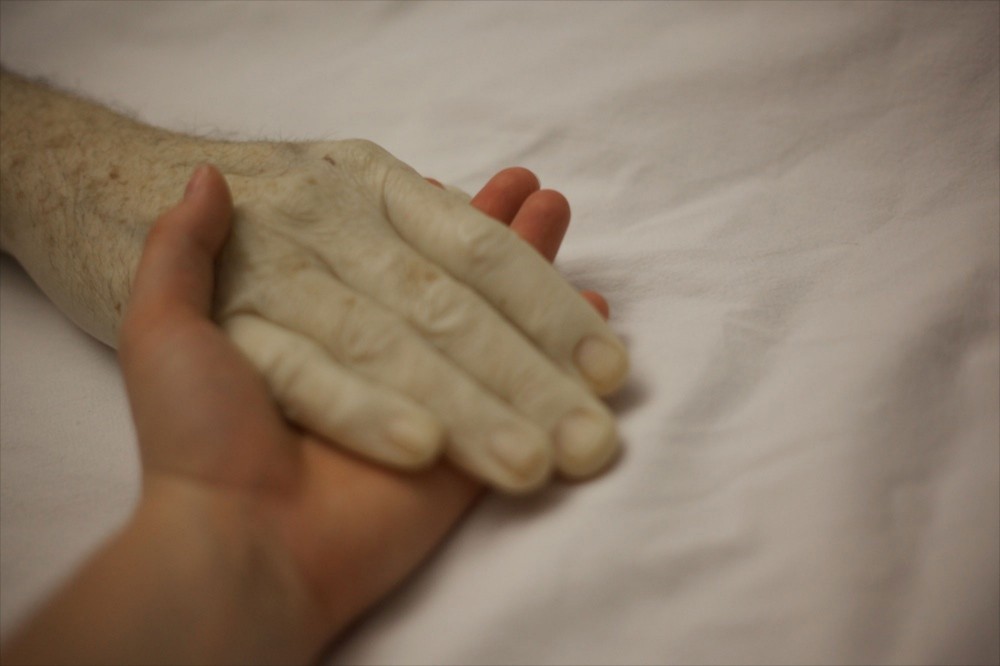
      Fig 2 Me and Dad 25th August 2009
    • The above two images stand out as the strongest and most powerful. (lump in throat moment). Knowing what the Marie Claire Cancer care is and what is does speaks volumes. The second image of her holding her dad’s hand in such a cold, yellow state, you know exactly what has happened. When you have held the hand of a dying/dead person and seen death you know the exact emotion what is going through the person and what she is trying to capture and tell. Losing anyone is hard and emotional.
    • The Country Doctor for me is less emotional personally. But by documenting the life of what the doctor is doing its fairly similar to the above, less emotional personally without confusing the two. Yes, both stories show different sides, but both show areas where you see both sides of the story as mentioned above physical and mental emotions. 
    •  
      00767780.TIF
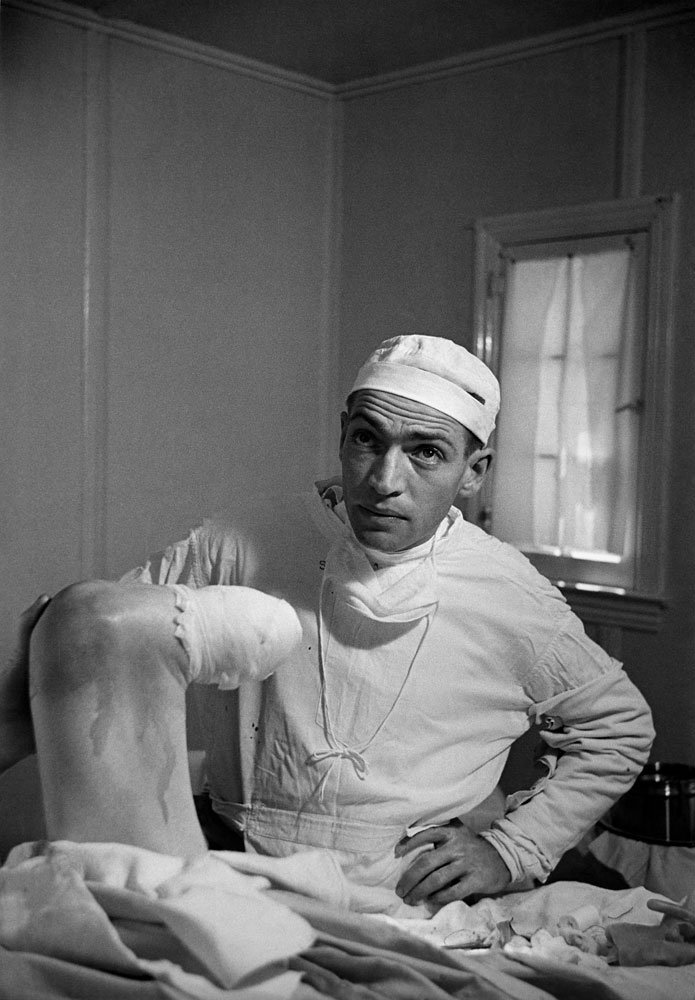
      Fig 3 Not published in LIFE. Dr. Ceriani examines his handiwork after the partial amputation of a patient’s leg, Kremmling, Co… 
      W. Eugene Smith—Time & Life Pictures/Getty Image
    • The above image resonates more with me than the others, just through seeing friends with leg amputations and how they have coped with them.
  • What do you think she means by ‘an ending without an ending’?
    • Ending without ending….. I believe she knew the ending without having to know it. Having the understanding that the time will come without knowing when that time is. Taking that as a project was her ending to this. By documenting the story she knows the end without having it as the end. It may sound like nonsense but I think I understand what it is she writes.

Bibliography

B. (n.d.). The Dad Project – Briony Campbell | Photography & Film. Retrieved January 27, 2020, from http://www.brionycampbell.com/projects/the-dad-project/ {assesed 27 Jan 2020}
(n.d.). https://time.com/3456085/w-eugene-smiths-landmark-photo-essay-country-doctor/. Retrieved January 27, 2020, from https://time.com/3456085/w-eugene-smiths-landmark-photo-essay-country-doctor/{assesed 27 Jan 2020}

Illustrations

Fig 1 Welcome to the end. The Dad Project – Briony Campbell | Photography & Film. Retrieved January 27, 2020, from http://www.brionycampbell.com/projects/the-dad-project/ {assesed 27 Jan 2020}

Fig 2 Me and Dad 25th August 2009. The Dad Project – Briony Campbell | Photography & Film. Retrieved January 27, 2020, from http://www.brionycampbell.com/projects/the-dad-project/ {assesed 27 Jan 2020}

Fig 3 Dr. Ceriani examines his handiwork after the partial amputation of a patient’s leg, Kremmling, Co… ://time.com/3456085/w-eugene-smiths-landmark-photo-essay-country-doctor/. Retrieved January 27, 2020, from https://time.com/3456085/w-eugene-smiths-landmark-photo-essay-country-doctor/{assesed 27 Jan 2020}
20200115-Part One Reflection

This is at times during EYV I tended not to do and move onto the next part. Although it’s not been full-on outside with my camera at the ready its been intriguing to see that its something I’ve done over the years. Taking any picture whether by film or sketch you’re documenting something.

  • Mood
  • Subject
  • Light
  • Action
  • Emotion
  • Expression

Your documenting it, the life of your family, pets, adventure. All have a form of documentation. I have seen at times how news teams can document life first hand, but when you don’t see the final product till weeks later, it annoys you that that have twisted what you have said or not shown the side you were trying to portray.

Documentary, reportage, photojournalism, art photography. All seem to along the same lines. Like Seawright mentions its the fine line between them. I see every picture captured shows lines of the above. Henri Cartier-Bresson decisive moment documents a capture in time. Add something special to it and its Art. Photography is a form of art that I believe is here to stay for and with technology changing this will endeavour to be greater in years to come.

20200115-exercise-The Real and the Digital

Is what we see today an honest image or a manipulated and edited picture to please or sell.

Today it is only two easy to change an image, whether this is in-camera or in the edit. Both ascetically or destructively removing parts of the picture, enhancing the image, changing the image like in project 5.  This is going on all the time, changing the picture to benefit the photographer or the industry they work for. Telling tales of people or hiding the truth. Or finding detail in digital images that may lead to convictions in a court of law. Digital files can hold information that’s not always commonly known. Shadow detail to the metadata within the digital file.

Two sides to every story, even early darkroom edits and the likes of Ansel Adams work in Yosemite Park dodging and burning in the darkroom to how he wanted the final image to be. That’s editing an image but ultimately it’s being changed. It’s not straight out of the camera (SOOC). It’s onto a plate. Add your chemicals and darkroom process and you have a photograph.

Today’s modern smartphone has numerous apps and gadget where photos can be manipulated, edited processed on the move. Add comical faces, music or even tag individuals into the picture with the apps like Instagram and Snapchat.

I’m with the modern-day digital age when it comes to social media apps etc. My Fujifilm cameras can wifi my selected JPEGs straight to my smartphone, where I can edit and post within minutes of taking the picture.

What actually is a truthful picture today. I’m not sure there is?

Things I tend to look for prior to taking an image are:

  • Lines
  • Light
  • Shadows
  • Subject

20200115-Sarah Pickering’s Public order

Road-Block-River-Way_F_2200px
Fig 1 Sarah Pickerings Public order gallery River Way (Roadblock), 2004
20200115-village
The long road
20200115-PB Order
Caught in the middle

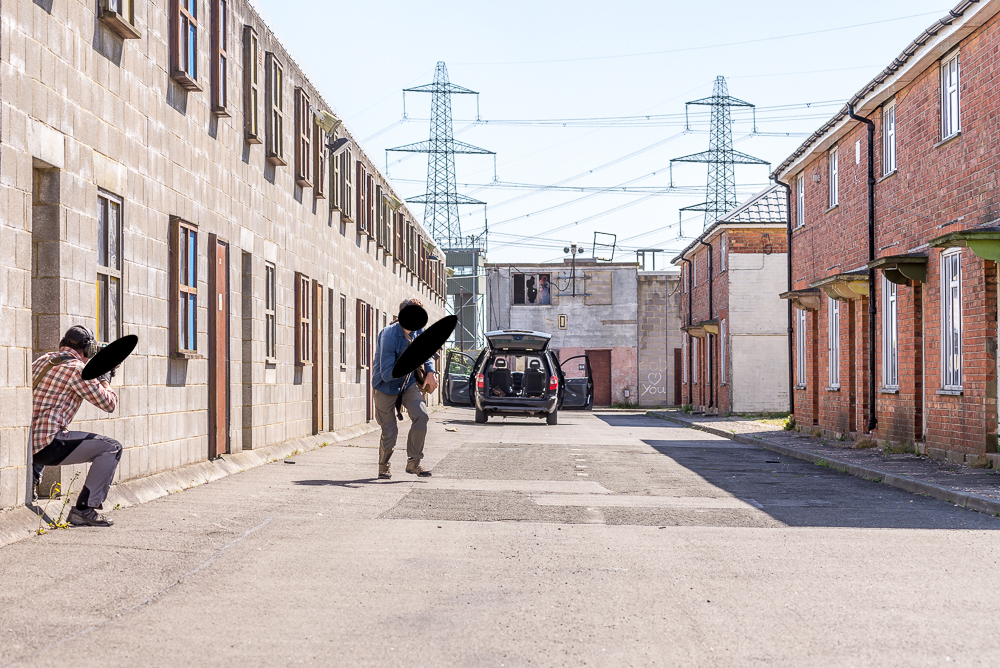
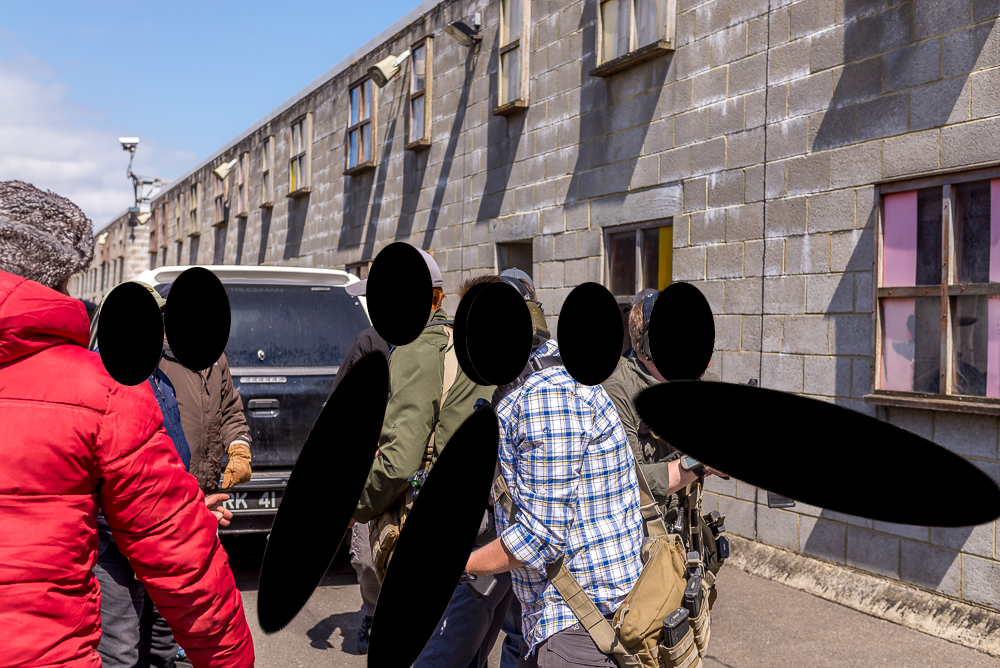
At times I find I’ve been privileged to be able to work in some unusual areas throughout the years. The two images above have for me the other side of the coin Sarah mentioned within her project. These show the action within a desolate village location where hers show the emptiness within them. Having been through and worked in places like her images I can fall well understand what it is she is capturing. It’s interesting to see the emptiness however to feel the anticipation of what is around the corner waiting for them!

  • How do they make me feel?
    • I kind of like them, as I’ve mentioned above its the anticipation of what waiting around the corner effect.
  • Is Public Order an effective use of documentary or is it misleading?
    • Had I not known what these images where about it may sway me to say yes, but it’s having an understanding of what is captured within the images, roadblocks empty streets, key locations (jobcentre, night club) areas of tension, old tyres and objects that have been thrown. The images that may confuse people are they facades of houses/buildings and empty rooms etc unless you know what they are.

      Bibliography

      (n.d.). Sarah Pickering Public Order. Retrieved January 15, 2020a, from https://vimeo.com/11931505 [assesed 20200115]
      (n.d.). Public Order – Sarah Pickering. Retrieved January 15, 2020b, from https://www.sarahpickering.co.uk/works/public-order/


20200115-Project 4-The gallery wall – documentary as art


Dandy Street.jpg
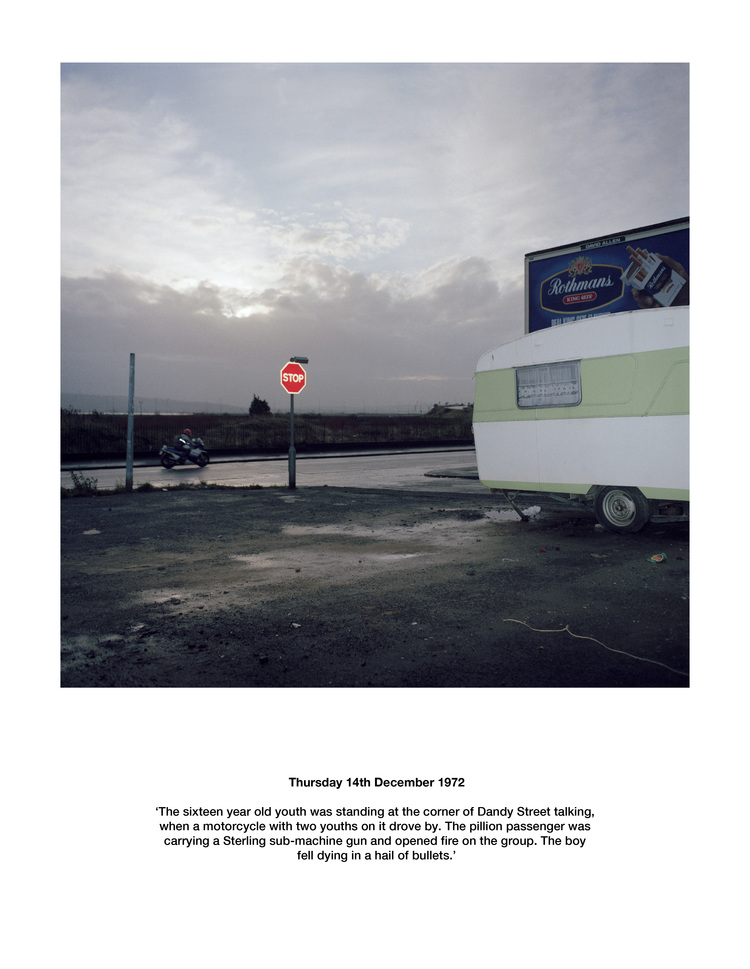
Fig 1 taken from Paul Seawright’s Sectarian Murders gallery

When I look at any image where I know some of the backgrounds and what has gone on it that particular part of the world, I start to look closer as Paul mentions in the Vimeo clip about taking no more than 15 seconds and you turn the page and move on. I hadn’t heard of his work but the word “Sectarian” straight away resonated with me. Partly because Belfast is somewhere, I’ve been before.

The text above mentions the detail of what happened. The motorcycle, the street corner. You can then visualise the youth standing there minding there own business and then bang the noise of the submachinegun going off!

Had the images shown bodies or even items of the deceased I would say it is documenting the findings as such. These I feel show an emotional side to it. Reading into the picture and the text and place yourself at the scene. Of which they also document what happened just minus the victims. It is like a crime scene without the body. A photo I feel no matter what documents something whether it is a place in time or moment. Surely it is the same. It is how the individual looks at something as we know art is subjective from one person perspective to another. Had these images not had the text to them id find them harder to look at searching for any connection, with the text you see and understand what he is showing.

Bibliography

Murder, S., & Seawright, P. (1970, January 1). Sectarian Murder — Paul Seawright. Paul Seawright. Retrieved January 15, 2020, from http://www.paulseawright.com/sectarian
(n.d.). Paul Seawright’s Sectarian Murders. Retrieved January 15, 2020, from https://vimeo.com/76940827 {assesed 20200115}


20200111-Project 2-Photojournalism

Susan Sontag

  • Do think images of war are necessary to provoke change?

Personally, my view on this may be slightly one-sided due to my profession. When you’ve witnessed first hand what war/conflict or whatever word you choose to describe it. It’s horrendous. No words can describe things I’ve seen, friends I’ve lost and injuries sustained both physically and mentally. So to say pictures provoke change, in today’s world I believe they have and will do. Public support has been key over the last decade.

Both press and military media photographers have been able to show so many sides of conflict/war. Good the bad and at times ugly sides. It’s a business whether people agree with what I say. Wars create work and money by employing people to support be that locally employed civilians to military procurement companies. Images taken portray life on the frontline at time harsh but at times it shows life isn’t that bad and soldiers can be enjoying what it is they are doing. Creating a safer place for people to live and work.

  • Do you agree with Sontag earlier view that horrific images of war numb viewers’ responses?

I sort of agreeing and disagree with this one. Looking back through the history of war images that are horrific there’s a side that does numb the viewer as over the times it can be viewed as normal. This is only until something changes. Be it the trench warfare and shell shock. To individuals being in contact with mustard gas.

Vietnam and children running away with horrendous burns caused by napalm, or worse still the use of agent orange.

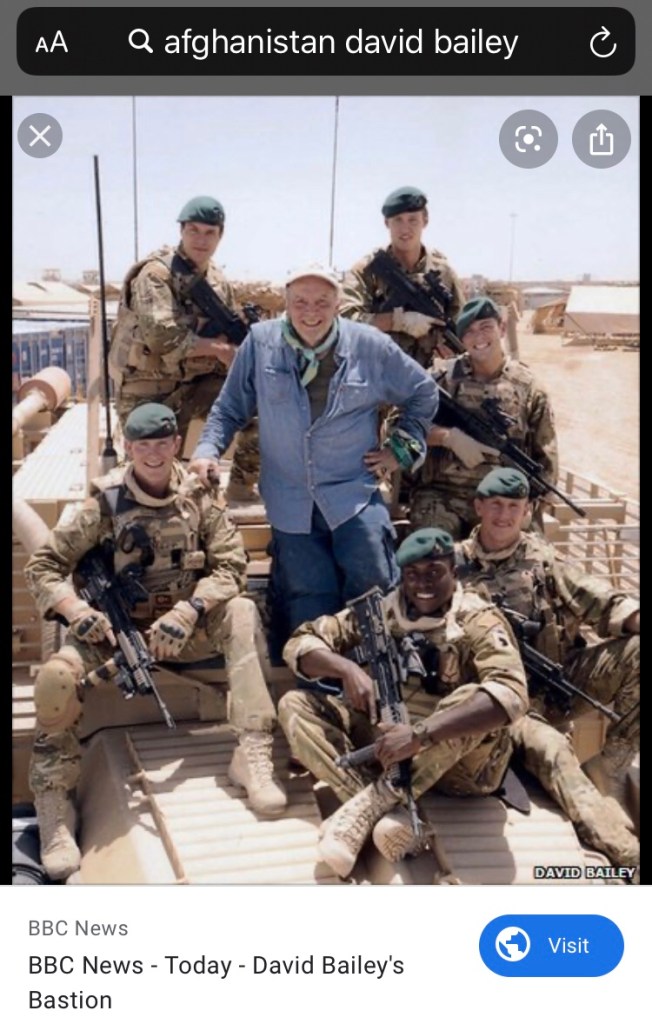
Screenshot David Bailey Afghanistan BBC circa 2010

What I believe changes individuals view is when the image is of a young soldier or child. I recall David Bailey’s portraits from troops in Afghanistan he took. Some left as boys and returned as men aged by conflict and war. These images I believe change peoples perspectives I don’t believe it’s numbing. They provide the viewer now with a connection to emotions soldiers feel I believe.

I thought id like to add to this part from a personal perspective. Images from conflict are at the time the ones you see in the papers. Soldiers have been capturing life on the frontline for decades. Please see a small selection of what I have taken over the years from circa 2007 – 2010. The good times and the bad.

This slideshow requires JavaScript.


Bibliography

Bailey, D., Interview, A., & 07.10.10, I. (2010, October 8). David Bailey – Afghanistan Interview 07.10.10. YouTube. Retrieved January 11, 2020, from https://youtu.be/kAW3303Xl2Y

(n.d.). BBC News – Today – David Bailey’s Bastion. Retrieved January 11, 2020, from http://news.bbc.co.uk/today/hi/today/newsid_9066000/9066434.stm

20191231-Assignment 1

Looking at this assignment initially was pretty confusing compared to EYV and the square mile assignment.

Assignment brief — create two sets of pictures that tell a different version of the same story.

However, after reading it a few times, it initially gave me the idea of what hides in images at times. Telling the same story within both images. Could these stand up in a court of law? Work that I’ve previously done before images have been used as evidence, taken in some interesting locations. It is at times when detail is hiding in the shadows that we miss.

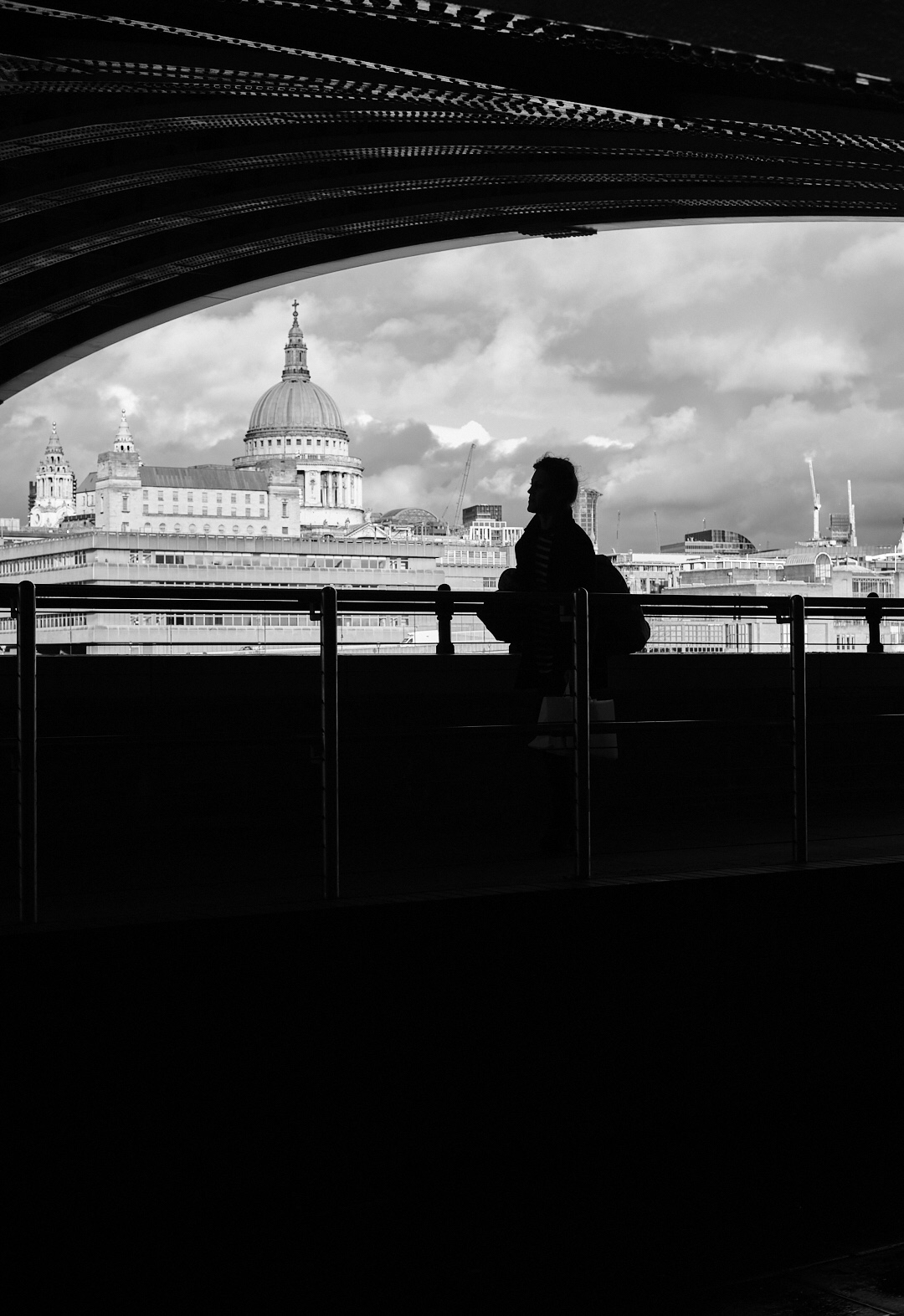
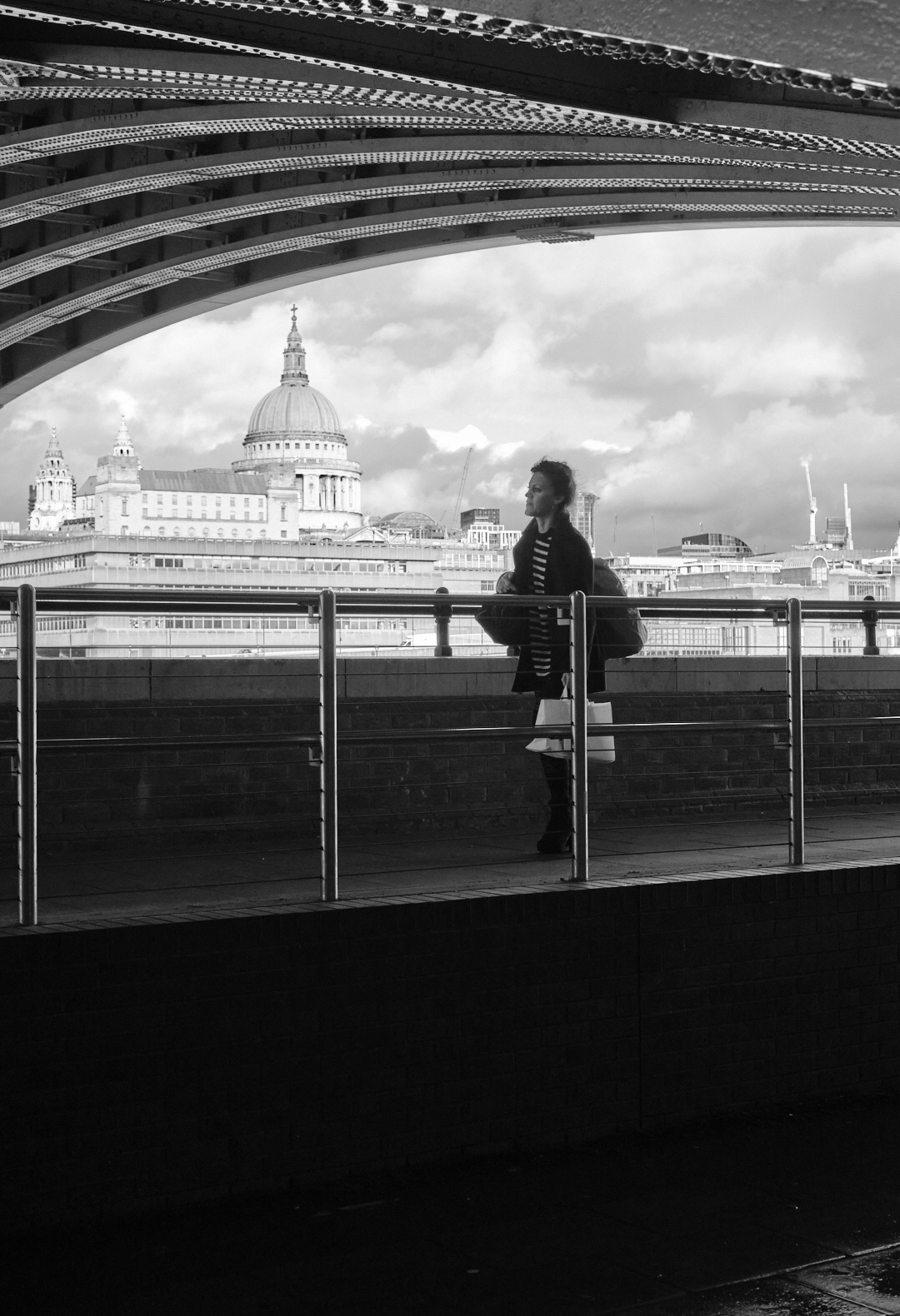
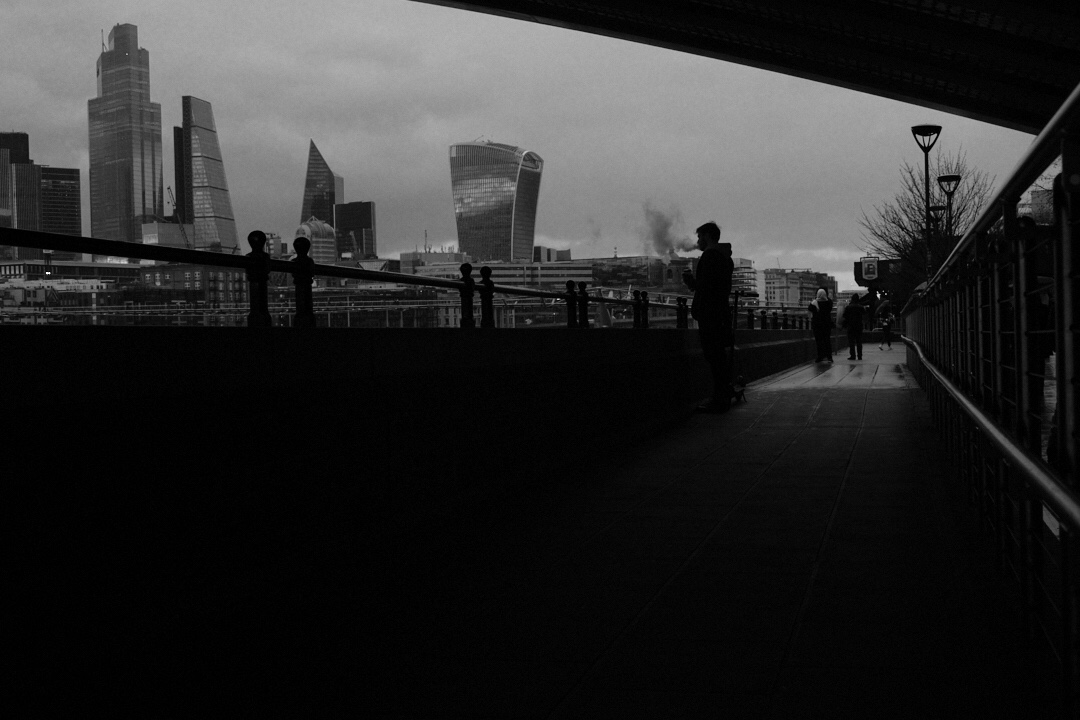
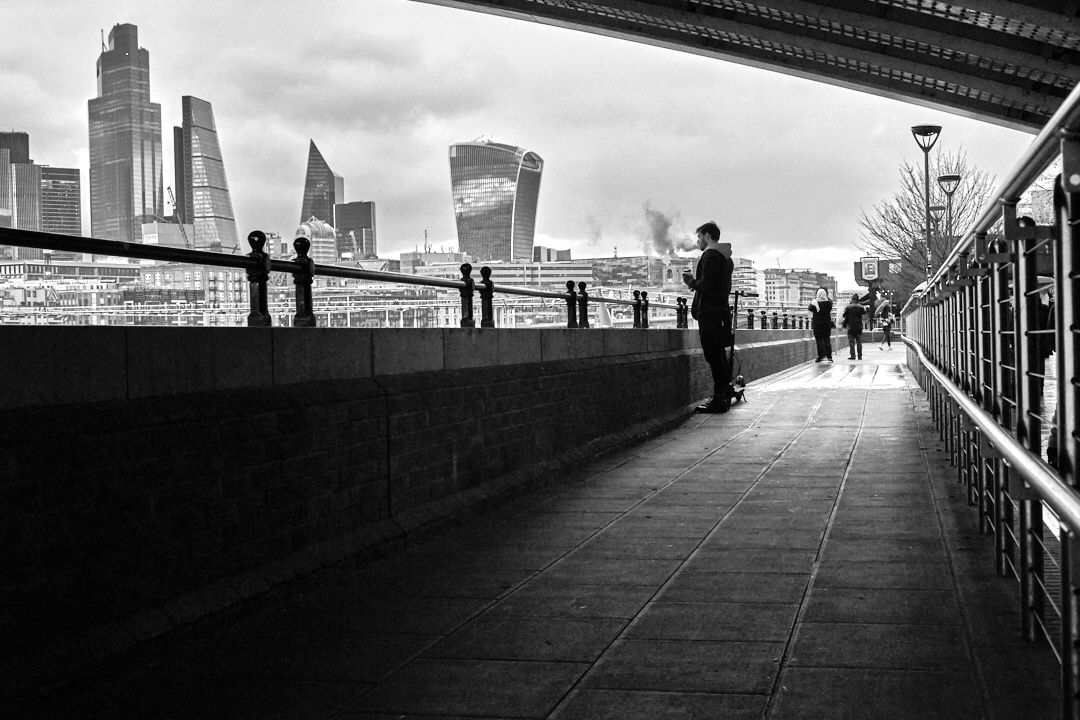
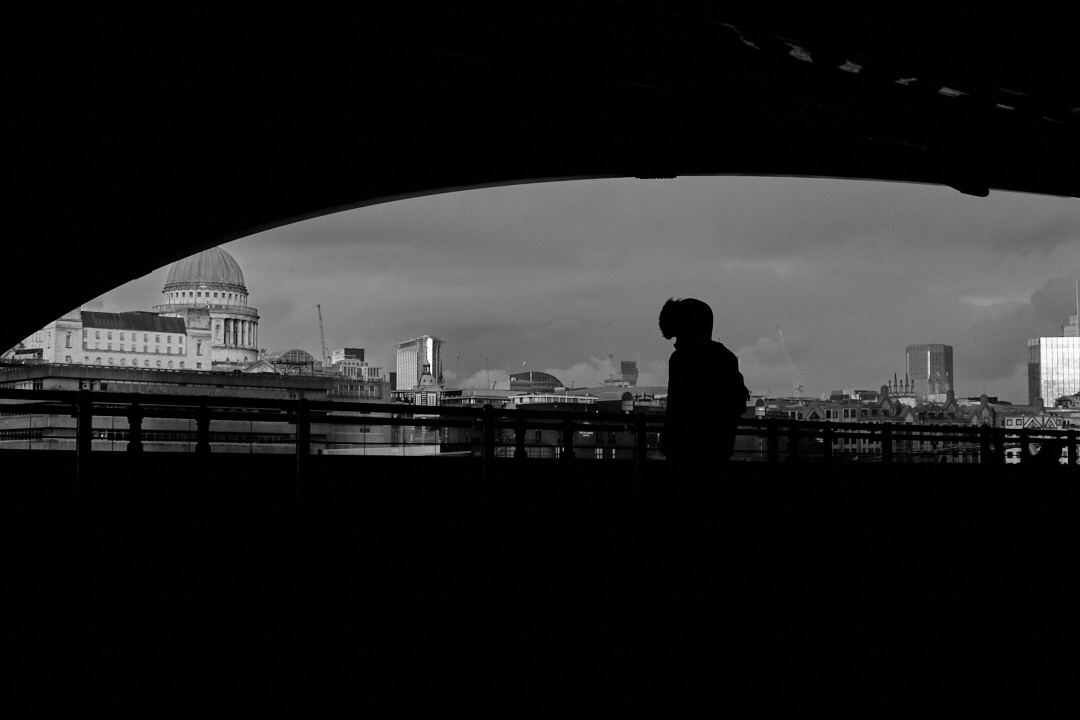
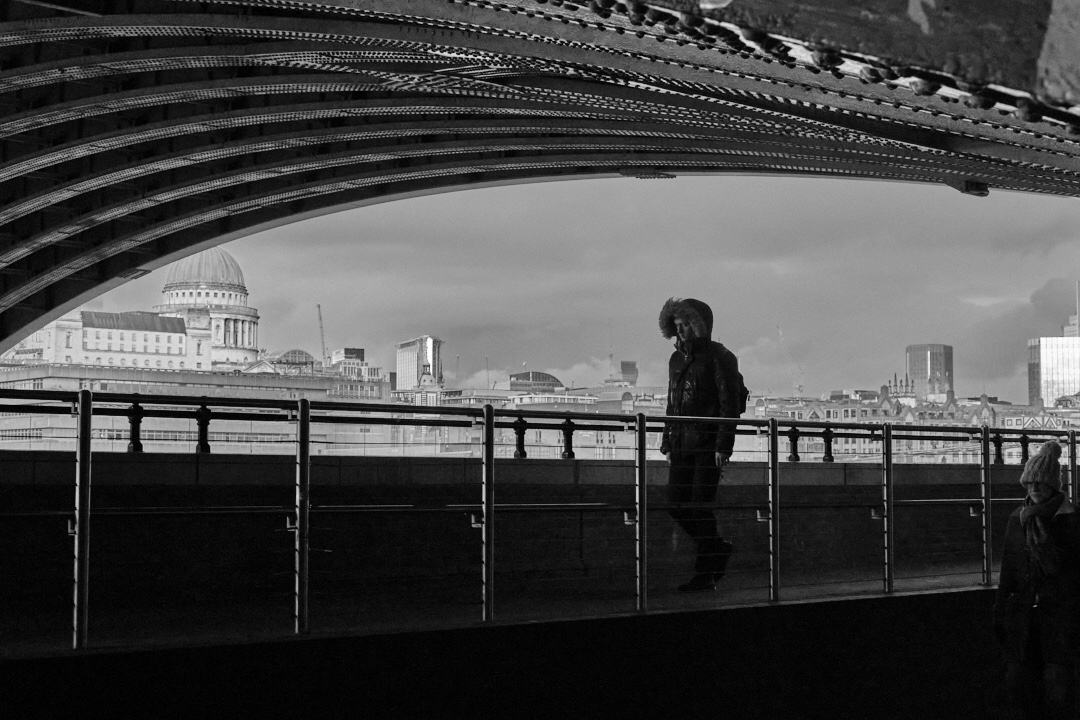
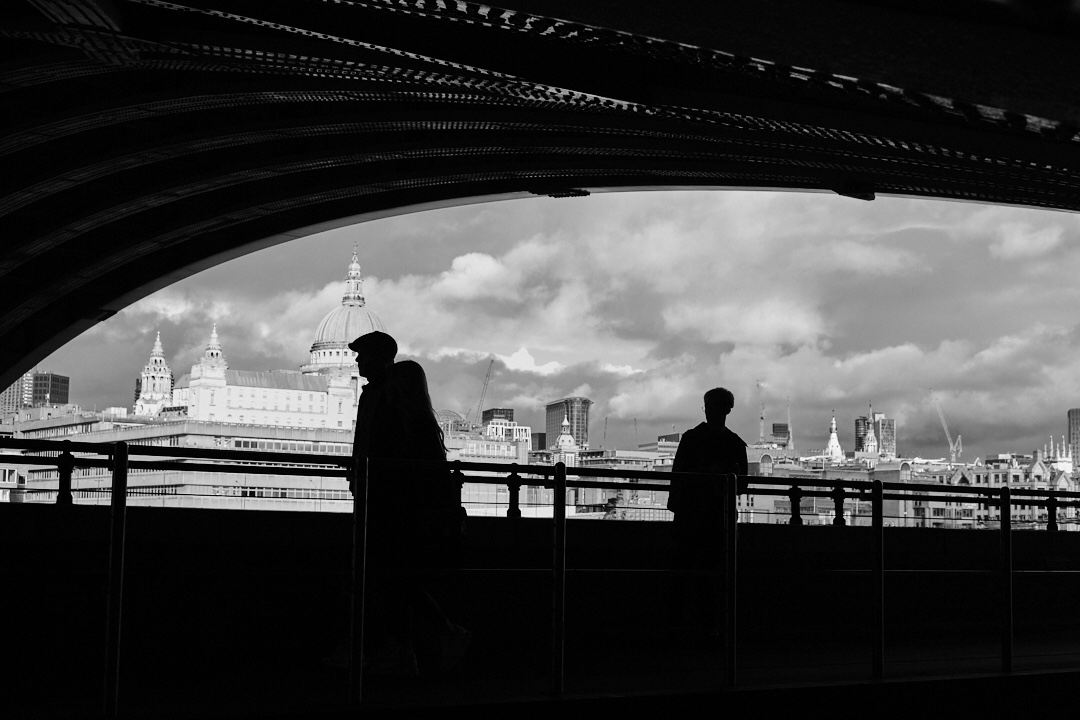
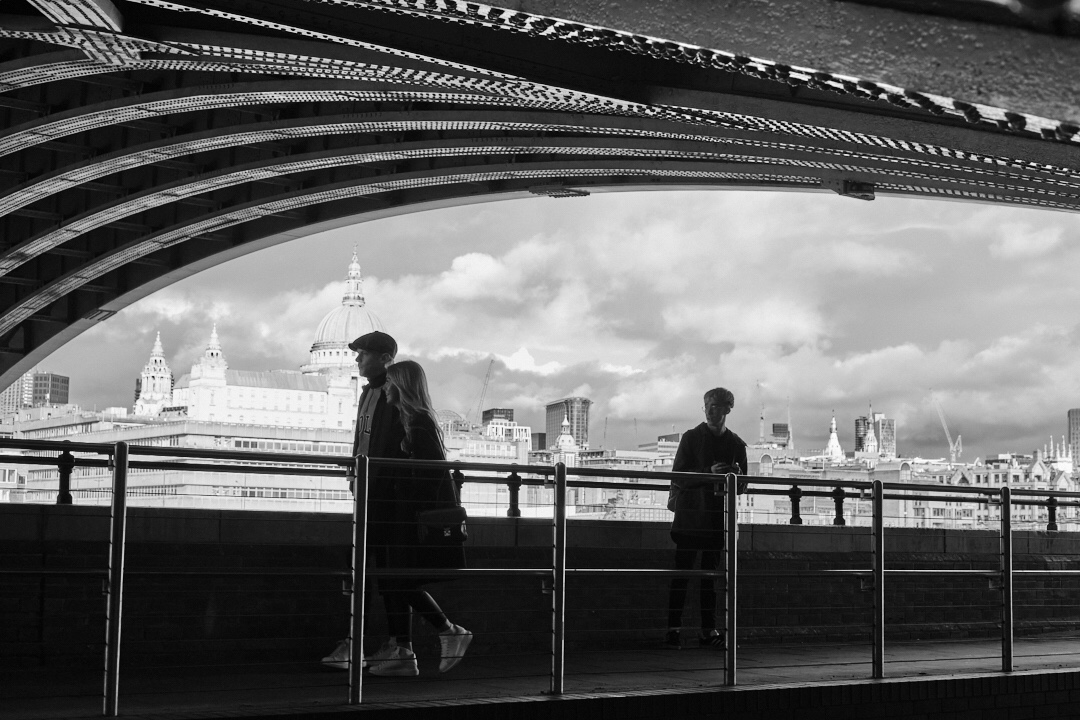
Recently I’ve been intrigued with shadows, silhouettes in my street photography style in a high contrast black and white is a kind of fine art style. So I’ve decided to see who and what’s hiding in the shadows.

Contact sheet below. A yellow cross highlights my selections.

https://wanderingwindsorman.photo.blog/wp-content/uploads/2020/01/c-and-n-ass-1-contact-sheet.pdf


Who Am I?
I’ll call you Sally
Who’s Smoking?
Just vaping
Snorkel hood
No mask though
Is he looking at us?
Just ignore him!
Peaky Blinder
Just the normal
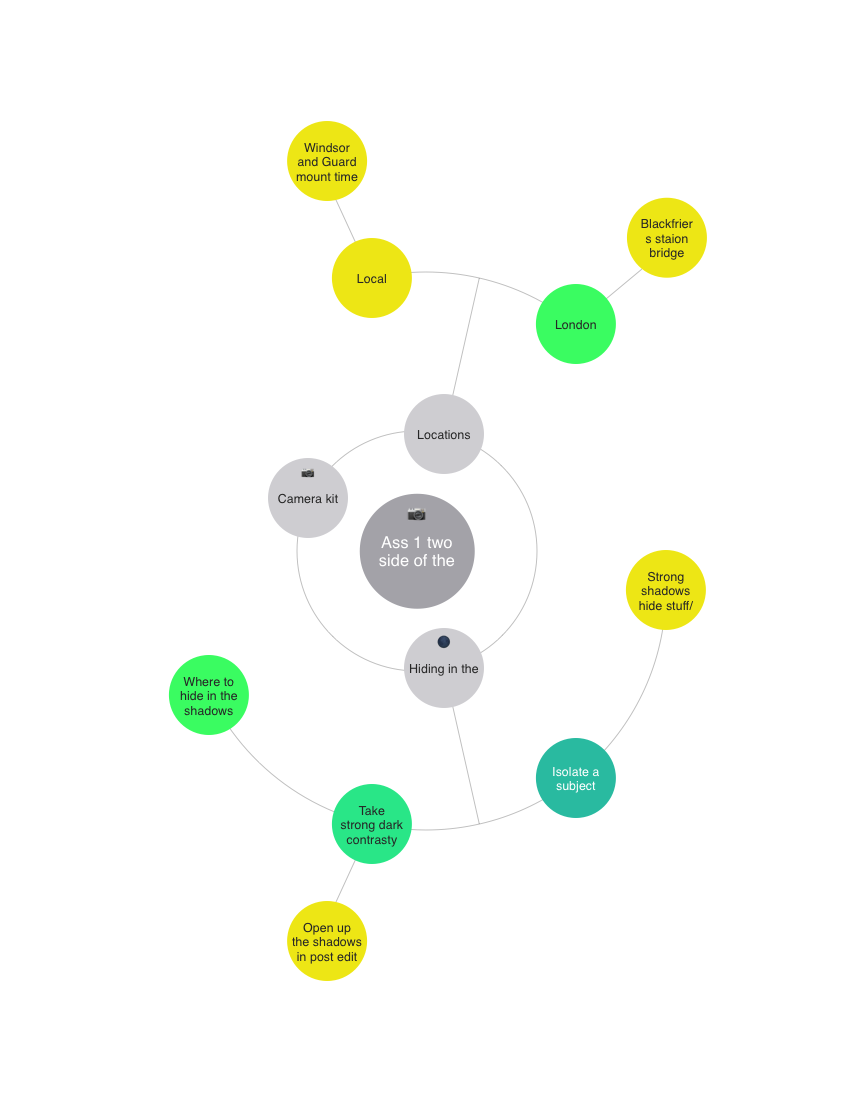
Mind Map for Ass 1

After the initial brainstorming and looking at what I wanted to achieve and get this part of the course underway. I left for London and went with the idea of “what hides in the shadows”.

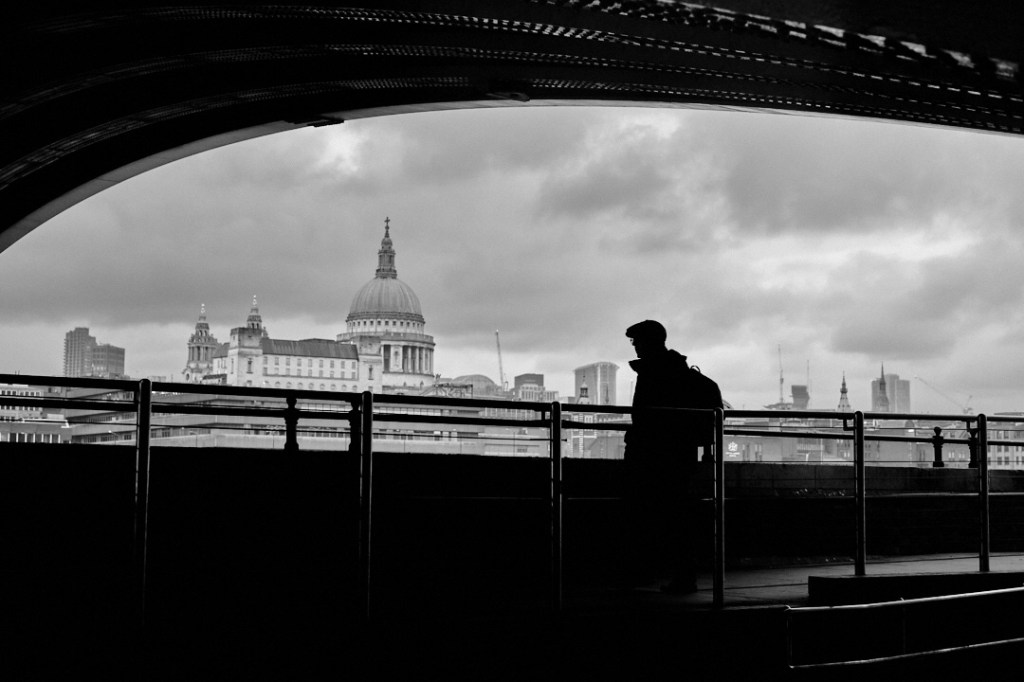
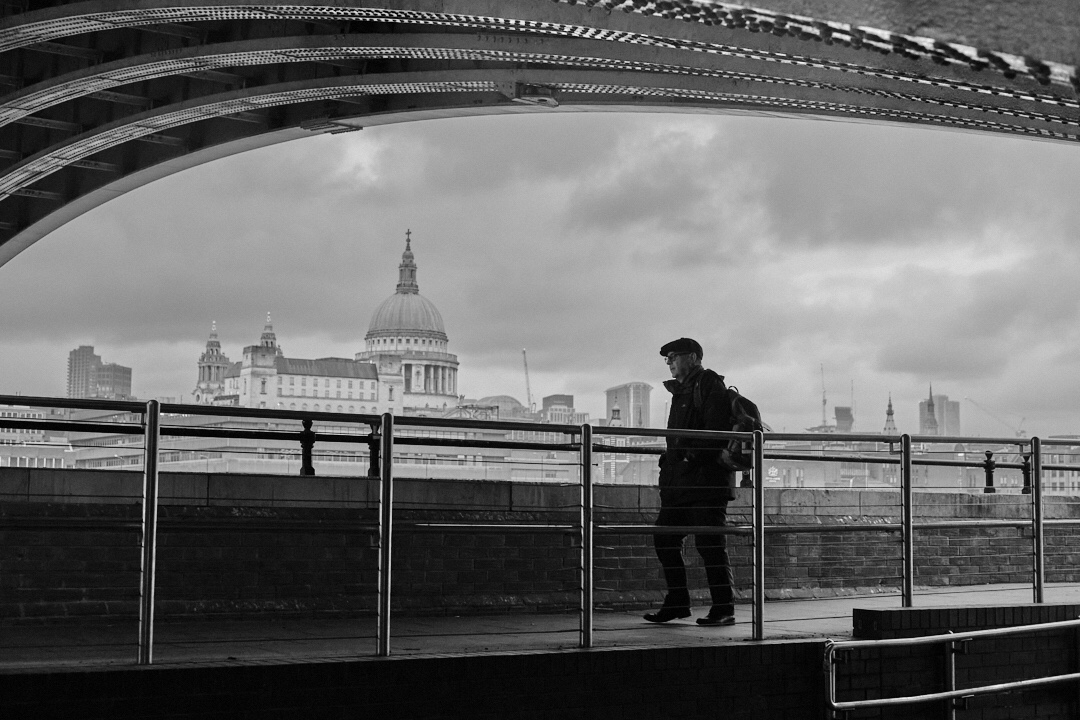
Demonstration of technical and visual skills – I’m hoping this will give you the viewer some form of an idea in what flicks my switch with photography. Using my Fujifilm camera whereas I’ve mentioned before I mainly shoot with the Acros Fujifilm simulation profile. This allows me to see the image in black and white and control the exposure to my desired effect with the shadows and highlights. By hiding in the shadows myself you become invisible to the general public, even if they think you’re photographing them you have St Pauls in the background as a visual subject, letting you capture what you wanted in the first place.

Quality of outcome I’m overall happy with these images by copying the image and opening up the shadows in post. Some do not look that pleasing to the eye, but this is what I was trying to achieve within this series. I would have had to have two cameras set up and firing at the same time to achieve this. Not something that I wanted to do. One would have had to been exposed correctly, and probably been too slow of a shutter speed even if id pushed the iso up. This would have given a strong and harsh noisy image and not what I wanted to achieve.

Demonstration of creativity I think this shows my creative side. The initial images for me are what I currently enjoy taking. Searching for areas of strong light and shadows trying to isolate an individual subject or interesting lines.

Context – Behind these images I believe I’ve hit this brief, intruding myself to my tutor in how I see compositions and delivering with images and work that is both pleasing and interesting to view. By seeing what can hide within the shadows is one intriguing and two interesting when you look at how things, subjects and intentionally people can hide within an image, but by using editing software almost nothing is invisible to a certain degree in photography.

20191231-Research St Photography genre

  • What difference does colour make to a genre that traditionally was predominantly black and white?

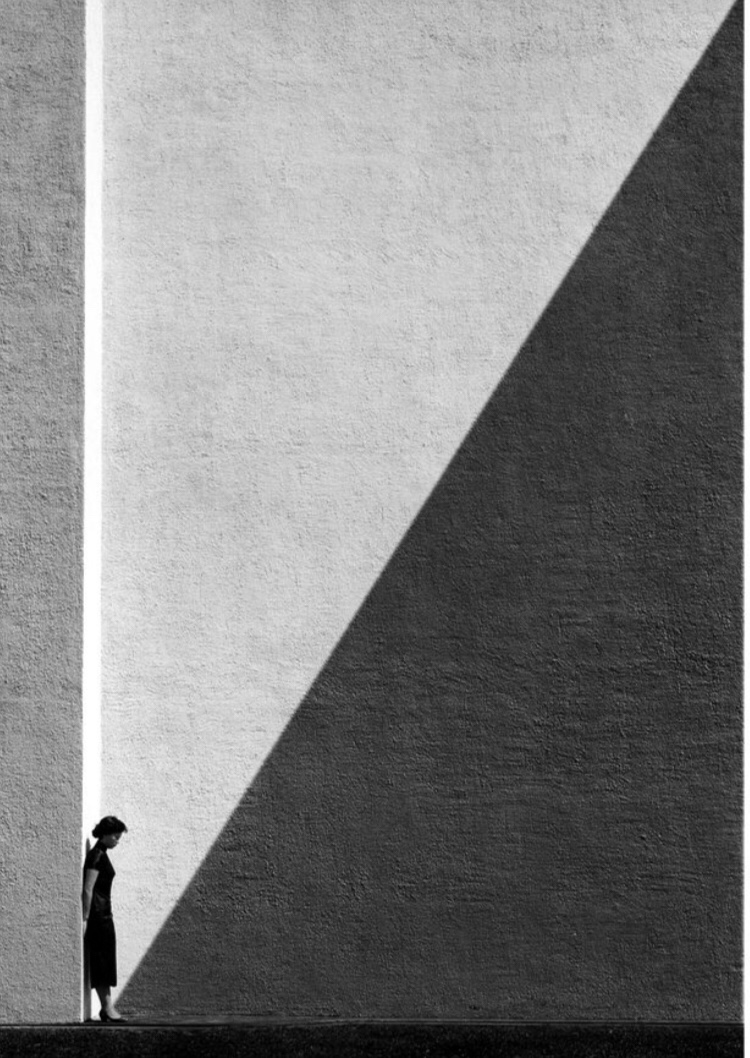
Fan Ho approaching shadow circa 1954

  • Fan Ho approaching shadow picture was originally a colour staged picture. By manipulating it in the darkroom adding the strong diagonal shadow and in black and white works better than colour. This would not have the same desired effect had it been in colour.
  • B&W for me give the image a kind of lift and feeling to it. Although some may say it is dull and lacks drama, I tend to think it adds to the drama.
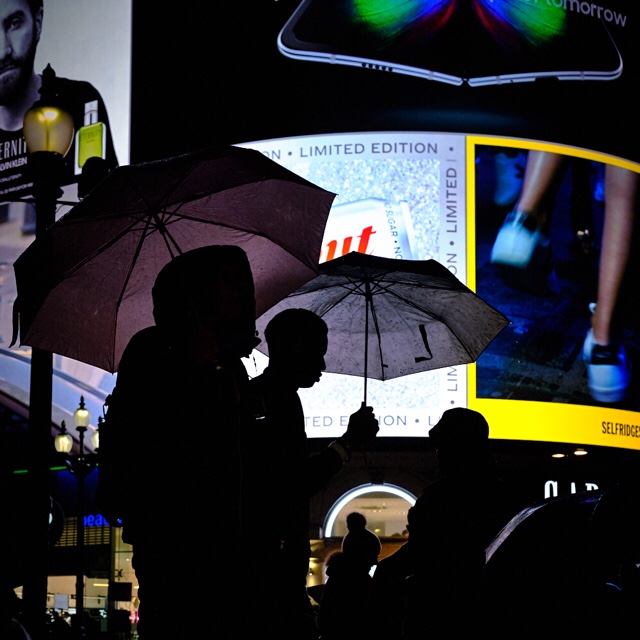
  • Colour has a part to play in modern-day photography but to be honest with you I’m not a huge fan in street photography unless I’m shooting in the dark hours or areas of neon lights, where i will still try to get a dark contrasty shadow or silhouette within my frame. Colour seems to make the subject pop more.
    • image
      Picadilly Circus 15 Nov 19 
  • When you compare the likes of Martin Parrs images in his Only human exhibition he placed on last year. I visited this during my EYV learning journey. His colourful images pop and make the subject stand out, whether he’s isolating one single colour or multiple colours to enhance a subject there is something i enjoy with his pictures.

“In black and white you suggest, in colour you state,” – Paul Outerbridge Page 55

“When you photograph peolpe in colour, you photograph their clothes. But when you photograph peolpe in black and white, you photograph their souls!” – Ted Grant page 57

  • Can you spot the shift away from the influence of surrealism (as in Cartier-Bresson’s work)? In today’s world, I find it quite hard to find if there is or has been a shift.
  • How is irony used to comment on British-ness or American values?
    • The irony within the images at the time i believe speaks for itself. From the quintessential Englishness of Martin Parrs pictures to harsh realities of Don McCullins images of the UK going through the ages. Looking to the US and the images from the Robert Franks Americans shows how irony can be both subtle and frank. If you look at today’s images from Brexit to who running for the Presidential elections and Donald Trump’s tweets and his media team. They add and thrive in the irony of his at times staged images i believe. 

Biograpghy

Duckett, B. L. (2016). Mastering Street Photography (pp. 55, 57).

Prodger, P. (2019). Only Human. Phaidon Press.

(n.d.). Donald J. Trump For President. Retrieved January 3, 2020, from https://www.donaldjtrump.com

20200111-MARTIN PARR

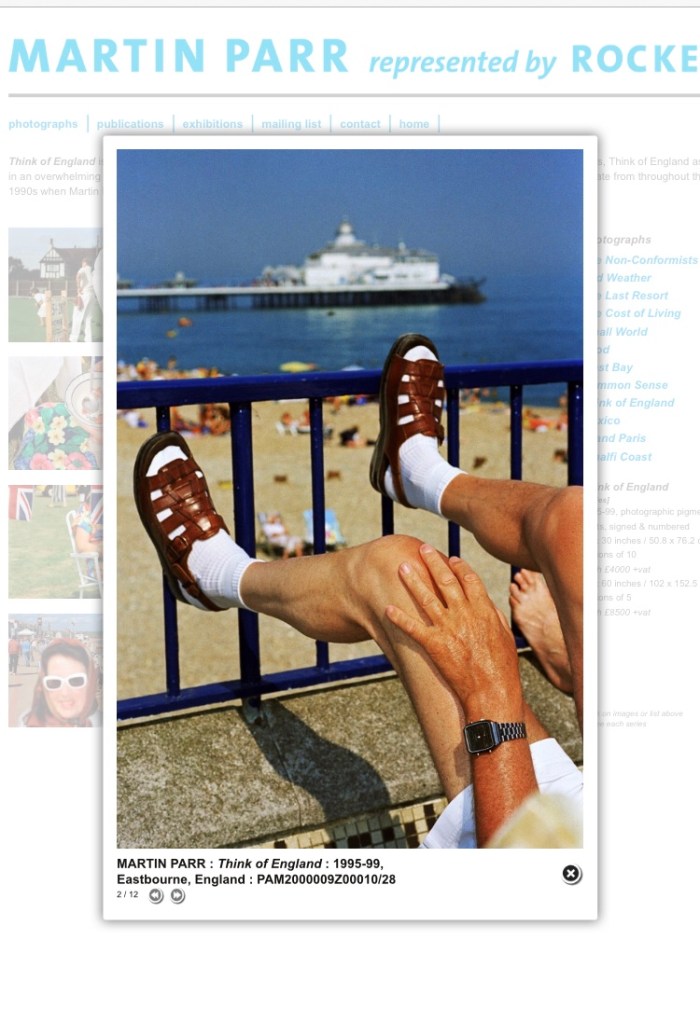
During my EYV journey, I wrote about Martin Parrs ”Only Human” London exhibition he put on. Going through this part of the journey and mentions the term Irony I thought about some of his classic quintessential British images he captured.

I later found this BBC4 documentary he produced circa 1999 ”Think of England”. Now we venture into a new decade as this film was built the year before the start of the new millennium it’s strange in a way to look back to that time. It has quite a humorous feel to it. It captures the classic side of those hardcore elements of society from the rich to the poor and those that have strong ties to the country. This is England.

Screenshot from Martin Parr Think of England http://www.martinparr.co.uk/think.htm

Although it’s only 20 years, you can see a shift now in society, but I don’t think this is shown in today’s photography. Martin Parr has an eye for capturing both the realism and moment within his pictures. Although his photographs are not what I would take, they are intriguing and visually stunning when looking beyond the lens. A picture does paint a thousand words.

Biography

https://youtu.be/lAgUpTxoR3Q [assessed 110120]

http://www.martinparr.co.uk/think.htm